
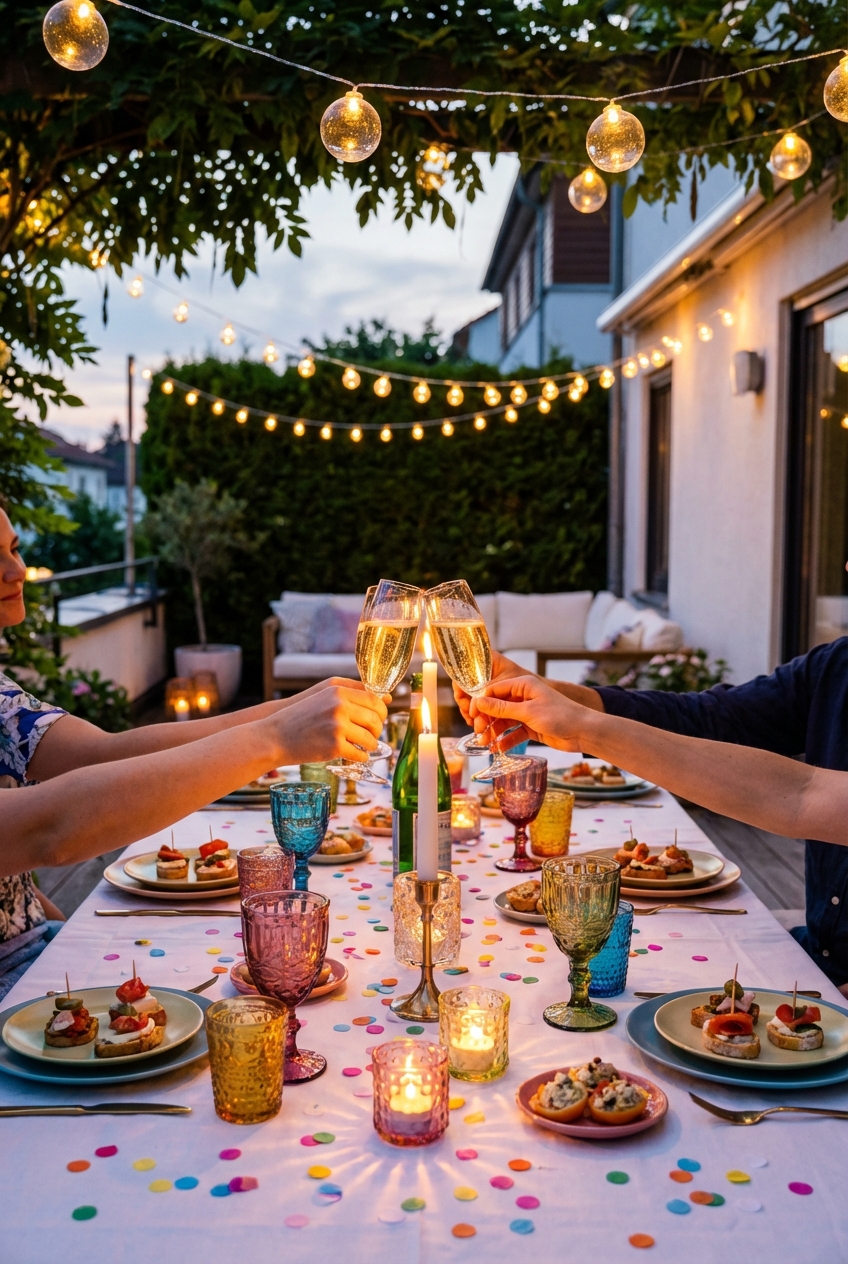
9 Easy Celebrating Ideas
Hosting friends and family brings a specific kind of energy to a home that day-to-day living simply cannot replicate. However, the pressure to create a “perfect” environment often overshadows the joy of gathering. I remember the first dinner party I hosted in my own apartment; I spent three days scrubbing baseboards and exactly zero minutes thinking about where people would actually sit or set down their drinks.
The secret to effortless entertaining is not a complete renovation or spending a fortune on new decor. It is about layout, flow, and adjusting the atmosphere to make guests feel at ease the moment they cross the threshold. If you are looking for visual inspiration, check out the Picture Gallery is at the end of the blog post.
1. Creating a Functional “Drop Zone” in the Entryway
The celebration begins at the front door. If your entryway is cluttered or confusing, guests immediately feel like an intrusion rather than a welcome addition. As a designer, I always start by clearing the “drop zone” to handle the influx of coats, bags, and shoes.
You do not need a grand foyer to make this work. If you lack a coat closet, a sturdy garment rack tucked into a corner or a temporary row of wall hooks works perfectly. Ensure hooks are installed between 60 and 66 inches from the floor to accommodate long coats without them dragging.
I also recommend placing a slim console table or a floating shelf near the door. This gives guests a psychological “landing pad” to place keys or a hostess gift immediately upon entering. This prevents that awkward moment where a guest stands in your living room clutching their purse because they don’t know where to put it.
Designer’s Note: The Shoe Situation
If you prefer a shoes-off household, you must provide a clear, designated spot for shoes and a place to sit while removing them. A bench should be 18 to 20 inches high for comfortable seating.
What typically goes wrong here is a lack of surface area. A pile of shoes blocks the door, and guests trip over them all night. I recommend a simple basket for shoes or a designated mat that clearly signals “shoes go here” without you having to say a word.
Common Mistakes + Fixes
- Mistake: Insufficient lighting in the foyer.
- Fix: Use a warm table lamp on the console (2700K bulb) rather than just the harsh overhead light.
- Mistake: No clear path for entry.
- Fix: Ensure there is at least a 36-inch clearance path from the door into the main living area.
2. Layering Light to Set the Mood
Lighting is the single most important element in creating an atmosphere for celebration. You can have the most expensive furniture in the world, but if the lighting is flat and cool, the party will feel like a doctor’s waiting room. The goal is to create pockets of intimacy.
Turn off your overhead “big light.” In residential design, we rely on the “triangle of light” rule. This means having at least three light sources at varying heights in a room to eliminate shadows and create warmth. Think floor lamps, table lamps, and picture lights.
If you are renting or cannot change fixtures, simply changing your lightbulbs is a game changer. Swap out any daylight bulbs (5000K) for soft white or warm white bulbs (2700K to 3000K). This warmer temperature mimics candlelight and makes everyone’s skin look better.
What I’d Do in a Real Project
- Install Dimmers: I put plug-in dimmers on every table lamp. It costs about $15 per lamp and allows you to drop light levels to 60% capacity.
- Candlelight Levels: I scatter votives at eye level (on mantels and shelves) and low levels (on coffee tables).
- Review Corners: I light dark corners with uplights or floor lamps to make the room feel larger.
3. Rethinking the Living Room Layout for Conversation
The default furniture arrangement in most homes points toward the television. For a celebration, this kills conversation. You need to physically rotate your furniture to encourage face-to-face interaction.
Pull your sofa away from the wall. Floating furniture even just three or four inches creates a sense of airiness. More importantly, aim to create “conversation circles” where the maximum distance between two seated people is no more than 8 to 10 feet. Anything further requires shouting.
Ensure every seat has access to a surface for a drink. The rule of thumb is that a side table or coffee table should be reachable within 14 to 18 inches of the seat. If you don’t have enough side tables, use sturdy stools, stacks of coffee table books, or garden ceramic stools as temporary drink perches.
Designer’s Note: Rug Sizing and Safety
For high-traffic parties, ensure your area rug is secured. A loose rug corner is a major trip hazard. Use double-sided rug tape on the corners.
Also, make sure the rug is large enough. The front feet of all seating furniture should sit on the rug. This anchors the conversation zone. If your rug is too small (floating in the middle with no furniture touching it), the room will feel disjointed and smaller.
4. The Self-Serve “Bar” Strategy
One of the easiest ways to enjoy your own party is to stop bartending. Creating a self-serve beverage station is a functional design move that controls traffic flow. Do not place the drink station in the kitchen.
The kitchen is the engine room of a party; it is hot, crowded, and dangerous. By moving the bar to a console in the living room or a sideboard in the dining room, you draw guests out of the kitchen and spread them through the house. This relieves the “kitchen huddle” phenomenon.
When styling this station, think about vertical space. Use a tray to corral bottles and keep the surface tidy. Ensure the table height is comfortable for pouring—standard counter height is 36 inches, but a sideboard at 30 to 32 inches works well if you place the bottles toward the back.
Common Mistakes + Fixes
- Mistake: Not protecting the wood surface.
- Fix: Use a large tray, a runner, or even a piece of cut glass/acrylic under the mixing station to prevent citrus and alcohol from ruining the finish.
- Mistake: Creating a bottleneck.
- Fix: Pull the beverage table away from the wall slightly or ensure there is 48 inches of clearance behind it so guests can pass while someone else pours a drink.
5. Bridging the Indoor-Outdoor Gap
If you have access to a patio, balcony, or yard, treat it as an additional room of the house. The biggest hurdle to getting guests outside is usually the visual disconnect. You need to make the outdoors look as furnished as the indoors.
Start with the threshold. Ensure the door is unlocked and perhaps propped open if the weather permits. I often place a runner rug leading up to the back door to visually guide guests toward the exit. It acts as a subtle arrow saying, “There is more party this way.”
Lighting is critical outdoors as well. A single floodlight is uninviting. String lights are a classic for a reason—they lower the visual ceiling of the outdoor space, making it feel intimate. Hang them roughly 8 to 9 feet above the ground. If you cannot hang lights, use solar lanterns on the ground to define the perimeter of the patio.
What I’d Do in a Real Project
- Textiles: Bring indoor cushions and throws outside (weather permitting). This softness signals comfort.
- Zoning: I create distinct zones outdoors just like indoors—a standing zone near the drinks, and a sitting zone around a fire pit or table.
- Audio: I sync a portable speaker outdoors with the indoor music so the vibe doesn’t die at the doorway.
Finish & Styling Checklist
Before the first doorbell rings, run through this final checklist. These are the details that separate a “house” from a “venue.”
The Bathroom Check
The powder room will be the most visited room in the house. It needs to be pristine.
- Lighting: If you have harsh vanity lights, dim them or use a small lamp on the counter.
- Supplies: Stock extra toilet paper in plain sight (in a basket), not hidden in a cabinet.
- Towels: Swap the daily hand towel for a stack of disposable guest napkins or a fresh, fluffy linen towel.
The Sensory Check
Design is visual, but celebration is multi-sensory.
- Scent: Light a candle 30 minutes before guests arrive, then blow it out. You want a subtle background scent, not an overpowering fragrance that fights with the food smells. Woodsy or citrus notes are generally safer than heavy florals.
- Sound: Test your playlist volume. You should be able to hear the music while talking at a normal volume. If you have to raise your voice to speak over the bass, it is too loud.
The Durability Check
Protect your investments so you can relax.
- Coasters: Scatter more coasters than you think you need. Place them on every available surface.
- Fabrics: If you have a white linen sofa and red wine drinkers, drape a chic, washable throw blanket over the seat cushions before the party starts. It looks intentional but acts as a shield.
FAQs
How do I host in a small apartment without it feeling crowded?
Verticality is your friend. Clear off countertops and use tiered serving stands to save surface area. Move bulky furniture (like oversized ottomans) into the bedroom temporarily. Focus on standing room; people take up less space standing than sitting. Keep the temperature cool, as body heat will warm up a small room quickly.
What is the best way to protect hardwood floors during a party?
High heels can wreak havoc on softwood floors. A large area rug is the best defense. If that isn’t possible, designate a “shoes off” policy, but provide basket of inexpensive slippers or heavy socks for guests so they don’t feel vulnerable. Place felt pads on the bottom of all furniture legs in case chairs get dragged around.
How much space do I need per guest?
For a standing cocktail party, budget about 5 to 6 square feet per person of accessible floor space. For a sit-down dinner, you need 24 inches of table width per chair to avoid elbow wars. If your dining table is tight, choose menu items that don’t require aggressive cutting (avoid steak) to minimize movement.
Conclusion
Celebrating at home is an art form that improves with practice. The “perfect” host is not the one with the most expensive china or the largest home; it is the one who is relaxed and present. By handling the logistics of layout, lighting, and flow ahead of time, you free yourself to actually enjoy the company of your friends.
Remember that design serves the function of life. If a chair needs to be moved or a rug rolled up to make the night better, do it. Your home is the backdrop for your memories, so let it be flexible, warm, and forgiving. Start with these small adjustments, and you will find that your home naturally becomes the favorite gathering spot for everyone you know.
Picture Gallery


