Athletic Shorts for Active Summer Weather
- Words by
- Julio Arco
- Published
- Reading
- 5 min
For hot weather activewear, start with lightweight shorts and a loose or lightly fitted top in a fabric that moves sweat off your skin. Polyester, nylon and blends with a little spandex usually do this better than heavy cotton.
Athletic shorts are the easiest piece to get right, because they cover the least and do the most. Below: which fabrics to look for, how long the inseam should be, what to wear on top, and how to protect your skin when the sun is strong.
What to wear when it's 90 degrees
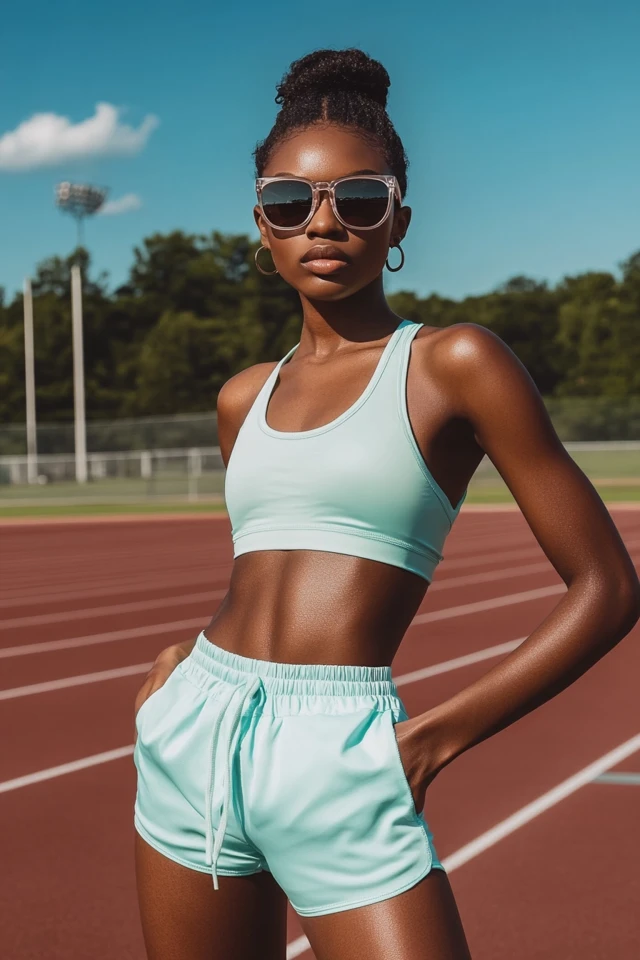
Keep it simple: shorts with a 4-6 inch inseam, a breathable tank or short-sleeve tee, and socks that don't hold moisture. Light colors reflect more sunlight than dark ones, so they usually feel cooler outdoors, though a dark top that wicks well beats a white one that soaks through.
Choose one layer less than you think you need. You can always tie a thin jacket around your waist after the workout, but you can't undo a sweat-soaked cotton tee in the middle of a run.
Which fabrics work best for hot workouts?
Look for moisture-wicking workout clothes for heat: synthetic knits made to pull sweat from the skin to the outer surface of the fabric, where it can evaporate. Texas A&M's Howdy Health notes that the layer closest to your skin should be moisture-wicking material that draws sweat away. That advice is written for cold weather, but the same logic applies in heat, where wet fabric clinging to you is the main discomfort.
Cotton is the usual culprit. Georgia Tech's News Center explains that cotton's moisture vapor transmission rate is lower than linen's, meaning it doesn't dry as quickly. A cotton tee is fine for a walk to the store. For a hard session, it will stay damp and heavy.
Mesh panels and perforations add airflow where you heat up most, such as the back of a tank or the sides of a short. Through the lens of evidence-based design, I'd pay attention to how the fabric feels when wet, not just dry: a slick, light knit stays comfortable on skin, while a thick one starts to cling.
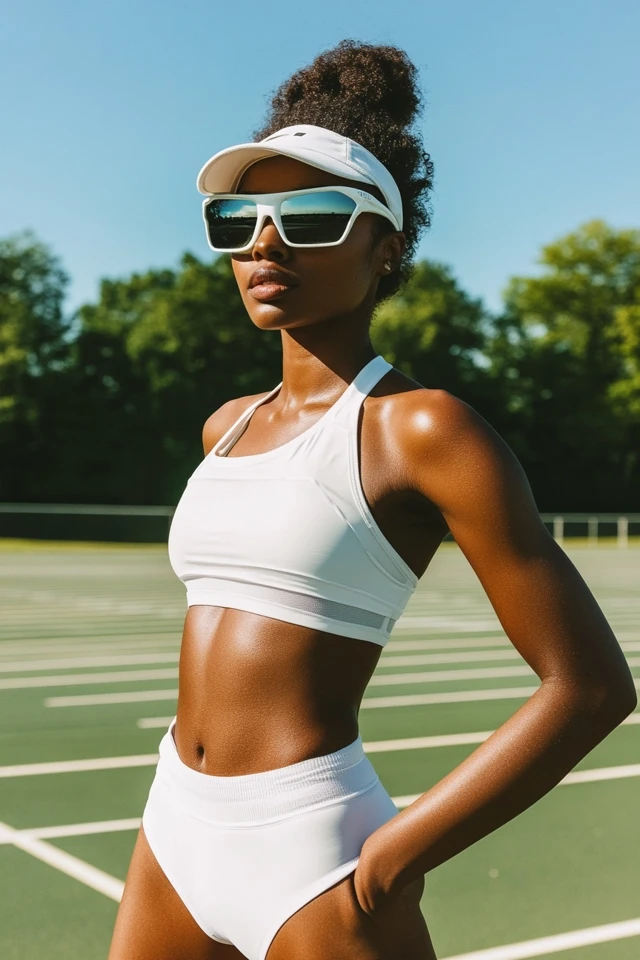
How long should athletic shorts be?
The right inseam depends on the activity and how much coverage you like.
- 2-3 inches: running and sprints, where you want maximum freedom. They also make legs look longer.
- 4-6 inches: the all-rounder for gym, walking, hiking and errands.
- 7 inches and up: more coverage, useful for cycling or strength training.
Check the waistband too. A high rise gives extra support and stays put during jumps, a mid rise suits most activities, and a drawstring lets you fine-tune the fit once you start sweating. If shorts ride up or pinch, that is a fit problem, not a you problem. Try another length before you give up on the style.
Built-in liners and compression
Many running shorts have a liner, which saves you from adding underwear that can hold moisture. Compression shorts or longer biker styles help if your thighs rub. For persistent chafing, a smooth-seamed or seamless pair is the first fix, and a pharmacist or doctor can advise on anything beyond that.
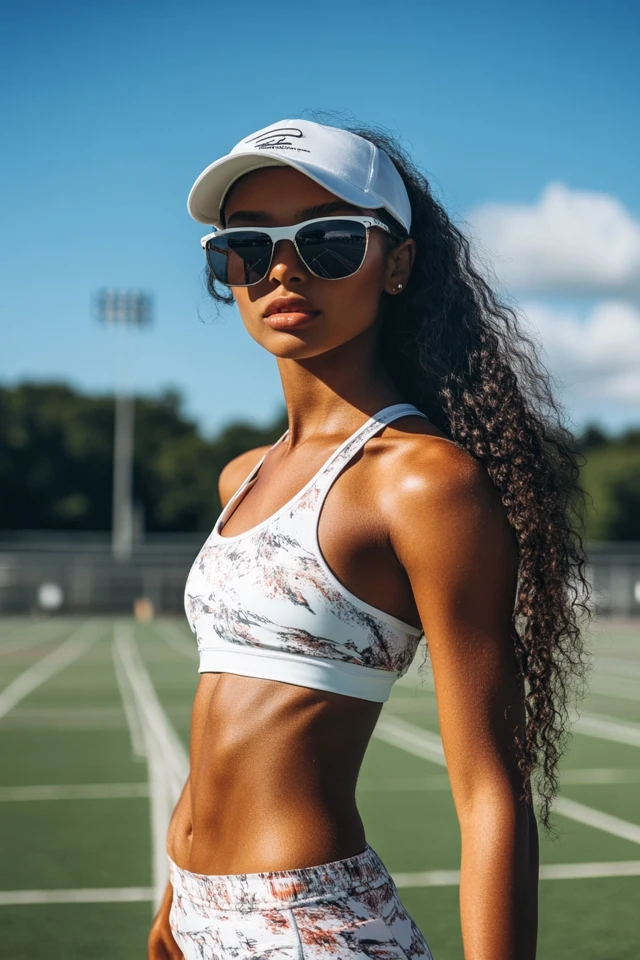
What are the best breathable tops for hot weather?
The best breathable shirts for hot weather are lightweight and slightly relaxed. A loose fit lets air move between fabric and skin, while a close fit wicks sweat faster because the fabric touches more of you. Pick loose for slow, long days outdoors and fitted for intense, short sessions.
A racerback tank gives your shoulders freedom and a light-colored tee gives a little sun cover. For longer outdoor sessions, a long-sleeve top with a UPF rating can be cooler than bare skin because it keeps the sun off while still venting.
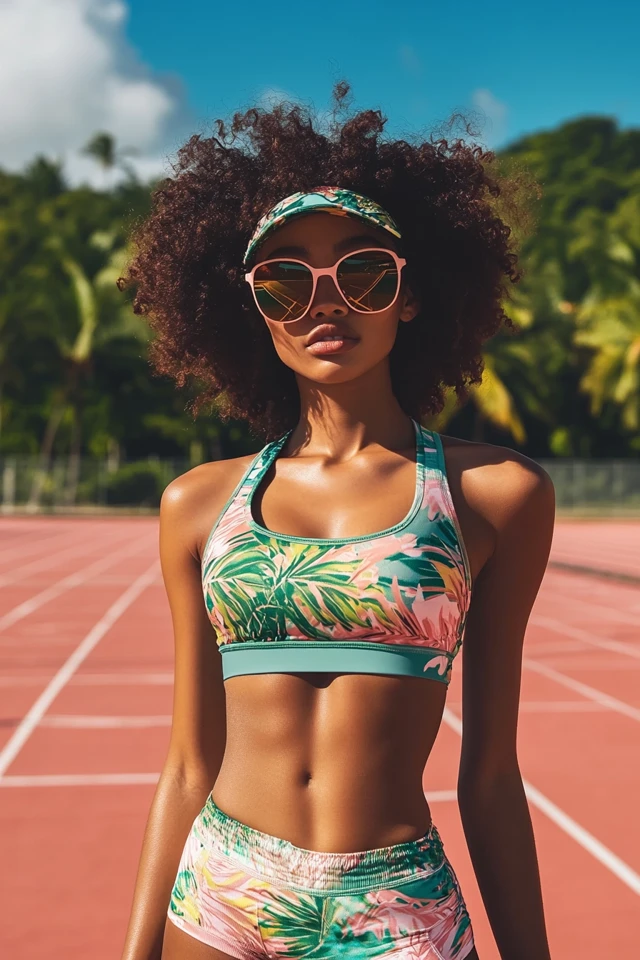
Protect your skin in the heat
Short shorts and tanks leave a lot of skin exposed. The Skin Cancer Foundation says a UPF of 30 to 49 offers very good protection, while UPF 50+ offers excellent protection. Clothing with a UPF label is an easy upgrade for runs and hikes.
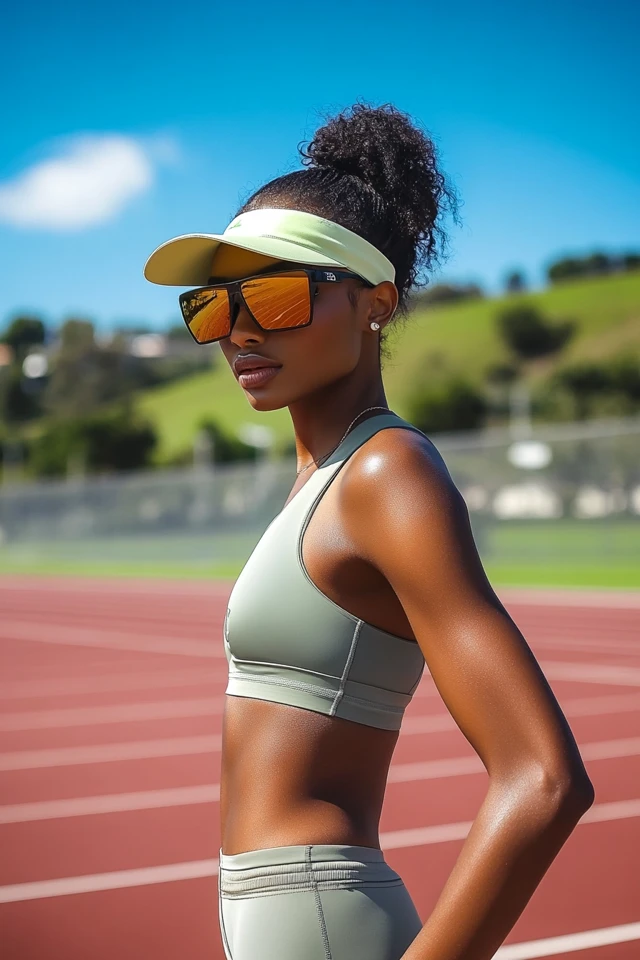
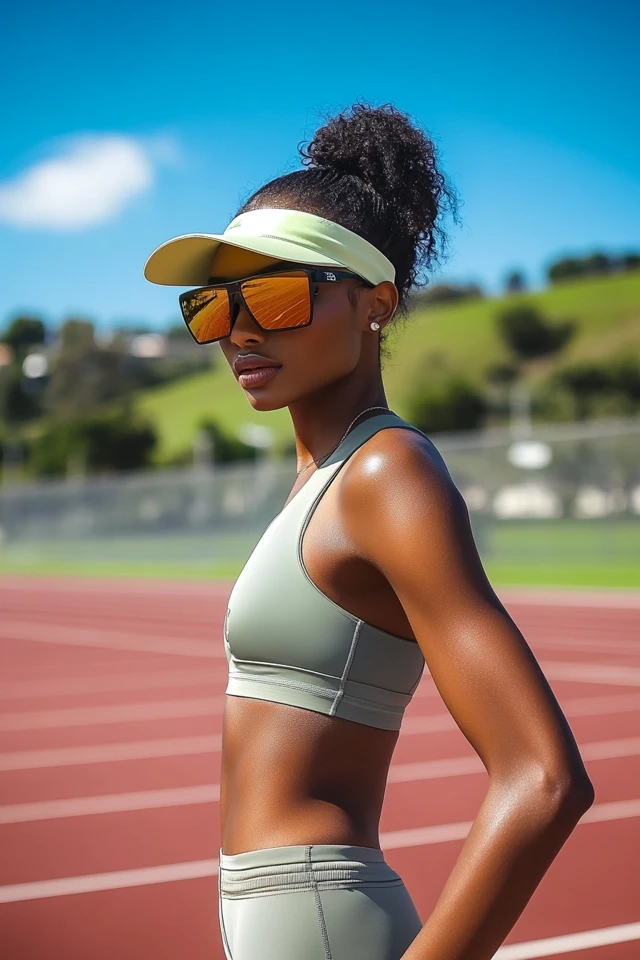
For your head, Anna L. Chien, MD, of Johns Hopkins University School of Medicine, says "A hat with a 3-inch brim protects the top of your scalp, ears and face." A lightweight cap or wide-brim running hat is worth packing. For specific skin concerns, check with a dermatologist.
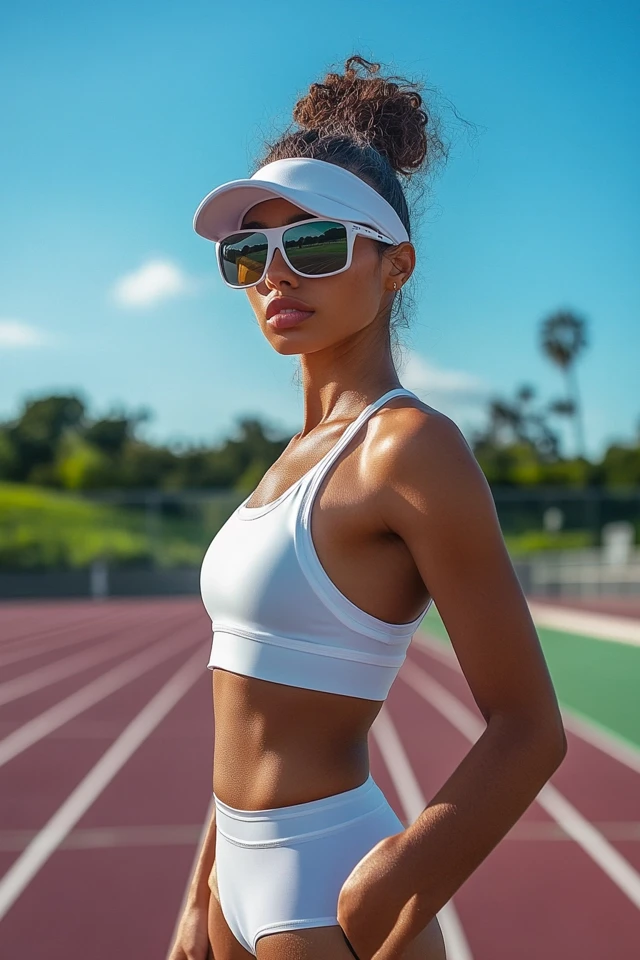
How to wear athletic shorts beyond the workout
Athletic shorts work for errands when the rest of the outfit looks intentional. Pair them with a tucked-in oversized tee, a cropped blouse or a fitted tank, then add white sneakers, slides or platform sandals.
As an architect trained in evidence-based design, I'd keep the palette narrow. Black, white, gray or one color head to toe reads as polished, because the eye isn't jumping between contrasts. If you want color, let the shorts carry it and keep the top quiet.
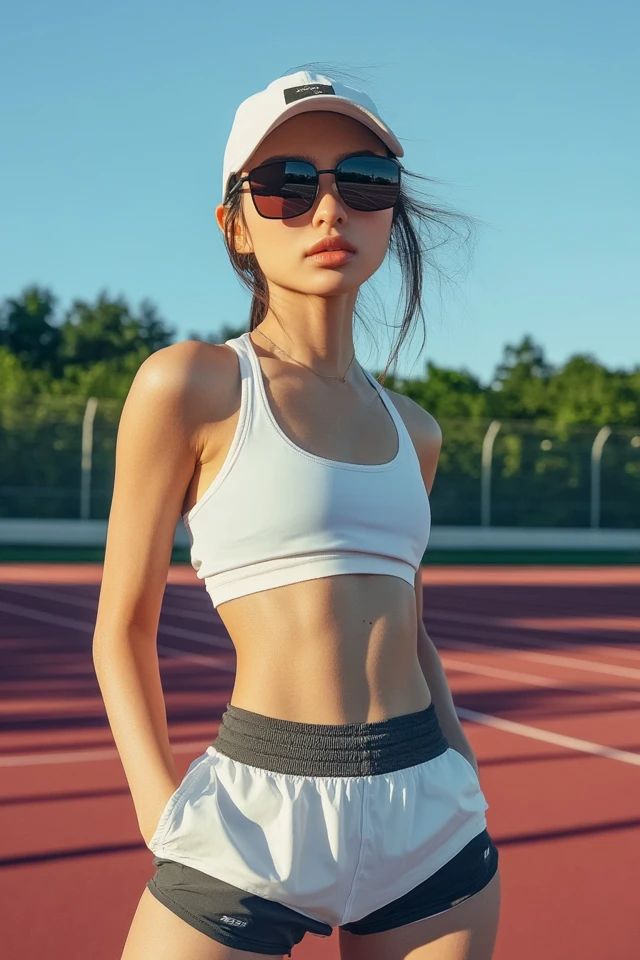
For cooler evenings, high-waisted shorts with a cropped sweatshirt balance proportions. For more outfit ideas, see Athletic Summer Must‑Haves and fashionable athletic wear for the gym and beyond. If you're choosing footwear, this sneaker guide covers comfort and support.
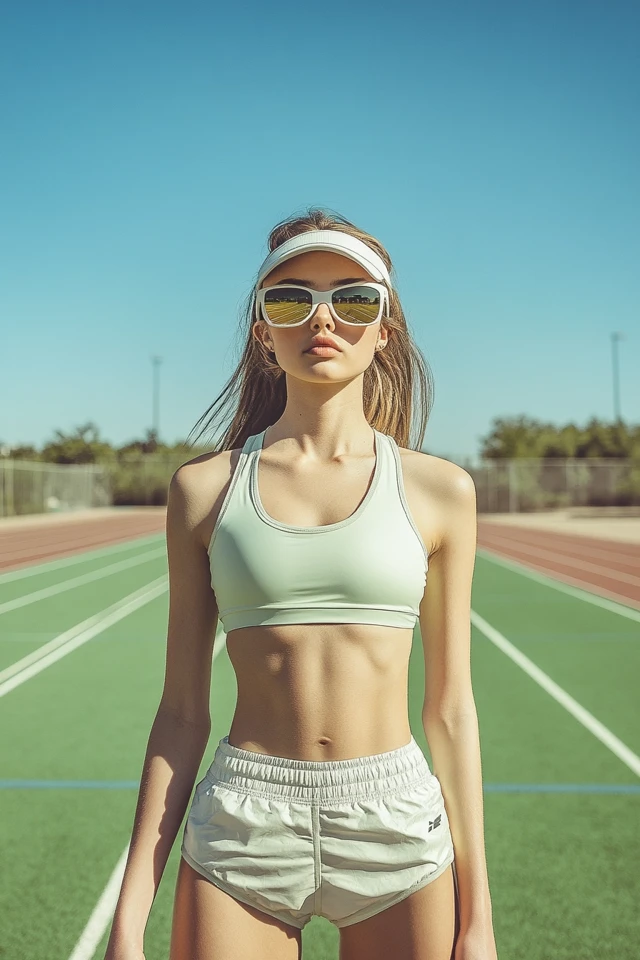
Care tips so shorts keep wicking
- Wash in cold water and skip fabric softener, which can coat fibers and reduce wicking.
- Air-dry when you can to protect the stretch.
- Rotate two or three pairs if you train most days.
- Replace shorts that have lost their stretch or hold odor after washing.
Frequently asked questions
What is the best clothing to wear in extreme heat?
Loose, lightweight, light-colored layers in breathable fabrics, plus a brimmed hat. For exercise, choose moisture-wicking synthetics and slow your pace, and check with a doctor if you have a heat-related health concern.
What is the coolest clothing to wear in hot weather?
Linen and lightweight, loosely woven fabrics feel coolest for everyday wear. For workouts, thin moisture-wicking knits and mesh panels do the job better.
What are the best gym clothes for people who overheat and sweat?
Short or mid-length shorts and a thin, wicking tank with mesh or perforated areas. Skip cotton and thick fabrics, which hold moisture and heat.
Are biker shorts the same as athletic shorts?
No. Biker shorts are fitted and longer, made for cycling or low-impact workouts. Traditional athletic shorts are looser and more versatile.
Filed under Weather Style