
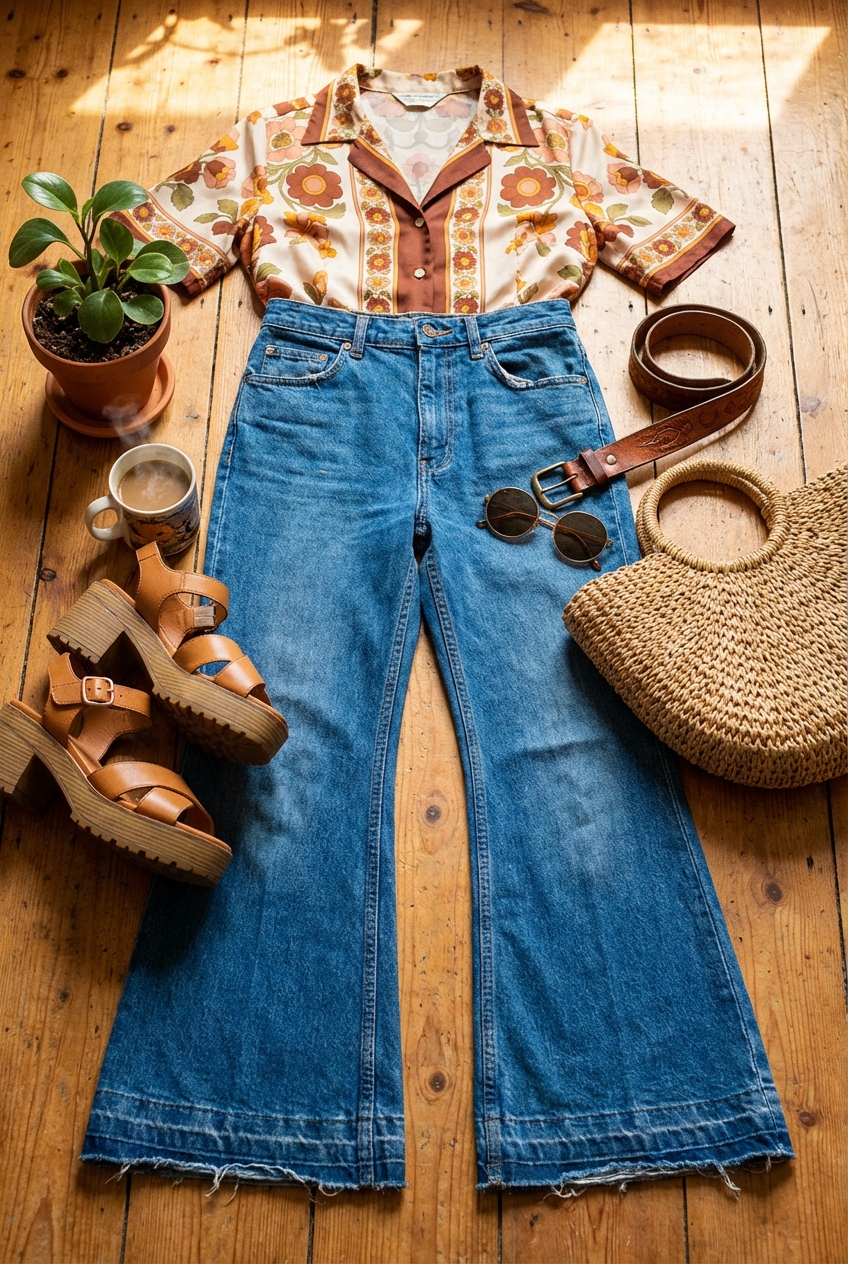
Bell Bottom Jeans The Ultimate Guide To Retro Glam And Modern Chic
There is a moment in every fashion cycle when a silhouette returns not just as a trend, but as a necessary correction to what came before. After years of skinny jeans restricting our circulation and straight-leg cuts dominating our Instagram feeds, the bell bottom has returned to reclaim its throne. As a stylist who has dressed clients for everything from casual brunches to high-profile industry events, I view the bell bottom not as a costume piece from the 1970s, but as the ultimate tool for architectural body sculpting.
The magic of this cut lies in its inherent drama and its ability to manipulate proportion. When fitted correctly, a high-waisted bell bottom visually lengthens the leg line more effectively than any other garment in your wardrobe. It creates an hourglass figure by balancing the width of the hips with the volume at the hem, a trick I use constantly to create a powerful, statuesque look for my clients.
However, executing this look requires precision, tailoring, and a deep understanding of scale. It is not as simple as pulling on a pair of vintage denim and hoping for the best. For those looking for visual inspiration on how to execute these specific styling combinations, I have curated a comprehensive Picture Gallery at the end of the blog post.
The Anatomy of the Flare: Bell Bottoms vs. Bootcut
Before investing in high-end denim, you must understand exactly what defines the silhouette. In the design world, we differentiate strictly between a bootcut, a flare, and a true bell bottom. A bootcut is subtle, widening just enough from the knee to accommodate a boot, usually about 17 to 20 inches in circumference at the hem.
A true bell bottom is an aggressive style statement. The jean should hug the thigh tightly and begin to break—or widen—either right at the knee or just above it. The hem circumference on a proper bell bottom typically starts at 22 inches and can go up to 26 inches or wider for extreme “elephant bell” styles.
I always advise clients to pay attention to the “break point.” If the flare starts too low on the calf, it can make the legs look shorter and the walk awkward. The expansion should feel organic to the leg’s movement, starting right at the knee hinge to create that long, fluid line we are aiming for.
Proportions and Rise: The Golden Ratio of Denim
In my years of styling, I have found that the rise of the jean is arguably more important than the width of the flare. For 90% of body types, a high rise is non-negotiable with bell bottoms. You want the waistband to hit at the smallest part of your waist, typically above the belly button, to maximize the vertical line.
I look for a rise measurement of at least 11 to 12 inches for standard torsos. If you are petite, a 10-inch rise might suffice, but the goal is to reduce the visual length of the torso and extend the legs. This creates the “legs for days” effect that bell bottoms are famous for.
Low-rise bell bottoms do exist, often referencing the early 2000s revival. However, from a high-fashion perspective, they are incredibly difficult to style elegantly. They tend to truncate the vertical line and often require a very specific, elongated torso to look balanced. Stick to high-rise for a timeless, chic aesthetic.
Designer’s Note: The Tailoring Trap
Here is the lesson I learned the hard way early in my career: you cannot wear the same pair of bell bottoms with flats and 4-inch heels. It is physically impossible if you want the look to be polished.
The Mistake:
Clients often try to find a “middle ground” hem length that works for both sneakers and wedges.
The Result:
The jeans end up dragging on the floor when wearing sneakers (ruining the fabric) and flooding awkwardly above the shoe when wearing heels (ruining the line).
The Fix:
You must commit. I advise my clients to buy the jeans with a specific shoe height in mind. Bring those exact shoes to the tailor. The hem should graze the floor or sit exactly 1/4 inch off the ground. If you can see the entire toe box or the heel of the shoe, the pants are too short. If the fabric buckles significantly at the ankle, they are too long.
Fabric Composition and Weight
The structural integrity of the bell shape depends entirely on the fabric weight. In luxury denim, we look for “rigid” or “low-stretch” compositions for this silhouette. If the fabric is too thin or has too much elastane (spandex), the bell won’t hold its shape; it will drape like a pajama pant.
I recommend looking for denim that is at least 98% cotton with a maximum of 2% polyurethane or elastane. This blend provides just enough give for comfort while sitting, but retains the stiffness required to push the flare out as you walk. Heavyweight denim (12 oz and up) is ideal.
For a true retro glam look, you might even explore 100% cotton rigid denim. Be warned that the break-in period is tough, but the way rigid denim molds to the hip and holds the architectural flare at the bottom is unmatched by softer fabrics.
Styling the Upper Body: Volume Control
Because bell bottoms add significant volume to the lower half of your body, the golden rule of styling is to keep the top half fitted or structured. We are balancing a triangle shape on the bottom, so we generally want to avoid an inverted triangle on top, which can make you look wide all over.
My go-to pairing is a fitted turtleneck, a bodysuit, or a crisp button-down shirt tucked in tightly. The tuck is essential. You must define the waist to anchor the volume of the pants. If you leave a shirt untucked over the hips, you lose the hourglass shape and create a rectangular block.
If you want to wear a layer, opt for a cropped jacket. A leather moto jacket or a cropped blazer that hits exactly at the waistband creates a stunning visual break. Avoid long tunics or oversized cardigans that fall below the hip, as they compete with the flare and drown the silhouette.
Shoe Selection: The Foundation of the Look
The shoe is the unsung hero of the bell bottom outfit. Because the hem is wide, a delicate stiletto often looks lost or unbalanced peaking out from underneath. You need a shoe with visual weight to ground the massive amount of fabric at your ankles.
Platform boots, block heels, and wedges are the best choices. The platform provides the height needed to keep the hem off the ground without putting your foot at an uncomfortable arch angle. A 70s-inspired wooden clog or a platform boot with a square toe offers the perfect resistance to the denim.
If you are tall and prefer flats, you must ensure the bell bottom is tailored specifically for flat shoes. In this case, a pointed-toe flat or a sleek loafer works best to extend the leg line just a bit further. Avoid round-toe sneakers unless you are going for a very specific, grunge-inspired aesthetic.
Common Mistakes + Fixes
Mistake: The “Flooding” Hem
Many people buy standard-length jeans that hit at the ankle bone.
The Fix:
Bell bottoms must be floor-length. If you are tall, you must buy “Long” or “Extra Long” inseams. If the jeans don’t cover your shoe, they look like they shrank in the wash.
Mistake: excessive Distressing
Ripped knees destroy the clean line of a bell bottom.
The Fix:
Opt for clean washes. A deep indigo, solid black, or crisp white looks expensive. Excessive holes and shredding distract from the silhouette and downgrade the elegance of the look.
Mistake: Wrong Undergarments
Tight bell bottoms through the thigh and seat are unforgiving with VPL (visible panty lines).
The Fix:
Seamless thongs or laser-cut briefs are mandatory. Because the denim hugs the hips before flaring, any texture from lace or thick seams will show through.
Finish & Styling Checklist: What I’d Do in a Real Project
When I am styling a client for a shoot or a wardrobe refresh, I run through this mental checklist to ensure the bell bottom look is cohesive and high-end.
1. Check the Break Point
- Does the flare start at the knee? If it starts at the calf, I send it back. The knee break is crucial for articulation.
2. The Sit Test
- Sit down in the jeans. Because high-rise bell bottoms can be rigid, ensure the waistband doesn’t cut into the ribcage so deeply that it’s painful. If it does, we size up and take in the waist.
3. Color Coordination
- Dark wash indigo is the most versatile and slimming.
- Light wash feels more casual and vintage/boho.
- White is incredibly chic but requires nude, seamless undergarments.
4. The Belt Check
- A belt is often the finishing touch that elevates the look. I usually add a medium-width leather belt with gold hardware to highlight the waist. Avoid skinny belts; they get lost against the scale of the pants.
FAQs
Can I wear bell bottoms if I am petite?
Absolutely. In fact, they are one of the best cuts for petite women because they elongate the legs. The secret is fit: ensure the knee break actually hits at your knee (you may need petite sizing, not just hemmed regular sizing) and wear them with your highest comfortable platforms.
Are bell bottoms office appropriate?
Yes, if the wash is dark and clean. A solid black or dark indigo bell bottom trouser jean looks very similar to a wide-leg trouser. Pair it with a silk blouse and a blazer for a “Creative Professional” look. Avoid light washes or raw hems in corporate settings.
What outerwear works best with bell bottoms in winter?
Coat length is tricky. A cropped coat is easiest. If you need a long coat for warmth, choose a structured trench or wool coat that hits mid-calf or lower. Avoid coats that stop right at the widest part of the thigh, as this creates an awkward stair-step effect with the flare.
Do bell bottoms work for curvy body types?
They are fantastic for curves. The flare at the bottom balances wide hips, creating symmetry. Look for brands that offer “curvy fit” lines, which have a smaller waist-to-hip ratio to prevent gaping at the waistband while accommodating the hips.
Conclusion
Embracing bell bottom jeans is about more than just following a trend; it is about understanding the power of silhouette. When styled with intention, they offer a level of sophistication and drama that skinny jeans simply cannot compete with. They demand attention, require precise tailoring, and ask you to stand a little taller—literally and figuratively.
Remember that fashion is about balance. If you let the pants be the star of the show and keep the rest of your outfit structured and proportional, you will achieve that effortless “off-duty model” vibe. Trust the process of finding the right rise and fabric weight, and do not compromise on the hem length.
Whether you lean into the retro glam with a silk scarf and platforms or keep it modern chic with a bodysuit and blazer, the bell bottom is a timeless ally in your wardrobe. Wear them with confidence, knowing you have mastered the geometry of style.
Picture Gallery


