
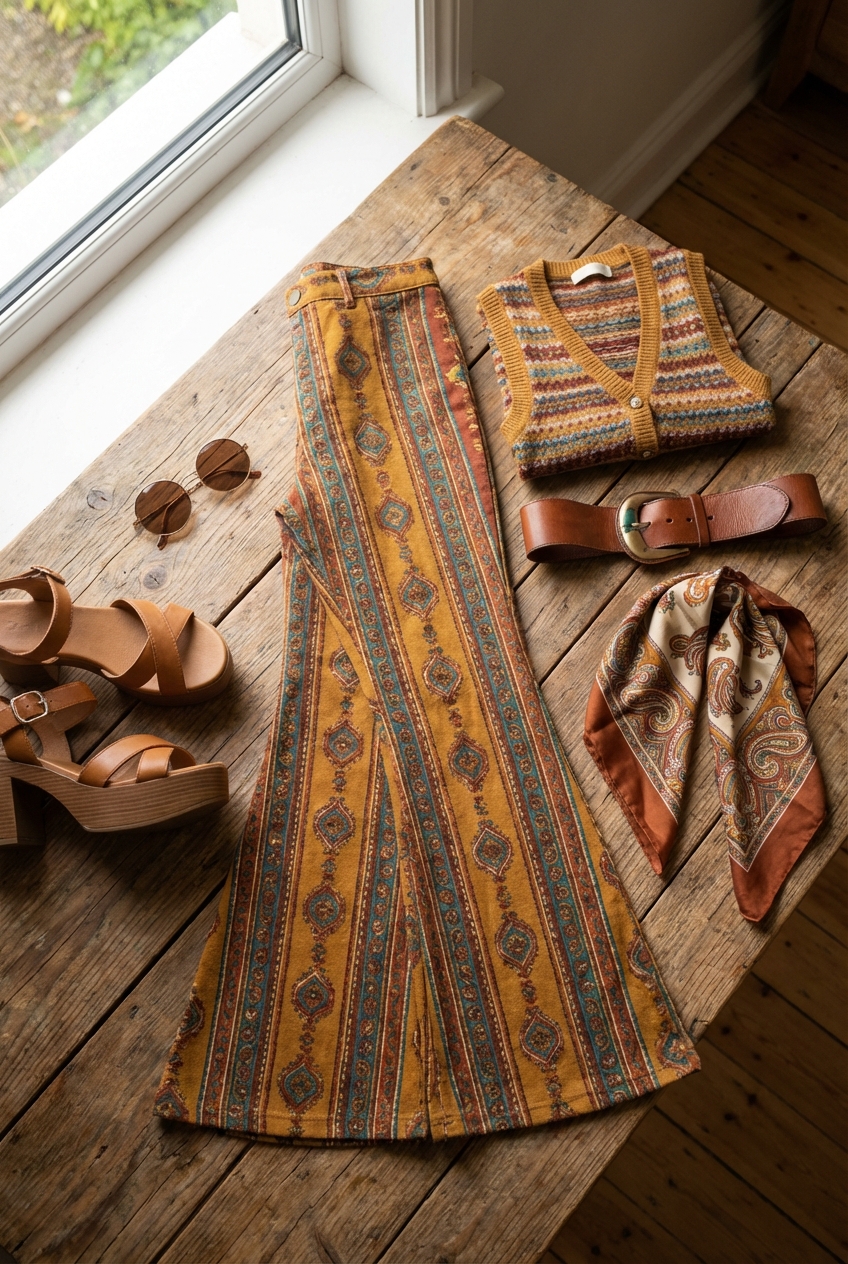
Bell Bottom Trousers For 70S Inspired Looks
The resurgence of 70s fashion is more than just a fleeting trend; it is a return to a silhouette that celebrates length, volume, and confident femininity. As a stylist, I have always gravitated toward the era because the clothes were designed to move with the body rather than restrict it. Bell bottom trousers are the anchor of this aesthetic, offering an architectural shape that instantly elongates the legs and cinches the waist.
However, mastering this look requires a keen eye for proportion and tailoring. It is not as simple as buying a pair of wide-leg pants and hoping for the best. To look elevated rather than like you are wearing a costume, you must pay attention to the break of the hem, the rise of the waist, and the weight of the fabric. I have spent years correcting hems and adjusting waistbands for clients to achieve that perfect, statuesque line.
In this guide, I will walk you through exactly how to style bell bottoms for a modern, high-end look that feels effortless. We will cover everything from the crucial shoe pairings to the specific fabrics that offer the most flattering drape. For a dose of visual inspiration to guide your shopping, you can find a curated Picture Gallery at the end of this blog post.
The Silhouette Science: Proportions and Fit
The magic of bell bottoms lies in the “fit and flare” architecture. Unlike a standard wide-leg trouser that falls straight from the hip, a true bell bottom must hug the thigh before expanding at the knee. This contrast is what creates the illusion of longer legs.
When fitting clients, I always start with the rise. For a 70s-inspired look, a high waist is non-negotiable. The waistband should hit at your natural waist, which is the smallest part of your torso, usually an inch or two above the belly button. This anchors the heavy volume of the hemline.
The “break point” is where many people get it wrong. The flare should begin exactly at the knee, not below it. If the flare starts too low, it can make your legs look shorter. If it starts too high, you lose the dramatic shape.
Designer’s Note: The Volume Balance
There is a golden rule in styling volume: if you have volume on the bottom, keep it fitted on top. With bell bottoms, you want to accentuate the waist to avoid looking like a rectangle. A fitted turtleneck, a bodysuit, or a blouse tucked in tightly are your best friends here. If you wear an oversized sweater over bell bottoms without a tuck, you will drown in fabric.
Fabric Matters: Weight, Drape, and Stretch
Not all fabrics are created equal when it comes to this silhouette. The fabric needs enough structure to hold the flared shape but enough weight to drape elegantly while you walk. Flimsy fabrics will flutter too much and lose the clean lines necessary for a high-end aesthetic.
For daytime looks, denim is the standard. Look for a denim composition with at least 98% cotton and 2% elastane. You need that small amount of stretch for comfort in the thigh area, but you want the cotton rigidity to keep the bell shape at the bottom. 100% rigid vintage denim is beautiful but can be very difficult to sit in if the fit is truly tight through the thigh.
For evening or office wear, look for wool crepe, heavy silk, or high-quality velvet. Wool crepe is exceptional because it resists wrinkling and hangs beautifully. Avoid thin jersey knits or polyester blends that cling to the knees; they tend to look inexpensive and fail to support the structure of the flare.
Common Mistakes + Fixes
- The Mistake: Buying corduroy pants with a thick wale (the width of the cord) that adds bulk to the thighs.
- The Fix: Opt for a “micro-cord” or “pinwale” corduroy. It gives you that rich 70s texture without adding visual weight to your legs.
- The Mistake: Satin fabrics that show every ripple and undergarment line.
- The Fix: If you want a sheen, choose a hammered silk or a lined velvet. Always wear seamless, laser-cut undergarments with bell bottoms.
The Shoe Equation: The Most Critical Step
I cannot stress this enough: you cannot wear the same pair of bell bottoms with flats one day and heels the next. The hemline determines the shoe, and the shoe determines the hemline. In high-end styling, the pant leg must barely skim the floor.
The ideal length for a bell bottom is 1/4 inch to 1/2 inch off the ground. We want to see the toe of the shoe, but the heel should be mostly covered. This creates an unbroken vertical line that makes your legs look miles long.
Platform boots and block heels are the historically accurate and most flattering choice. A stiletto heel can sometimes look unbalanced against a wide hem, and the pants can get caught under the thin heel. A chunky platform provides a solid foundation for the volume of the pant.
What I’d Do in a Real Project
If I am styling a client for a capsule wardrobe, I advise buying two pairs of bell bottoms. I will hem one pair specifically for a 3-inch block heel boot (for work and dinner). I will hem the second pair for a sneaker or flat sandal (for weekends). Never try to split the difference; a hem that is too short for heels looks like “high waters,” and a hem too long for flats will drag and ruin the fabric.
High-Low Styling: Tops and Layers
Once the fit and length are perfected, we move to the upper body. The goal is to highlight the waistline that the trousers have created. The 1970s aesthetic relied heavily on texture and layering, and we can mimic that without looking dated.
For a sophisticated office look, pair dark wash denim bell bottoms with a silk pussy-bow blouse. Tie the bow loosely for a nonchalant vibe. Throw a structured blazer over the shoulders. The blazer should be slightly longer, hitting below the hip, or cropped at the waist. Avoid blazers that hit right at the widest part of the hip, as this competes with the flare.
For a casual weekend look, a vintage-inspired ringer tee or a cropped knit sweater works perfectly. If you are wearing a longer top, utilize the “French Tuck” (tucking just the front) to reveal the waist button. This small detail restores your proportions instantly.
Outerwear can be tricky. A cropped leather motorcycle jacket is a classic pairing that emphasizes the waist. Alternatively, a long trench coat or a faux fur penny lane coat looks incredibly chic. The key is to avoid mid-length coats that cut you off at the knee, which ruins the line of the flare.
Modern vs. Costume: Avoiding the Cliché
There is a fine line between a 70s-inspired look and a Halloween costume. The difference usually lies in the color palette and the prints. To keep it luxury and modern, we want to whisper “70s,” not shout it.
Stick to a refined color palette. Think rich earth tones: terracotta, olive green, chocolate brown, mustard, and deep navy. Monochromatic looks (wearing the same color on top and bottom) are an excellent way to modernize the style. A cream sweater with cream wool bell bottoms is the epitome of “quiet luxury.”
Be very careful with prints. Psychedelic swirls and neon flowers can look cheap very quickly. Instead, opt for classic patterns like a subtle plaid, a houndstooth, or a vertical stripe. If you do choose a floral, make it a dark, moody floral rather than a bright, daisy print.
Designer’s Note: Hair and Makeup
To avoid looking like a costume, keep your beauty look modern. If you are wearing full 70s clothing, avoid the feathered Farrah Fawcett hair and blue eyeshadow. Opt for a sleek blowout, a low bun, or natural waves. Contrast the retro outfit with a fresh, glowing makeup look to keep the overall vibe current.
Accessorizing the Era
Accessories are the finishing touches that tie the narrative together. In the 70s, accessories were bold, natural, and often oversized. We can use these elements to elevate a simple outfit.
Belts are essential. A wide leather belt with a brass buckle helps define the waist, which is the focal point of this silhouette. If you are wearing high-waisted trousers, the belt acts as the visual separator between your torso and your legs.
For handbags, avoid structured, modern box bags. Instead, look for softer shapes. A suede hobo bag, a leather saddlebag, or a slouchy oversized clutch fits the mood perfectly. The materials should feel organic—leather, suede, raffia, or canvas.
Jewelry should lean toward gold. Layered gold chains, hoop earrings, and stacked bangles fit the aesthetic. Avoid delicate, minimalist silver jewelry; it often gets lost against the boldness of bell bottoms. You want pieces that have a bit of weight and presence.
Finish & Styling Checklist
Before you step out the door, run through this mental checklist. I use this exact process during final fittings to ensure the look is cohesive and polished.
- Check the Hem: Put on your shoes. Stand up straight. Is the hem 1/4 to 1/2 inch off the floor? If you can see your ankles, change the shoes or the pants.
- Waist Definition: Can you see your waist? If your top is untucked and covering the waistband, tuck it in or knot it.
- Undergarment Check: Bend over and move around. Bell bottoms are often tight in the seat. Ensure you have no visible panty lines (VPL).
- Proportion Audit: Look in a full-length mirror. Does your top half look smaller than your bottom half? If you feel top-heavy, switch to a tighter top.
- Texture Mix: Do you have at least two textures? (e.g., Denim + Silk, or Corduroy + Cotton). Mixing textures makes the outfit look expensive.
- The Sit Test: Sit down. High-waisted rigid pants can cut into the stomach. Ensure you can breathe and sit comfortably for the duration of your event.
FAQs
Can petite women wear bell bottoms?
Absolutely. In fact, bell bottoms are one of the best cuts for petite women because they elongate the legs. The key is the fit: high-waisted is mandatory, and the hem must almost touch the floor. Wear them with a hidden platform heel to add 3–4 inches of height without anyone knowing.
Are bell bottoms appropriate for a corporate office?
Yes, but the fabric is key. Avoid denim. Opt for a trouser cut in wool, crepe, or a heavy blend. Pair them with a crisp button-down shirt and a blazer. Ensure the flare is moderate—a “bootcut plus” rather than an extreme 26-inch flare is more professional.
How do I wash denim bell bottoms to keep the shape?
Wash them inside out in cold water to preserve the color. Never put them in the dryer if they have elastane (stretch). Heat destroys elastane, which leads to “saggy knees” and a loose waist. Hang them to dry or lay them flat.
What is the difference between flare jeans and bell bottoms?
It is largely a matter of degree. Flares generally have a more gradual widening from the knee down. Bell bottoms have a more aggressive, dramatic shape that bells out significantly at the hem. For a true 70s look, you want the drama of the bell bottom.
Conclusion
Embracing bell bottom trousers is about embracing confidence. This is not a style for shrinking violets; it is a look that takes up space and demands attention. By focusing on the architectural details—the tight thigh, the high waist, and the floor-grazing hem—you can channel the free-spirited energy of the 70s while maintaining the polish of a modern woman.
Remember that fashion should be fun, but fit is serious. Take the time to find the pair that respects your measurements and have them tailored if necessary. When the proportions are right, this silhouette is universally flattering and undeniably chic.
Whether you are styling them with a vintage tee for a coffee run or a silk blouse for a dinner date, bell bottoms offer a versatility that few other garments can match. Use these rules as your foundation, and then experiment to find the version of the 70s that feels most like you.
Picture Gallery


