
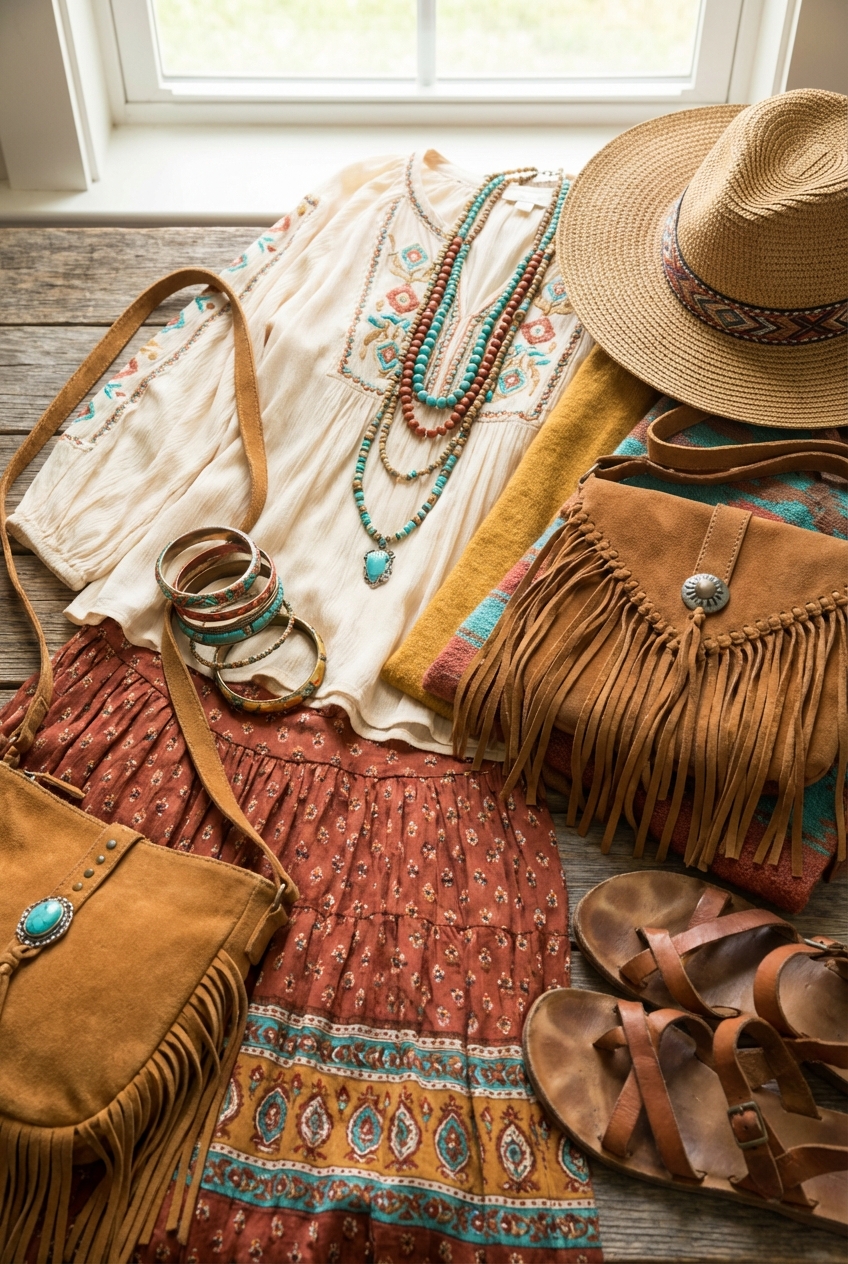
Bohemian Vibes Embracing Free Spirited Styles And Flowy Fabrics
Introduction
There is a moment in fashion when you trade a structured, tailored blazer for a vintage silk kimono or a hand-embroidered maxi dress. You immediately feel a shift in your posture and your mindset. The tension leaves your shoulders, and you move with a little more ease. That specific feeling of relaxed luxury and artistic expression is exactly what we aim to capture when designing a bohemian interior. It is about treating your home not as a showroom, but as a living, breathing canvas that reflects a well-traveled life.
As a fashion expert who transitioned into interior design, I treat a room exactly like a capsule wardrobe. In a boho space, we are looking for the interior equivalent of mixing a high-end designer bag with thrifted jewelry. It requires a delicate balance of flowy fabrics, distinct textures, and a disregard for rigid rules. However, achieving that “effortless” look actually requires quite a bit of effort and structural knowledge to ensure it does not veer into chaotic territory.
We are going to explore how to layer textiles, mix eras, and use color to create a sanctuary that feels both free-spirited and curated. We will look at practical layouts, fabric weights, and lighting schemes that flatter your space just as good lighting flatters your complexion. For a massive dose of visual inspiration, keep in mind that the Picture Gallery is at the end of the blog post.
The Foundation of Flow: Mastering Textiles and Drapery
The title of this style focuses on “flowy fabrics,” and this is where many DIY designers miss the mark. In high fashion, the drape of a garment determines its quality. The same applies to your window treatments and upholstery. To get that romantic, bohemian vibe, you cannot use stiff, synthetic polys. You need natural fibers that have movement.
When selecting curtains, I always opt for linen or heavy cotton velvet. The key is in the length. For a boho look, we want the fabric to “puddle” slightly on the floor. This mimics the train of a gown. I recommend measuring from the curtain rod to the floor and adding 2 to 4 inches to the total length. This creates a relaxed break at the floor level that softens the architecture of the room.
Designer’s Note: The Rod Placement Rule
One lesson I learned the hard way with a client’s project involved standard rod placement. Never hang your curtain rod directly on the window frame. Mount the rod at least 6 to 10 inches above the frame (or just below the ceiling molding) and extend it 10 to 12 inches wider than the window on each side. This tricks the eye into thinking the windows are massive and allows maximum light to enter when the curtains are open.
Layering Rugs for Depth
In fashion, we layer necklaces. In interiors, we layer rugs. This is a quintessential bohemian move that adds instant warmth and solves the problem of a rug that is slightly too small.
Start with a large, neutral base rug. Jute, sisal, or a flat-weave wool in a natural tone works best here. This rug should follow standard sizing rules: in a living room, at least the front legs of all furniture pieces should sit on the rug. If the rug floats in the middle of the room with no furniture touching it, it shrinks the space.
Once the base is down, layer a smaller, patterned vintage rug on top. This could be a Persian runner, a Turkish kilim, or a sheepskin. Place it at an angle or centered under a coffee table to create a focal point. This technique adds texture and hides wear and tear on expensive vintage pieces by placing them in lower-traffic zones atop the durable jute.
The Color Palette: Earthy Grounds and Jewel Tones
Bohemian style is often misunderstood as an explosion of every color in the rainbow. High-end boho is actually quite disciplined with its palette. Think of the 1970s Yves Saint Laurent collections—rich, earthy foundations with intentional pops of saturation.
The 60-30-10 Rule (Boho Edition)
- 60% Grounding Neutrals: This isn’t stark white. Think cream, warm beige, terracotta, or warm gray. This covers your walls, large sofa pieces, and flooring.
- 30% Earthy Mid-Tones: Olive green, mustard yellow, rust, or cognac leather. These usually appear in armchairs, curtains, and rugs.
- 10% Jewel Tone Accents: Deep teal, amethyst, ruby red, or metallic gold. These are your throw pillows, art, and accessories.
Wall Treatments and Paint
If you are renting, you might be stuck with white walls. That is perfectly fine, provided you warm them up with art and textiles. If you can paint, avoid “Builder’s White,” which has blue undertones. Opt for a creamy white like Swiss Coffee or a soft plaster pink.
For the bold, a dark accent wall in charcoal or forest green can make a room feel cozy and den-like. However, be mindful of the room’s size. Dark colors absorb light, so if you go dark, ensure you have ample lighting sources to keep the “vibes” moody rather than dreary.
Furniture Selection: Low, Vintage, and Tactile
The bohemian lifestyle emphasizes lounging and conversation. Therefore, the furniture should encourage relaxation. We want pieces that sit lower to the ground. A low-profile modular sofa or a set of floor cushions invites people to sit down and stay awhile.
Material selection is crucial here. We want a mix of hard and soft. If your sofa is a soft velvet, your coffee table should be wood or rattan. If your chairs are wicker, add sheepskin throws to soften the tactile experience.
What I’d Do in a Real Project:
- The Sofa: I would choose a deep-seated sofa (at least 40 inches deep) in a performance velvet or worn leather. Leather ages beautifully and fits the “traveler” aesthetic.
- Accent Chairs: This is the place for the iconic Peacock chair or a rattan egg chair. While they look amazing, they aren’t always comfortable. I always add a custom seat cushion and a lumbar pillow to make them functional.
- Coffee Tables: Look for carved wood or hammered metal. Avoid sharp glass corners; round or organic shapes flow better in a boho room.
Common Mistake: The “Matchy-Matchy” Set
The quickest way to kill a bohemian vibe is buying a matching bedroom or living room set. It looks like a catalog page, not a home.
The Fix: Break up the set. Keep the bed frame but swap the nightstands for vintage trunks or mismatching side tables. If you have a matching dining set, keep the table but swap the head chairs for upholstered wingbacks or wicker armchairs.
Lighting: Setting the Mood
Lighting is the jewelry of the room. In a fashion shoot, lighting defines the mood of the clothing. In your home, overhead lighting (the “big light”) is generally the enemy of relaxation. Bohemian spaces rely heavily on ambient and accent lighting.
You need to operate on three levels:
- High: Pendants or chandeliers. Look for woven baskets, macrame shades, or capiz shells. These add texture even when the light is off.
- Medium: Floor lamps and table lamps. These should be at eye level when you are seated.
- Low: Candles and lanterns on the floor or low tables.
Technical Tip: Kelvin Temperature
Pay attention to the light bulbs you buy. You want “Soft White” or “Warm White” bulbs, typically between 2700K and 3000K. Anything above 3000K will look blue and clinical, like a hospital waiting room, which completely destroys the warm, cozy aesthetic we are building.
Bringing the Outdoors In: Biophilic Design
No bohemian space is complete without plant life. Plants add a sculptural element and a vibrancy that no piece of furniture can replicate. However, scale is often an issue. A single tiny succulent on a large windowsill looks sad.
Styling with Plants:
- The Statement Tree: Every room needs one tall plant to draw the eye up. A Ficus Audrey, Bird of Paradise, or a large Monstera works well. Ensure the pot size is proportional; a 6-foot tree needs a pot that is at least 14-16 inches in diameter.
- The Trailing Plant: Place Pothos or Philodendrons on high shelves or in macrame hangers. Let the vines grow long and wild to mimic that “overgrown garden” feel.
- The Potting Mix: Don’t leave plants in their plastic nursery pots. Repot them into terracotta, glazed ceramic, or place them inside woven belly baskets. Note: If using baskets, always keep a plastic saucer inside to catch water and protect your floors.
Constraint: Pets and Plants
If you have cats or dogs, realize that many tropical plants (like Lilies and Sago Palms) are toxic. I often use high-quality faux plants for floor-level greenery in pet households and keep real, non-toxic plants (like Spider Plants or Calatheas) on high shelves out of reach.
Curating the Clutter: Accessories and Art
There is a fine line between “bohemian eclectic” and “messy hoarder.” The difference is curation. In fashion, we edit our accessories before leaving the house. You must do the same with your decor.
The Gallery Wall
A gallery wall is a staple of boho design. It allows you to display art, personal photos, and objects.
- Spacing: Keep 2 to 3 inches between frames. If they are too far apart, they look like floating islands. If they are too close, it looks cluttered.
- Variety: Mix framed prints with 3D objects like a woven wall hanging, a decorative mask, or a vintage mirror. This adds depth.
- Layout: Lay your arrangement out on the floor first. Take a picture of it, then transfer it to the wall.
Bookshelf Styling
When styling shelves, use the “Z” formation. Your eye should bounce from an object on the top left, to the middle right, to the bottom left. Mix vertical stacks of books with horizontal stacks. Place small objects on top of the horizontal stacks to act as bookends. Leave some negative space; you do not need to fill every inch of the shelf.
Finish & Styling Checklist
Before you call a room complete, run through this checklist. It mirrors the final check I do before photographing a project.
- The Sit Test: Sit in every seat in the room. is there a place to set a drink within arm’s reach? If not, add a garden stool or side table.
- Rug Check: Is the rug anchored by furniture? If it’s slipping, add a grip pad underneath.
- Curtain Flow: Do the curtains touch the floor or puddle slightly? If they hover 2 inches above the floor, the rod needs to be lowered, or you need longer panels.
- Lighting Layering: Turn off the main overhead light. Is the room bright enough to read in using only lamps? If not, add one more floor lamp.
- Texture Balance: Do you have at least three different textures (e.g., wood, velvet, metal)? If everything is soft, add something hard. If everything is wood, add a throw blanket.
- Scent: The final accessory is scent. Sandalwood, patchouli, or amber candles seal the bohemian deal.
FAQs
How do I do boho style without it looking cheap or like a dorm room?
The distinction lies in materials and framing. Avoid tapestries tacked directly to the wall; instead, mount textiles on a wooden dowel or frame them. Avoid bean bag chairs; opt for structured poufs or leather ottomans. Invest in one or two high-quality vintage pieces rather than buying all your decor from budget big-box stores.
Can I mix bohemian style with modern furniture?
Absolutely. This is often called “Boho Modern” or “Scandi Boho.” Keep your large furniture pieces (sofa, dining table) sleek and modern with clean lines. Use your accessories—rugs, pillows, throws, and plants—to introduce the bohemian chaos and texture. This creates a cleaner, more airy interpretation of the style.
Is this style difficult to clean?
It requires more maintenance than a minimalist room. Textured rugs trap dust, and open shelving requires regular dusting. I recommend a vacuum with strong suction for the rugs and using a lint roller on velvet furniture. If you have severe allergies, minimize the dried flowers and heavy drapery, opting for washable linen instead.
What if I have a small budget?
Bohemian style is the most budget-friendly aesthetic because it celebrates the old and imperfect. Thrift stores, estate sales, and flea markets are your best friends. Look for solid wood furniture that can be sanded and refinished. Buy second-hand frames and print your own art. The mix-and-match nature means you don’t need to buy everything at once.
Conclusion
Creating a bohemian home is a journey, much like cultivating a personal fashion sense. It is not about buying a “look” straight off a showroom floor. It is about gathering pieces that speak to you—a rug from a trip abroad, a chair found at a flea market, a piece of art that makes you smile—and weaving them together with soft fabrics and warm light.
Remember the rules of scale and lighting we discussed. Treat your windows with the same care you would treat a formal gown, letting the fabric pool and flow. Layer your rugs like you layer your jewelry. But most importantly, let the space evolve. A true bohemian home is never really “finished.” It grows and changes as you do, always remaining free-spirited, comfortable, and undeniably you.
Picture Gallery


