
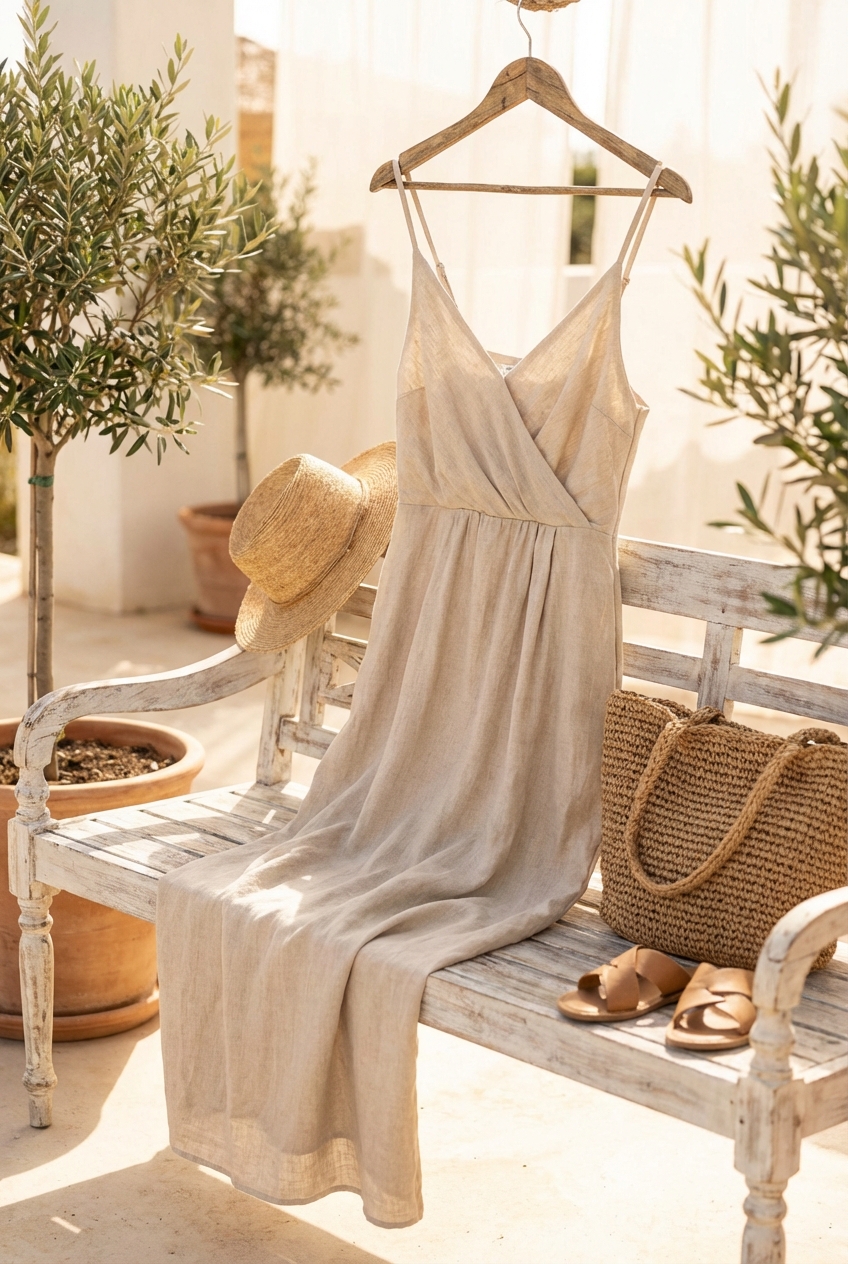
Breezy Linen Dresses For Hot Summer Days
There is a specific moment in mid-July when the humidity breaks pass eighty percent and even your favorite cotton t-shirt feels too heavy against your skin. This is usually when my clients call me in a panic, looking for something that looks polished enough for a dinner reservation but feels like wearing nothing at all. The answer is always linen, but not just any linen; the cut, weight, and weave matter immensely.
I have spent years sourcing fabrics for high-end wardrobes, and I have learned that linen is less of a trend and more of a summer survival tool. It has a unique ability to wick moisture away from the body while allowing airflow that synthetic fabrics simply cannot match. However, styling it requires a shift in perspective, embracing a certain level of “lived-in” elegance rather than striving for rigid perfection.
In this guide, I will break down exactly how to select, style, and care for linen dresses so you look effortless rather than disheveled. If you are looking for visual inspiration on silhouettes and color palettes, make sure to check out the Picture Gallery at the end of the blog post.
Understanding Linen Quality and Weight
Not all linen is created equal, and understanding the grade of the fabric is the first step to building a lasting wardrobe. Low-quality linen often uses shorter fibers, which leads to pilling and that scratchy, burlap-sack feeling that scares many women away. High-end linen uses long-staple flax, primarily sourced from Europe, which feels smooth to the touch and actually gets softer with every wash.
When shopping, you need to assess the weight of the fabric, often measured in grams per square meter (GSM). For a summer dress, you generally want a medium-weight linen between 150 and 170 GSM. Anything under 140 GSM will likely be too sheer and require a slip, defeating the purpose of a breezy outfit. Anything over 200 GSM is better suited for upholstery or autumn jackets.
Designer’s Note: The “Crunch” Test
Whenever I am shopping for a client in person, I perform the crunch test. Grab a handful of the fabric and squeeze it tight for five seconds, then let go. High-quality linen will wrinkle, but the wrinkles should look soft and rolling, not sharp and brittle. If the fabric holds a hard, jagged crease immediately, the fibers are likely dry or treated with cheap sizing agents.
The Silhouette Guide: Fit and Airflow
The primary function of a summer linen dress is to facilitate convective cooling. This means the silhouette must allow air to circulate between the fabric and your skin. I often see women buying linen dresses that are too fitted at the waist or underarms, which traps heat and moisture, leading to sweat stains.
For maximum comfort, look for “ease” in the pattern. In garment construction terms, ease is the difference between your body measurements and the garment measurements. For a summer linen dress, you want at least two to three inches of positive ease at the hips and bust. A shift dress, an A-line midi, or a wrap dress with a relaxed bodice are your best options.
What I’d do in a real project:
- Armholes: I ensure the armhole is cut slightly lower than a standard tailored shirt. It should not dig into the armpit.
- Necklines: I prioritize V-necks or square necks to expose the décolletage, which helps regulate body temperature.
- Hemlines: For the most versatile look, I aim for a “tea length” or midi length. This hits about mid-calf. It is long enough to protect your legs from the sun when sitting but short enough not to drag on dirty streets.
Navigating Transparency and Linings
One of the biggest complaints I hear regarding white or pastel linen is transparency. It is the nature of the weave to be slightly open, which allows for breathability but can compromise modesty. Many mass-market brands solve this by adding a polyester lining. Do not buy these dresses. A polyester lining inside a linen dress creates a plastic bag effect, trapping all the heat and rendering the linen useless.
If a dress must be lined, the lining should be 100% cotton voile or lightweight silk. However, unlined is usually best for high heat. To manage transparency without a heavy lining, you need to pay attention to your undergarments.
Common Mistakes + Fixes
- Mistake: Wearing white underwear under white linen. This actually highlights the undergarment because it creates a contrast against your skin tone (unless your skin is stark white).
- Fix: Wear undergarments that match your skin tone exactly. A nude slip or high-waisted briefs in your specific shade will disappear completely under white linen.
- Mistake: Buying a dress that is too tight in the seat. When linen stretches across the hips, the weave opens up and becomes more transparent.
- Fix: Size up. Linen has no natural stretch. A looser fit keeps the weave tight and opaque.
Embracing the Wrinkle (The Texture Factor)
We need to have an honest conversation about wrinkles. If you are a person who needs to look crisp and pressed from 8:00 AM to 8:00 PM, linen might struggle to meet your expectations. However, in the high-end fashion world, we view linen wrinkles as a sign of luxury. It implies a life of leisure and natural materials rather than synthetic, wrinkle-free polyester.
The goal is to manage the wrinkles, not eliminate them. A dress that is completely creased across the lap looks messy, but soft undulations in the skirt look romantic. To mitigate severe creasing, look for linen blends. A blend of 55% linen and 45% cotton or rayon will drape heavier and resist sharp creases better than 100% linen, while keeping most of the cooling properties.
Visual Balance Rules:
- If your dress is voluminous and wrinkled, keep your hair sleek and your accessories structured.
- Pair a loose linen dress with a structured leather sandal or a architectural cuff bracelet.
- The juxtaposition of the messy fabric and the sharp accessories makes the look intentional.
Color Palettes and Dye Fastness
Linen fibers are like hollow tubes, which means they absorb dye beautifully and result in deep, saturated colors. However, they can also release that dye easily if not treated correctly. For summer, I steer clients toward earth tones—terracotta, olive, oatmeal, and sage. These colors tend to look more expensive in linen textures than bright neons.
Black linen is incredibly chic and hides sweat marks perfectly, making it a great option for evening events or city wear. However, black linen can fade along the seams and hems over time, creating a whitish patina. To prevent this, wash black linen inside out in cold water and never dry it in direct sunlight.
Styling for specific environments:
- Coastal/Beach: Stick to whites, stripes, and pale blues. These reflect the sun and hide sand dust.
- City/Urban: Opt for charcoal, navy, or chocolate brown. Urban grime shows up instantly on white linen hems. Darker colors look sharper for lunch meetings.
- Garden Party: Prints are your friend here. A floral print on linen disguises wrinkles incredibly well, making it perfect for events where you will be sitting and standing frequently.
Footwear and Accessories
The wrong shoe can ruin the vibe of a linen dress. Because the fabric is natural and grounded, your footwear should reflect that. Avoid patent leather or sky-high stilettos, which feel too artificial and aggressive against the softness of the flax.
For daytime, I recommend leather slides, espadrilles, or a simple leather gladiator sandal. The texture of leather complements the weave of the linen. If you are petite, a wedge espadrille is the perfect way to add height without breaking the “natural” aesthetic.
The Jewelry Edit:
- Gold vs. Silver: Warm-toned linen (oatmeal, cream, rust) looks stunning with gold jewelry. Cool-toned linen (navy, black, white) works beautifully with silver or mixed metals.
- Scale: Linen has a rough texture, so it can handle chunky jewelry. A large wooden bangle, a hammered gold cuff, or a long pendant necklace adds necessary weight to the outfit.
- Bags: Woven bags are the natural partner for linen. Whether it is a raffia tote or a structured wicker bag, the repetition of woven textures ties the look together.
Finish & Styling Checklist
Before you head out the door or make a purchase, run through this final checklist to ensure your look is cohesive and practical.
- Check the opacity: Stand in front of a window with light behind you. Can you see the outline of your legs? If yes, add a skin-tone slip.
- The Sit Test: Sit down in the dress for 60 seconds. When you stand up, does the skirt fall back into place, or is it caught on your hips? If it catches, it is too small.
- Fabric Blend: Check the tag. Is it 100% linen, or is there a synthetic hidden in there? Avoid polyester blends over 10%.
- Hardware inspection: Check buttons and zippers. Heavy metal zippers can weigh down lightweight linen and cause sagging. Shell or light plastic buttons are preferred.
- Hemline clearance: If it is a maxi dress, ensure the hem is at least one inch off the ground to prevent fraying and staining.
FAQs
Does linen shrink in the wash?
Yes, linen can shrink significantly, sometimes up to 10% on the first wash if washed in hot water. Always wash in cold water and air dry. If you are between sizes, buying the larger size is a safer bet to account for potential shrinkage.
Is linen appropriate for formal weddings?
Absolutely, but the cut is key. A shapeless sack dress is too casual. Look for a linen dress with structure—perhaps a fitted bodice, a belted waist, or interesting sleeve details. darker colors like navy or emerald green also read more formal than beige.
How do I stop linen from feeling itchy?
Itchiness usually means lower quality, short-fiber linen. However, you can soften it. Soaking the dress in a water and white vinegar solution before washing can help relax the fibers. Ultimately, washing and wearing it is the best cure; good linen beats softer with age.
Can I wear linen in the office?
Yes, provided the dress adheres to your office’s modesty standards. A linen shirt-dress with a collar and belt is a classic workwear staple. Pair it with a blazer and loafers to professionalize the look.
Conclusion
Investing in a high-quality linen dress is one of the smartest fashion decisions you can make for the summer months. It is one of the few garments that offers functional relief from the heat while maintaining an air of sophistication.
Remember that the beauty of linen lies in its imperfection. It is meant to move, breathe, and crease with you. By focusing on the right weight, a generous fit, and natural accessories, you can curate a summer wardrobe that feels as good as it looks.
Picture Gallery


