
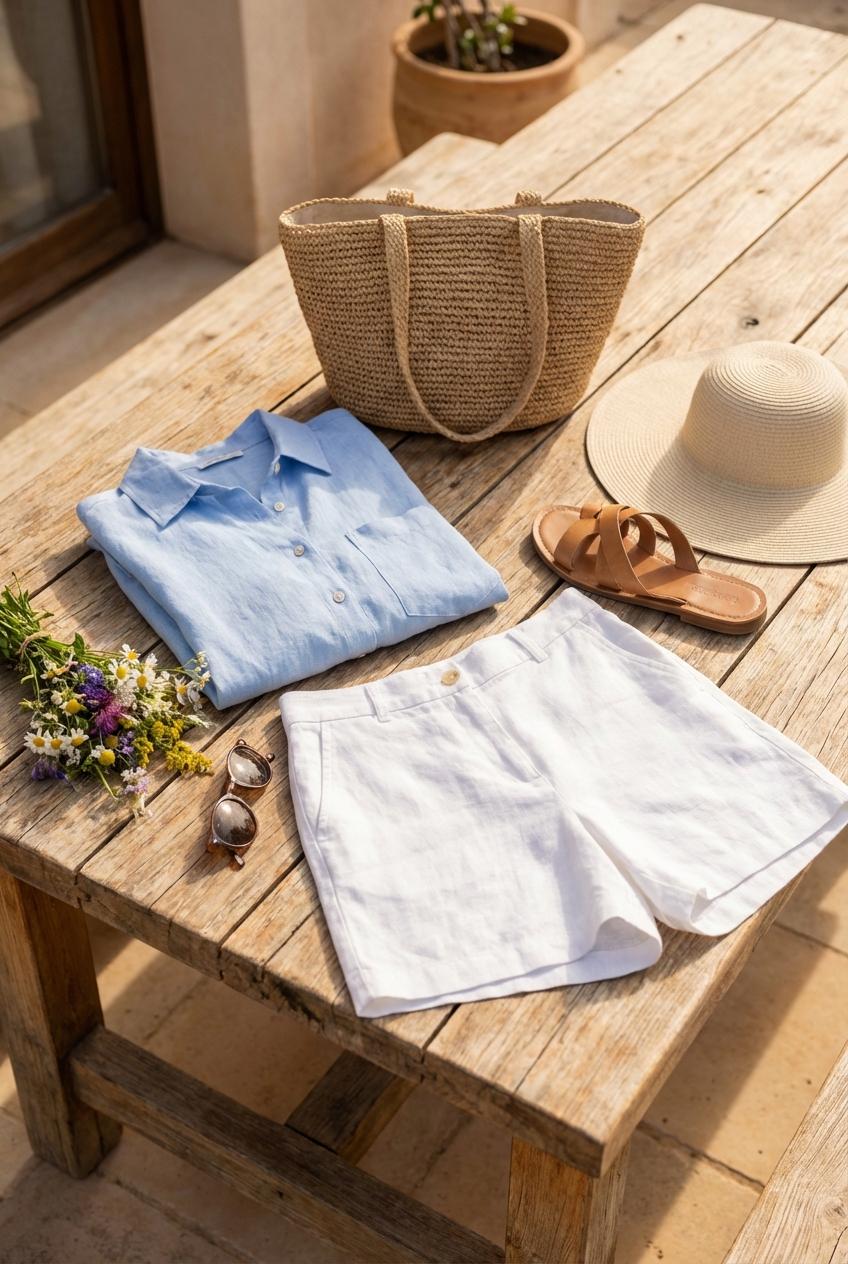
Breezy Linen Shirts For Summer Comfort
Introduction
There is a distinct memory I have from a buying trip to Florence in mid-July, where the heat radiates off the stone streets with suffocating intensity. I had packed mostly silk blouses and structured cotton poplin, thinking I needed to look polished for showroom appointments, but within an hour of stepping outside, I was uncomfortable and overheating. It wasn’t until I swapped into a crisp, oversized white linen shirt that I truly understood why this fabric has been a Mediterranean staple for centuries.
Linen is not just a fabric choice; it is a lifestyle signal that communicates effortless elegance and a prioritization of comfort without sacrificing style. Whether you are navigating a humid city commute or lounging on a coastal patio, the right linen shirt acts as a personal cooling system while offering a drape that feels architectural yet relaxed. It is the one item in my wardrobe that I purchase in multiples every season, knowing that its cost-per-wear value is unmatched during the warmer months.
If you are looking for visual inspiration on how to style these pieces, make sure to scroll down because I have curated a beautiful Picture Gallery at the end of the blog post.
The Science of Linen: Why It Beats Cotton
To choose the right shirt, you must first understand why linen performs differently than cotton. Linen fibers are hollow, which allows air and moisture to circulate freely, creating a natural cooling effect against the skin. Unlike cotton, which can absorb moisture and hold it against your body, linen wicks it away and dries exceptionally fast.
This high conductivity of heat means the fabric actually draws warmth away from your body. When I am sourcing fabrics for clients, I always look for European Flax certification. This ensures the fibers were grown in the ideal climates of Belgium, France, or the Netherlands, resulting in a stronger and smoother textile that pills less over time.
You should also pay attention to the weight of the fabric, often measured in grams per square meter (GSM). For a summer shirt that is durable but breathable, aim for a medium weight around 150 GSM. Anything lighter might be too sheer for the office, while anything heavier will start to feel like upholstery fabric.
Stylist’s Note: The “Scrunch” Test
When shopping in person, squeeze a handful of the fabric tightly and release it. High-quality linen will wrinkle, but the wrinkles should look soft and rolling, not sharp and brittle like paper. If the creases look hard or the fabric feels scratchy, it likely has short fibers that will remain rough even after washing.
Finding the Perfect Silhouette
The cut of your linen shirt dictates how versatile it will be in your wardrobe. The most popular silhouette right now is the “boyfriend” fit, which features dropped shoulders and a longer hemline. This cut is ideal for a relaxed, fashion-forward look that plays with volume and proportion.
However, for a more professional setting, you need a semi-tailored fit. This does not mean tight; it means the shoulder seams actually sit at the edge of your shoulder bone, and the body of the shirt skims your torso without billowing. This structure allows you to layer a blazer on top without uncomfortable bunching.
Length is another crucial measurement to check before buying. If you plan to wear the shirt untucked over leggings or slim trousers, ensure the rear hem covers your seat completely. If you plan to tuck it into high-waisted trousers, a shorter hem is preferable so you don’t have excess bulk around your midsection.
Analyzing Quality: Details That Matter
In high-end fashion, the luxury is always in the details that most people overlook. When inspecting a linen shirt, look closely at the stitching density. High-quality garments will have more stitches per inch, which prevents the seams from puckering or pulling apart after a few wash cycles.
Check the buttons as well. Mother-of-pearl buttons are the gold standard for luxury linen shirts because they add a subtle, natural iridescence that plastic buttons cannot replicate. They are also heavier, which helps the placket hang straight rather than bowing open.
Finally, examine the back yoke of the shirt. A split yoke (where the fabric on the upper back is cut in two pieces at an angle) allows for greater range of motion and a better fit across the shoulders. While cheaper manufacturing often skips this, it is a hallmark of a shirt made to last.
Common Mistakes + Fixes
Mistake: Buying a linen shirt that is too tight in the arms or bust.
Fix: Linen has absolutely no stretch. Always size up if you are between sizes. A loose linen shirt looks intentional and chic; a tight one looks ill-fitting and risks tearing at the seams.
Styling for the Office: Polished and Professional
Many women avoid linen for work because they fear the wrinkles will look sloppy. The secret to wearing linen in a corporate environment is contrast. Pair the natural texture of linen with fabrics that have a smooth, hard finish, such as wool trousers or a heavy silk skirt.
Stick to darker colors for the office if you are worried about creasing. Navy, charcoal, and black linen hide wrinkles much better than white or beige. If you do wear light colors, ensure you wear a nude-colored camisole underneath, as office lighting can render even medium-weight linen surprisingly sheer.
Structure is your friend here. Button the shirt all the way to the collar for a sharp, modern look, and tuck it fully into a belted waistband. This contains the volume of the fabric and creates a deliberate, commanded silhouette.
What I’d Do in a Real Project
If I were styling a client for a summer business trip, I would pack a navy linen button-down. I would pair it with cream wide-leg trousers and a leather belt. The dark top anchors the look, while the breathable fabric keeps her cool during transit.
Weekend Wear: The Art of the Tuck
On the weekends, your linen shirt becomes the ultimate layering piece. The “French tuck” is the go-to styling trick for a reason. By tucking just the front panel into your denim shorts or jeans and leaving the back loose, you define your waist while maintaining coverage and ease in the back.
For a resort-ready look, unbutton the bottom three buttons and tie the two front tails in a knot at your natural waist. This pairs beautifully with high-waisted midi skirts or over a slip dress. It creates an hourglass shape without feeling restrictive.
Don’t be afraid to wear it open as a light jacket. Over a ribbed tank top or a swimsuit, an open linen shirt provides sun protection for your shoulders without trapping heat. Roll the sleeves up past the elbows to keep the proportions balanced.
Choosing the Right Colors for Longevity
White is the classic choice, reflecting the sun and offering maximum versatility. However, white linen can yellow over time if exposed to sweat and harsh deodorants. To build a lasting wardrobe, consider adding natural flax or oatmeal shades.
These unbleached colors are not only trendy but also hide minor stains and wear better than stark white. They pair effortlessly with denim, olive green, and terracotta tones, making them ideal for a capsule wardrobe.
Bright colors like azure blue or coral are fantastic for vacations, but be aware that linen takes dye differently than cotton. The color will often have a slightly faded, matte appearance which adds to its charm. Wash these separately for the first few cycles to prevent color transfer.
Care Instructions: extending the Life of Your Linen
Linen is actually one of the few fabrics that gets better with age, softening with every wash. However, it requires specific care to maintain its structural integrity. Always wash linen on a cool or lukewarm cycle with a gentle detergent.
Never use bleach on linen, even white linen. Bleach damages the fibers and can actually cause them to yellow or become brittle. Instead, use oxygen-based brighteners if you need to lift stains or restore brightness.
The dryer is linen’s enemy. High heat can cause significant shrinkage and set in hard wrinkles that are impossible to steam out. Air drying is the best method. Hang the shirt on a padded hanger while it is still damp and smooth out the placket and collar with your hands.
Designer’s Note: The Ironing Debate
I rarely iron linen to a crisp finish unless it is for a tuxedo shirt. The beauty of linen is its “slub” and texture. I prefer to use a handheld steamer. It relaxes the deep creases but leaves the natural, soft ripple of the fabric intact. It looks more modern and less stiff.
Layering Transitions: Spring to Fall
Linen is often pigeonholed as a strictly summer fabric, but a high-quality linen shirt is a three-season hero. In the spring, layer it under a trench coat or a chunky cotton cardigan. The texture of the linen adds interest to an otherwise simple outfit.
As you transition into early fall, wear your linen shirt under a crewneck cashmere sweater, letting the collar and cuffs poke out. This gives you the preppy, layered look without the bulk and heat of a cotton oxford shirt.
You can also layer a fitted turtleneck underneath an oversized linen shirt. Leave the shirt unbuttoned halfway to show off the layer underneath. This plays with depths and textures, making your summer purchase useful well into October.
Accessorizing Your Linen Look
The accessories you choose can drastically change the vibe of a linen shirt. Because the fabric has a rustic, natural feel, organic jewelry materials look stunning against it. Think baroque pearls, hammered gold, or wooden bangles.
Avoid heavy, chunky plastic jewelry, which can look cheap against the elegance of natural flax. For bags, woven leather, raffia totes, and canvas crossbodies are the natural companions to a linen ensemble.
Footwear follows the same logic. Heavy leather boots or patent leather pumps often feel too harsh. Opt for suede loafers, leather slides, or espadrilles. The texture of suede complements the matte finish of linen perfectly.
Sustainable Fashion Choices
Investing in linen is a sustainable choice. The flax plant requires very little water compared to cotton and grows well in poor soil conditions without the need for heavy pesticides.
When you buy a high-quality linen shirt, you are buying a biodegradable garment. If you eventually wear it out after years of use, 100% linen will break down naturally, unlike polyester blends that contribute to microplastic pollution.
Look for brands that are transparent about their supply chain. “Oeko-Tex Standard 100” certification is a good label to look for, as it guarantees the fabric has been tested for harmful substances and is safe for human health.
Understanding Price Points
You will see linen shirts ranging from $30 to $300. The difference is usually in the fiber length and the finishing process. Cheaper linen often uses “tow” linen—shorter fibers that result in a rougher, itchier fabric that pills easily.
Expensive linen uses “line” linen—long, smooth fibers that are spun into a consistent yarn. These shirts feel cool and smooth to the touch immediately, without needing a “break-in” period of ten washes.
Additionally, higher price points often reflect pre-washing processes like enzyme washes that soften the fabric and stabilize the size, so the shirt doesn’t shrink three inches the first time you wash it.
Finish & Styling Checklist
Before you head out or finalize your online order, run through this quick checklist to ensure you are making a smart investment.
Fabric Weight: Is it opaque enough for your needs? Hold your hand behind the fabric; if you can see your skin tone clearly, it will require a camisole.
Shoulder Fit: For tailored shirts, the seam hits the bone. For oversized shirts, the seam drops significantly. Avoid the awkward middle ground.
Buttons: Are they securely attached? Do they look like quality shell or cheap plastic?
Length: Does it stay tucked in when you raise your arms? Or is it long enough to cover your hips if wearing leggings?
Wrinkle Test: Crush the fabric. Does it bounce back slightly or hold a hard, paper-like crease? You want the former.
Care Label: Does it demand dry clean only? If so, consider if that fits your lifestyle. Machine washable is best for summer wear.
FAQs
Will my linen shirt shrink in the wash?
Yes, linen is prone to shrinkage, especially if it hasn’t been pre-washed by the manufacturer. You can expect up to 5-10% shrinkage on the first wash if you use warm water. To minimize this, always wash in cold water and air dry. If you are between sizes, this is another reason to size up.
How do I stop my linen shirt from feeling itchy?
Itchiness usually indicates lower-quality, short-fiber linen. However, you can soften it over time. Adding a cup of white distilled vinegar to the rinse cycle of your washing machine can help relax the fibers and strip away chemical residues that might be causing the stiffness. Tumble drying on “air fluff” (no heat) with wool dryer balls can also mechanically soften the fabric.
Can I wear a linen shirt to a formal evening event?
Absolutely, provided the cut and styling are appropriate. A black or dark navy linen shirt looks incredibly chic paired with a silk maxi skirt and statement earrings. The key is ensuring the shirt is freshly steamed and pristine. Pair it with strappy heels and a clutch to elevate the natural fabric into evening territory.
Why does my linen shirt gap at the bust?
This is a common fit issue with woven fabrics that have no stretch. It usually means the shirt is too small in the bust measurement, even if it fits in the waist. The best solution is to size up to fit your bust comfortably and then have a tailor take in the waist or shoulders if necessary. Alternatively, you can use double-sided fashion tape between the buttons for a temporary fix.
Conclusion
Building a wardrobe that handles the summer heat with grace is all about selecting the right materials. A linen shirt is more than just a basic staple; it is a tool for staying composed and comfortable when the temperature rises. It bridges the gap between the relaxed vibe of a t-shirt and the polish of a blouse.
By paying attention to fiber quality, fit mechanics, and proper care, you can find a piece that will serve you for years, softening and improving with every season. Whether you style it for the boardroom with a pencil skirt or for the beach with denim cut-offs, the linen shirt remains the undisputed champion of summer style.
Take the time to find the cut that flatters your frame, and don’t be afraid to embrace the natural wrinkles—they are part of the fabric’s effortless charm.
Picture Gallery


