Best Beanies for Winter: Warmest Materials and Fits
- Words by
- Julio Arco
- Published
- Reading
- 4 min
The warmest winter beanie is a snug wool or wool-blend knit with a fold-over brim that covers your ears, and a fleece lined beanie is the pick for wind and real cold. A cable knit is a good place to start, because the raised braids add thickness and a texture that looks finished with a coat.
Below: which materials and fits hold heat best, how to choose for your head and your wardrobe, and how to keep the beanie in shape.
Are beanies good for winter?
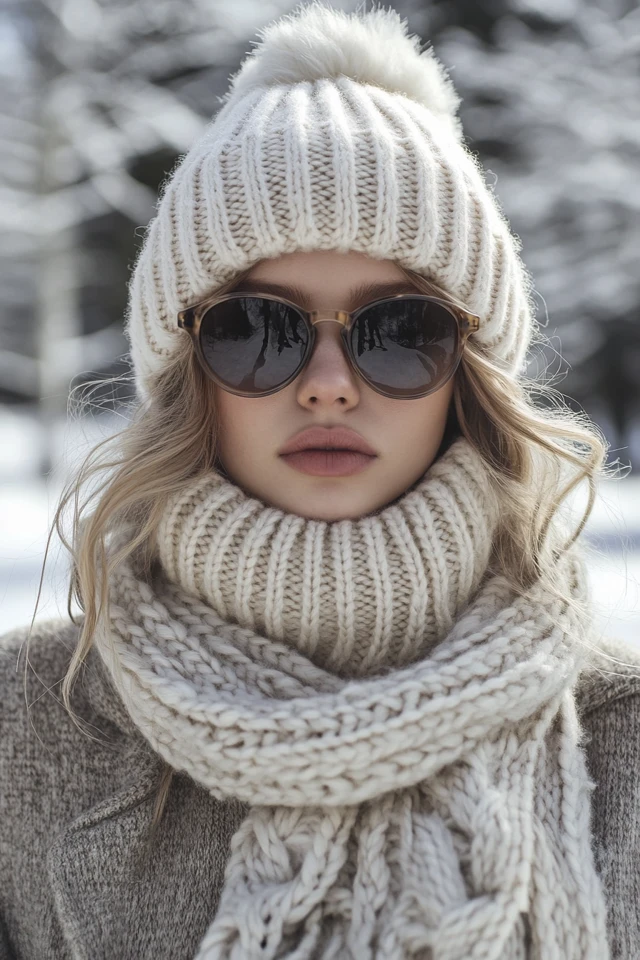
Yes. A beanie covers your crown and ears, the parts that feel the wind first, and a knit traps a layer of air against your head. A thin beanie helps on a mild day. In freezing wind, thickness and ear coverage matter more than the look of the knit.
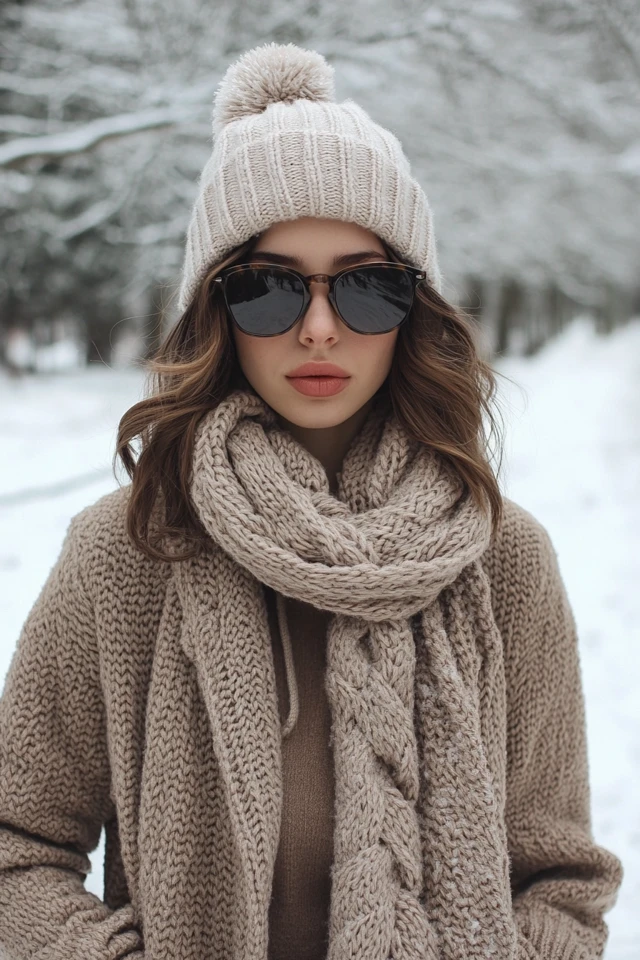
Cable knit is thicker than plain jersey or rib because the twisted columns of yarn sit on top of the base fabric. That gives you more material over your ears without adding a separate lining.
What kind of beanie is warmest?
Look at three things: fiber, thickness and lining.
- Wool and merino blends are warm, breathable and handle damp air better than most fibers. Some people find coarse wool itchy on the forehead, so a soft merino blend or a lined band helps.
- Cashmere is very soft and warm but more delicate and usually pricier.
- Acrylic is budget-friendly, light and comes in many colors. It is warm enough for city days but traps less heat per layer than wool.
A fleece lined beanie adds a smooth layer that blocks wind through the open stitches of a chunky knit. If you shop for thermal beanie hats, check that the lining covers the ears and not just the band.

Which beanie fit is best for winter?
Snug with a fold-over brim
This is the warmest option. The doubled brim puts two layers over your ears, and the close fit keeps it from lifting in wind. It should sit just above your eyebrows and feel firm without leaving a mark.
Slouchy
A slouchy beanie suits casual outfits and mild days. It leaves a pocket of loose fabric at the back, which is less warm in strong wind but more comfortable indoors.
If you wear glasses
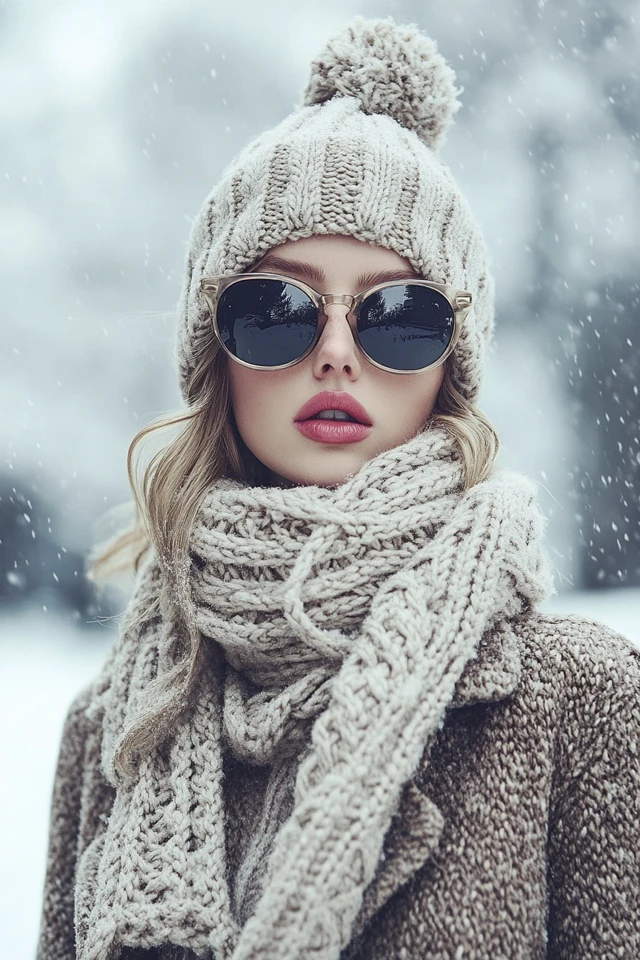
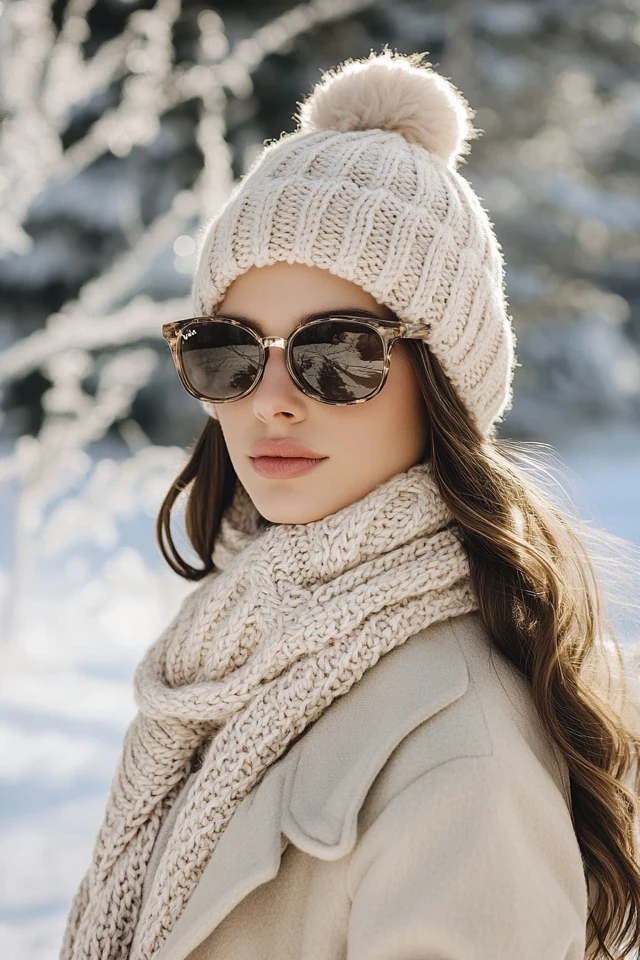
Pick a thinner knit or a lower brim so the fabric does not push the temples of your frames. Comfort over the ear matters if you wear it for hours.
Wool, fleece or something else?
For exercise in the cold, think in layers. Howdy Health at Texas A&M advises that the layer closest to your skin should be moisture-wicking material that draws sweat away, and to avoid cotton because it absorbs moisture and can keep it next to your skin, making you cold. The same logic applies to a beanie for hiking or a brisk run: choose wool, a wool blend or a synthetic, and skip a plain cotton knit.
For standing around outside, a thick wool-blend cable knit with a fleece band is usually the better compromise.
Winter beanies for men and women
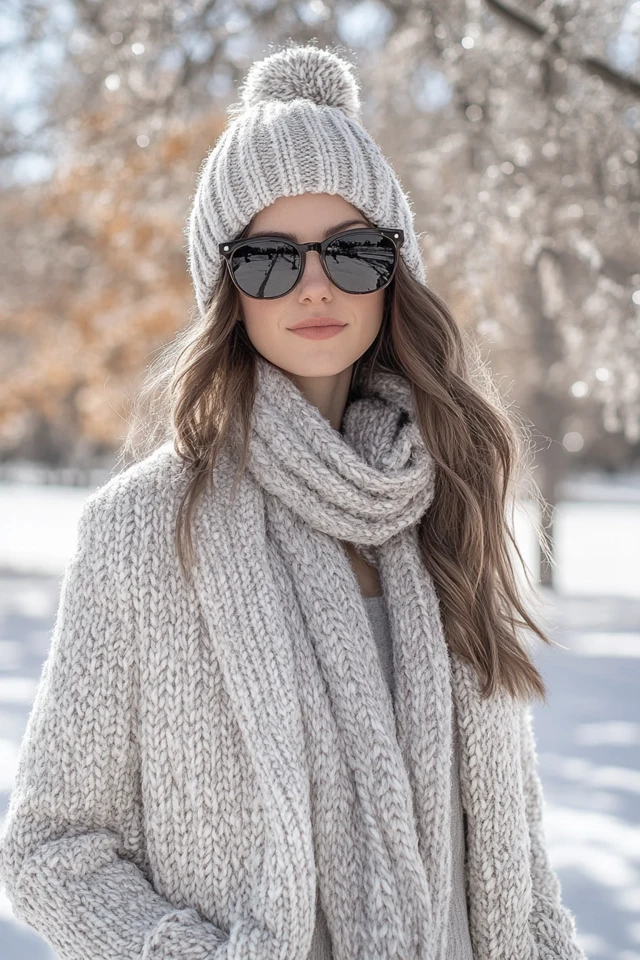
Most beanies are sized unisex, so winter beanies for men and beanies for winter women's collections overlap more than the labels suggest. Choose by head size and hair volume. If you have thick or long hair, a stretchier knit or a slouchy cut fits more comfortably. A fold-over brim works on nearly everyone.
How to choose a color
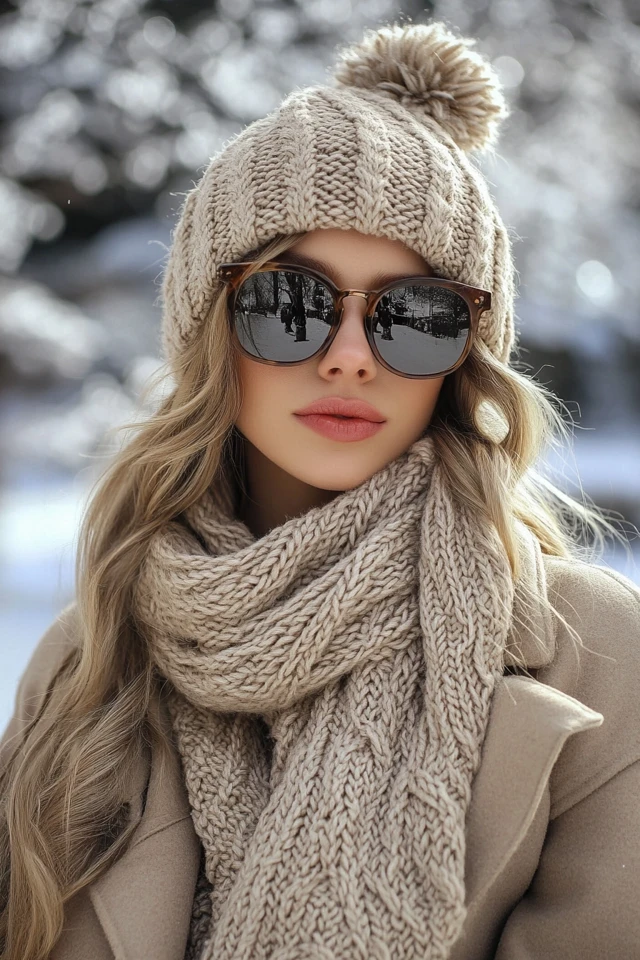
Through the lens of evidence-based design, I'd look at texture before color. Cable knit throws small shadows across the braids, so even a plain cream or gray reads as richer than a flat knit in the same shade.
- Neutrals such as cream, gray, black and taupe go with most coats.
- Earthy shades like olive, rust and mustard add color without clashing with denim or wool.
- A bright red or orange is easy to spot in snow, which helps on hikes.
How to style a cable knit beanie
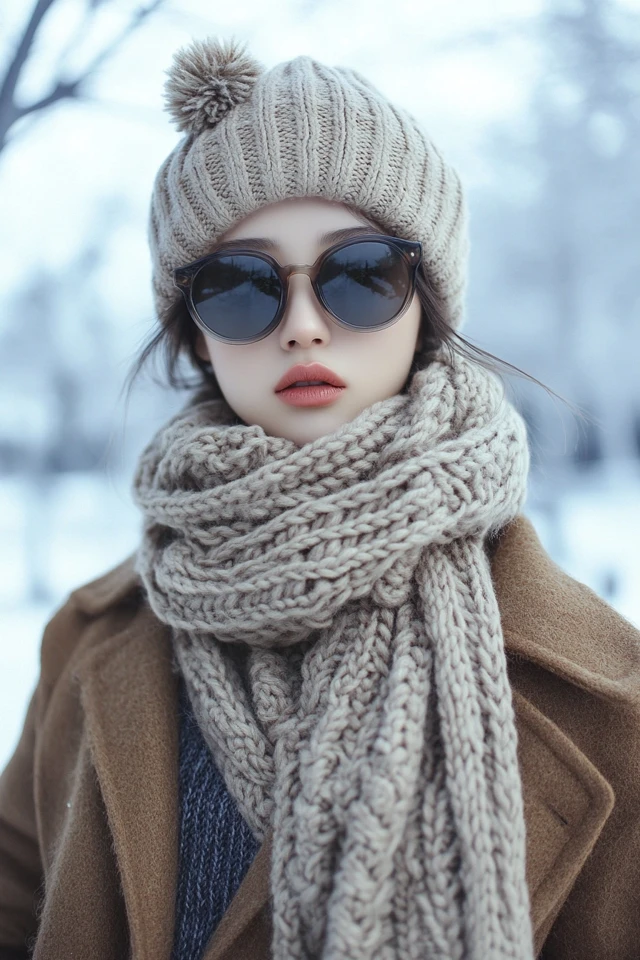
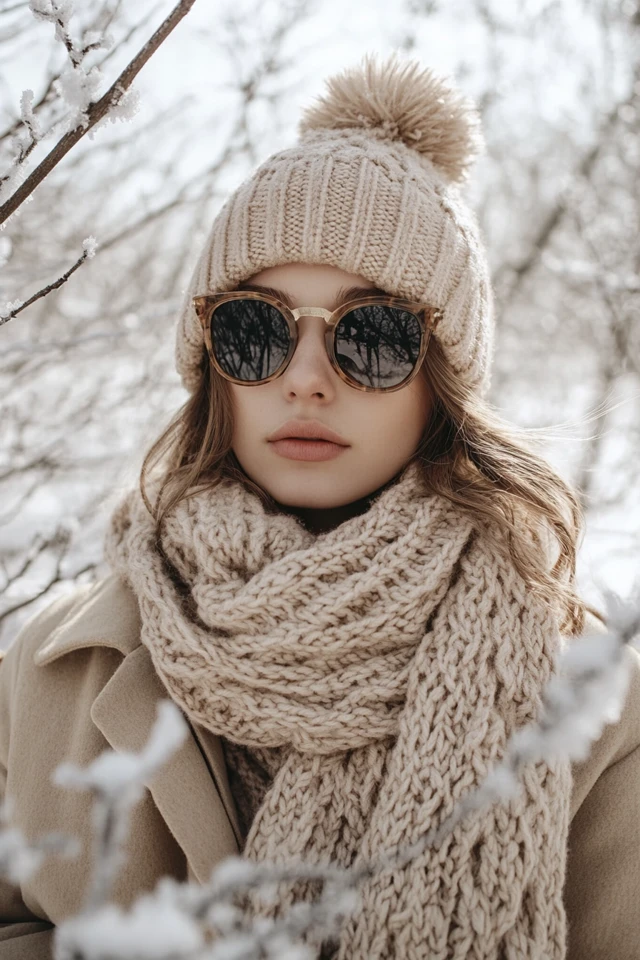
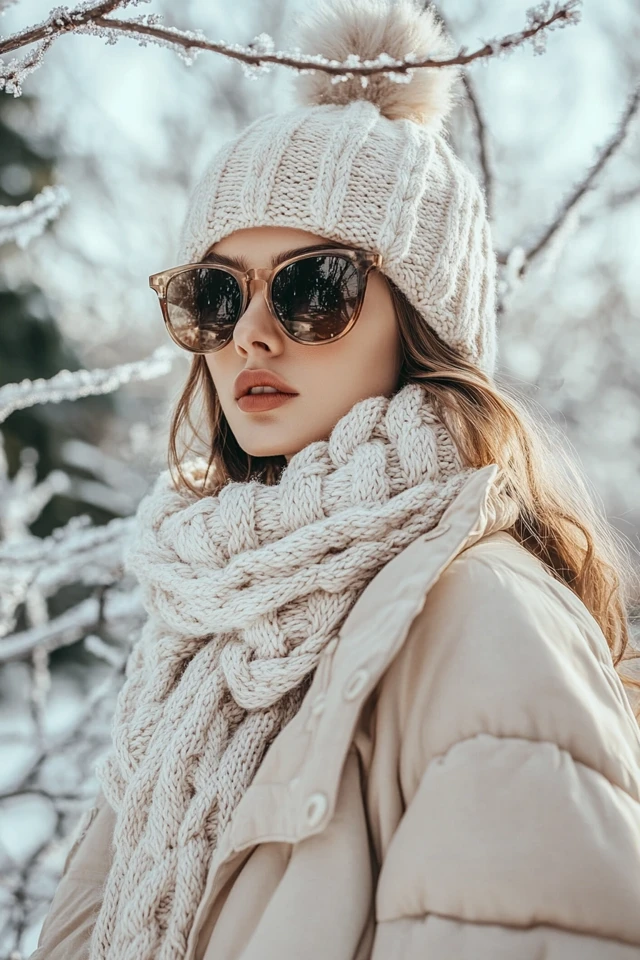
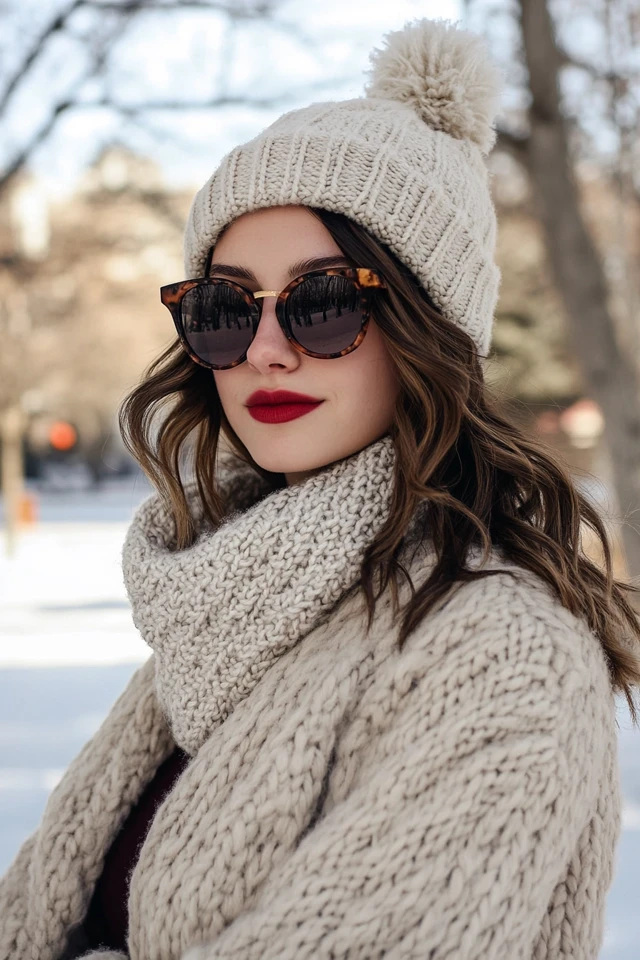
For a relaxed look, pair a cream beanie with an oversized sweater, jeans and boots, and add a chunky scarf. For the city, a slouchy or fitted beanie works with a tailored wool coat and leather gloves. Match the beanie to your scarf or gloves and the outfit looks planned.
When the beanie is textured, keep the coat simple so the braids are the one detail the eye picks up. For more ideas, see scarves, gloves and beanies and gloves and mittens. If you want something chunkier, try chunky knit beanies for cold winds.
How to care for a cable knit beanie
- Hand wash or use a gentle cycle in cold water.
- Dry it flat on a towel. Heat can shrink wool.
- Remove pills with a fabric shaver.
- Store it folded or flat so it does not stretch.
Check the care label first, since cashmere and some blends need gentler handling. For softer options, browse soft beanies for winter.
Frequently asked questions
What is the best beanie to keep warm in winter?
A snug wool or wool-blend beanie with a fold-over brim and a fleece lining is the warmest everyday choice. Make sure it covers your ears fully.
Can I wear a cable knit beanie indoors?
Yes, but pick a lighter, slouchier knit so you do not overheat. Heavy lined styles are better kept for outside.
How do I keep my beanie from slipping?
Choose a size that fits firmly and wear it just above your eyebrows. A fold-over brim also helps it stay put.
Are cable knit beanies good in wet weather?
They are warm, but most are not waterproof. Wool holds up better in damp air than cotton, and a hood helps in rain or snow.
Filed under Weather Style