
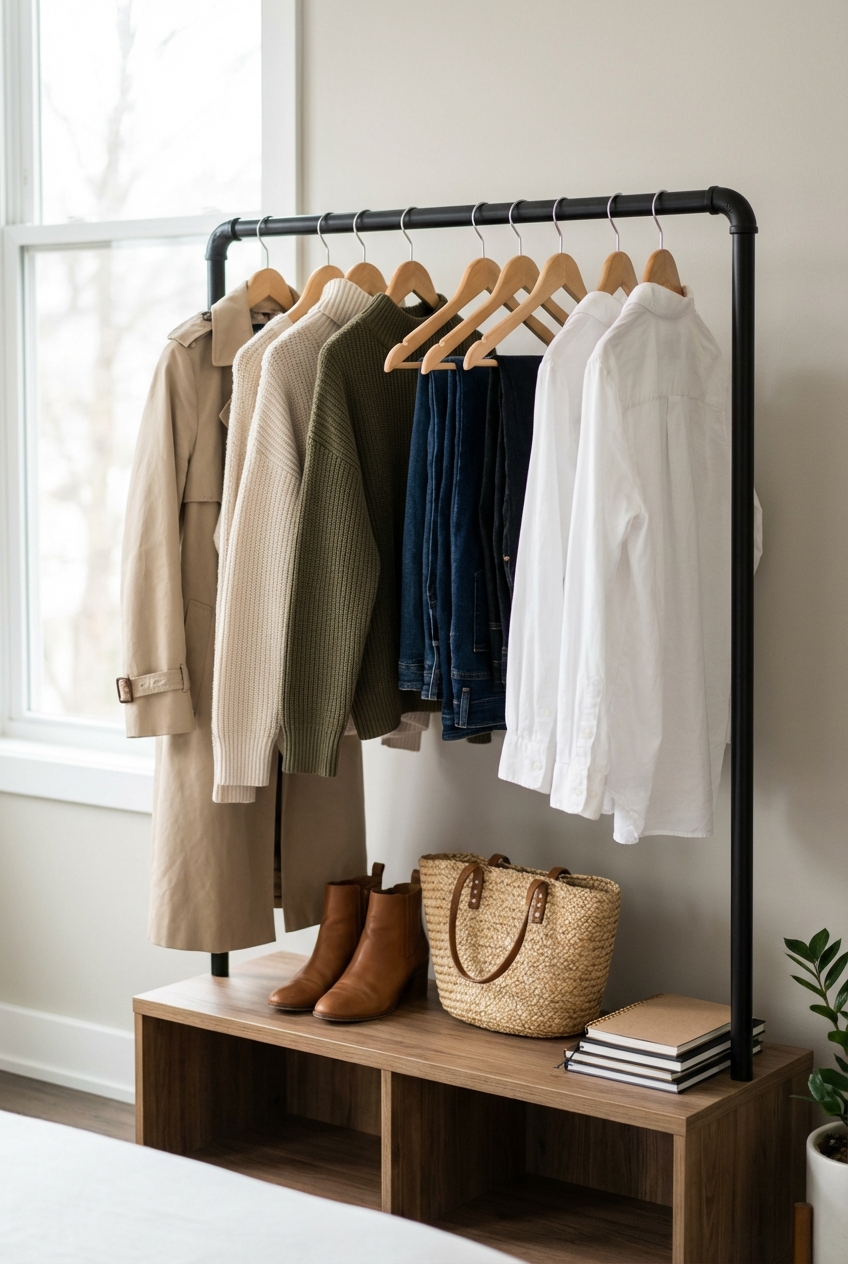
Capsule Wardrobe For Every Season A Complete Guide
Introduction
I recently stood in the massive walk-in closet of a new client who was nearly in tears. She was surrounded by racks of high-end clothing, shelves stacked with cashmere, and rows of designer shoes, yet she uttered the phrase I hear most often in my line of work: “I have nothing to wear.” This isn’t a problem of scarcity; it is a problem of clarity. When you have too many disconnected pieces, getting dressed becomes a chore rather than a creative expression.
The solution isn’t to buy more, but to curate better. A capsule wardrobe is not about restriction or wearing a boring uniform every day. It is a strategic approach to style that prioritizes quality, fit, and versatility. By building a foundational collection of items that work interchangeably, you reclaim your time, reduce decision fatigue, and ensure you look polished regardless of the weather.
In this guide, I will walk you through the exact methodology I use to build seasonal capsules for my private clients. We will look at fabric weights, color theory, and the specific tailoring rules that make a small wardrobe feel infinite. For visual inspiration on how these pieces come together, please make sure you check out the Picture Gallery at the end of the blog post.
The Mathematics of a Functional Wardrobe
Creating a capsule wardrobe requires a shift in how you view the “inventory” of your closet. Many women impulse buy statement pieces without having the supporting actors to make the outfit work. In the design world, we use ratios to ensure balance, and your closet is no different.
I generally recommend a 3:1 ratio of tops to bottoms. Tops endure more wear and are closer to your face, meaning they are more memorable in photos and daily interactions. Pants and skirts can be repeated more frequently without anyone noticing. If you have 10 bottoms, you should aim for roughly 30 tops, ranging from tees to structured blouses.
Another critical metric is the “70/30 Rule.” Your wardrobe should consist of 70% core basics (classic denim, neutral knits, blazers) and 30% accent pieces (patterned silk, bold colors, trend items). If this balance tips too far toward accents, you struggle to make outfits. If it tips too far toward basics, you might feel bored.
Designer’s Note: The “Fantasy Self” Trap
The most common reason capsules fail is that clients buy for their “fantasy self” rather than their real life. I once had a client who bought five cocktail dresses for her capsule but worked from home and spent weekends hiking.
Be honest about your lifestyle pie chart. If you spend 60% of your time in a casual office or home setting, 60% of your budget and closet space must reflect that. Buy for the life you have right now, not the life you imagine you might have in two years.
Mastering Fabric Weights and Seasonality
A true year-round capsule relies on layering. The secret to making a smaller wardrobe work across four seasons is paying attention to fabric weight, often measured in GSM (grams per square meter), though you just need to know the feel.
For the core of your wardrobe—the items that never get packed away—you want “mid-weight” fabrics. For denim, look for 11oz to 13oz weight. This is substantial enough to hold its shape in winter but breathable enough for a mild spring day. For wool trousers, look for “tropical weight” wool or gabardine, which regulates temperature exceptionally well.
Identifying High-Quality Materials
- Merino Wool: The gold standard for layering. It is thinner than chunky knits, moisture-wicking, and can be worn under a blazer in winter or over a dress on a cool summer evening.
- Pima or Supima Cotton: For t-shirts, avoid standard cheap cotton which twists at the seams after one wash. Long-staple cottons like Pima drape better and last years.
- Silk Crepe de Chine: Unlike satin, which can show water spots and wrinkles easily, crepe has a matte texture that is more durable for daily wear and transitions seamlessly from day to night.
Common Mistakes + Fixes
Mistake: Buying synthetic blends (like 100% acrylic) for winter knits.
Fix: Acrylic traps sweat and retains odors. Always check the label for at least 50% natural fiber content (wool, cotton, alpaca). This ensures the garment breathes, meaning you have to wash it less often, extending its lifespan.
The Core Foundation: The Non-Negotiables
Before we look at seasonal add-ons, we must establish the “Permanent Collection.” These are the pieces that hang in your closet 12 months a year. In my experience styling high-net-worth professionals, these items receive the highest Cost Per Wear (CPW).
The Perfect Blazer
This is your armor. It refines a t-shirt and jeans and softens a cocktail dress.
Fit Rule: The shoulder seam must sit exactly at the edge of your shoulder bone. If it droops, it looks sloppy; if it pulls, it looks cheap. The sleeve should hit at the wrist bone, allowing half an inch of shirt cuff to peek out.
Dark Wash Straight-Leg Denim
Trends regarding skinny or wide-leg jeans come and go, but a straight-leg cut is timeless.
Fit Rule: Look for a mid-to-high rise (about 9 to 11 inches). The hem should skim the top of your foot. This allows you to wear them with flats, sneakers, or a modest heel without awkward bunching.
The White Button-Down
It sounds cliché, but it is essential. However, the fit matters.
Style Tip: I prefer an oversized “borrowed from the boys” fit in poplin for a modern look. For a more feminine silhouette, choose silk.
Maintenance: This item requires crispness. If you hate ironing, invest in “travel technical fabrics” that look like cotton but are wrinkle-resistant.
Seasonal Expansion Packs
Think of your wardrobe like a home. The furniture (your core pieces) stays the same, but you change the throw pillows and blankets (seasonal items) to shift the mood. Here is how to rotate your capsule effectively.
Spring/Summer Add-Ons
When the temperature rises, we focus on airflow and lighter palettes.
- Linen Trousers: Swap your wool trousers for wide-leg linen.
- The Shirt Dress: A standalone piece that requires zero coordination.
- Open-Toe Mules: These replace your ankle boots.
Fall/Winter Add-Ons
Here, we focus on texture and insulation.
- Cashmere Crewneck: Choose a neutral color like camel or charcoal.
- The Wool Coat: A tailored long coat instantly elevates even gym clothes.
- Leather Boots: A knee-high or Chelsea boot is non-negotiable.
Real Project Strategy: The “VAC” Method
When I help clients transition their closets, we use the VAC method:
- Visible: The current season goes front and center at eye level.
- Accessible: The transitional items (like light cardigans) go on high shelves or secondary rods.
- Concealed: Off-season items (puffer coats in July) go into opaque bins or a guest closet to reduce visual noise.
Color Theory and Cohesion
A capsule wardrobe does not have to be black and white. However, the colors must communicate with each other. I advise my clients to pick a “Base Neutral,” a “Secondary Neutral,” and two “Accent Colors” for each season.
Choosing Your Base
Your base is usually Black or Navy. It is rare that both work well in a tight capsule because they clash when paired incorrectly. If you have cool undertones, stick to Black/Grey/White. If you have warm undertones, lean into Navy/Camel/Cream.
The 3-Color Rule
To ensure an outfit looks intentional, try not to wear more than three distinct colors at once.
Example: Navy trousers (Base) + Cream sweater (Secondary) + Burgundy boots (Accent).
This constraint forces creativity and ensures you don’t look like you got dressed in the dark.
Metals and Hardware
Don’t forget the hardware on your bags, belts, and jewelry. Mixing metals is trendy, but for a cohesive capsule, sticking to one tone (gold or silver) creates a seamless, high-end look. If your bag has gold hardware, wear gold earrings. It is a subtle detail that signals polish.
What I’d Do in a Real Project: A Checklist
If I were hired to overhaul your wardrobe today, this is the exact checklist I would run through before we bought a single item.
- The ” Hanger Test”: I turn all your hangers backward. After you wear an item, you put the hanger back the normal way. After 6 months, anything still facing backward gets donated or sold.
- The Tailoring Pile: We try on every single pair of pants. If they drag on the floor or gap at the waist, they go into a bag for the tailor. A $50 alteration makes a $50 pair of pants look like $500.
- Undergarment Audit: A capsule fails if you don’t have the right bra for the white shirt or seamless underwear for the silk skirt. We replace basics that are worn out.
- Shoe Polish: We take all leather shoes to a cobbler for new heel caps and a shine. Scuffed shoes ruin the aesthetic of a clean capsule.
Finish & Styling Checklist
Once your capsule is built, styling becomes a daily habit. Use this list to ensure your look is complete before walking out the door.
1. The Third Piece: A top and pants are “clothes.” Adding a third piece (blazer, cardigan, or scarf) makes it an “outfit.”
2. The Tuck: Learn the “French Tuck” (front only) for bulky sweaters to define your waist.
3. The Cuff: Roll your sleeves or cuff your jeans to show the thinnest parts of your body (wrists and ankles). It creates visual space.
4. Texture Mix: Ensure you aren’t wearing all one texture. Pair chunky knits with sleek leather, or rough denim with soft silk.
FAQs
How do I handle laundry with a smaller wardrobe?
You actually do less laundry, but more often. However, because you are investing in higher quality fabrics like wool and denim, they do not need to be washed after every wear. Spot clean and air out your clothes. Over-washing damages fibers.
What if I gain or lose weight?
This is why I advocate for “flexible fits.” Wrap dresses, knits with stretch, and drawstring trousers allow for a 5-10lb fluctuation. For rigid items like denim, keep one size up and one size down in storage if your weight fluctuates significantly.
Won’t I get bored wearing the same things?
Boredom usually comes from a lack of styling knowledge, not a lack of clothes. By changing your shoes, jewelry, and hair, a basic black dress can look like three different outfits. Focus on accessories to change the vibe.
Can I have a capsule wardrobe if I love prints?
Absolutely. Treat a print as a “solid.” For example, a leopard print blouse acts as a neutral. A floral skirt can be the anchor for white, black, or pink tops. Just ensure the print contains the colors of your base neutrals.
Conclusion
Building a capsule wardrobe for every season is an exercise in self-knowledge. It requires you to admit what you actually wear versus what you wish you wore. It asks you to prioritize quality over quantity and fit over trends.
The result, however, is liberating. Imagine waking up every morning knowing that every item in your closet fits you perfectly, matches everything else, and makes you feel confident. You stop worrying about your clothes and start focusing on your life. That is the true luxury of a curated wardrobe.
Picture Gallery


