
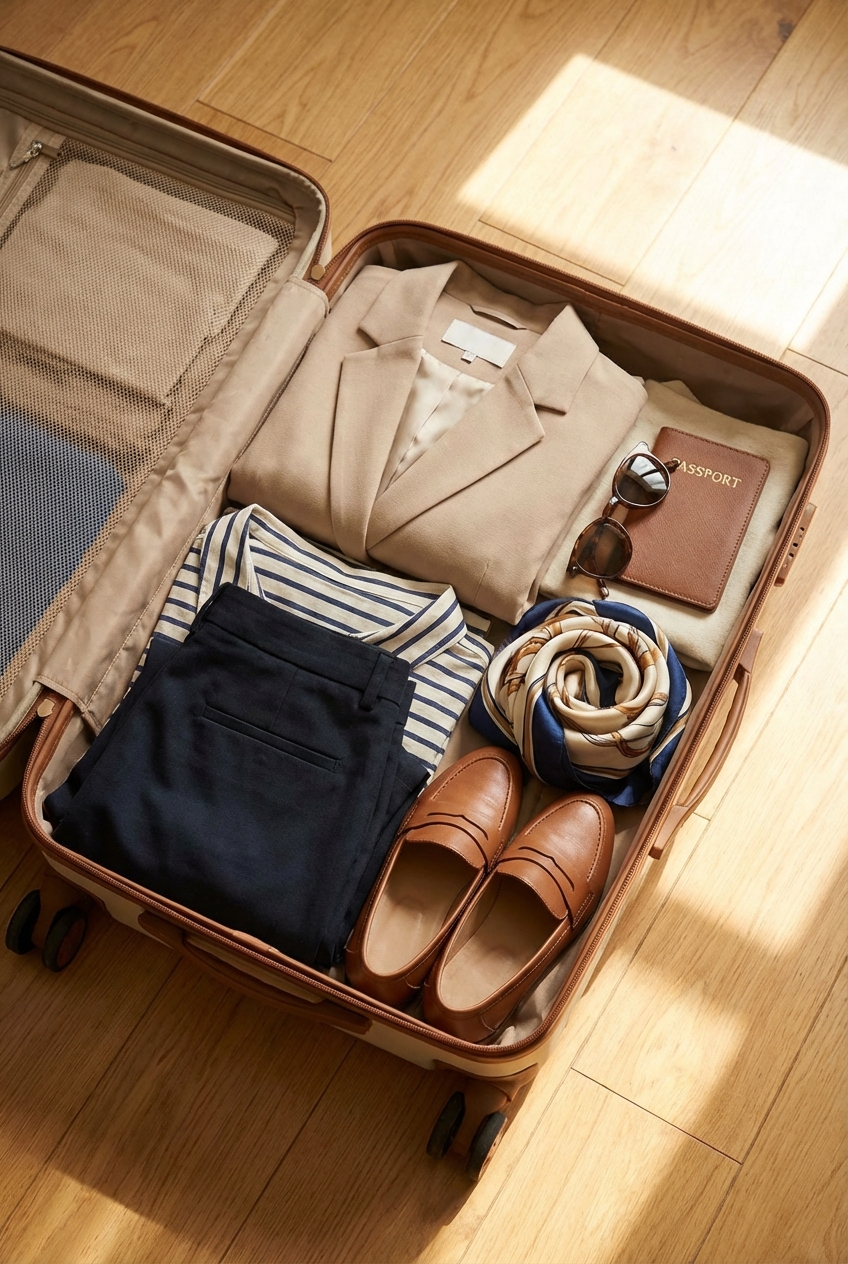
Capsule Wardrobe For Jet Setting Entrepreneurs
Time is perhaps the only luxury that you cannot buy, regardless of your net worth. As an entrepreneur constantly moving between time zones, client meetings, and airport lounges, your wardrobe should be an asset, not a liability. I learned this lesson the hard way early in my career when a checked bag containing my presentation suit went missing in London while I was stuck in a transit lounge in Frankfurt.
Since that chaotic trip, I have refined the art of the carry-on capsule. A strategic wardrobe allows you to focus on your business objectives rather than worrying if your blouse is wrinkled or your shoes are killing your feet. It is about creating a system where every piece works tirelessly to make you look polished, professional, and powerful.
This guide is not just about packing less; it is about dressing with intention and precision. We will cover the fabrics that travel well, the silhouettes that command respect, and the styling tricks that take an outfit from a red-eye flight to a boardroom pitch. For a curated selection of these looks in action, do not miss the Picture Gallery at the end of this blog post.
The Architecture of a Travel Wardrobe
Building a capsule wardrobe is very similar to designing a room; you need a neutral foundation before you add accents. When you are traveling for business, your color palette is your best friend. Sticking to a strict color story ensures that every single top matches every single bottom, maximizing your outfit combinations.
For high-stakes business environments, I always recommend a base of navy, black, charcoal, or camel. These shades hide travel stains better than pastels and project authority. Once you have your base, you can add two accent colors—perhaps a deep burgundy or a crisp ivory—to keep things interesting.
Stylist’s Note: The 3-to-1 Ratio
In a functional capsule, you should always pack three tops for every bottom. Pants and skirts can be worn multiple times without anyone noticing, provided you change your blouse, knitwear, or blazer. This simple math drastically reduces the bulk in your suitcase.
Fabric selection is equally critical. You want materials that drape beautifully but resist creasing. Avoid 100% linen or pure silk unless you have time to steam them at the hotel. Instead, look for high-twist wools, triacetate blends, or cashmere, which naturally release wrinkles when hung up in a steamy bathroom.
The Power Suit: Your Anchor Piece
The modern power suit is non-negotiable for the female entrepreneur. However, the days of stiff, boxy cuts are over. You need a suit that moves with you, offering the comfort of loungewear with the silhouette of high fashion.
Look for a blazer with a slightly longer hemline. It should hit just below the hip bone. This length is incredibly versatile because it pairs well with matching trousers for a formal look or over jeans for a smart-casual dinner. Ensure the shoulders fit impeccably; the seam should sit right at the edge of your natural shoulder.
Common Mistake: The Wrong Trouser Length
Many women hem their trousers for heels, which makes them drag on the floor when wearing flats in the airport.
The Fix: Hem your travel trousers to ankle length (just touching the ankle bone). This modern cut looks chic with a 3-inch pump and equally deliberate with a sleek loafer or fashion sneaker.
For the trousers, a mid-to-high rise is essential for travel. It provides coverage when you are lifting luggage into overhead bins and creates a smooth line under blouses. A flat-front cigarette pant or a wide-leg drape trouser in a wrinkle-resistant crepe is usually the most flattering choice for long days of sitting.
Layering Logistics: Tops and Knits
Your tops serve as the variable element in your wardrobe equation. They dictate whether your look is serious, creative, or relaxed. I recommend packing a mix of textures to add depth to your outfits.
Start with a classic button-down, but look for one in a technical fabric or a silk-blend jersey. These offer the crisp collar necessary for framing your face on a Zoom call but have enough stretch to be comfortable on a 10-hour flight. White is classic, but a soft blue or pinstripe shows fewer coffee spills.
Next, include a fine-gauge merino wool or cashmere sweater. Merino wool is a miracle fiber for travelers because it is temperature-regulating and odor-resistant. A crew neck or boat neck style in a neutral tone can be worn on its own or layered under your blazer.
What I’d Do in a Real Project:
If I were styling a client for a week-long trip to New York and London, I would pack:
- Two silk camisoles (one black, one ivory) for layering or evening wear.
- One crisp poplin shirt.
- One lightweight turtleneck for drafty conference rooms.
- One statement blouse with a modest print to hide wrinkles.
Footwear: The Three-Shoe Rule
Shoes are the heaviest items in your luggage, so you must be ruthless with your selection. As a rule of thumb, you never need more than three pairs of shoes for a business trip. If you bring more, you are overpacking.
1. The Commuter Shoe: Wear your heaviest shoes on the plane. This is typically a sleek leather sneaker or a high-end loafer. White leather sneakers have become acceptable in many business casual settings, especially in creative industries.
2. The Power Pump: Pack a classic pointed-toe pump in nude or black. The heel height should not exceed 3 inches. Anything higher will punish your feet after a day of standing at a trade show or navigating city streets. A block heel offers more stability on cobblestones than a stiletto.
3. The Wildcard: The third pair depends on your itinerary. If you have a gala, bring a strappy sandal. If it is winter, bring a sleek ankle boot. If you plan to hit the hotel gym, pack your lightweight running shoes.
Outerwear and Climate Control
One of the biggest challenges for jet setters is moving between climates. You might leave a sunny Los Angeles and arrive in a rainy Seattle. Your outerwear needs to bridge this gap without taking up half your suitcase.
The classic Trench Coat is the gold standard here. It is lightweight, water-resistant, and looks professional over a suit or leggings. Look for a knee-length cut in a traditional khaki or stone color. Ensure it has a removable liner if you are traveling to colder destinations.
For colder transitions, a large cashmere wrap or oversized scarf is indispensable. It functions as a blanket on the plane, a scarf on a chilly walk, and an elegant wrap over a dress at dinner. Choose a neutral grey or oatmeal color that complements your entire capsule.
Designer’s Note: Hardware Matters
Pay attention to the buttons and buckles on your outerwear. Gold or silver hardware should ideally match the jewelry and bag hardware you plan to wear. While mixing metals is trendy, matching them creates a more cohesive, high-end look that signals attention to detail.
Accessories: The Force Multipliers
Accessories are the secret weapon of a capsule wardrobe. They take up minimal space but drastically alter the vibe of an outfit. By swapping earrings and a belt, you can transform a day look into an evening ensemble in under two minutes.
Pack a curated jewelry roll with versatile pieces. A pair of diamond or pearl studs is non-negotiable for daytime. For evening, pack one statement piece, such as a bold cuff bracelet or architectural drop earrings. Avoid anything too delicate that might tangle easily in transit.
Belts are often overlooked but are crucial for silhouette definition. A slim leather belt can cinch a blazer or an oversized shirt dress, giving you a waist and a more tailored appearance. Reversible belts (black on one side, brown on the other) are fantastic space savers.
Bag Strategy:
You need two bags.
- The Tote: Your carry-on personal item. It must fit a 13-inch or 15-inch laptop, a water bottle, and your essentials. Leather looks professional, but high-density nylon is lighter.
- The Clutch/Crossbody: Pack a flat clutch or a small crossbody bag inside your tote. Use this for dinners or quick errands when you do not need your laptop.
Maintenance and Packing Mechanics
Even the most expensive clothes will look cheap if they are wrinkled or dirty. A true jet setter knows that garment care is part of the styling process. I always recommend traveling with a mini emergency kit.
Your kit should include double-sided fashion tape (for fixing hems or gaping blouses), a stain remover stick, and a portable steamer. While hotels have irons, a steamer is safer for delicate fabrics like silk and wool. It also refreshes the fabric, removing odors.
Common Mistake: Over-folding
Folding clothes creates deep creases.
The Fix: Roll your knits, t-shirts, and jeans. Rolling prevents hard creases and saves space. For blazers and delicate shirts, use the “bundle wrapping” technique or pack them in dry-cleaning plastic bags. The plastic reduces friction, which is the main cause of wrinkling.
When packing your carry-on, place shoes at the bottom (near the wheels) to distribute weight. Fill your shoes with socks or chargers to maximize every square inch of space. Layer your rolled items next, and place your folded blazer on the very top.
Styling For specific Occasions
Let’s look at how to apply this capsule to real-world scenarios you will likely face.
The Long-Haul Flight
Comfort is key, but never wear sweatpants. Wear your stretch crepe trousers with a soft merino sweater and your leather sneakers. Wrap your cashmere scarf around your neck. You look chic walking through the terminal, but you feel like you are in pajamas.
The Board Meeting
Swap the sneakers for your power pumps. Trade the sweater for your silk blouse and put on your blazer. Add a classic watch and stud earrings. The result is sharp, focused, and authoritative.
The Client Dinner
Keep the trousers and pumps. Remove the blazer and switch to the silk camisole. Add your statement earrings and a bold red lip. Grab your clutch bag. You have transitioned to evening elegance without returning to the hotel.
Finish & Styling Checklist
Before you zip up that suitcase, run through this final checklist to ensure your wardrobe is airtight.
- The Color Test: Lay out every item. Does every top match every pair of pants? If not, swap it out.
- The Fabric Check: Scrunch a corner of your fabric in your hand for ten seconds. If it stays wrinkled, leave it at home.
- The Shoe Count: Do you have more than three pairs? Remove one.
- Undergarments: Do you have seamless nude underwear? It is essential for white or light-colored trousers.
- Electronics: Do you have a universal adapter? A dead phone is not stylish.
- The Comfort Trial: Can you sit down in your trousers without the waistband cutting into you? You will be sitting for hours; ensure you can breathe.
FAQs
How do I stop my clothes from smelling stale after a flight?
Fabric choice is your first defense; wool and natural fibers resist odors better than synthetics. I also recommend packing a small sachet of lavender or a cedar block in your suitcase. Hang your clothes in the bathroom while you shower immediately upon arrival; the steam helps refresh the fibers.
Can I wear jeans for business travel?
Yes, but be specific with the wash. A dark indigo or black rinse with no distressing or fading is acceptable in most modern business casual environments. Avoid light washes or holes, as they read too casual. Pair denim with a blazer and heels to elevate the look.
What if I spill coffee on my only white shirt?
This is why we pack layers. If you cannot remove the stain with a stick, button your blazer and keep it on. Alternatively, this is where a silk scarf comes in handy; tie it around your neck to artfully conceal the spot.
Is it okay to repeat outfits on a trip?
Absolutely. Men do it all the time with suits. If you are meeting different people, no one will know. If you are with the same group, change your accessories, wear your hair differently, or swap the top to make the outfit feel fresh.
Conclusion
Mastering the art of the travel capsule wardrobe is a skill that pays dividends in confidence and time saved. When you eliminate the fatigue of decision-making from your morning routine, you free up mental energy for the negotiations and innovations that truly matter.
Remember, the goal is not to have the most clothes, but to have the right clothes. By investing in quality fabrics, adhering to a cohesive color palette, and prioritizing fit, you can traverse the globe with nothing more than a carry-on and impeccable style. Safe travels and successful ventures.
Picture Gallery


