
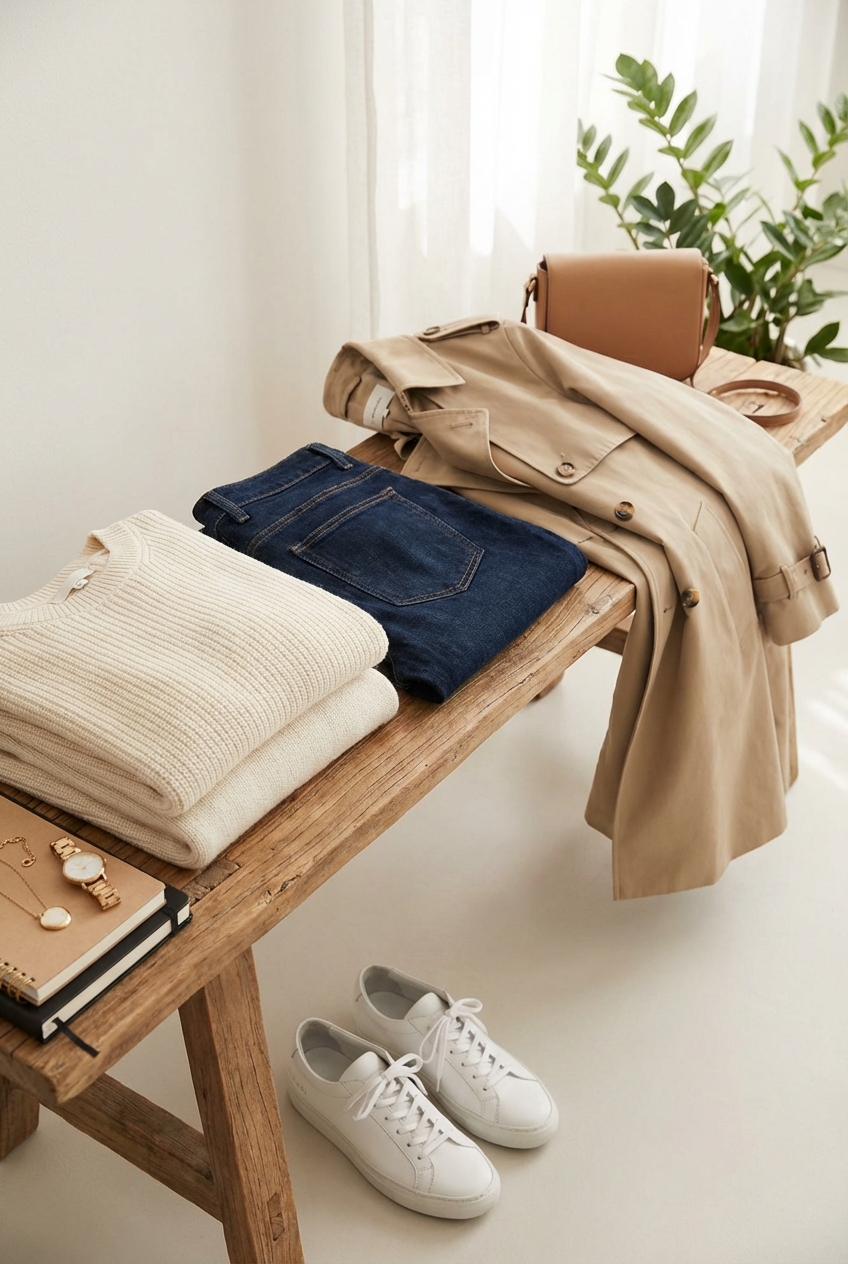
Capsule Wardrobe For Minimalist Aesthetics
I distinctly remember the moment my perspective on style shifted entirely. I was standing in a client’s walk-in closet in Tribeca, staring at rows of bursting racks, yet she insisted she had absolutely nothing to wear to a simple gallery opening.
We spent hours purging ill-fitting trends and impulse buys until we were left with a focused rail of roughly thirty high-quality pieces. The result wasn’t restriction; it was liberation. Suddenly, every top matched every bottom, the fabrics felt luxurious against the skin, and getting dressed became a five-minute ritual rather than a thirty-minute struggle.
A minimalist capsule wardrobe is not about depriving yourself of options; it is about refining your palette to ensure every single item serves a purpose and sparks joy. If you want to see exactly how these pieces come together in real life, be sure to look at the Picture Gallery at the end of the blog post.
The Foundation: Understanding Fabrics and Textures
Before buying a single garment, you must understand the materials that make minimalism work. In a capsule wardrobe, you cannot hide poor quality behind loud prints or busy ruffles.
The texture is the silent language of luxury. When you remove bold colors, the hand-feel of the fabric becomes the main character. You want materials that drape beautifully and withstand weekly wear.
Stylist’s Note: The Touch Test
When shopping, close your eyes and touch the fabric before looking at the price tag or brand. Does it feel cool and smooth (high-twist cotton) or scratchy and synthetic? If it doesn’t feel good in your hand, it won’t feel good on your body after eight hours.
I always recommend natural fibers for the core of your wardrobe. Look for 100% merino wool or cashmere for knitwear, as they regulate body temperature better than acrylic blends. For shirting, seek out long-staple cotton or silk crepe de chine.
Synthetic blends have their place, specifically in performance wear or travel trousers that need wrinkle resistance. However, aim for a composition of at least 80% natural fiber to ensure breathability and longevity.
Defining Your Neutral Color Palette
A cohesive color story is the glue that holds a capsule wardrobe together. To maximize mix-and-match potential, you need a base of neutrals.
This does not mean you are limited to black and white. A rich minimalist palette often relies on camel, navy, charcoal, ivory, and taupe. The goal is tonal dressing, where different shades of the same color family create depth.
Common Mistake + Fix: The Undertone Clash
Mistake: Mixing warm neutrals with cool neutrals indiscriminately (e.g., a yellow-based cream shirt with a grey-based beige pant).
Fix: Determine if your skin tone and existing wardrobe lean warm or cool. Stick to one temperature for your neutrals to ensure seamless layering.
Once you have your base, you can introduce accent colors. In a minimalist aesthetic, these are usually muted tones like olive green, burgundy, or slate blue. These colors add interest without breaking the visual calm of your closet.
The Core Tops: Structure and Drape
Your selection of tops should balance structure with fluidity. You need pieces that can hold their own under a blazer but look finished enough to be worn solo.
The Perfect White Button-Down
This is non-negotiable. Look for poplin for a crisp, professional look, or washed linen for a relaxed, European aesthetic.
- Fit Rule: The shoulder seam should sit exactly at the edge of your shoulder bone. If it creeps up, it’s too small; if it droops (unless intentionally oversized), it looks sloppy.
- Sleeve Length: The cuff should hit right at the wrist bone when your arm is bent.
The Cashmere Crewneck
A lightweight cashmere sweater in grey, navy, or camel is a three-season workhorse. It works tucked into skirts or draped over shoulders.
The Elevated T-Shirt
Forget the sheer, flimsy packs of tees. Invest in a heavyweight cotton T-shirt that is opaque and maintains its shape. A slightly boxy cut often looks more intentional and high-end than a fitted one.
Bottoms: Tailoring is Everything
Trousers and skirts are where fit is most critical. In a minimalist wardrobe, silhouette dictates the style.
The Tailored Trouser
A high-waisted, wide-leg trouser is universally flattering and incredibly chic. Wool trousers are best for fall/winter, while a heavy linen or cotton twill works for spring/summer.
What I’d do in a real project:
I always buy trousers based on the hip measurement, not the waist. It is easy and inexpensive for a tailor to take in a waist. It is difficult, sometimes impossible, to let out the hips without ruining the line of the pockets.
The Straight-Leg Denim
Skinny jeans are dated, and ultra-wide flares can be tricky in wet weather. The straight-leg jean in a medium-to-dark wash without distressing is timeless. It pairs with heels for dinner and sneakers for errands.
- Hem Logic: Ideally, the hem should graze the top of your foot. If you plan to wear ankle boots, a slightly cropped length (showing 1-2 inches of ankle) prevents fabric bunching.
The Silk Midi Skirt
Bias-cut skirts hug the body but flare slightly at the hem. This piece offers a feminine counterpoint to structured blazers and menswear-inspired shirts.
The Third Piece: Outerwear and Layering
In fashion styling, we often talk about the “Third Piece Rule.” Your pant is piece one, your top is piece two. The third piece—a jacket, coat, or blazer—is what makes the outfit look “styled” rather than just “dressed.”
The Oversized Blazer
Look for a blazer with a slightly longer hemline that covers the hips. This creates a long, lean line. Wool blends are durable and resist wrinkling.
Designer’s Note on Scale:
If you are petite (under 5’4″), be careful with oversized fits. Ensure the blazer fits neatly in the shoulders and sleeves are tailored to the wrist. Too much volume everywhere will swallow your frame.
The Classic Trench
A beige or khaki trench coat is the ultimate transitional piece. It is water-resistant and adds instant polish. Ensure the belt sits at your natural waist to define your silhouette.
The Wool Coat
For colder months, a long wool coat in black, camel, or navy is essential. Look for a coat with a high percentage of wool (at least 70%) for actual warmth. The length should ideally hit mid-calf to protect your legs from the wind.
Footwear: Comfort Meets Style
You do not need twenty pairs of shoes. You need three to four pairs that cover every scenario.
The Leather Loafer
A black or oxblood loafer adds a masculine edge to feminine outfits. They are comfortable for walking and professional enough for meetings.
The Sleek Ankle Boot
Choose a boot with a shaft that fits close to the ankle. This allows them to fit under straight-leg jeans without creating a bulky bulge.
The White Sneaker
A minimal leather sneaker (minimal branding) makes suits look cool and dresses feel approachable. Keep them pristine; a dirty sneaker ruins the minimalist aesthetic.
Accessories: Less is More
Accessories in a capsule wardrobe are subtle. They should catch the light, not demand attention.
- Jewelry: Stick to one metal tone (gold or silver) and wear it daily. A simple chain necklace, small hoops, and a watch are often enough.
- Bags: You need a structured tote for work and a smaller crossbody for evenings. Avoid heavy hardware or large logos. Leather quality is paramount here.
- Belts: A classic leather belt with a simple buckle creates a waistline on blazers and coats.
Finish & Styling Checklist
Use this mental checklist before walking out the door to ensure your look is cohesive.
- Proportion Check: Are you balancing volume? (e.g., Fitted top with wide pants, or loose knit with slim skirt).
- The Third Piece: Have you added a jacket, blazer, or statement accessory to complete the look?
- Texture Mix: Are you wearing at least two different textures? (e.g., Denim with silk, wool with leather).
- Shoe Transition: Does the hem of your pant interact cleanly with your shoe? No awkward bunching.
- Grooming: Minimalist fashion requires polished grooming. Are clothes steamed? Are shoes scuff-free?
FAQs
How many items should be in a capsule wardrobe?
While there is no strict law, most fashion experts suggest between 30 and 40 items per season. This count includes shoes and outerwear but typically excludes workout gear, pajamas, and underwear. The number matters less than the versatility of the items.
Doesn’t a minimalist wardrobe get boring?
Boredom usually comes from a lack of texture or poor fit, not a lack of color. By playing with layers (a turtleneck under a shirt, a blazer over a dress) and mixing textures (leather, wool, silk), you create visual interest. Accessories also play a huge role in changing the vibe of an outfit.
How do I maintain my clothes to make them last?
Invest in a good handheld steamer; it is gentler on fabrics than an iron. Wash wool and cashmere less frequently—airing them out is often sufficient. Use wooden or velvet hangers to maintain shoulder shapes, and never hang knits (fold them to prevent stretching).
Can I do this on a budget?
Absolutely. Minimalism is about buying less, but better. Instead of buying five $20 shirts that shrink, save for one $80 shirt that lasts years. You can also find high-quality natural fibers at thrift stores if you know how to check fabric labels.
What if I love prints?
You can still include prints! Stick to classic patterns like stripes, plaid, or houndstooth. Ensure the colors in the print match your neutral base palette so the item remains versatile.
Conclusion
Building a capsule wardrobe for a minimalist aesthetic is a journey of refinement. It requires you to be honest about your lifestyle and ruthless about fit and quality.
The beauty of this approach is the mental clarity it provides. When you open your closet and see only items that fit perfectly and make you feel confident, you start your day on a high note. It is not just about clothes; it is about curating a life of intention, quality, and ease.
Start small. Edit your current wardrobe, identify the gaps, and slowly invest in the pieces that will serve you for years to come.
Picture Gallery


