
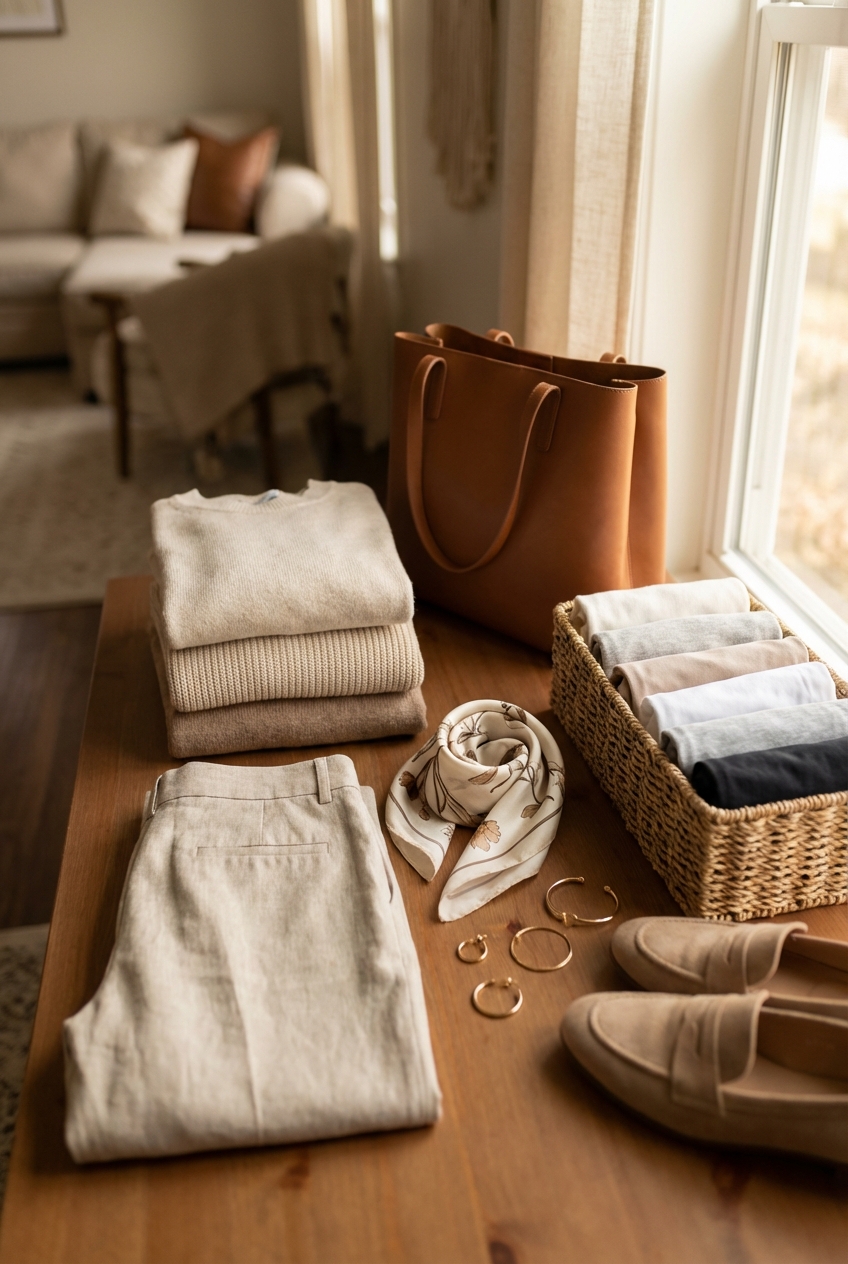
Capsule Wardrobe For Retirees Relaxed Yet Polished Style
Retirement marks one of the most significant shifts in a woman’s life, not just for her schedule, but for her closet. For decades, your wardrobe likely served a specific function: corporate meetings, school runs, or professional uniforms. Now, the boundaries have dissolved. You have the freedom to dress strictly for yourself, but this freedom often brings a moment of panic. How do you dress comfortably without looking like you have given up?
The goal is to create a closet that supports a life of leisure, travel, and hobbies while maintaining a sharp, sophisticated edge. We are moving away from the “dry clean only” restrictive blazers and toward fabrics that move with you. The secret lies in a concept I use with my private clients called “elevated ease.” It implies that every garment should feel as comfortable as loungewear but look structured enough for a lunch date in the city.
In this guide, I will break down exactly how to build a capsule wardrobe that respects your changing lifestyle and body. We will cover fabric choices, specific fit measurements, and the crucial “third piece” rule that elevates a basic outfit. If you are looking for visual inspiration on how to combine these pieces, be sure to check out the Picture Gallery at the end of the blog post.
The Foundation: Auditing for a 70/30 Lifestyle
Before buying a single hanger, we have to look at the reality of your calendar. In your working years, your closet was likely 80% workwear and 20% weekend wear. In retirement, the math flips, but perhaps not as drastically as you think. I recommend aiming for a 70/30 split: 70% casual-polished and 30% dressy-refined.
The “casual-polished” category is the workhorse of your wardrobe. These are clothes suitable for grocery shopping, gardening, coffee with friends, or volunteering. The mistake many women make is interpreting “casual” as old gym clothes. Instead, we want to swap the gym leggings for high-quality ponte knit trousers, and the oversized t-shirts for pima cotton tunics.
The remaining 30% is for events that require a bit more effort—theater outings, nice dinners, or church. By separating your wardrobe this way, you avoid the common issue of having a closet full of clothes but nothing to wear for a specific occasion. You need fewer items than you think, provided they are the right ones.
Mastering Fabric: Texture, Weight, and Care
As a fashion expert, I cannot stress this enough: as we age, our skin becomes more sensitive, and our tolerance for discomfort plummets. The fabrics you choose are more important than the brand on the label. In a capsule wardrobe, where items are worn repeatedly, durability is paramount.
The “Hand-Feel” Rule
If it feels scratchy in the store, it will be unbearable after four hours. Avoid cheap wool blends and stiff polyesters. Instead, look for Tencel (lyocell), Merino wool, and modal blends. Tencel drapes beautifully over the midsection without clinging, which is a priority for many of my clients. Merino wool regulates body temperature better than synthetic knits, keeping you warm without overheating during “personal summer” moments.
Washability vs. Dry Clean
Retirement is about less work, not more. I advise my clients to ensure 80% of their capsule is machine washable. Look for “tech fabrics” or high-twist cottons that resist wrinkling. If you travel, these are non-negotiable. A high-quality linen shirt is classic, but unless you enjoy ironing, opt for a linen-blend that includes rayon for wrinkle resistance.
Designer’s Note: The Transparency Check
One lesson I learned the hard way with a client was regarding white t-shirts and trousers. As skin thins, it contrasts less with veins and imperfections, but our undergarments become more visible. Always perform a “sunlight check” on white or cream basics. If you can see the outline of your hand through the fabric, put it back. You want opacity and weight in your basics to provide structure and coverage.
Bottoms: The Search for the Perfect Rise and Inseam
Trousers and denim are the anchors of your capsule. If the fit is off here, the whole outfit falls apart. For a retiree’s capsule, I typically recommend owning 3 to 4 pairs of excellent pants rather than 10 mediocre ones.
The Magic of Ponte Knit
If you buy one thing, make it a straight-leg pant in a heavy ponte knit. Ponte is a double-knit fabric that offers the stretch of a legging but the visual weight of a dress pant. It smooths over lumps and bumps and holds its shape. Look for a pair with a sewn-in crease down the front; this vertical line elongates the leg instantly.
Denim Specifics
You do not need to age out of jeans. However, the rigid denim of the 90s is likely too uncomfortable. Look for denim with 2% to 3% elastane (spandex). This provides enough give for sitting and moving but enough recovery so they don’t bag out at the knees by noon. Regarding the rise: a mid-to-high rise (9 to 11 inches) is generally the most flattering as it contains the midsection without cutting into your waist.
Hem Lengths Matter
For a modern look, pay attention to where the pant hits.
- Ankle Length: Hits right at the ankle bone. Best for flats, loafers, and sneakers.
- Full Break: Hits the top of the shoe with a slight fold. Best for heels or boots.
Do not let your pants pool at the floor. It looks sloppy and creates a tripping hazard.
The Tops: Necklines, Sleeves, and Proportions
The top half of your capsule provides the variety. While you might wear the same jeans three times a week, changing the top creates a totally different look. The goal here is framing the face while offering comfort.
Sleeve Length Strategy
Many of my clients prefer to cover their upper arms. The most universally flattering sleeve length is the three-quarter sleeve. It ends at the forearm, which is usually the slimmest part of the arm, creating a slimming visual effect. If you choose short sleeves, look for an angled cut rather than a straight horizontal line across the bicep, as the angle is much more forgiving.
Necklines to Navigate
V-necks are fantastic for elongating the neck and breaking up the chest area. Boat necks are elegant and draw the eye out to the shoulders, balancing wider hips. However, be wary of necklines that are too wide if you have narrow shoulders, as you don’t want to be constantly adjusting bra straps.
The “Column of Color” Technique
To look taller and leaner instantly, I often use the column method. Wear a top and bottom in the same color (e.g., navy trousers and a navy tank) and layer a contrasting jacket or cardigan over it. This creates a solid vertical line that streamlines the figure.
The “Third Piece” Rule: Outerwear and Layers
This is the differentiator between “getting dressed” and “having style.” A top and pants are clothes. A top, pants, and a third piece is an outfit. In a capsule wardrobe, your third pieces are your style statement.
The Unstructured Blazer
Forget the stiff corporate blazer with massive shoulder pads. Look for knit blazers or “swackets” (sweater-jackets). These offer the polish of a lapel but feel like a cardigan. They are perfect for upgrading a t-shirt and jeans for a lunch date.
The Statement Cardigan
Long-line cardigans that hit mid-thigh are excellent for retirees. They offer coverage over the hips and rear, which adds confidence when wearing slimmer pants. Choose natural fibers like cashmere or cotton-cashmere blends. Avoid acrylics that pill after two washes.
The Vest
A quilted vest or a tailored long vest is a functional layer for transitional weather. It keeps your core warm while leaving your arms free for driving or activities. It also adds a layer of interest without adding bulk to the arms.
Common Mistakes + Fixes
Even with the best intentions, it is easy to fall into style traps. Here are the most common issues I see in retiree wardrobes and how to correct them.
Mistake: Wearing Baggy Clothes to Hide Weight
Many women gravitate toward oversized tents to hide a changing midsection.
The Fix: Structure is your friend. Baggy clothes actually make you look larger. You want clothes that skim the body, not cling to it or drown it. Use semi-fitted pieces with thoughtful draping or ruching to camouflage specific areas.
Mistake: Holding onto “Just in Case” Heels
Keeping a closet full of 4-inch stilettos you haven’t worn in five years creates visual clutter and guilt.
The Fix: Be realistic. If you haven’t worn them in a year, donate them. Replace them with a sleek block heel or a pointed-toe flat, which offers the same leg-lengthening effect without the pain.
Mistake: Buying Trends from the Junior Section
Trying too hard to look “young” often backfires.
The Fix: Aim for “current” rather than “young.” A classic white sneaker is current and ageless. A neon crop top is not. Focus on modern cuts of classic items.
Real-World Project: The 10-Piece Mini Capsule
If I were building a starter capsule for a client today, here is exactly what I would buy. These 10 items can create over 15 distinct outfits.
1. Dark Wash Straight-Leg Jeans: High stretch, dark indigo (no distressing).
2. Black Ponte Trousers: The versatile hero piece.
3. Cream Silk or Washable Satin Blouse: For dressier occasions.
4. Breton Stripe Boatneck Tee: Classic, casual, and chic.
5. White Button-Down Shirt: Look for “no-iron” cotton.
6. Navy Blue Knit Blazer: Comfortable structure.
7. Camel Long-Line Cardigan: Cozy and elegant.
8. Denim Jacket: A medium wash for casual layering.
9. Metallic Loafers: Gold or silver acts as a neutral but adds fun.
10. White Leather Sneakers: Clean, minimal, and comfortable.
Footwear: Where Comfort Meets Chic
Your feet change as you age. Arches may fall, and width may increase. However, “orthopedic” doesn’t have to look medicinal. The current fashion era is very kind to comfort seekers.
The Power of the White Sneaker
A clean, white leather sneaker is the modern loafer. You can wear these with jeans, trousers, and even casual dresses. Look for brands that specialize in arch support. Leather is superior to canvas because it is easier to wipe clean and molds to your foot over time.
Loafers and Mules
For a slip-on option, a pointed-toe flat or a loafer is ideal. A pointed or almond toe extends the line of the leg, whereas a square or round toe can shorten it. Look for shoes with cushioned insoles and rubber outsoles for traction. Falls are a genuine concern, so avoid slick leather soles.
Heel Height Maximums
I rarely recommend a heel higher than 1.5 to 2 inches for daily life. A kitten heel or a block heel provides stability. If you need height for an event, consider a wedge, which distributes weight more evenly across the foot.
Finish & Styling Checklist
Once you have the clothes, the finish is what makes it “polished.” Here is my checklist for clients before they walk out the door.
- Jewelry Scale: As we age, dainty jewelry can get lost. Don’t be afraid of a chunky resin necklace or a bold cuff. It draws attention to your face.
- Eyewear: Your glasses are on your face every day. Make sure your frames are modern. An outdated prescription frame ages you faster than gray hair.
- Hair and Makeup: A capsule wardrobe works best with good grooming. You don’t need a full face of makeup, but a bright lipstick or groomed brows add intention to a casual outfit.
- The Bag: Swap the heavy shoulder tote for a structured crossbody bag. It is better for your back and leaves your hands free.
FAQs
How do I handle weight fluctuations in a capsule wardrobe?
Focus on fabrics with give, like knits and stretch denim. Also, rely on layers. A cardigan fits regardless of a few pounds gained or lost. Avoid rigid fabrics tailored to a precise inch until your weight stabilizes.
Can I still wear black?
Absolutely. The myth that women over 60 shouldn’t wear black is outdated. However, black can be harsh against paler skin. If you love black, wear it, but consider adding a scarf in a softer color (like blush, cream, or soft blue) near your face to reflect light onto your skin.
How much should I spend?
Buy the best quality you can afford. In retirement, you are buying fewer clothes, so your “cost per wear” justifies a higher price point. One $150 pair of pants that lasts 5 years is cheaper than five $40 pairs that shrink or pill after a season.
Conclusion
Building a capsule wardrobe for retirement is an act of self-care. It acknowledges that you deserve to look and feel good every day, not just when you have an external obligation. By focusing on quality fabrics, forgiving but flattering fits, and a cohesive color palette, you simplify your morning routine.
You remove the stress of “what to wear” and replace it with the joy of knowing everything in your closet serves you. This is your time to explore a style that is relaxed, authentic, and undeniably polished.
Picture Gallery


