
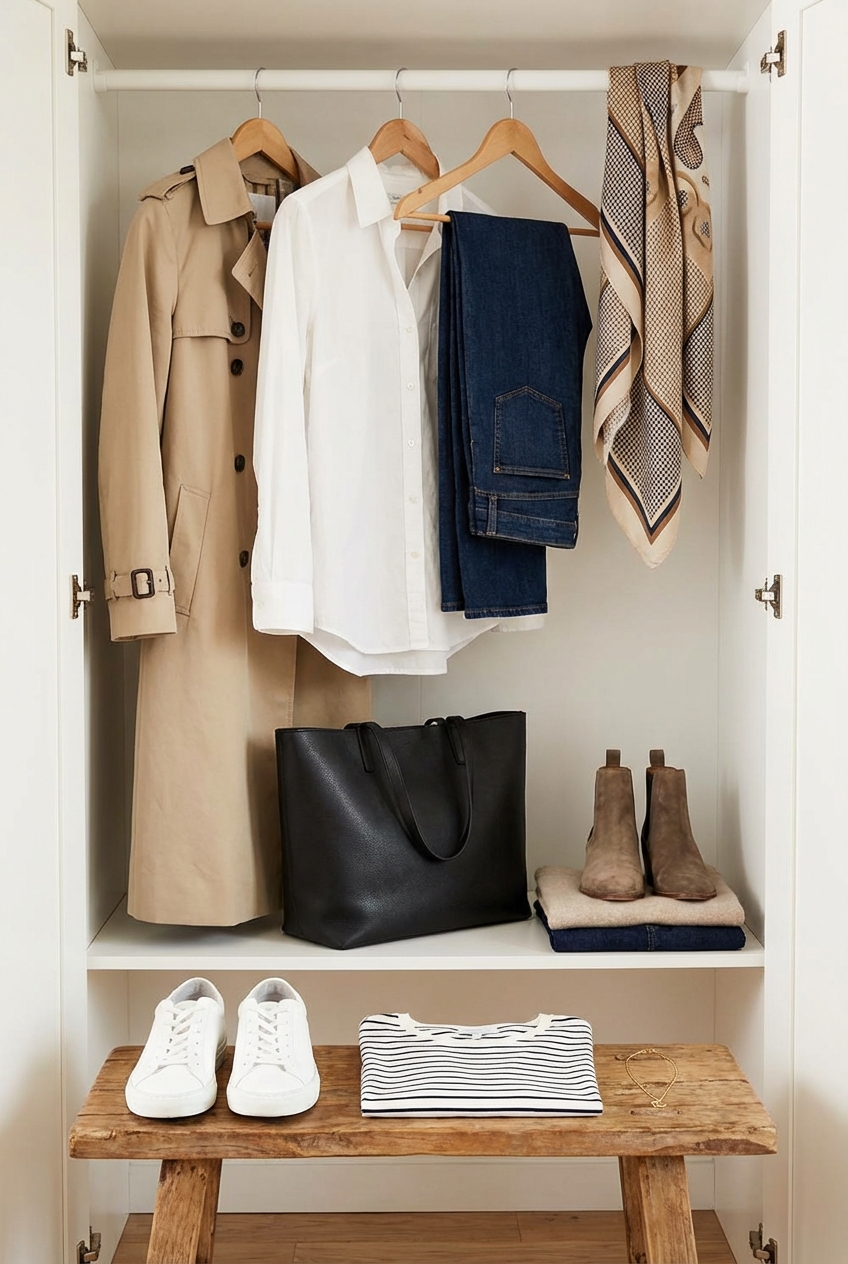
Capsule Wardrobe Must Haves Essentials You Cant Live Without
Introduction
We have all stood in front of a bursting closet and thought the exact same thing: “I have absolutely nothing to wear.” This paralysis usually isn’t because you lack clothing. It is because you lack the right clothing. In my years styling high-end clients, I have found that clutter confuses the eye. A wardrobe built on disconnected trends makes getting dressed a chore rather than a joy.
The solution lies in the capsule concept. This isn’t just about minimalism or owning fewer than 30 items. It is about architectural precision in your closet. It is about curating a rotation of pieces that play well together, fit impeccably, and rely on high-quality fabrics that withstand daily wear. When you have the right foundation, you can get dressed in the dark and still look polished.
In this guide, I am breaking down the non-negotiables. We are moving past generic advice and looking at specific cuts, fabric compositions, and tailoring rules that elevate a basic item into a luxury staple. For real-world examples of how these pieces come together, don’t miss the curated visual inspiration in the Picture Gallery at the end of this blog post.
The Foundation: Tops and Layering Pieces
The items closest to your skin dictate your comfort level for the entire day. The goal here is to find pieces that look substantial enough to be worn alone but are streamlined enough to layer under jackets without bunching.
The Perfect White Tee
You might think a t-shirt is just a t-shirt, but in the luxury sector, we look at weight and drape. You want a mid-weight cotton, preferably Pima or Supima. Look for a fabric weight around 140–160 GSM (grams per square meter). This ensures it is opaque enough that your bra doesn’t show through, but light enough to breathe.
- The Fit: Avoid tight, stretchy fits that cling to the midsection. Opt for a straight cut or a “boyfriend” fit that skims the body.
- The Neckline: A crew neck is sporty and classic; a V-neck elongates the torso. Choose based on your bust size and shoulder width.
The Button-Down Shirt
A crisp button-down acts as a neutral canvas. While white poplin is the standard, don’t overlook light blue or a subtle vertical stripe. For the most versatility, choose 100% cotton poplin for a structured look or silk crepe de chine for a softer, more feminine drape.
Designer’s Note: The most common issue with button-downs is the “gaping” at the bust. If you are between sizes, always size up to fit your shoulders and bust, then have a tailor take in the waist. It is a small investment that makes a $50 shirt look like a $500 shirt.
The Cashmere Sweater
Nothing signals luxury quite like cashmere. It regulates body temperature better than wool and is softer against the skin. Stick to neutral tones like camel, charcoal, or navy.
- Ply Matters: Look for 2-ply cashmere. Single ply is prone to holes, and anything over 4-ply can be too hot for indoor wear.
- Care: Buy a cashmere comb. Pilling is normal for natural fibers and does not mean poor quality, but you must maintain it.
Common Mistakes + Fixes
Mistake: Buying tops that are too short in the torso.
Fix: When trying on a top, raise your arms above your head. If the hem rises above your waistband, it will be annoying to tuck in. Look for “tall” sizing if you have a long torso, even if you are of average height.
Bottoms That Work Overtime
Trousers and skirts are the anchors of your silhouette. They determine the proportion of your outfit. If your bottom half is tailored correctly, you can get away with a looser, more relaxed top.
Straight-Leg Denim
Skinny jeans had their moment, and wide-leg styles are trendy, but the straight-leg jean is the eternal classic. It balances the hips and elongates the leg.
Look for denim with a high cotton content (98% to 100%). Rigid denim holds your shape better and lasts years longer than super-stretch blends.
- The Rise: A high rise (10 to 11 inches) is generally the most universally flattering, as it hits at the smallest part of the natural waist.
- The Wash: A medium-blue wash with no distressing is the most versatile. It works for casual Fridays and Sunday brunch.
Tailored Trousers
You need a pair of trousers that feel as comfortable as leggings but look ready for a boardroom. A wool-blend trouser in black or charcoal is essential for cooler months. In summer, swap this for a linen-viscose blend, which wrinkles less than pure linen.
What I’d do in a real project: I always recommend a slightly cropped hem for everyday trousers. It should hit just at the ankle bone. This length allows you to wear the pants with loafers, sneakers, or heels without the fabric dragging on the ground.
The Midi Skirt
A slip skirt or a pleated midi skirt offers a feminine alternative to pants. The bias cut (cut diagonally against the grain of the fabric) allows the skirt to drape over curves without clinging.
- Length Rule: The hem should hit the muscular part of your calf or just below it. Avoid lengths that cut across the widest part of your calf, as this can make legs look shorter.
Outerwear Investments
Your coat is the first thing people see. In a capsule wardrobe, outerwear needs to be the hardest working category because it has to match almost every outfit you own.
The Classic Trench
A beige or khaki trench coat is the ultimate transitional piece. It protects you from wind and rain while adding structure to a casual outfit.
Look for a cotton gabardine fabric which is tightly woven and naturally water-resistant. Double-breasted styles are traditional, but ensure the buttons don’t add too much bulk if you have a larger bust.
The Wool Coat
For winter, a long wool coat in camel, black, or grey is non-negotiable.
- Shoulder Fit: The seam of the coat shoulder should align perfectly with the end of your natural shoulder. If it droops, the coat looks too big; if it pulls, it looks cheap.
- Fabric: Aim for at least 70% wool. Synthetic blends often pill quickly and don’t provide adequate warmth.
The Blazer
A well-cut blazer pulls a look together instantly. You can throw it over a t-shirt and jeans and look polished.
Designer’s Note: Pay attention to the lining. A blazer lined with acetate or cupro breathes much better than polyester. This prevents you from overheating when you move from outdoors to indoors.
Common Mistakes + Fixes
Mistake: Sleeves that are too long.
Fix: Your coat or blazer sleeve should end right at the wrist bone. If it covers your thumb knuckle, it looks like you are wearing a child’s costume. Tailoring sleeves is one of the easiest and cheapest alterations.
The Dress Edit
Dresses are the “one-and-done” heroes of the wardrobe. They require zero matching effort.
The Little Black Dress (LBD)
This is cliché for a reason. However, the modern LBD should not be a cocktail dress you can only wear to weddings. Choose a shift dress or a wrap dress in a matte fabric.
Matte fabrics (like crepe or wool) can be dressed down with sneakers or dressed up with heels. Shiny fabrics (like satin) usually read as “evening only.”
The Shirt Dress
A crisp shirt dress offers structure and professionalism. It is essentially a longer version of your button-down.
- Styling Tip: Always swap the fabric belt that comes with the dress for a structured leather belt. It elevates the look immediately.
The Knit Dress
For colder months, a sweater dress provides the comfort of sweatpants with a chic silhouette. Look for a rib-knit which offers natural stretch and recovery.
Shoes: The Anchors of the Outfit
Shoes define the attitude of your outfit. A slip dress with sneakers is cool and casual; the same dress with heels is date-night ready.
The White Sneaker
A minimalist, low-top white leather sneaker is a modern essential. Avoid heavy branding or chunky athletic soles for your capsule. The sleek profile allows them to be worn with trousers and dresses.
The Black Loafer or Mule
Loafers bring a masculine edge to feminine outfits. They are the perfect work shoe if you are on your feet all day.
Designer’s Note: Break them in at home with thick socks before wearing them out. Leather needs heat and movement to mold to your foot.
The Nude or Black Pump
You only need one great pair of heels. A classic pointed toe elongates the leg.
- Heel Height: Stick to 3 inches or lower. Anything higher alters your posture significantly and becomes uncomfortable after an hour. A 2.5-inch kitten heel is currently very chic and walkable.
- Material: Suede is softer and more forgiving on bunions or wide feet than patent leather.
Common Mistakes + Fixes
Mistake: Ignoring shoe maintenance.
Fix: Take your expensive shoes to a cobbler immediately after buying them to have a rubber sole added. This protects the leather sole from water damage and provides traction.
Accessories & Hardware
Accessories are the spices of the wardrobe. They change the flavor of the dish.
The Structured Tote
You need one bag that fits your life—literally. It should fit a laptop, a water bottle, and your essentials.
Structure is key here. A floppy bag looks messy. A structured leather tote stands up on its own and looks professional. Black, tan, or burgundy are the safest bets.
The Crossbody Bag
For weekends and evenings, a smaller bag keeps you hands-free. Look for a bag with detachable straps so it can double as a clutch for formal events.
Jewelry Basics
Stick to one metal tone (gold or silver) that flatters your skin tone for your core pieces.
- The Hoops: A medium-sized gold vermeil hoop works with a t-shirt or a dress.
- The Watch: A classic watch adds a touch of seriousness and utility.
The Belt
A belt is the most underutilized accessory. A classic leather belt with a simple buckle cinches waistless dresses and adds polish to jeans.
What I’d do in a real project: I advise clients to match their belt leather to their shoe leather. It is an old-school rule, but it creates a visual harmony that makes an outfit look intentional.
Finish & Styling Checklist
Building the capsule is step one. Styling it is step two. Here is how to ensure your capsule actually works for you.
- The Rule of Three: When getting dressed, aim for three pieces. Top + Bottom + Third Piece (Blazer, Cardigan, or Statement Accessory). This adds depth to the look.
- The Color Palette: Pick 3 neutral colors (e.g., Black, White, Camel) and 2 accent colors (e.g., Navy, Burgundy). Ensure every bottom matches every top.
- Texture Mixing: If you wear a monochrome outfit (all black), vary the textures. Pair black denim with black cashmere and black leather. This prevents the outfit from looking flat.
- Proportions: If you wear a loose top, wear slim bottoms. If you wear wide-leg pants, wear a fitted top. Balance is key.
FAQs
How much should I spend on a capsule wardrobe?
There is no set number. Spend more on “cost-per-wear” items like coats, boots, and denim. Save money on items that need frequent washing, like t-shirts and tank tops.
How do I handle trends?
Think of trends as the seasoning, not the meal. Buy 1 or 2 trendy items per season (like a scarf or a cheap accessory) to freshen up your look, but don’t build your foundation on them.
What if I get bored?
Boredom often comes from a lack of styling creativity, not a lack of clothes. Try changing your accessories, lipstick color, or hair. These small changes alter the vibe of the outfit without requiring new clothes.
How do I care for these clothes?
Wash less. Denim and wool do not need to be washed after every wear. excessive washing breaks down fibers. Air out your clothes and spot clean when possible.
Conclusion
Creating a capsule wardrobe is not about restriction; it is about liberation. It frees you from the decision fatigue of the morning rush. It ensures that every time you reach into your closet, you pull out something that fits, flatters, and feels like you.
By investing in these essentials—tailored layers, quality denim, versatile outerwear, and grounded footwear—you are building a personal brand. You are signaling to the world that you value quality over quantity.
Take your time building this collection. Wait for the sale to get the better cashmere. Save up for the perfect trench. A capsule wardrobe is a long-term project, not an overnight haul. Start with the basics listed here, and watch how much easier your mornings become.
Picture Gallery


