
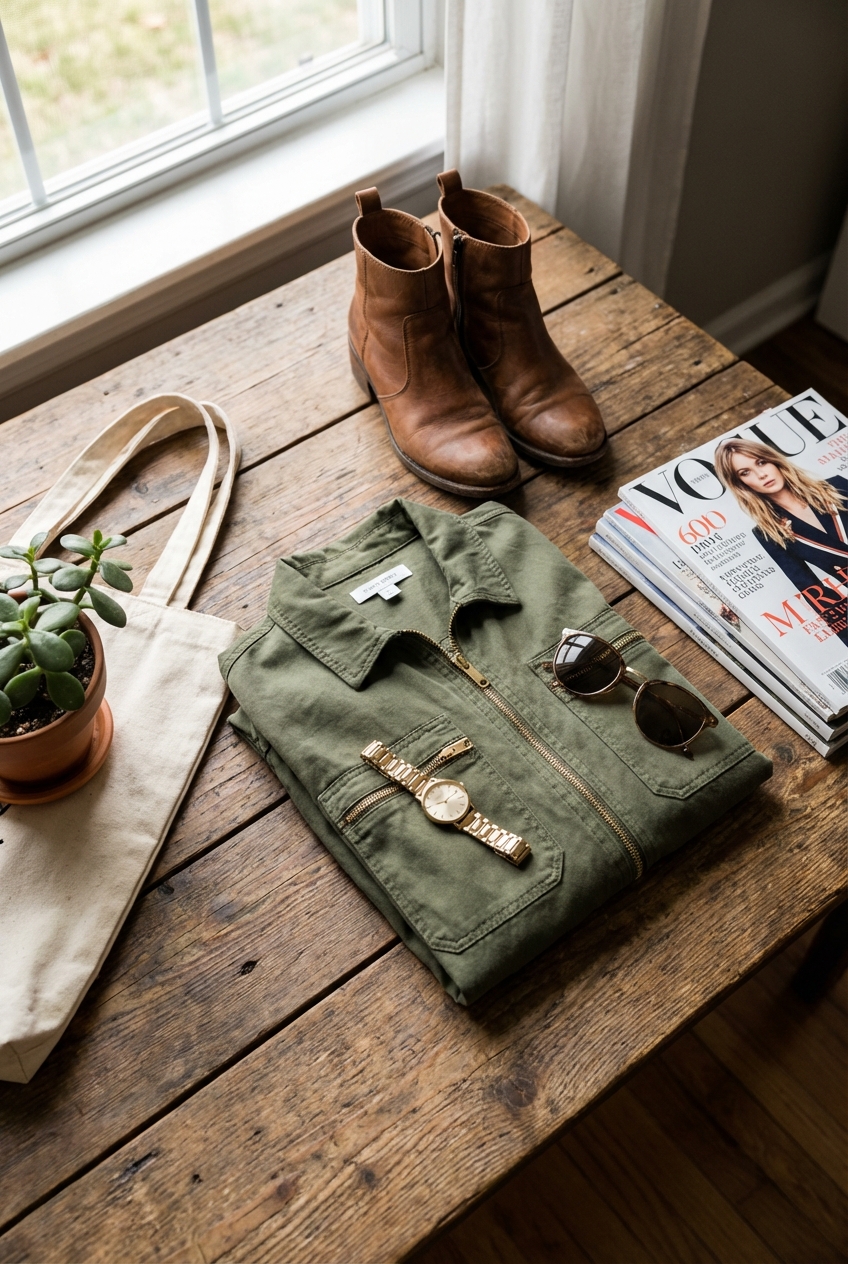
Chic Utility Jumpsuits For Practical Fashion
The utility jumpsuit is the sartorial equivalent of a Swiss Army knife: indispensable, highly functional, and undeniably sharp when designed well. As a fashion stylist who has spent years curating wardrobes for high-powered women on the go, I often refer to the jumpsuit as the ultimate “one-and-done” solution. There is something deeply empowering about stepping into a single garment that instantly creates a finished silhouette without the fuss of coordinating separates.
However, the line between “chic utility” and “actual mechanic” is finer than most people realize. I recall a fitting with a client last fall who brought in a vintage flight suit she had found online. While the idea was romantic, the heavy canvas fabric swallowed her frame, and the dropped crotch made her legs look six inches shorter. We had to completely restructure the garment with a tailor to make it wearable. That experience reinforced a lesson I teach often: in utility fashion, fit and fabric are the dictators of style.
In this guide, we are going to dissect exactly how to select, fit, and style a utility jumpsuit so it feels luxurious rather than industrial. We will look at the architecture of the garment, the specific fabrics that drape rather than stiffen, and the styling tricks that elevate the look for any occasion. Make sure you read through to the finish because I have curated a stunning Picture Gallery at the end of the blog post to inspire your next look.
Defining the Chic Utility Aesthetic
The “utility” trend is rooted in workwear, borrowing elements from military uniforms, aviator suits, and industrial coveralls. The key to making this aesthetic “chic” lies in refinement. We want the visual interest of workwear details—patch pockets, zippers, D-rings, and epaulets—without the bulk or stiffness associated with actual manual labor clothing.
When I am shopping for a client, I look for a balance of hard and soft. If the cut is boxy and masculine, the fabric should have a soft hand or a slight sheen. If the fabric is a sturdy cotton drill, the cut needs to be nipped at the waist to define the form. The goal is to look capable and prepared, yet sophisticated enough for a lunch meeting or a gallery opening.
Designer’s Note: The Pocket Rule
One of the most common pitfalls I see is pocket placement. In utility design, pockets are prominent. If a chest pocket sits too low, it drags the visual line of the bust downward. If hip pockets are too bulky, they add unnecessary width to the hips.
What to look for: Look for flat, sewn-down patch pockets rather than bellows pockets (which expand outward) if you want a slimmer silhouette.
The fix: If you love a jumpsuit but the pockets are adding bulk, a tailor can often remove the pocket flaps or stitch the pocket bag flat to streamline the look.
Fabric Selection: Weight and Drape
The success of a jumpsuit depends almost entirely on the fabric. Unlike a dress, which hangs from the shoulders, a jumpsuit interacts with the entire length of your body. If the fabric is too stiff, you will look like a paper doll; if it is too flimsy, it will cling to every curve and undergarment line.
Cotton Twill and Drill
This is the classic utility fabric. It has a diagonal weave that provides durability and structure.
Pros: It hides lumps and bumps, holds a pressed collar beautifully, and creates a crisp, architectural silhouette.
Cons: It can be hot and unforgiving if the fit isn’t perfect.
Best for: Cooler months and structured, wide-leg styles.
Tencel and Lyocell Blends
These are my secret weapons for clients who want the utility look but prioritize comfort. These are semi-synthetic fibers made from wood pulp.
Pros: They have a beautiful, heavy drape that skims the body rather than standing away from it. They often have a “peach-skin” finish that feels luxurious.
Cons: They can show water spots easily (be careful when washing hands).
Best for: warmer weather and tapered-leg styles.
Linen and Linen-Rayon
For summer utility, linen is the standard. However, pure linen wrinkles instantly, which can make a jumpsuit look sloppy by noon.
My Advice: Always look for a linen-rayon or linen-cotton blend. The blend reduces wrinkling significantly while keeping the breathability of the flax fiber.
The Architecture of Fit: Measurements That Matter
Fitting a jumpsuit is more complex than fitting a dress or trousers because you have to account for the torso length. This is the measurement from the hollow of your neck to the crotch seam. If this measurement is off, the garment is unwearable.
The Rise and Torso Challenge
The most common complaint I hear is that jumpsuits “pull” when sitting down. This happens because the torso length of the garment is shorter than your actual torso.
The Test: When trying on a jumpsuit, you must sit down on a low chair. If the collar pulls against your neck or the crotch seam cuts into you, you need a size up or a “tall” size range.
The Metric: Ideally, you want at least 1 to 1.5 inches of ease in the rise when standing. This allows the fabric to move with you when you sit or reach up.
Waist Placement
Utility jumpsuits often feature a waistband or a drawstring. This visual break needs to hit at your natural waist (the narrowest part of your torso), not your hips.
Common Mistake: Many mass-market jumpsuits have a dropped waist to accommodate more body types. If you have a shorter torso, this will make your legs look short.
The Fix: I often use a wide elastic belt over the fabric waistband to visually raise the waistline.
Hem Lengths and Shoe Pairings
The length of your pant leg dictates your shoe choice.
Wide Leg: The hem should break 0.25 to 0.5 inches off the floor when you are wearing your intended shoes. This creates a long, continuous line. Do not let it drag; frayed hems ruin the chic factor.
Tapered Leg: These should hit at the ankle bone or slightly above. Showing a sliver of ankle skin is a crucial styling trick to break up the “block” of fabric and keep the look feminine.
Common Mistakes + Fixes
Even with a high-end purchase, styling errors can downgrade the look. Here are the issues I correct most frequently in my studio.
Mistake 1: The “mechanic effect”
Wearing a loose, boxy jumpsuit with chunky sneakers and no accessories.
The Fix: You must juxtapose the utility vibe with polished elements. Swap the sneakers for a pointed-toe bootie or a strappy sandal. Roll the sleeves to show your wrists. Add a structured leather bag.
Mistake 2: Overwhelming the frame
Choosing a jumpsuit with too many pockets, flaps, and heavy hardware on a petite frame.
The Fix: Scale is everything. If you are petite, look for “clean” utility—hidden plackets, zipper closures instead of large buttons, and smaller collars. Avoid large cargo pockets on the thighs.
Mistake 3: Ignoring the belt
Relying on the flimsy self-fabric sash that comes with the jumpsuit.
The Fix: I almost always discard the belt loops and the sash provided. Replace it with a leather belt or a structured webbing belt with a metal buckle. This instantly makes the garment look more expensive and personalized.
Styling Strategies: Day to Night
The versatility of the utility jumpsuit lies in its ability to transition. I have styled the same olive green jumpsuit for a client’s construction site visit and her dinner date that same evening.
The Daytime Edit
For a practical day look, focus on mobility and layers.
Base Layer: Wear a fitted turtleneck or a crisp white crew-neck tee underneath. unbutton the jumpsuit to the waist to let the layer show. This adds dimension.
Footwear: A fresh white leather sneaker or a lug-sole loafer.
Outerwear: If it is chilly, drape a denim jacket or a trench coat over the shoulders.
The Evening Elevation
To take the look into the evening, you need to change the focal points.
Neckline: Remove the base layer. Unbutton the jumpsuit lower than you normally would, perhaps to the bottom of the sternum.
Jewelry: This is where you go bold. Utility fabrics are matte and heavy, so they pair beautifully with shiny gold. Think chunky chain necklaces or oversized gold hoops.
Footwear: Switch to a metallic heel or a patent leather pump. The shine contrasts with the matte utility fabric.
What I’d Do in a Real Project: A Mini Checklist
If I were personal shopping for you right now, this is the exact mental checklist I would run through before letting you buy a utility jumpsuit.
1. Check the “Sit Test”: Sit on a bench. Does the crotch cut in? If yes, put it back.
2. Check the Opacity: Hold the fabric up to the light. If it is a light color (white, cream, stone), can I see the outline of the pockets through the fabric? If yes, it will look cheap.
3. Check the Hardware: Do the zippers glide smoothly? Are the buttons securely shanked or just loosely sewn on?
4. Check the Rear View: Utility jumpsuits can sometimes flatten the rear due to pocket placement. Ensure the pockets sit high on the glutes, not on the upper thigh.
Care and Maintenance for Longevity
Utility jumpsuits are often considered “rugged,” but if you want them to remain chic, you must treat them with care.
Washing Protocols
Zippers and Buttons: Always zip all zippers and button all buttons before throwing the garment in the wash. Open zippers act like little saws in the washing machine, chewing up the fabric and other clothes.
Turn Inside Out: This protects the outer finish, especially for dark colors that might fade along the seams (a common issue with olive and navy cottons).
Cold Water Only: Cotton twill shrinks. I have seen jumpsuits lose an inch of inseam after a warm wash. Always use cold water and air dry if possible.
Steaming vs. Ironing
Cotton/Linen: These need a hot iron to look crisp. A steamer often isn’t enough to get the deep creases out of heavy twill.
* Synthetics/Blends: Use a steamer. An iron can crush the pile of Tencel or leave shiny marks on polyester blends.
Finish & Styling Checklist
Before you head out the door, run through this final styling check to ensure your look is polished and intentional.
- Cuff Check: Are your sleeves rolled twice? Showing the wrist bone makes the fit look custom.
- Waist Definition: Is your belt sitting tight enough to show your shape, but loose enough to breathe?
- Hem Break: Are your pants dragging? If so, switch to a higher heel or cuff the hem.
- Contrast Element: Do you have at least one feminine or polished element (lipstick, heels, jewelry) to balance the utility vibe?
- Posture: A jumpsuit requires confidence. Stand tall to let the fabric hang correctly.
FAQs
Q: How do I handle the restroom situation?
A: This is the number one barrier to entry! The reality is, it takes extra time. My advice is to look for jumpsuits with a front zipper rather than buttons—it speeds up the process significantly. Also, ensure the jumpsuit is loose enough in the shoulders so you can easily shrug it off without a struggle.
Q: Can I wear a utility jumpsuit to a wedding?
A: It depends on the dress code. For a casual or rustic wedding, yes, provided the material is elevated (like a silk or crepe blend) and you style it with high heels and evening jewelry. For semi-formal or black tie, a utility style is generally too casual; look for a tailored tuxedo jumpsuit instead.
Q: I am curvy. Will patch pockets add bulk?
A: They can if placed incorrectly. Avoid pockets that sit directly on the widest part of your hips. Look for styles with chest pockets and diagonal slash pockets at the waist, which draw the eye inward. A belted waist is non-negotiable for curvy figures to highlight the hourglass shape.
Q: What is the best color for a versatile jumpsuit?
A: While olive green (drab) is the classic utility color, it can be hard to dress up. I recommend a black, navy, or charcoal grey jumpsuit for maximum versatility. These colors read more “fashion” and less “army surplus,” making them easier to wear for dinner or events.
Conclusion
The utility jumpsuit is more than just a trend; it is a modern uniform for the woman who values efficiency as much as aesthetics. By focusing on the quality of the fabric, the precision of the fit, and the intentionality of your accessories, you can turn this workwear staple into a high-fashion statement.
Remember that the goal is not to look like you are ready to fix a sink, but rather that you are ready to handle anything the day throws at you with grace and style. It is about appropriating the language of utility—strength, durability, function—and translating it into a silhouette that celebrates your personal style.
When you find that perfect jumpsuit, the one that fits your torso just right and makes you feel instantly put-together, buy it in every color. It will save you more time and styling stress than any other garment in your closet.
Picture Gallery


