
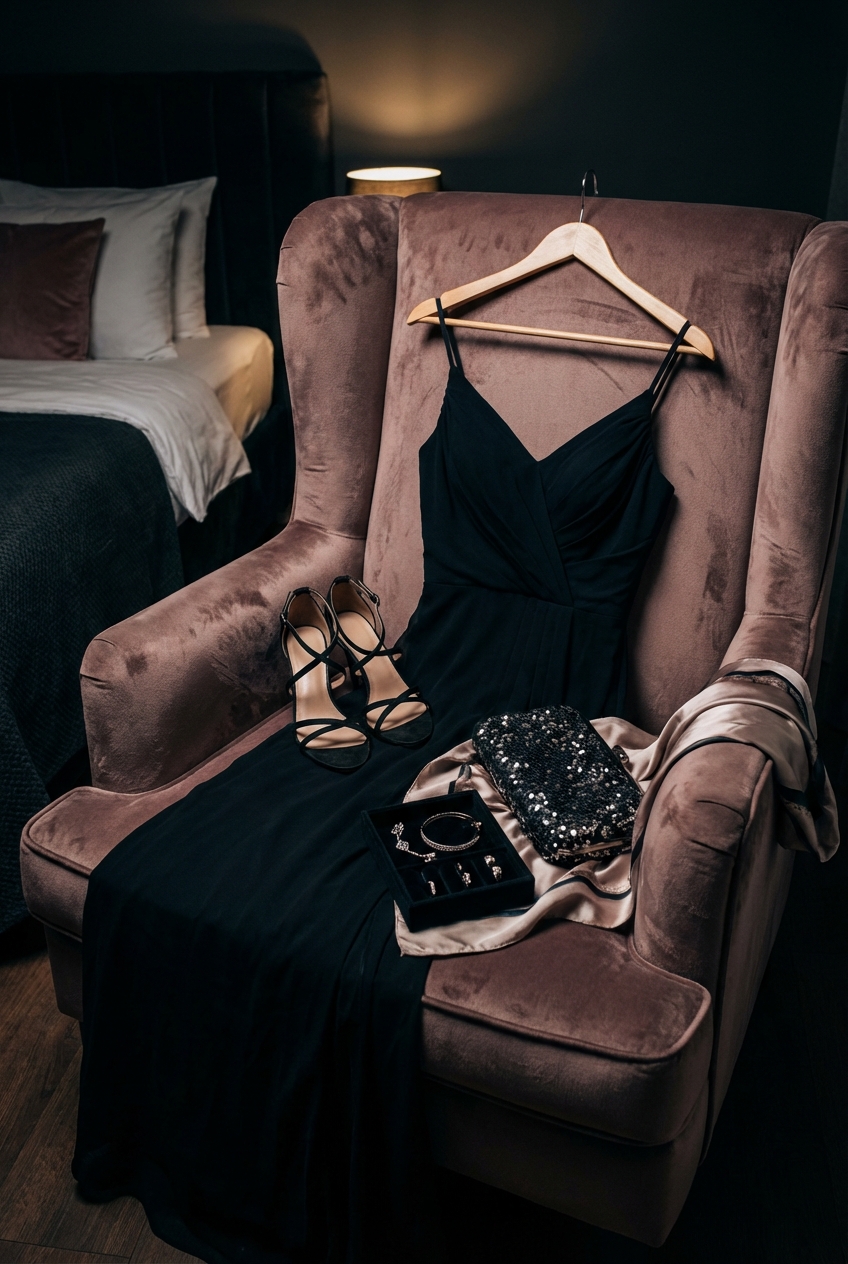
Classic Black Tie Gowns For Gala Events
Opening a heavy cardstock envelope to find an invitation to a black-tie gala is a moment of mixed emotions. There is the immediate thrill of attending a prestigious event, followed closely by the low-level panic of finding something to wear. In my years of styling clients for high-stakes evenings—from metropolitan opera openers to charity balls—I have learned that black tie is the one dress code where you cannot “wing it.” It requires strategy, lead time, and a deep understanding of garment construction.
Many women make the mistake of chasing fleeting trends for these events. They opt for cut-outs or high-low hems that feel current today but will look dated in photographs three years from now. A true classic black-tie gown is an investment in your personal brand. It should frame your face, elongate your figure, and withstand four to six hours of sitting, standing, and dancing.
The goal of this guide is to demystify the process of selecting a gown. We will move beyond simple aesthetics and discuss the mechanics of evening wear, from fabric weight to the architecture of undergarments. If you are looking for visual inspiration, check out the Picture Gallery at the end of this blog post.
Decoding the “Black Tie” Dress Code
The term “black tie” is often bandied about loosely, but in the world of traditional etiquette, it has rigid boundaries. Unlike “cocktail attire,” where knee-length is acceptable, or “creative black tie,” where you can experiment with prints, strict black tie generally mandates a floor-length gown. The visual line should remain unbroken from shoulder to floor to create that sense of formality and grandeur.
However, the definition of “floor-length” is where most styling mistakes happen. In my experience, a gown that actually drags on the floor is a liability. It gets stepped on, it collects dust, and it ruins your posture. The ideal length is exactly one-half inch to one inch off the ground while you are wearing your shoes. This creates the illusion of floating without the tripping hazard.
If you prefer to avoid a full gown, very formal tea-length dresses can occasionally pass, provided the construction is impeccable. We are talking about structured silk failles or heavy brocades that hold their shape. If you choose a shorter length, the volume of the skirt must increase to compensate for the lack of length. A column tea-length dress often looks too casual; a tea-length circle skirt feels like an occasion.
Fabric Selection: The Foundation of Elegance
When I shop for clients, I touch the fabric before I even look at the price tag or the label. In evening wear, fabric choice dictates everything from how the dress photographs to how comfortable you will be after three courses of dinner. Poor quality synthetic fabrics will reflect camera flash, creating a cheap shine that ruins pictures.
Velvet
For autumn and winter galas, velvet is the gold standard. It absorbs light rather than reflecting it, which makes the colors appear deeper and richer in photographs. Velvet also has inherent weight, meaning it drapes beautifully over the body and hides undergarment lines better than almost any other material. It is naturally warm, which is a practical consideration for drafty ballrooms.
Silk and Satin
Bias-cut silk or heavy satin creates a liquid, statuesque look that is incredibly timeless. However, these fabrics are unforgiving. They require precise tailoring and completely seamless undergarments. If you choose satin, you must perform the “crush test.” Squeeze a handful of the fabric for ten seconds. If it wrinkles immediately, put it back. You will look disheveled before you even finish the cocktail hour.
Crepe and Chiffon
Matte crepe is my go-to for clients who want a modern, structured look without the shine. It has a slight stretch, making it comfortable for sitting. Chiffon should generally be reserved for spring or summer events, or used as an overlay. Chiffon lacks structure, so ensure the bodice has boning or a heavy lining to keep the gown secure.
Stylist’s Note: The Photography Factor
In a real project, I always test a gown with a phone flash before purchasing. Some black fabrics can read as brown or navy under harsh lighting. Additionally, sheer panels often look much more transparent in flash photography than they do in a dressing room mirror. Always check your opacity levels to avoid accidental exposure.
The Silhouette Strategy
Finding the right silhouette is not just about body type; it is about the “energy” you want to project. The silhouette determines how you move through the room. When selecting a shape, you must consider the venue. Is it a crowded seated dinner? A standing reception? A theater event?
The Column
The column gown is sleek, minimalist, and confident. It takes up very little physical space, making it excellent for crowded events. However, a column dress restricts your stride. I always check that there is a back slit or side vent that allows for natural walking. Without it, you will find yourself shuffling, which kills the elegance of the look.
The A-Line
This is the most universally flattering and practical silhouette. It is fitted through the bodice and waist, then gently flares out. This shape is incredibly forgiving through the hips and allows for complete freedom of movement. If you plan on dancing, an A-line gown is your best friend. It also allows for airflow, keeping you cooler than a body-con style.
The Mermaid/Trumpet
This silhouette offers high drama. It is fitted through the hips and thighs before flaring out at the knee. While visually stunning, it is the most restrictive. You cannot take long strides, and sitting can sometimes be uncomfortable if the dress is too tight through the mid-thigh. I only recommend this for events where you will mostly be standing or posing, rather than moving extensively.
The Neckline and Jewelry Equation
A common error I see is a disconnect between the neckline of the gown and the jewelry selected. These two elements must work in harmony. The goal is to guide the eye to your face, not to clutter the décolletage.
Strapless and Sweetheart
This leaves a large expanse of skin, which serves as a perfect canvas for a statement necklace. A collar necklace or a heavy bib style works well here. Alternatively, you can skip the necklace entirely and wear dramatic chandelier earrings, provided your hair is swept back.
V-Neck and Plunge
A V-neck demands a pendant that mimics the shape of the neckline. The necklace should stop at least two inches above the fabric of the dress. If the plunge is deep, a lariat necklace can look incredibly sophisticated. Avoid round chokers with V-necks, as the shapes conflict.
High Neck and Halter
Never wear a necklace with a high-neck gown. It creates visual clutter and fights with the garment’s construction. Instead, focus entirely on earrings and bracelets. A large cuff bracelet is a fantastic way to balance a high-neck gown, drawing attention to your arms and hands.
Engineering the Look: Undergarments and Tailoring
You can spend $5,000 on a designer gown, but if your foundation garments are wrong, it will look like a $50 dress. Conversely, a modest vintage find can look like couture with the right structure underneath. This is the unglamorous part of styling that makes the magic happen.
Shapewear Strategy
For black-tie, I almost always recommend high-waisted shaping shorts rather than a bodysuit. Bodysuits can be a logistical nightmare in a restroom stall with a floor-length gown. Shorts provide smoothing for the hips and thighs while remaining accessible.
Tape and Adhesives
Do not rely on the dress alone to stay up, especially if it is strapless. Double-sided fashion tape is essential. Place a strip along the top edge of the bodice to secure it to your skin. This prevents the constant “hiking up” motion that many women unconsciously do throughout the night.
Common Mistake + Fix:
Mistake: Visible bra straps or an ill-fitting strapless bra that creates back bulges.
Fix: Have your tailor sew bra cups directly into the lining of the gown. This ensures the support is exactly where the dress needs it and eliminates the need for a separate bra entirely. For larger busts, a long-line bustier provides support from the waist up, rather than hanging from the shoulders.
The Logistics of Accessories
Accessories for black tie should be small, precious, and intentional. The “tote bag” mentality has no place here. You need to edit your belongings down to the absolute essentials.
The Evening Bag
Your bag should be small enough to hold in one hand but large enough for your phone, lipstick, and breath mints. A hard-shell clutch or a minaudière is the traditional choice. Avoid bags with long shoulder straps unless they are delicate chains that can be tucked inside. The bag is jewelry; it is not luggage.
Shoes and Hemlines
I cannot stress this enough: buy your shoes before you do your final alteration. The hem must be cut to the specific millimenter of the heel height. If you switch from a 4-inch heel to a 2-inch heel last minute, you will be tripping over your hem all night.
Wraps and Outerwear
Arrival and departure are part of the event. Do not ruin your look by throwing a casual trench coat or a puffer jacket over your gown. If it is cold, opt for a faux fur stole, a velvet cape, or a tuxedo blazer draped over the shoulders. The coat check creates a first impression; make it count.
Finish & Styling Checklist
Before you head out the door, run through this mental checklist. These are the final touches that separate a polished look from a chaotic one.
- Steaming: Have you steamed the dress? Wrinkles on the back of the skirt (from sitting in the car) are inevitable, but start the night crisp.
- The Sit Test: Sit down in a dining chair for 5 minutes in your dress. Does it pinch? Does the zipper hold? Better to know now than at the table.
- Emergency Kit: Pack a tiny kit in your clutch containing safety pins, a blister plaster, and a single breath mint.
- Deodorant Check: ensure you are using a clear gel or spray to avoid white transfer marks on the bodice of the gown.
- Static Guard: Spray the inside of the skirt and your legs with anti-static spray to prevent the fabric from clinging awkwardly as you walk.
- Scuff Check: Inspect your heels. A scuffed heel can ruin the polish of the entire outfit.
FAQs
Can I wear a dress with sleeves to a black-tie event?
Absolutely. In fact, long sleeves can look incredibly regal and sophisticated. Think of sequined sleeves or sheer lace sleeves. They provide coverage while adding texture. It is often a more confident choice than a standard sleeveless gown.
Is black boring for a gala?
Black is never boring; it is safe, chic, and slimming. However, because many people wear black, you risk blending into the crowd. If you choose black, make sure the texture is interesting (velvet, sequins, feathers) or the silhouette is architectural. Accessorize with emeralds or diamonds to break up the darkness.
Can I wear a tuxedo instead of a gown?
Yes, a women’s tuxedo (Le Smoking) is a fantastic, powerful alternative to a gown. It must be perfectly tailored. The trousers should be long enough to cover your heels, and the jacket should be fitted. Pair it with a feminine camisole or nothing underneath (if the button stance allows) for a sensual, modern look.
What do I do if the dress code says “Creative Black Tie”?
This is your permission to break the rules slightly. You can opt for a high-low hem, a bold print, or a jumpsuit. However, keep the fabrics luxurious. You can be creative with the shape, but the quality must remain high.
Conclusion
Attending a black-tie gala is a rare opportunity to step outside the utilitarian nature of daily dressing and embrace fantasy. While the rules of length, fabric, and fit provide the guardrails, your personal style is the engine. Whether you choose a sculptural crepe column or a sweeping velvet A-line, the most important element is your confidence.
When your undergarments are secure, your hem is perfect, and your fabric flatters you, you stop thinking about your clothes. You stand taller, you smile more easily, and you become present in the moment. That effortless presence is the true definition of elegance.
Picture Gallery


