
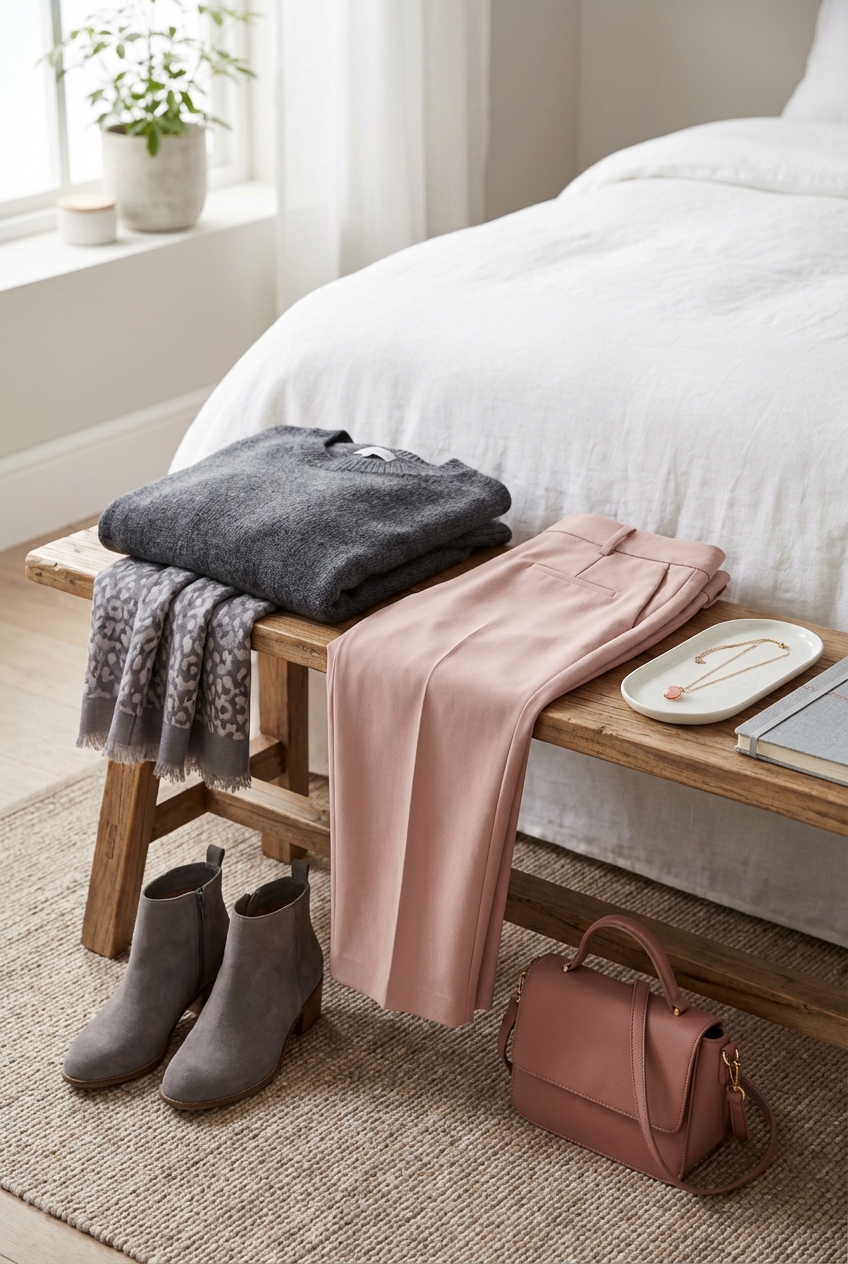
Classic Grey And Pink Outfits That Are Effortlessly Chic
There is a misconception in the fashion world that pink is reserved solely for spring florals or younger demographics. For years, I avoided the color in my own wardrobe, fearing it lacked the gravitas needed for high-stakes client meetings or industry events. That changed when I discovered the anchoring power of grey. When you pair the softness of pink with the utilitarian, structured nature of grey, you create a balance that is sophisticated, modern, and incredibly versatile.
The combination works because it bridges the gap between masculine tailoring and feminine softness. Grey acts as the perfect neutral canvas—less harsh than black and more interesting than beige—allowing pink to provide warmth without overwhelming the eye. Whether you are dressing for a boardroom presentation or a casual Sunday brunch, this color duo offers endless possibilities if you understand texture and tone.
In this guide, I will walk you through the nuances of pairing these shades, from selecting the right undertones for your complexion to choosing fabrics that elevate the look. You can find our curated Picture Gallery at the end of the blog post for visual inspiration.
Mastering The Color Wheel: Undertones and Shades
Before you start pulling clothes from your closet, you need to understand the science behind the pairing. Not all greys and pinks play well together. The success of this outfit combination relies entirely on matching the “temperature” of the colors.
If you are drawn to cool greys—think slate, silver, or blue-based charcoal—you must pair them with cool pinks. Look for blush tones with a hint of violet, magenta, or icy pastels. This creates a harmonious, crisp look that signals high-end intentionality. Mixing a cool steel grey with a warm, peachy pink often results in a visual clash that makes the outfit look accidental rather than styled.
Conversely, if your grey item has warm undertones—like greige, taupe, or a mushroom grey—you should lean toward warmer pinks. Coral, salmon, and deep rose gold tones work beautifully here. This combination feels earthier and softer, making it ideal for knitwear and autumn transitions.
Designer’s Note: The 70/30 Rule
In my styling practice, I almost never recommend a 50/50 split of color. It cuts the body in half visually. Instead, apply the 70/30 rule. Let one color be the dominant foundation (70%) and the other be the accent (30%). For example, a charcoal grey suit (70%) with a silk pink blouse (30%) looks powerful. A pink dress (70%) with a grey blazer (30%) looks approachable yet polished.
The Corporate Edge: Charcoal and Blush
Navigating office wear requires a delicate balance of authority and approachability. Charcoal grey is the ultimate power color; it commands respect without the severity of a black suit. When you introduce blush pink into this equation, you soften the silhouette just enough to appear modern and accessible.
The key to nailing this look is structure. Soft colors like blush can look sloppy if the fabric lacks weight. Ensure your pink items are tailored. A silk button-down should have a crisp collar. A pink shell top underneath a blazer should be made of high-quality crepe or viscose, not thin cotton jersey.
What I’d Do in a Client Session
If I were styling a CEO for a press junket, I would start with a pair of high-waisted, wide-leg trousers in charcoal wool. I would tuck in a structured, pale pink blouse made of heavyweight silk.
To finish the look, I would add a grey plaid blazer draped over the shoulders. The mix of the solid trouser and the patterned blazer adds depth, while the pink blouse acts as a light reflector, brightening the face.
Common Mistakes + Fixes
Mistake: Wearing a light grey suit with a light pink shirt.
Fix: This lacks contrast and can wash out your complexion. If you choose a light pink top, anchor it with a dark charcoal or slate grey suit to create visual boundaries.
Casual Elegance: Heather Grey and Soft Rose
Weekend wear implies comfort, but it shouldn’t imply sloppiness. This is where heather grey—that classic, speckled grey often found in sweatshirts and tees—shines. It has a natural athletic vibe. Elevating this fabric requires pairing it with intentional, feminine pink pieces.
Think about textures. A heather grey cashmere sweater paired with rose-colored denim is a fantastic Saturday ensemble. The matte texture of the denim contrasts beautifully with the fuzzy softness of the cashmere.
Alternatively, consider a grey midi skirt in a jersey knit paired with a chunky, oversized pink cardigan. This plays with silhouette volume. The slim skirt highlights your shape, while the oversized knit adds that “effortlessly chic” factor.
Realistic Constraints: Maintenance
Light pink pants or skirts are high-maintenance items, especially for city living or moms with small children. Dirt shows instantly.
If you are dressing for a busy day, flip the script: wear grey on the bottom and pink on top. Grey denim or trousers can handle park benches and coffee spills much better than rose-colored pants. Keep the pink near your face where it is safer from daily grime.
Evening Glamour: Silver and Magenta
When the sun goes down, you can turn up the saturation. While daytime looks rely on blush and charcoal, evening looks thrive on metallics and jewel tones. Silver is essentially the “party version” of grey, and magenta is the high-drama cousin of pink.
A slip dress is a staple in a high-end wardrobe. A silver silk slip dress paired with magenta velvet heels creates a stunning, unexpected pop of color. Alternatively, a magenta cocktail dress worn with a structured, metallic silver trench coat offers a futuristic, high-fashion aesthetic.
This combination works because both colors have high reflectivity. They catch the light in low-lit restaurants or event halls. However, fit is paramount here. Satin and silk show every crease and line, so ensure you have the proper undergarments to create a smooth foundation.
Styling Checklist for Evening Wear
- Fabric Sheen: Ensure both fabrics have a similar level of “dressiness.” Don’t pair a casual grey cotton wrap with a formal pink satin gown.
- Shoe Choice: Avoid black shoes with this combo; they will look too heavy. Opt for nude, silver, or a matching pink.
- Jewelry: Silver jewelry is the natural choice here. It bridges the gap between the grey tones and the cool brights of the pink.
Texture Play: Knits, Silks, and Leathers
The difference between a flat outfit and a dynamic one is usually texture. Because grey and pink are distinct colors, you have a lot of room to play with contrasting materials without looking chaotic.
One of my favorite cold-weather combinations involves grey leather (or high-quality faux leather). A grey leather pencil skirt has an edgy, architectural quality. When you pair it with a fluffy, angora blend pink sweater, you soften the hardness of the leather.
Conversely, a pink tulle or pleated chiffon skirt is incredibly romantic and airy. To keep it from looking like a costume, ground it with a heavy grey wool turtleneck or a structured grey blazer. The weight of the wool forces the tulle to feel more contemporary and grounded.
Pro-Level Rule: Weight Distribution
Visual weight matters. Darker colors look “heavier” than lighter ones. If you have a pear shape and want to balance your proportions, wear the darker charcoal grey on the bottom and the lighter pink on top.
If you have broad shoulders and want to draw the eye downward, wear a deep raspberry or hot pink skirt (visual weight) with a light dove grey top.
Accessorizing The Look
Accessories are the glue that holds a grey and pink outfit together. Many people default to black accessories, but this can sometimes be too harsh, creating a “bumblebee” effect of stark blocks of color.
Instead, look for accessories in neutral families. Taupe, nude, and white are excellent bridge colors. A white bag with a grey and pink outfit looks fresh and clean, especially in the spring.
For jewelry, cool greys and pinks demand silver, platinum, or white gold. If you are wearing the warmer “greige” and salmon combination mentioned earlier, rose gold is your best friend. It picks up the pink tones while harmonizing with the warm grey.
The Shoe Dilemma
Shoes can make or break this palette. Here is my cheat sheet for shoe pairings:
- Nude Pumps: The safest bet. They elongate the leg and let the clothes do the talking.
- Grey Suede: If you can find shoes that match your grey trousers or skirt exactly, it creates a seamless, high-end column of color.
- Metallic Silver: Best for evening or to add a bit of edge to a casual look.
- Burgundy/Oxblood: Surprisingly chic. Since burgundy is essentially a deep, dark red/pink, it acts as a monochromatic grounding element for lighter pinks.
Finish & Styling Checklist
Before you head out the door, run through this quick mental checklist to ensure your grey and pink ensemble is polished and cohesive.
- Check the Undertones: Did you mix cool grey with cool pink, or warm with warm? Do not mix icy silver with salmon.
- Assess the Contrast: Is there enough difference between the shades? Avoid medium grey with medium pink; aim for light/dark contrast.
- Fabric Quality: Are the pinks opaque? Cheap, thin pink fabric reveals undergarments and looks inexpensive. Ensure proper lining.
- The Third Color: If you added a third color (shoes, bag, coat), is it a neutral? White, beige, or denim are safe bets. Avoid adding red, orange, or green unless you are intentionally color-blocking.
- Proportion Control: Did you follow the 70/30 rule? Make sure one color is the lead actor and the other is the supporting character.
- Grooming: Because pink draws attention to the face, ensure your makeup is balanced. A similar tone of blush or lip color can tie the whole look together.
FAQs
Can I wear grey and pink if I am over 50?
Absolutely. This combination is ageless. In fact, soft pink reflects light onto the face, which can have a youthful, brightening effect on the complexion. The key is in the cuts of the clothing—stick to tailored blazers, structured trousers, and high-quality knits rather than graphic tees or distressed denim.
What do I do if I love pink but it doesn’t suit my skin tone?
Move the pink away from your face. Wear a grey sweater or blouse, and incorporate pink through a skirt, trousers, or even just a handbag. This way, you get the style benefit of the color combination without the color clashing with your complexion.
Can I wear patterned grey and pink?
Yes, but scale is important. A grey plaid suit with a thin pink windowpane check is a classic, sophisticated pattern. If you are mixing prints (like a striped top and floral skirt), ensure one pattern is significantly larger than the other, and that the grey and pink shades are identical in both pieces to connect them visually.
Conclusion
Grey and pink is a timeless pairing that offers the best of both worlds: the reliability of a neutral and the joy of a color. It allows you to express femininity without sacrificing power, making it as suitable for the corner office as it is for a cocktail party.
The secret to making this look “effortlessly chic” lies in the intentionality of your fabric choices and the precision of your color matching. By respecting undertones and playing with textures—like mixing heavy wools with light silks—you elevate the outfit from a simple color match to a styled ensemble.
Remember, fashion is meant to be a tool for self-expression. Use the guidelines and rules provided here as a foundation, but do not be afraid to experiment with different saturations and silhouettes until you find the balance that feels right for you.
Picture Gallery


