
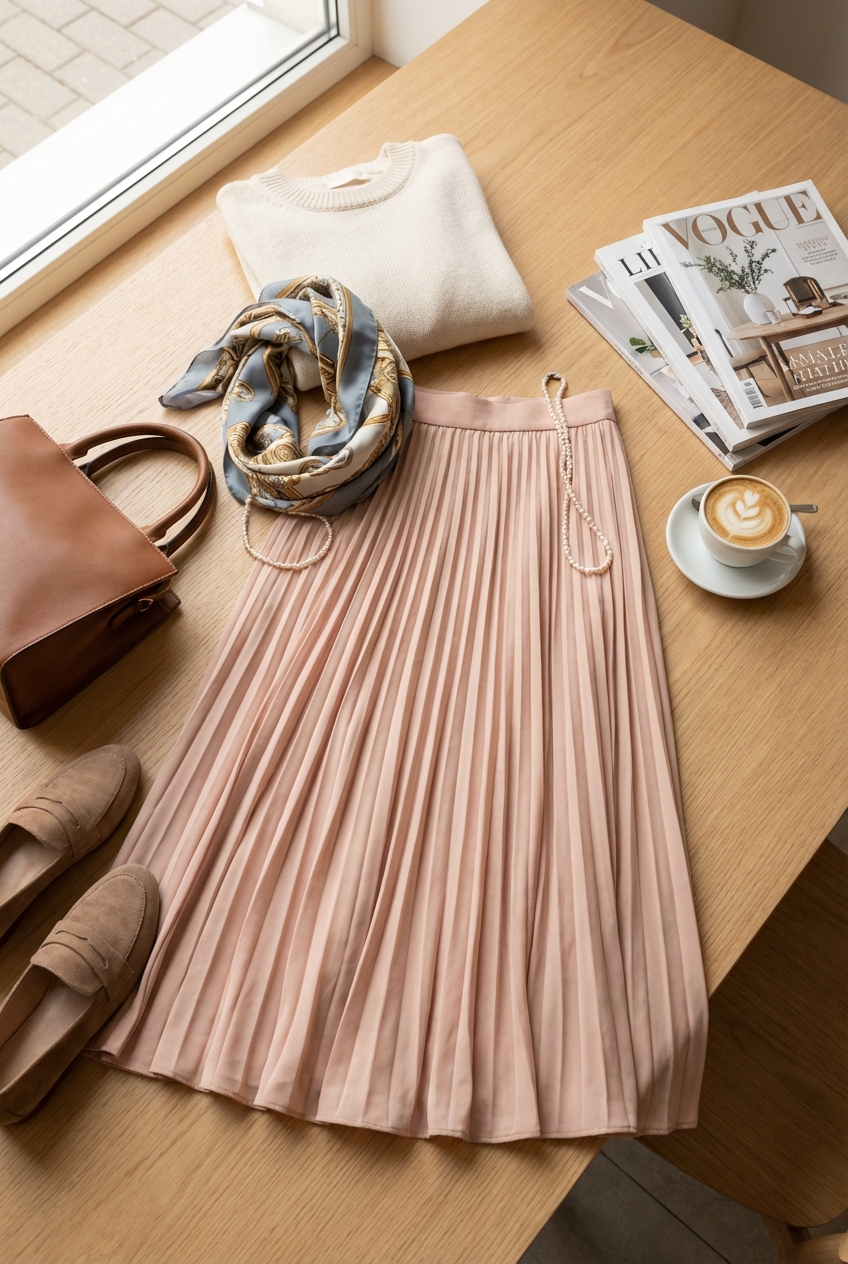
Classic Midi Skirts For Feminine Elegance
Introduction
The midi skirt is perhaps the most versatile yet misunderstood garment in a modern woman’s wardrobe. It sits right in the middle of the spectrum, offering the modesty of a maxi with the mobility of a mini, creating a silhouette that is inherently sophisticated. I remember my first high-stakes client meeting years ago; I swapped my usual tailored trousers for a bias-cut silk midi skirt, and the shift in my posture and confidence was palpable.
There is a rhythm to wearing a midi skirt that requires a specific understanding of proportion and balance. Unlike a simple pair of jeans, a midi skirt demands that you pay attention to where the hem hits your leg and how the fabric interacts with your footwear. When executed correctly, it elongates the frame and provides a polished aesthetic that works as well in a boardroom as it does at a weekend brunch.
However, many women avoid this style because they fear it will make them look shorter or “frumpy.” In this guide, I will break down the architectural rules of styling this classic piece so you can wear it with absolute authority. For a curated look at some of my favorite styling combinations, be sure to check out the Picture Gallery at the end of the blog post.
1. The Architecture of Length and Proportion
The definition of a midi skirt is simple technically, but complex in practice. It describes any hemline that finishes between the knee and the ankle. However, the precise millimeter where that fabric ends dictates the success of the entire outfit.
If the hem cuts across the widest part of your calf, it creates a horizontal line that visually widens the leg and shortens the silhouette. The goal is to hit the “sweet spot.” This is usually the area just below the knee where the leg begins to taper, or lower down near the ankle bone where the calf creates a slimming curve.
For petite women, this measurement is even more critical. I often recommend taking skirts to a tailor to be hemmed exactly two inches below the knee. This preserves the “midi” look without overwhelming a smaller frame with excess fabric.
Designer’s Note: The Rule of Thirds
In fashion styling, we often use the “Rule of Thirds.” A midi skirt naturally creates a 2/3 to 1/3 ratio on the body, with the skirt occupying the lower two-thirds. This is visually pleasing to the human eye. To maintain this, ensure your waistband sits at your natural waist (the narrowest point of your torso), not your hips.
2. Selecting the Right Silhouette for Your Shape
Not all midi skirts are constructed equally. The cut of the skirt changes how it moves and how it highlights your body. Understanding the physics of the garment will help you choose the right one for your lifestyle.
The A-Line Midi
This is the most universally flattering shape. It cinches at the waist and gradually flares out, skimming over hips and thighs without clinging. It is an excellent choice for pear shapes or anyone wanting to create an hourglass illusion.
The Bias Cut
Made famous in the 1930s, the bias cut involves cutting the fabric at a 45-degree angle. This allows the fabric to stretch and drape fluidly over the body’s curves. It is incredibly feminine and elegant but requires seamless undergarments as it is unforgiving of texture underneath.
The Pleated Midi
Accordion pleats add vertical lines to the look, which can be very elongating. However, be wary of cheap pleats that flatten out over the hips. A high-quality pleated skirt should maintain its crisp folds from the waistband down to the hem.
Common Mistakes + Fixes
Mistake: Wearing a stiff, boxy A-line skirt that adds bulk to the hips.
Fix: Choose fabrics with “drape” and weight, such as rayon, silk blends, or fine wool. Avoid stiff cottons that stand away from the body unless you are intentionally aiming for an architectural look.
3. Fabric Composition and Weight
The elegance of a midi skirt is largely determined by the quality of the fabric. In my years of styling, I have found that material choice is the difference between a skirt that looks expensive and one that looks cheap.
Silk and Satin
For evening wear or elevated day looks, silk and high-quality satin are premier choices. Look for a weight of at least 19 momme for silk. This weight ensures the skirt hangs properly and doesn’t fly up with the slightest breeze or cling due to static.
Wool and Tweed
For cooler months, wool blends offer structure and warmth. These fabrics hold their shape well, making them perfect for pencil or A-line cuts. When buying wool, check the lining. A midi skirt in a scratchy fabric must be fully lined with a breathable material like viscose or cupro, not cheap polyester that traps heat.
Linen and Cotton
These are your summer staples. However, they are prone to wrinkling. If you choose a linen midi, look for a cotton-linen blend. The cotton adds stability to the fiber, reducing the aggressive creasing that occurs after sitting for five minutes.
4. The Shoe Equation
The most frequent question I receive regarding midi skirts is, “What shoes do I wear?” Because the hem draws attention to the lower leg, your footwear choice defines the style genre.
The Knee-High Boot
This is my favorite pairing for fall and winter. The boot should disappear under the hem of the skirt. This creates a continuous, unbroken line of color and texture, which is incredibly chic and elongating. Avoid a gap of skin between the boot top and the hem, as this chops the leg into segments.
The Pointed Pump or Flat
To extend the leg line, opt for a pointed toe. A round toe can sometimes look juvenile or stubby with a longer skirt. A pointed toe physically leads the eye outward, adding visual inches to your height.
The minimal Sneaker
For a practical, city-walking look, a clean white leather sneaker works beautifully. The key here is to show a bit of ankle. The sneaker should be low-cut. High-tops combined with a midi skirt can shorten the leg significantly unless you are very tall.
Real-World Constraint: Commuting
If you walk to work or take public transit, avoid floor-sweeping midis or delicate silks that snag easily. Opt for a structured knit midi or a denim midi. These fabrics withstand the friction of movement and sitting on transit seats without looking disheveled upon arrival.
5. Tops and Layers: Balancing Volume
Styling is about equilibrium. Since a midi skirt covers a significant portion of the body and often involves volume or length, your top half generally needs to be more fitted or structured to avoid looking like you are drowning in fabric.
The Fitted Turtleneck or Bodysuit
This is a classic pairing. A slim-fitting top tucked seamlessly into the waistband highlights the waist and balances the fullness of the skirt. Bodysuits are particularly useful here as they prevent the “bunching” that happens when you tuck in a regular t-shirt.
The Cropped Cardigan
If you prefer not to tuck, choose a top that ends exactly at the waistband of the skirt. A cropped knit or a boxy jacket that hits at the high hip works perfectly. It defines the waist without the bulk of extra fabric inside the skirt.
The Blazer Overlay
For a fashion-forward look, you can wear an oversized blazer over a midi skirt. However, this breaks the traditional volume rules. To make this work, belt the blazer on the outside to re-establish your waist, or leave the blazer open to show the vertical column of the body underneath.
Designer’s Note: The Third Piece Rule
Always add a “third piece” to finish the look. If you are wearing a skirt and a top, the third piece could be a belt, a structured handbag, or a draped trench coat. This adds depth and intentionality to the outfit.
6. Seasonal Transitions and Outerwear
One of the trickiest aspects of the midi skirt is pairing it with a coat. The lengths can fight with each other if you aren’t careful.
Coat Length Rules
You generally have two options for harmony. Option one is a cropped jacket (leather or denim) that hits at the waist. Option two is a long coat (trench or wool) that is either the exact length of the skirt or slightly longer.
The “Awkward” Length
Avoid coats that end at mid-thigh. This creates a “stair-step” effect that looks messy. You want the silhouette to flow. If your coat is shorter than your skirt by more than a few inches, it breaks the visual line.
Winterizing the Midi
Do not be afraid of tights. Opaque black tights with a black midi skirt and black boots create a powerful, monochromatic column. For lighter skirts, look for fleece-lined tights in nude tones that mimic skin but provide warmth in freezing temperatures.
7. Finish & Styling Checklist
Before you leave the house, run through this mental checklist that I use on editorial sets and with private clients.
The “Sit Test”
Sit down in a chair. Does the skirt pull uncomfortably across the hips? Does the slit rise too high, exposing undergarments? If it’s a button-front skirt, do the buttons gap? A skirt must function in motion, not just standing still.
The Waistband Check
Can you fit two fingers comfortably in the waistband? If not, it is too tight and will create an unflattering “spillover” effect when you sit. If you can fit a whole hand, it is too loose and will slide down, ruining your proportions.
The Static Check
Midi skirts, especially synthetics or silks, love static electricity. Walk across the room. If the fabric clings to your legs, use an anti-static spray or run a wire hanger over the fabric to discharge the electricity.
What I’d Do in a Real Project:
- Hemming: I almost always hem off-the-rack skirts. Removing even one inch can drastically change the shoe options available to you.
- Lining: If a client loves a skirt but it’s unlined and sheer in the sun, I add a separate half-slip in a nude tone. It solves transparency issues and helps the skirt drape better.
- Storage: I hang midi skirts by the waistband clips, never folded over a hanger bar (which creates creases). For bias-cut skirts, I recommend folding them gently in a drawer to prevent them from stretching out lengthwise over time.
FAQs
Can petite women wear voluminous pleated midi skirts?
Yes, but scale is everything. Look for “knife pleats” which are finer and flatter than wide box pleats. Ensure the skirt sits high on the natural waist and pair it with a very fitted top and heels to regain height.
How do I stop my midi skirt from twisting around as I walk?
This usually happens if the fit is slightly off at the waist or hips. A quick fix is to use a small piece of fashion tape to secure the waistband to your top or skin. For a permanent fix, a tailor can take in the waist so it anchors firmly to your body.
Is it appropriate to wear a midi skirt to a formal event?
Absolutely. A midi skirt in a luxe fabric like heavy silk, velvet, or brocade is perfectly acceptable for black-tie optional or cocktail attire. Pair it with embellished heels and statement jewelry to elevate the formality.
Can I wear flats with a midi skirt without looking short?
Yes. The secret is showing skin. A low-vamp flat (one that shows toe cleavage) extends the leg line. Pointed-toe flats are your best friend here. Avoid ankle straps with flats, as they cut the leg line off at the ankle.
Conclusion
The classic midi skirt is a testament to the idea that elegance does not require revealing everything. It is a garment of subtlety, grace, and immense power. By mastering the proportions—ensuring the hem hits the right spot on your calf and balancing the volume with fitted tops—you unlock a wardrobe staple that serves you for years.
Fashion is ultimately about how you feel in what you wear. A well-fitted midi skirt provides a sense of swish and movement that is undeniably feminine. Whether you are navigating a busy workday or enjoying a slow weekend, applying these design principles will ensure you look polished, intentional, and effortlessly chic.
Picture Gallery


