
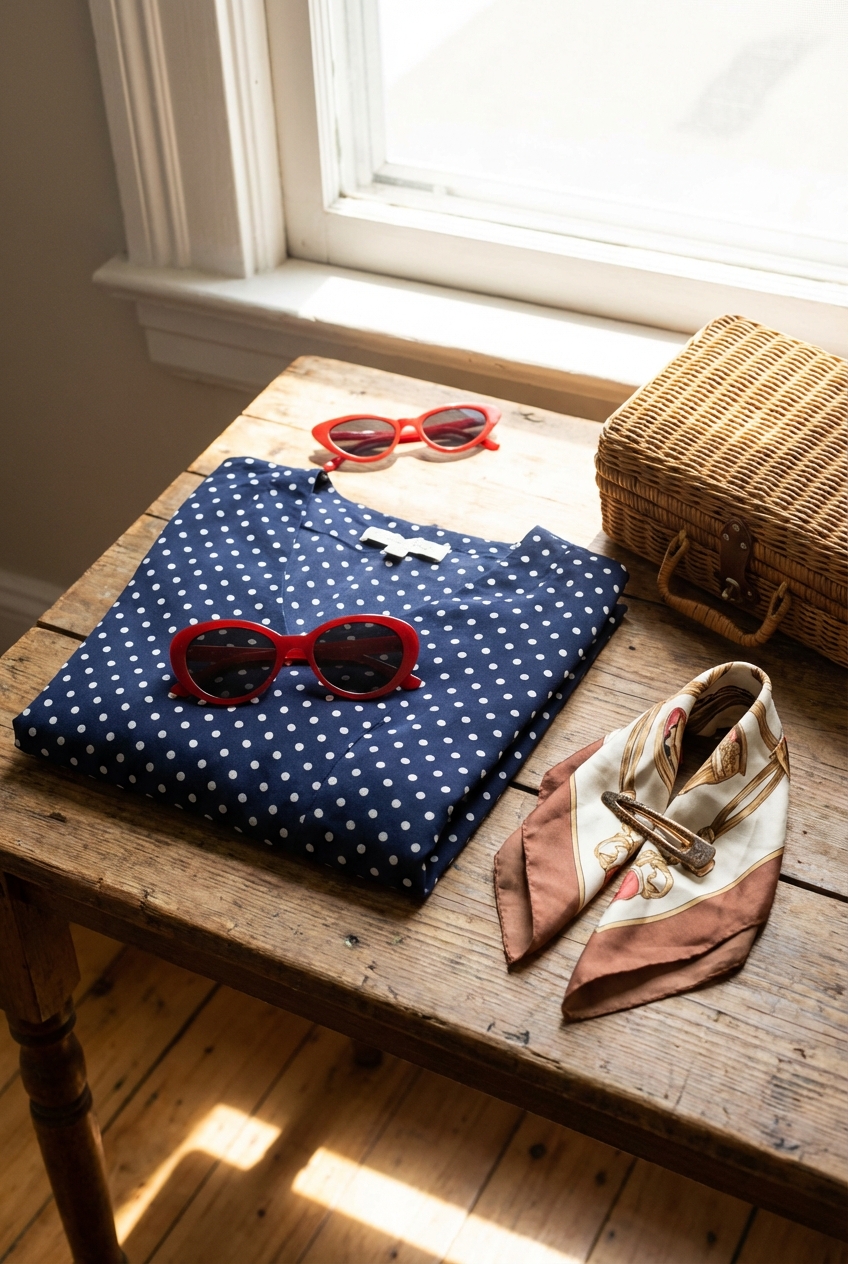
Classic Polka Dot Dresses For Retro Themed Celebrations
There is something undeniably magnetic about the polka dot. As a fashion stylist who has dressed clients for everything from Goodwood Revival to high-end vintage-themed weddings, I have seen firsthand how this pattern instantly elevates a mood. I remember my first major styling gig involving a 1950s theme; we spent hours sourcing the perfect navy swing dress, only to realize the fabric didn’t move correctly on the dance floor.
That experience taught me that capturing the retro aesthetic isn’t just about the print; it is about the architecture of the garment. You need the right weight in the fabric to achieve that iconic “swish,” and the dot size must scale correctly to your frame. It is a delicate balance between looking like a sophisticated vintage starlet and looking like you are wearing a Halloween costume.
In this guide, I will walk you through the structural nuances of selecting a polka dot dress that feels high-end and authentic. We will cover fabric choices, silhouette mechanics, and the styling rules that separate the amateurs from the experts. If you are looking for visual inspiration, be sure to check out the curated Picture Gallery at the end of the blog post.
1. Decoding the Era: Silhouette Architecture
When we talk about “retro,” we are often lumping together three very distinct decades: the 1930s, 1940s, and 1950s. To look authentic, you must pick a lane. A generic approach often results in a confusing, costume-like appearance.
For a 1930s or 1940s look, the silhouette is narrower. Dresses from this era were often cut on the bias, meaning the fabric was cut diagonally against the grain. This allows the fabric to skim the body and drape fluidly. If you are attending a tea dance or a garden party, look for “tea length” dresses in rayon or silk crepe with smaller, more discreet dots.
The 1950s silhouette is likely what comes to mind for a “retro party.” This is the era of the “New Look,” characterized by a cinched waist and a full, voluminous circle skirt. This style requires structure. You cannot achieve this look with a flimsy jersey knit. You need cotton sateen, poplin, or taffeta to hold the shape.
Designer’s Note: The Waistline Rule
One common mistake I see is the waistline sitting too low. Authentic 1950s vintage cuts hit at the natural waist, which is generally 1 to 2 inches higher than modern waistlines. To find your natural waist, bend to the side; the crease that forms is where your dress waistband should sit. If it sits on your hips, the retro proportion is lost.
2. The Science of Dot Scale and Placement
In interior design, we talk about the scale of a pattern relative to the room size. In fashion, the “room” is your body. The size of the polka dot drastically changes how the dress reads visually and how formal it appears.
Micro Dots (Pin Dots): These are dots that are less than 1/8 inch in diameter. From a distance, they almost read as a solid texture. This is the most formal and sophisticated option. It is universally flattering because it doesn’t break up the body’s vertical line. If you are petite (under 5’4″), micro dots are your best friend as they won’t overwhelm your frame.
Coin Dots: These are roughly the size of a dime or nickel. This is the classic “Minnie Mouse” or rockabilly size. It is playful, loud, and casual. This scale works best on full circle skirts where the volume of the fabric matches the volume of the print.
Dinner Plate Dots: These are massive, graphical circles, often seen in mod 1960s styles. They are high-fashion and dramatic but tricky to wear.
Pro-Tip: The Spacing Factor
Pay attention to the negative space (the background color) between the dots.
- Dense Spacing: If the dots are close together, the eye blends them, creating a slimming effect.
- Sparse Spacing: If there is a lot of background color between large dots, the eye stops at every single dot. This adds visual volume. Use sparse, large dots only on areas you want to emphasize, like the bust or the skirt hem.
3. Fabric Selection: Avoiding the “Costume” Look
The biggest giveaway of a cheap retro dress is the fabric sheen. Modern “costume” dresses are often made of high-shine polyester that looks plastic under party lights. Authentic vintage pieces were made from natural fibers or high-quality early synthetics that had a matte or semi-matte finish.
Cotton Sateen: This is my number one recommendation for a 1950s swing dress. It is cotton with a slight sheen and a tighter weave. It breathes well (crucial for summer parties) but has enough stiffness to hold a bell shape without collapsing.
Rayon Crepe: For 1940s styles, rayon is king. It has a cold, heavy hand and drapes beautifully. It does not stretch much, so fit is paramount. Avoid shiny satin finishes unless you are going for an evening gown look.
Silk Chiffon: If you are attending a formal retro wedding, a polka dot silk chiffon layered over a solid slip is the height of luxury. It offers movement and grace that stiff cotton cannot replicate.
Common Mistakes + Fixes
Mistake: Buying a dress made of thin, stretchy t-shirt material (jersey) with a printed belt.
Fix: Look for woven fabrics with a zipper closure. A zipper indicates the fabric has structure and isn’t relying on spandex to fit you. Structure equals sophistication.
4. The Foundation: Undergarments and Petticoats
You cannot build a house without a foundation, and you cannot wear a 1950s circle dress without the right undergarments. The dress is designed to sit on top of a specific shape, not directly on your skin.
For full skirts, a petticoat (crinoline) is non-negotiable. Without it, the fabric hangs limp, and the “retro” effect looks deflated. However, not all petticoats are created equal.
Scratchy vs. Soft: Avoid cheap “Halloween” petticoats made of coarse netting. They will scratch your legs and ruin your tights. Look for “chiffon” or “organza” petticoats. They provide volume but are soft against the skin.
Length Logic: Your petticoat should be 1 to 2 inches shorter than your dress hem. You want the volume to be visible, but you generally do not want the petticoat hanging out visibly unless it is a deliberate styling choice (which can look messy if not done perfectly).
For 1940s pencil styles, shapewear is key. These dresses are unforgiving. A high-waisted brief or a vintage-style girdle helps smooth the line from ribcage to hip, ensuring the bias cut fabric glides rather than clings.
5. Accessorizing: The Rule of Three
When styling a retro look, it is easy to go overboard. You add the gloves, the hat, the pearls, the belt, the cat-eye glasses, and suddenly you look like a caricature.
I follow the “Rule of Three” for retro accessories. Choose three distinct accessories and stop there. The dress is the protagonist; everything else is a supporting character.
1. The Waist Cinch: Most retro dresses come with a flimsy self-fabric belt. Toss it. Replace it with a wide, patent leather belt or a velvet sash. This creates that distinct hourglass separation between the bodice and the skirt.
2. Footwear: You do not need sky-high stilettos. In fact, they are historically inaccurate for many day looks.
- Kitten Heels: Authentic and comfortable for dancing.
- Mary Janes: The strap adds stability and fits the playful polka dot vibe.
- Saddle Shoes: Only wear these if you are specifically going for a teenage “sock hop” vibe. For a cocktail party, they are too casual.
3. Jewelry: Pearls are the classic choice for polka dots because the round shape of the pearl mimics the print. A single strand is elegant; a chunky cluster is fun. Alternatively, Bakelite bangles (or high-quality resin reproductions) add a pop of color that contrasts beautifully with black and white dots.
6. Color Theory and Modern Pairings
While black and white is the standard, don’t be afraid to experiment with color. The color of the dot versus the background changes the vibe entirely.
Navy and White: This is the ultimate nautical, summer classic. It feels fresher and less severe than black. Pair with red accessories for a patriotic Americana look, or with yellow for a bright, sunny contrast.
Red and White: This is very high-energy. To keep it from looking like a picnic tablecloth, ensure the fit is impeccable and the accessories are sleek. Avoid pairing red and white dots with denim; it leans too “farmhouse.” Instead, pair it with metallic gold sandals for an upscale twist.
Brown and Cream: This is a sophisticated, understated reference to the “Pretty Woman” polo match look. It screams “old money” and looks incredible with gold jewelry and leather accessories.
Real World Project: The “High-Low” Mix
In a recent styling project for a client attending a vintage exhibition, we modernized a classic 1950s polka dot dress. Instead of doing the full retro hair and heels, we paired the dress with a sharp, modern leather moto jacket and pointed-toe ankle boots. The juxtaposition of the sweet, retro print with the edgy, modern leather made her look fashion-forward rather than stuck in the past.
7. Styling Checklist: The Final Fit Check
Before you head out the door, run through this “What I’d Do” checklist. These are the final adjustments I make on set to ensure the look is polished.
Check the Hemline:
For a midi length (tea length), the hem should hit at the muscular narrowing of the calf, not the widest part. If it hits the widest part of your calf, it will make your legs look shorter. Tailor it up or down by an inch to hit that sweet spot.
Sit Test:
Sit down in a chair. Does the waist dig in uncomfortably? Does the skirt rise up too high? Vintage silhouettes have no stretch. If you can’t sit comfortably, you need the next size up.
The Ironing Rule:
Polka dots tend to hide wrinkles better than solids, but a crisp hem is essential. heavy starch on a cotton skirt makes the dots pop and keeps the A-line shape rigid.
Undergarment Scan:
Check your neckline. Vintage boat necks or square necks are wide. Ensure your bra straps are not peeking out. Use lingerie tape to secure the dress to your shoulders if necessary.
FAQs
Q: Can I wear a polka dot dress to a formal evening wedding?
A: Yes, but fabric is key. Avoid cotton. Opt for silk, chiffon, or satin. Smaller dots (pin dots) are more formal than large coin dots. Stick to darker background colors like black, navy, or emerald green for an evening appropriate look.
Q: How do I clean a vintage or vintage-reproduction dress?
A: Always check the care label. However, for cotton sateen with a vibrant print (like red dots on white), I recommend using a “color catcher” sheet in the wash to prevent the red dye from bleeding onto the white background. For rayon or silk, dry cleaning is the safest option to prevent shrinking.
Q: Do I have to wear red lipstick with polka dots?
A: It is the classic choice, but not the only one. If red feels too bold, a hot pink lip looks modern and fresh with black and white dots. A deep berry stain works beautifully for a moody, 1940s vibe.
Q: What do I do if I am between sizes?
A: Always buy the size that fits your largest measurement (usually the bust or waist for these styles) and tailor the rest. It is easy to take in a waist; it is impossible to add fabric where there isn’t any.
Conclusion
Embracing a retro theme is about more than just putting on a costume; it is about respecting the design principles of a bygone era. The polka dot dress is a garment that demands a certain posture and attitude. It invites you to be playful yet poised.
By focusing on the quality of the fabric, the scale of the pattern, and the structural foundation of the undergarments, you can transcend the “costume party” clichés. You will not just look like you are dressed for a theme; you will look like a connoisseur of style. Whether you choose the fluid drape of the 1940s or the architectural volume of the 1950s, wear it with confidence. After all, the best accessory for any polka dot dress is the joy you feel while wearing it.
Picture Gallery


