
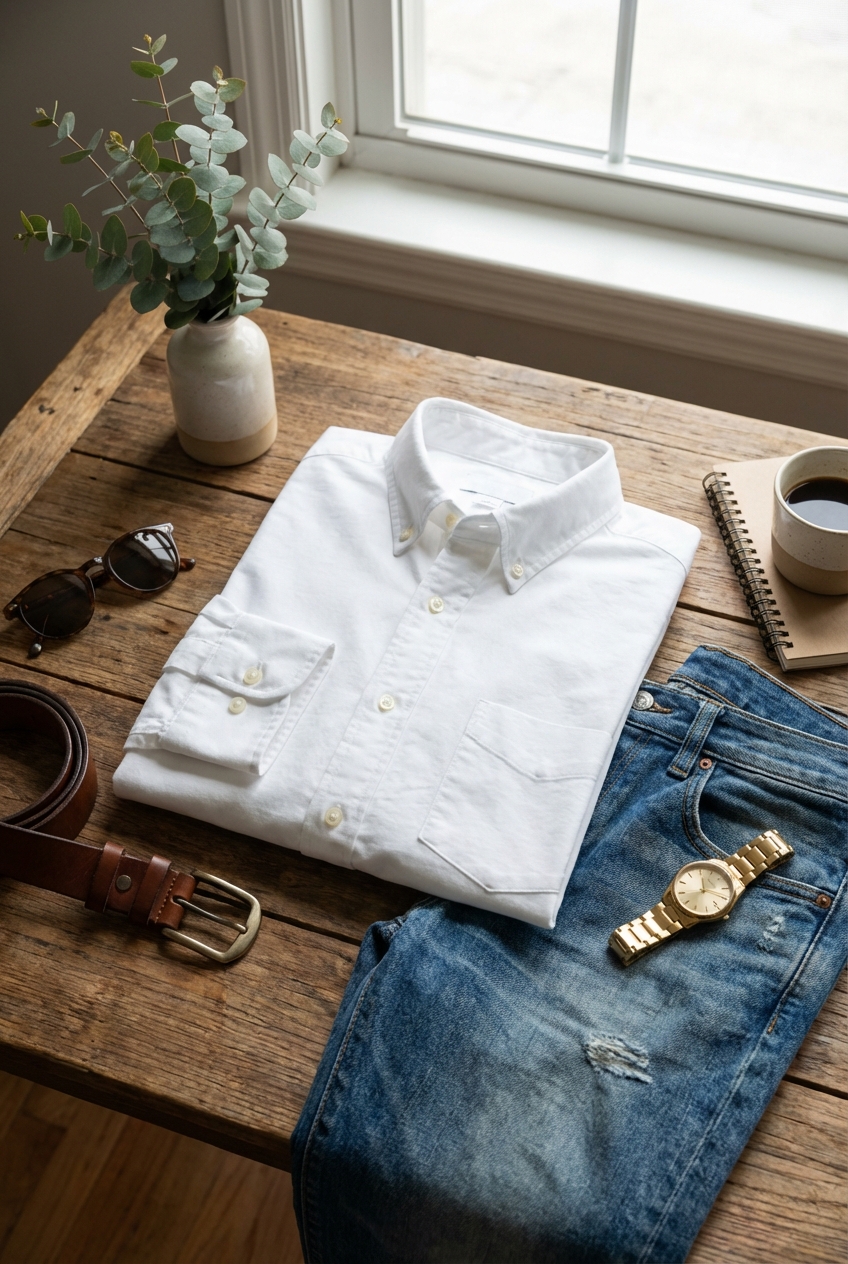
Classic White Button Down Shirts For Everyday Style
I recall my first major investment piece as a junior stylist in New York. It wasn’t a handbag or a pair of heels, but a crisp, perfectly tailored white poplin shirt. That single garment saved me during fashion weeks, client meetings, and last-minute dinner dates. It taught me that simplicity, when executed with high-quality materials and the right fit, often speaks louder than the loudest trend.
The white button-down is the architectural backbone of a functional wardrobe. It serves as a blank canvas that reflects your personal style, whether you lean toward minimalist, bohemian, or corporate power dressing. However, finding “the one” is rarely as simple as grabbing the first option off the rack. It requires an understanding of fabric weight, collar construction, and silhouette balance.
In this guide, I will break down exactly how to select, style, and care for this essential piece. We will move beyond the basics and discuss the nuanced details that elevate a look from average to expert. For visual inspiration on how to style these looks, be sure to check out the curated Picture Gallery at the end of the blog post.
Understanding the Fabric Hierarchy
The most critical mistake I see clients make is ignoring fabric composition. The material dictates how the shirt hangs on your body, how much it wrinkles, and where it can be worn. In high-end fashion, we treat fabric choice as the foundation of the entire outfit.
Cotton Poplin
This is the gold standard for a crisp, professional look. Poplin has a tight, flat plain weave that creates a smooth surface and a slight sheen. It holds its shape incredibly well, making it ideal for popping a collar or creating architectural cuffs. Look for 100% cotton with a high thread count.
Cotton Oxford
Oxford cloth is heavier and features a basket-weave structure. It has a slightly rougher texture and is generally more durable than poplin. I recommend this for casual, everyday wear. It softens beautifully over time but lacks the formal sharpness of poplin.
Linen
For summer months or resort wear, linen is non-negotiable. It has a natural, breathable weave that allows for maximum airflow. The inevitable wrinkling is part of the charm; it signals a relaxed, effortless luxury. However, avoid linen for strict corporate environments unless it is a high-quality cotton-linen blend designed to resist creasing.
Silk and Crepe de Chine
If you want fluidity and drape, silk is the answer. A silk button-down does not stand away from the body; it glides over it. This is your evening or date-night option. It reflects light beautifully and feels incredible against the skin, but it requires significantly more care.
Designer’s Note:
Always check the opacity of the fabric before buying. Place your hand inside the shirt while in the store. If you can see your skin tone clearly through a “work” shirt, it is too sheer. A high-quality white shirt should be opaque enough to obscure a nude bra.
The Architecture of Fit
Fit is where a white shirt succeeds or fails. As a stylist, I look for specific anchor points on the body to determine if a shirt is tailored correctly. You can have the most expensive fabric in the world, but if the shoulder seam is off, the look is ruined.
The Shoulder Seam
For a classic fit, the seam where the sleeve attaches to the body should sit exactly at the corner of your shoulder bone. If it creeps up toward your neck, the shirt is too small. If it droops down your arm (and it’s not intentionally oversized), it looks sloppy.
The Bust and Buttons
The dreaded “gaposis”—the gap between buttons at the bust line—is a common issue. When trying on a shirt, sit down and move your arms forward. If the placket pulls open, you need to size up. It is always better to buy a larger size to fit your bust and have the waist tailored in.
Sleeve Length
Unbuttoned cuffs should fall just past your wrist bone to the start of your thumb joint. This allows enough fabric for your arm to bend without the sleeve shooting up your forearm. If you plan to wear the shirt under a blazer, this length ensures a quarter-inch of cuff shows at the jacket sleeve, which is a mark of proper tailoring.
Common Mistakes + Fixes:
- Mistake: Thinking “oversized” means buying a shirt three sizes too big in a standard cut.
- Fix: Buy a shirt specifically cut to be oversized. These are designed with dropped shoulders and wider bodies but maintain a scaled neck and cuff so you don’t look like you’re drowning in fabric.
Styling For Proportions and Balance
Styling a white shirt is an exercise in balancing volume. The rule of thumb in design is to contrast your silhouettes. If you are wearing volume on top, keep the bottom streamlined. If the top is fitted, you have freedom to add volume below.
The French Tuck
This is the most effective way to define your waist while wearing a looser shirt. Tuck only the front panel of the shirt into your waistband, leaving the back loose. This elongates the leg line while maintaining the relaxed vibe of the shirt. It works best with mid-to-high-rise denim.
The Full Tuck
For a polished office look, a full tuck is essential. To avoid the “muffin top” effect of excess fabric bunching around your waist, fold the side seams of the shirt backward before tucking them into your trousers. This creates a military-style pleat that keeps the front and back flat.
The Knot
Knotting a shirt at the waist immediately transitions the garment from workwear to weekend wear. Undo the bottom two or three buttons. Take the two front tails and tie them in a square knot right at your natural waistline. This pairs exceptionally well with high-waisted midi skirts or wide-leg linen trousers.
Layering Techniques
A white button-down is the ultimate layering piece. Place it under a crewneck cashmere sweater, letting the collar and tails poke out. This adds brightness to the face and texture to the outfit. Ensure the collar points are tucked inside the sweater neck for a preppy look, or popped out for a more dramatic flair.
From Boardroom to Brunch: Occasion Guide
Versatility is the primary reason we invest in this item. A single high-quality shirt can navigate different social codes if you adjust the supporting elements.
Corporate Professional
Pair a crisp poplin shirt with a pencil skirt or tailored wool trousers. Button the shirt all the way to the collar stand for a severe, high-fashion look, or leave the top button undone for approachability. Add a statement watch and pointed-toe pumps. The shirt should be fully tucked.
Creative Casual
Use an oversized oxford shirt as a light jacket. Wear a fitted tank top or bodysuit underneath and leave the shirt unbuttoned. Pair this with straight-leg vintage denim and loafers. This looks intentional but comfortable.
Evening Elegance
Take a silk or satin white shirt and unbutton it lower than you would for the office—perhaps to the third button. Layer delicate gold necklaces in the open neckline. Tuck it tightly into a black satin maxi skirt or wide-leg velvet trousers. Add a bold red lip to elevate the palette.
What I’d Do in a Real Project:
For a client heading on a business trip, I pack one poplin shirt and one silk shirt. The poplin handles the daytime meetings with a suit. The silk shirt pairs with jeans for dinner or with the suit pants for evening cocktails. Two shirts cover five days of events.
Care and Maintenance
White shirts require a higher level of maintenance than any other garment. Keeping them optic white and crisp is essential; a dingy or yellowed white shirt degrades your entire appearance.
Washing Rules
Never wash your good white shirts with colors. Even light greys or creams can transfer dye over time, dulling the brightness. wash whites with whites only. Use warm water for cotton and cool water for silk.
Dealing with Stains
Treat stains immediately. For collar ring (the yellowing from sweat and makeup), use a dedicated enzyme stain remover before putting it in the wash. Avoid chlorine bleach. It seems counterintuitive, but bleach can actually yellow cotton fibers over time by reacting with proteins. Use an oxygen-based brightener instead.
Ironing vs. Steaming
For poplin and cotton, you must iron. Steaming will remove wrinkles, but it won’t give you that crisp, pressed finish that defines the look. Iron the shirt while it is slightly damp. Start with the collar, then cuffs, then sleeves, and finish with the body. For silk, always use a steamer to avoid scorching the delicate fibers.
Designer’s Note:
Invest in high-quality hangers. Wire hangers will distort the shoulder shape of your shirts, creating “shoulder nipples.” Use wooden or padded hangers to maintain the structural integrity of the shoulder seam.
Investment Strategy: What to Look For
When you are ready to buy a high-quality shirt, look at the details. These small manufacturing choices are usually the difference between a $50 shirt and a $250 shirt.
Buttons
Look for Mother of Pearl buttons. They are thicker, have a natural iridescence, and are cool to the touch. Plastic buttons often look dull and can crack in the dryer. Also, check for a “shank” on the button—thread wrapped around the stem of the button to give it space to fasten without pulling the fabric.
Stitch Density
Examine the stitching on the collar and cuffs. High-quality shirts have a higher stitch density (more stitches per inch). This makes the seams stronger and creates a cleaner, more refined line. If the stitches look long and loose, put the shirt back.
The Yoke
The yoke is the panel of fabric across the back of the shoulders. A “split yoke” (where the fabric is cut in two pieces and sewn together at the center back) allows for better movement and fit than a single piece of fabric. This is a hallmark of superior tailoring.
Fabric Origin
If the label specifies Two-Ply Cotton or Egyptian Cotton, it is generally a good sign. Two-ply means two yarns were twisted together to create a single thread before weaving, resulting in a stronger, smoother fabric that resists pilling.
Finish & Styling Checklist
Before you walk out the door, run through this quick mental checklist to ensure your look is polished.
- Collar Check: Is the collar standing up correctly? If it feels flimsy, insert collar stays (small plastic or metal strips) into the slots under the collar points.
- Cuff Assessment: Are the cuffs clean and buttoned? If rolling, use the “Master Roll” (fold the cuff up once to the elbow, then fold the remaining fabric up to meet the cuff) for staying power.
- Lint Roll: White fabric shows every dark hair and fuzz. Give yourself a quick pass with a lint roller.
- Undergarments: Check your mirror in natural light. Is your bra invisible? If not, switch to a skin-tone option.
- The Tuck: Raise your arms fully overhead. Does the shirt pull out of your pants completely? If so, your pants may be too low-rise, or the shirt too short. Adjust accordingly.
FAQs
Q: Can I wear a white shirt if I have a large bust?
A: Absolutely. The key is to avoid stiff, high-necked styles that create a “shelf” effect. Opt for a V-neck opening or unbutton the top few buttons to create a vertical line. Look for shirts with bust darts, which provide extra fabric curvature for a better fit.
Q: How do I keep my white shirts from turning grey?
A: This usually happens due to mineral buildup from hard water or dye transfer. Add a half-cup of distilled white vinegar to your rinse cycle occasionally to strip detergent buildup. And again, never wash with colors.
Q: Is it okay to wear a white shirt to a wedding?
A: Yes, provided it is styled as a separate and not a dress. A crisp white silk button-down tucked into a dramatic ballgown skirt is a classic, chic look (think Carolyn Bessette-Kennedy). Just ensure the skirt is clearly a color or print so you don’t look bridal.
Q: How often should I dry clean my shirts?
A: Try to avoid dry cleaning standard cotton shirts too often, as the harsh chemicals can degrade the fibers. Laundering at home is actually better for the longevity of cotton. Reserve dry cleaning for silk or difficult stains.
Conclusion
The white button-down shirt is more than just a piece of clothing; it is a tool for self-expression. It demands very little from you in terms of styling effort but gives back immensely in terms of elegance and authority. Whether you choose a stiff poplin for the office or a breezy linen for the weekend, the impact remains the same: polished, prepared, and effortlessly chic.
By focusing on the architecture of the fit and the quality of the fabric, you elevate a basic item into a signature look. Remember that the best wardrobe is not the one with the most clothes, but the one with the right clothes. A perfect white shirt is always the right choice.
Picture Gallery


