
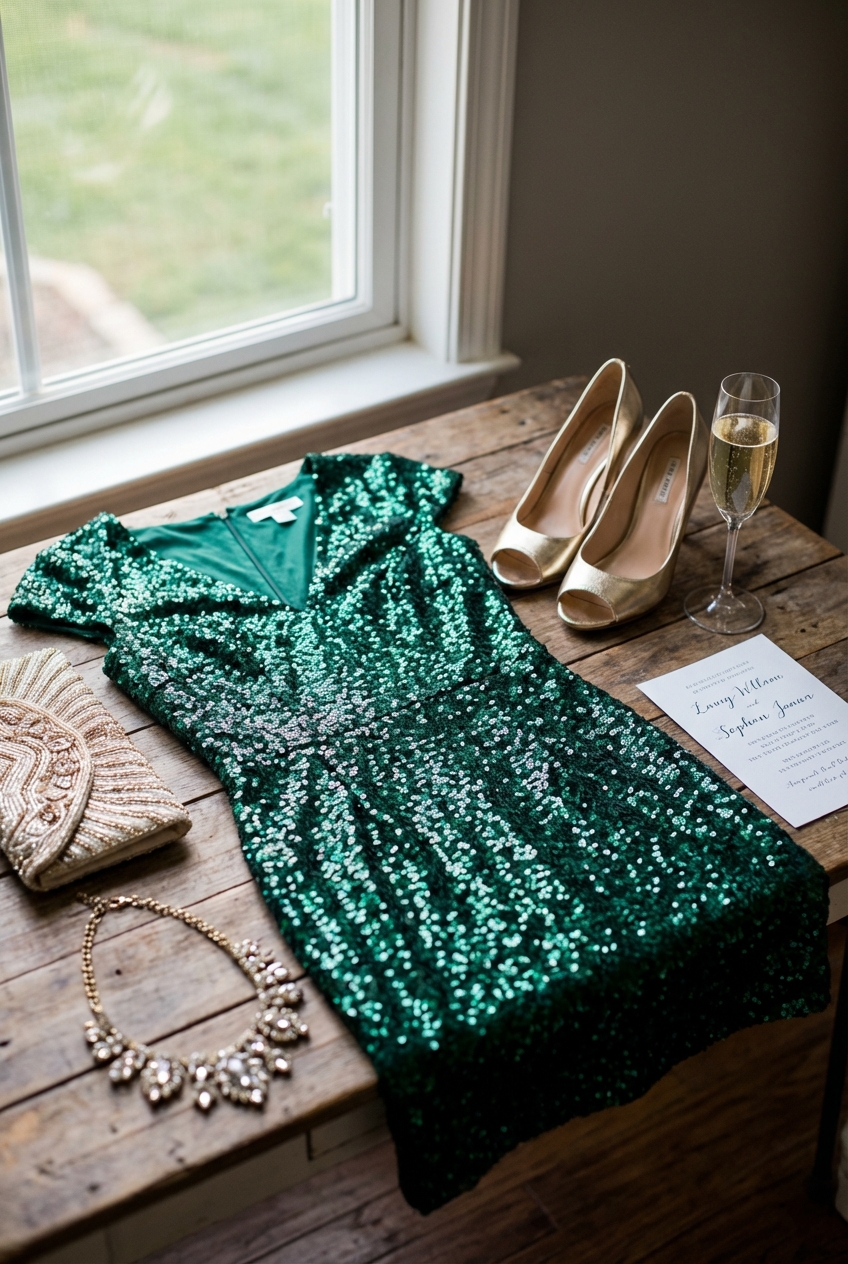
Cocktail Party Attire Glamorous Looks For Evening Events
There is a specific moment of panic that happens when you open an invitation and see the words “Cocktail Attire.” It implies a dress code that sits precariously between “business casual” and “black tie,” leaving a wide margin for interpretation and error. I have styled countless clients for these events, and the goal is always the same: look polished enough to honor the host, but relaxed enough to hold a drink and hold court.
Cocktail attire is essentially the bridge between daywear and formal evening wear. It demands fabrication that catches the light, silhouettes that flatter without restricting movement, and accessories that elevate the entire ensemble. When I am pulling looks for a client, I focus on balancing sophistication with personal flair, ensuring they feel confident walking into a crowded room.
In this guide, I will break down the mechanics of the perfect cocktail look, from hemline geometry to the engineering of high heels. I will share the rules I use in the fitting room to ensure every outfit is photo-ready and comfortable for hours of standing. Make sure to browse the Picture Gallery at the end of this post for visual inspiration regarding these glamorous looks.
Decoding the Dress Code: The Rules of Engagement
The definition of cocktail attire has evolved, but the core principles of proportion and polish remain unchanged. Understanding the boundaries helps you break them intentionally rather than accidentally. The first element to consider is the formality of the venue.
For a standard cocktail event, the hemline is your primary indicator of appropriateness. I generally advise clients to stay within the “safe zone”: anywhere from two inches above the knee to a midi length that hits mid-calf. Floor-length gowns are typically too formal unless the invitation specifies “Black Tie Optional,” while micro-minis can feel disconnected from the elegance of the evening.
Fabric choice is the second non-negotiable variable. Cotton, linen, and jersey generally read too casual for evening events, even if the cut is sophisticated. Instead, prioritize materials that have inherent structure or sheen, such as silk, crepe, velvet, or high-quality lace.
Stylist’s Note: The “Sit Test”
One lesson I learned early in my career involves fabric recovery. Always perform a “sit test” before purchasing a cocktail dress. Sit down for 60 seconds, then stand up. If the dress has gathered deep, horizontal creases across the lap, skip it. You will likely spend half the event sitting, and you want to look just as pristine when you stand up to mingle.
The Silhouette Spectrum: Beyond the LBD
While the Little Black Dress is a reliable standby, modern cocktail attire offers much more versatility. When selecting a silhouette, I look for architectural details that create visual interest without overwhelming the wearer. This might be an asymmetrical neckline, a peplum waist, or a dramatic sleeve.
Sheath dresses are the gold standard for a reason. They skim the body without clinging, offering a clean line that works well with statement jewelry. If you prefer more movement, an A-line cut provides comfort and creates a classic hourglass shape that photographs beautifully.
Separates are also gaining traction in the cocktail sphere. A silk camisole paired with a high-waisted midi skirt in a contrasting texture—like satin against velvet—can look just as formal as a dress. The key to making separates work is cohesion; the top and bottom must look like they were introduced on purpose, not thrown together by accident.
Common Mistakes + Fixes
- Mistake: Wearing a dress that requires constant adjustment (tugging the hem or pulling up a strapless bodice).
- Fix: Tailoring is the solution. A strapless dress should be fitted to your ribcage, not your bust, to prevent slipping. If you are tugging, the fit is wrong.
- Mistake: Ignoring the rear view.
- Fix: Use a three-way mirror. Ensure the vent of the skirt lies flat and that undergarment lines are invisible.
Suiting and Jumpsuits: Power Dressing for Evening
For many of my clients, a dress simply doesn’t feel like “them.” In these cases, sleek tailoring is a phenomenal alternative that often reads more high-fashion than a traditional frock. A well-tailored jumpsuit or a tuxedo-inspired suit projects confidence and modernity.
When choosing a jumpsuit for a cocktail event, fabric and fit are paramount. Look for heavyweight crepe or silk blends that drape heavily; flimsy jersey jumpsuits can look too much like loungewear. The waist should be defined, either through the cut or with a metallic belt, to break up the long vertical line.
A tuxedo suit for women—often called “Le Smoking”—is a timeless choice. I recommend a slim-cut trouser paired with a jacket that has satin lapels. You can wear a silk camisole underneath or, for a bolder look, a lace bustier that peeks out slightly. This balances masculine tailoring with feminine allure.
What I’d Do in a Real Project
If I were styling a client for an art gallery opening or a corporate holiday party, I would pull a black wide-leg jumpsuit with a halter neckline. I would pair it with:
- A 3-inch metallic block heel (for stability on hard floors).
- A vintage gold cuff bracelet.
- A sleek, low bun to elongate the neck.
- This formula works because it is comfortable, covers the requisite formality, and stands out in a sea of knee-length dresses.
Fabric Selection and Seasonality
The time of year dictates your fabric choices as much as the dress code does. Wearing velvet in July looks out of touch, just as eyelet lace feels improper in December. As a stylist, I categorize cocktail wardrobes by seasonal weight and texture.
Spring and Summer:
Focus on breathability and movement. Silk chiffon, organza, and fine crepe are excellent choices. Prints are acceptable, but keep them sophisticated—think abstract watercolors or oversized florals rather than small, busy patterns. Pastels can work, but jewel tones often photograph better in evening light.
Fall and Winter:
This is the season for richness and weight. Velvet is the quintessential winter cocktail fabric; it absorbs light beautifully and provides warmth. Brocade and heavy satin also hold their shape well against coats and layers. Darker hues like emerald, burgundy, and midnight blue are universally flattering and hide potential spills better than lighter shades.
The Shoe Strategy: Engineering Comfort and Style
Footwear can make or break your experience at a cocktail event. Unlike a seated dinner, cocktail parties usually involve two to three hours of standing and circulating. Therefore, the shoes you choose must be structurally sound.
I always advise against a brand-new, unbroken-in pair of stilettos for a standing event. If you love a thin heel, opt for a height between 2.5 and 3.5 inches. Anything higher than 4 inches alters your center of gravity and can lead to visible discomfort within the hour.
Block heels are a secret weapon for these events. They provide a wider surface area for weight distribution, allowing you to stand longer without fatigue. If the dress is simple, a shoe with embellishment—crystals, bows, or metallic finishes—can serve as the focal point of the outfit.
Pro-Level Rule: The Hem-to-Heel Ratio
If you are wearing a midi dress or trousers, the relationship between the hem and the shoe is critical.
- For Midi Dresses: The hem should hit at the slimmest part of your calf. The shoe should not have a heavy ankle strap, which cuts the leg line visually.
- For Trousers: The hem should graze the top of your foot or hover 0.5 inches off the floor in the back. It should never drag, and it should never be so short that it looks like a mistake.
Accessorizing: The Rule of One
When it comes to evening jewelry, editing is essential. The “Rule of One” suggests that you choose one zone to highlight: ears, neck, or wrists. If you are wearing chandelier earrings, skip the necklace and opt for a cocktail ring. If you are wearing a statement collar necklace, keep the earrings to simple studs.
Clutches are the only acceptable bag choice for cocktail attire. A shoulder bag or tote ruins the line of the outfit and looks too daytime. The clutch should be small but functional—I measure them by whether they can fit an iPhone Pro, a lipstick, and a credit card. If it can’t hold those three things, it’s a prop, not a bag.
Consider the hardware on your accessories as part of the color palette. If your dress has a cool undertone (like icy blue or grey), silver or platinum jewelry is harmonious. For warm undertones (red, cream, olive), gold is the natural choice. Mixing metals is permitted, but one metal should be dominant.
Foundation Garments: The Architecture Underneath
The most glamorous dress will fail if the foundation garments are visible or ill-fitting. In high-end fashion styling, we consider undergarments to be part of the engineering of the look. They provide the structure upon which the fabric drapes.
Seamless underwear is non-negotiable for silk or bias-cut dresses. Even the slightest ridge will show through under event lighting. I recommend laser-cut edges in a tone that matches your skin, not the dress (unless the dress is sheer, in which case a slip is required).
Shapewear is not about changing your body size; it is about creating a smooth canvas. A high-waisted brief can prevent the waistband of tights from cutting into the midsection, creating a smoother line under a fitted dress. For plunging necklines, specialized tape or plunge bras are essential to ensure security while moving.
Designer’s Note: The Lighting Factor
Cocktail parties are often dimly lit to create atmosphere. This lighting can flatten matte fabrics like black cotton or wool. This is why I insist on texture or sheen—sequins, satin, or velvet catch the ambient light and ensure you don’t disappear into the shadows.
Outerwear: The Third Piece
A common oversight is planning the outfit perfectly but forgetting the coat. Throwing a casual parka or denim jacket over a cocktail dress ruins the entrance. Your arrival and departure are part of the visual presentation.
Invest in a dedicated evening coat. A classic wool trench, a faux fur jacket, or a structured cape creates a seamless transition from the street to the venue. If the weather is mild, a pashmina or cashmere wrap is sufficient, but it must be kept neatly folded or draped, not bunched.
For jumpsuit wearers, a blazer draped over the shoulders (the “editor drape”) is a chic way to stay warm without putting your arms through the sleeves. It adds volume to the upper body and keeps the silhouette sharp.
Finish & Styling Checklist
Before you leave the house, run through this final inspection to ensure the look is cohesive and functional.
- The Shake Test: Shake your body. Does anything slip, pop out, or twist? Secure with fashion tape if necessary.
- The Hem Check: Are there any loose threads? Use small scissors to snip them; never pull.
- Steaming: Have you steamed the back of the skirt? This is the area most prone to wrinkling in the closet.
- Hardware Polish: Are your shoes scuffed? A quick wipe with a damp cloth or leather conditioner makes a huge difference.
- Bag Contents: Do you have breath mints, lipstick for touch-ups, and a safety pin?
- Undergarment Visibility: Check under bright bathroom lighting to ensure nothing is sheer that shouldn’t be.
FAQs
Can I wear tights to a cocktail event?
Yes, absolutely. In colder months, ultra-sheer black hose (10-15 denier) can be very chic and even out skin tone. Opaque black tights (40+ denier) are acceptable with heavier fabrics like wool or velvet, but avoid them with light silks or pastels. Avoid “nude” shiny pantyhose, as they can look dated and reflect camera flash poorly.
Is it okay to wear flats?
Yes, provided they are intended for evening wear. A pointed-toe flat in patent leather, satin, or velvet with a jeweled buckle is perfectly appropriate. Avoid round-toe ballet flats that look like daytime casual wear. The shoe needs to have a sharp profile to mimic the formality of a heel.
Can I wear a watch?
A dress watch with a metal or leather band is acceptable. However, I generally advise clients to leave bulky sports watches or fitness trackers at home. They disrupt the elegance of the wrist and clash with bracelets. If you must wear a tracker, swap the band for a metal jewelry-style bracelet.
What if the invitation says “Festive Cocktail”?
This is an invitation to play with color and texture. While the silhouette rules remain the same, you can incorporate sequins, bold red or green hues (if it’s a holiday event), or statement feathers. It gives you license to be a bit louder with your accessories.
Conclusion
Mastering cocktail attire is about balancing respect for the occasion with your personal style signature. It is an opportunity to step out of the utility of daily dressing and embrace fabrics and cuts that feel special. By focusing on the right fit, appropriate fabrics for the season, and functional footwear, you can navigate any evening event with grace.
Remember that the most important element of any outfit is your comfort within it. If you are constantly adjusting a strap or wobbling on heels, you cannot be present in the conversation. Choose garments that allow you to forget what you are wearing so you can focus on the people around you. That is the true essence of style.
Picture Gallery


