Color Blocking Outfits: How to Style Them with Accessories
- Words by
- Julio Arco
- Published
- Reading
- 4 min
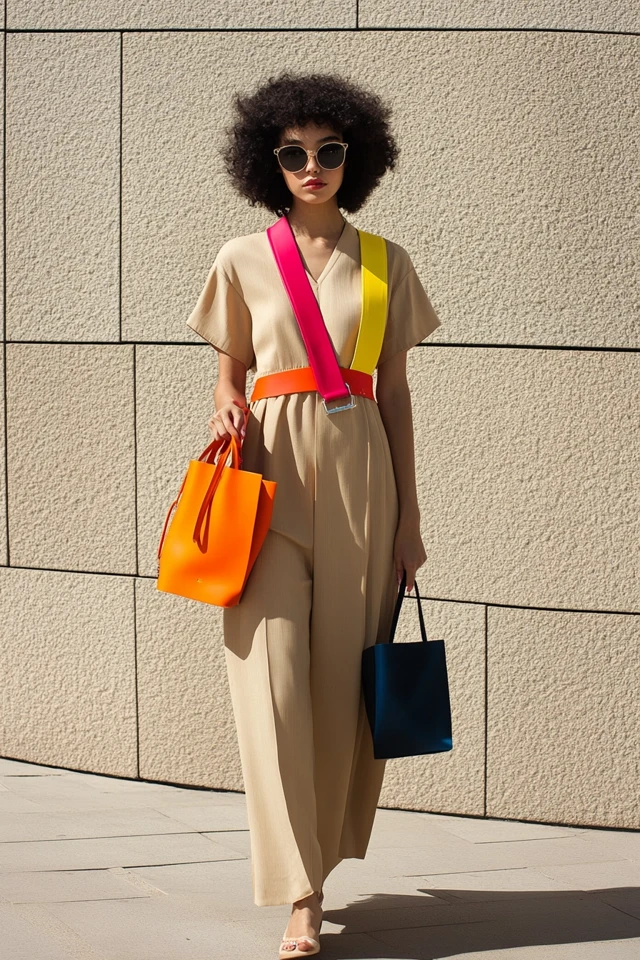
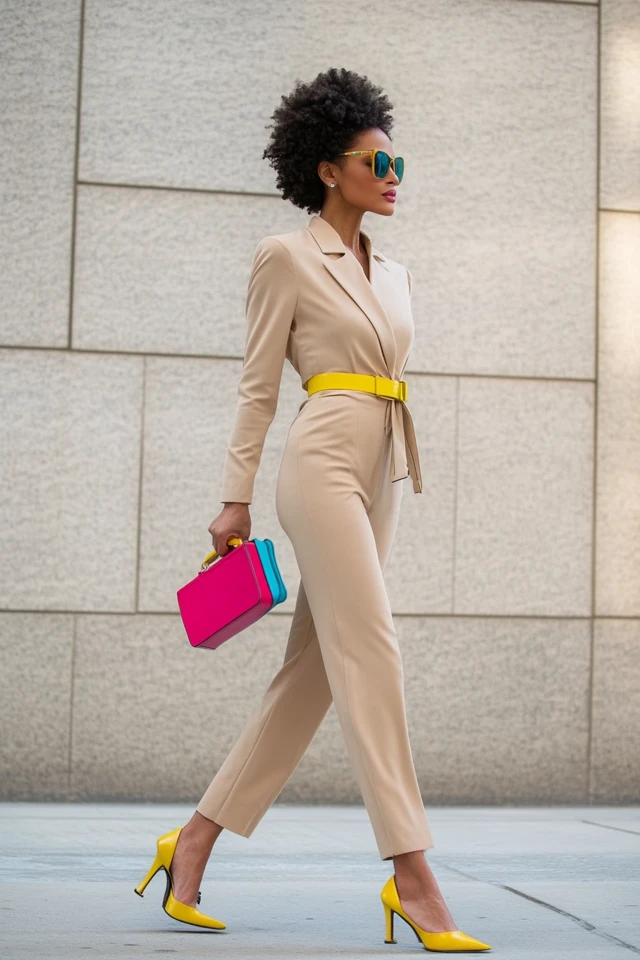
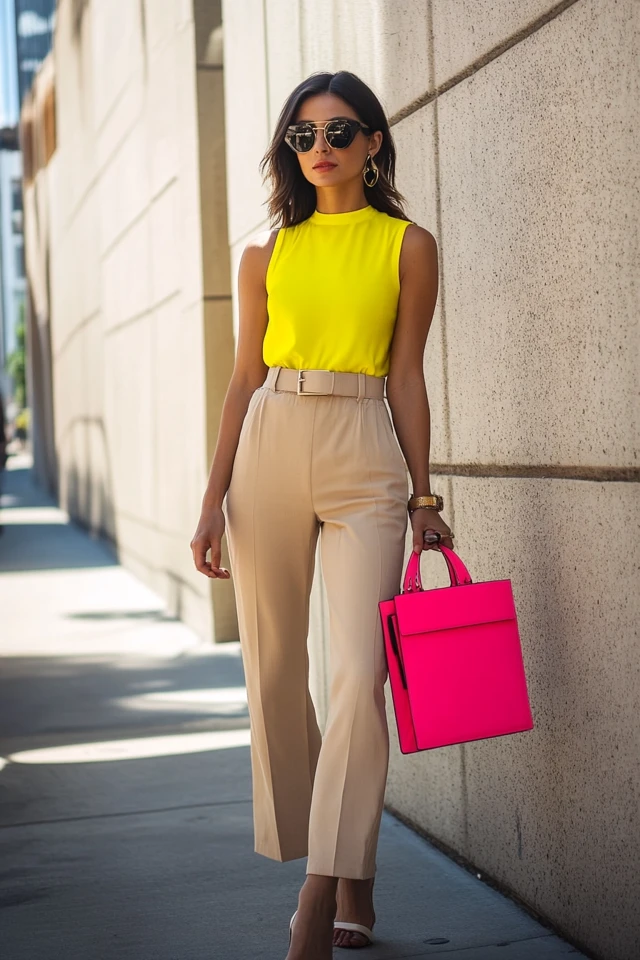
Color blocking means wearing solid, contrasting colors side by side, with clear edges between them instead of prints or gradients. The easiest way in is through accessories: one bold bag, belt or pair of shoes against a calm base.
If you have ever held a red bag in one hand and cobalt shoes in the other and wondered whether it is too much, the answer is usually to pick one of them and let it lead.
What is color blocking in an outfit?
It is a method of putting two or three flat colors next to each other so each reads as its own block. Think teal against sunny yellow, or fuchsia against deep orange. The idea is older than the modern runway: the Fashion Institute of Technology's timeline describes a fashion prevalent in Medieval Europe from the late twelfth century to the end of the fifteenth, in which garments were made in one color on one half or quarter and a different color or pattern on the other sections.
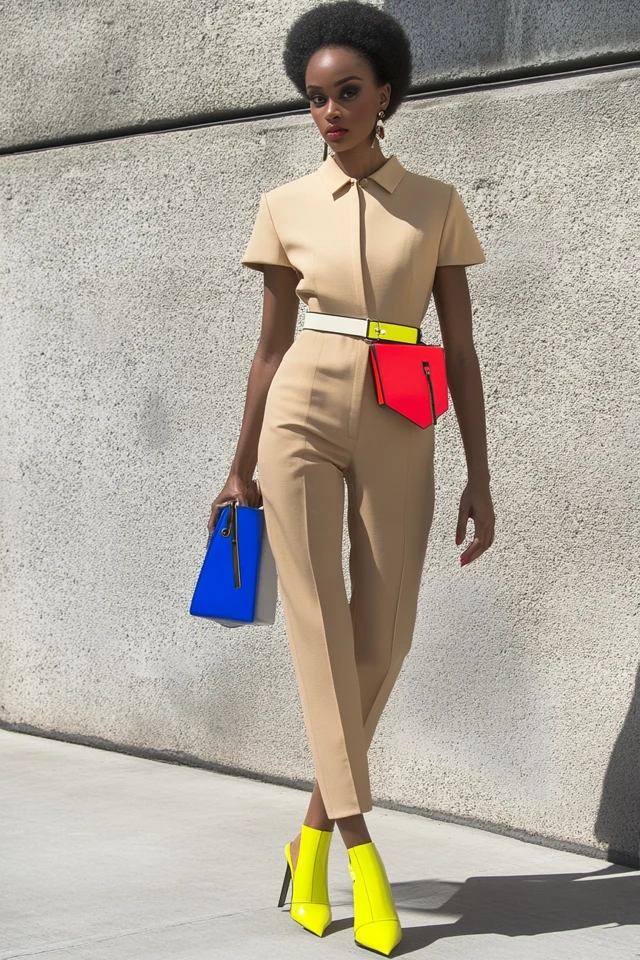
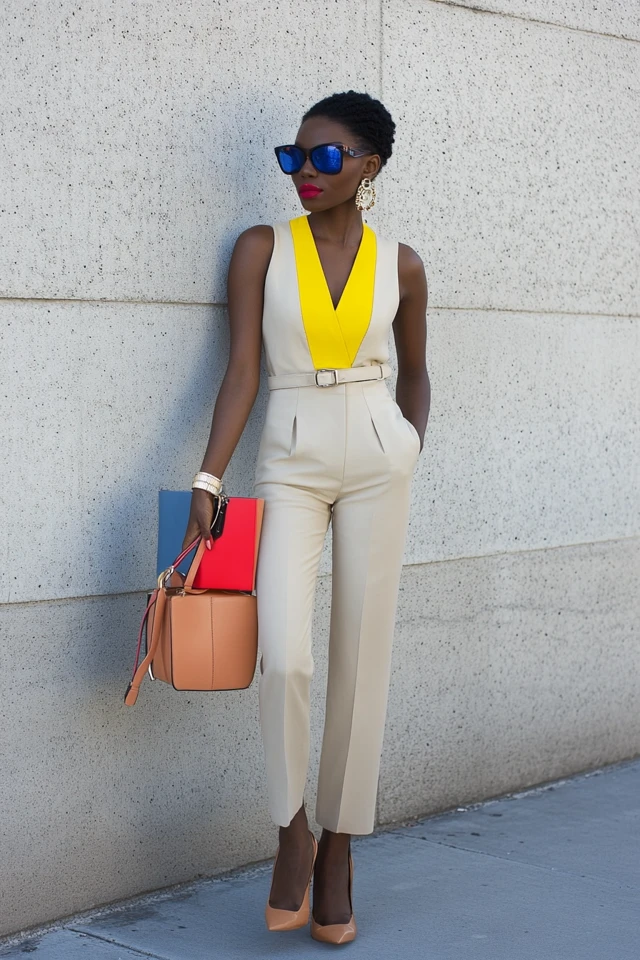
Today the blocks do not have to sit in one garment. A bag, a belt and a pair of shoes can each be a block against your clothes.
How to color block outfits with accessories
Accessories are a low-commitment way to try the look. You are not buying a whole head-to-toe palette, just adding one or two colors to what you already wear.
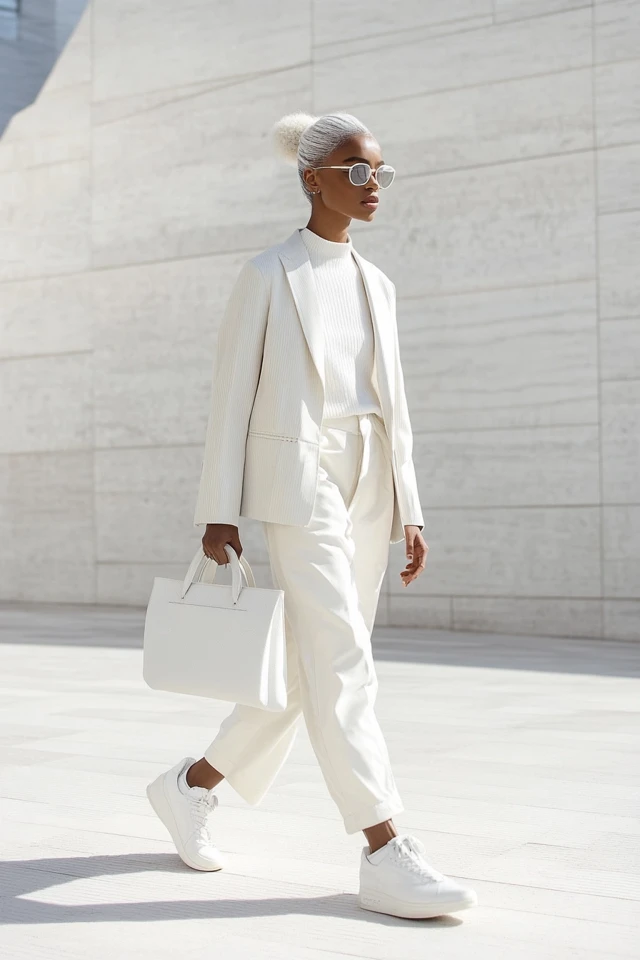
- Start with a neutral base: black, white, gray, beige or denim.
- Add one bold accessory, such as a bag or shoes.
- Once that feels natural, add a second color from a different part of the color wheel.
- Stop at two or three colors in total, counting the base outfit's main color.
A white dress with a cobalt bag and magenta pumps works this way. So does jeans and a plain tee with lime earrings and a lavender belt.
Which colors go together?
A color wheel is the quickest guide. Opposites, like red and green or blue and orange, give the strongest contrast. Neighbors, like blue and teal, feel calmer. Keep the saturation similar across your blocks: a neon next to a dusty pastel usually looks accidental, while two brights or two softs look chosen.
Warm vs cool tone color blocking
Warm colors (red, orange, mustard) tend to advance, so they draw the eye first. Cool colors (blue, green, violet) tend to recede and feel quieter. Pairing one warm accent with a cool base makes the warm piece the focal point. Through the lens of evidence-based design, I'd use that to decide where you want attention: put the warm block near your face with earrings or a scarf, or at your hand with a bag.
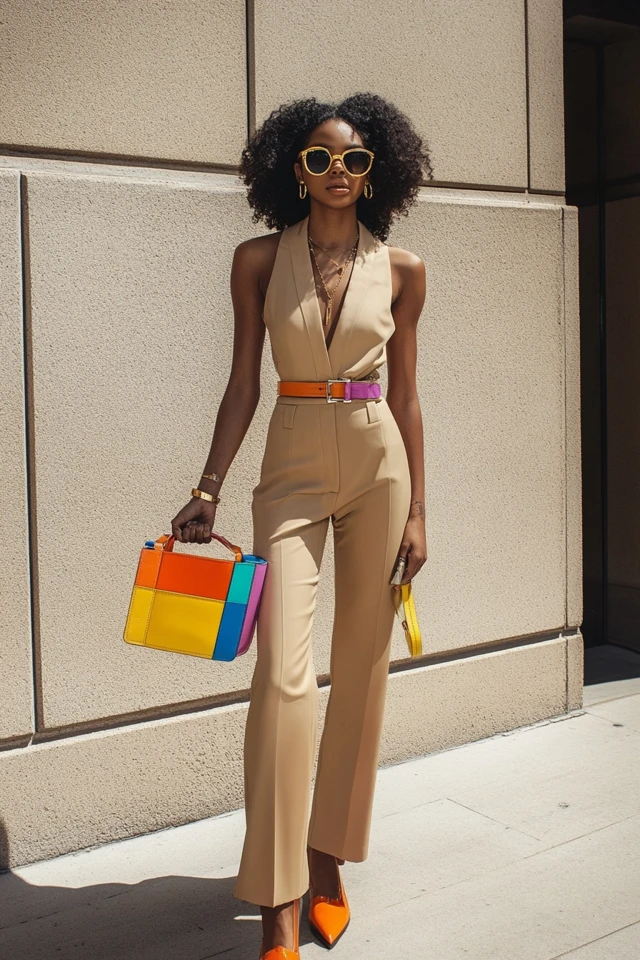
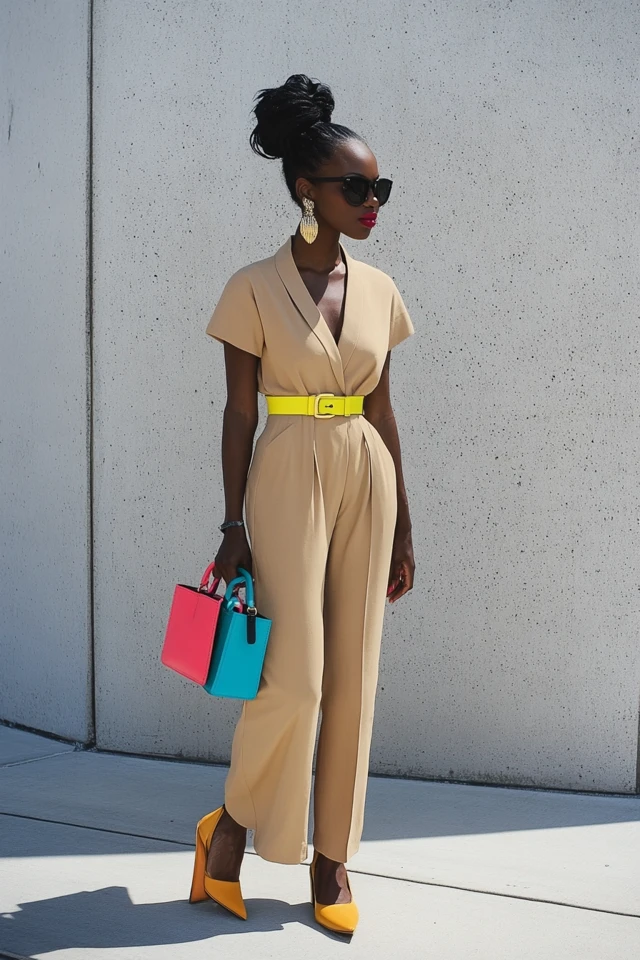
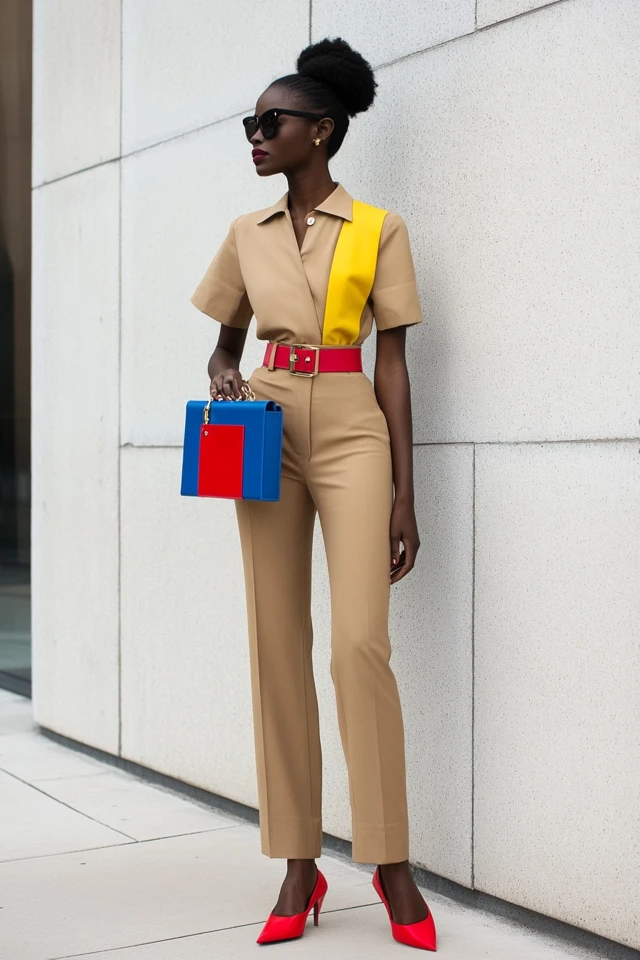
Color blocking examples to copy
- An all-beige outfit with a bright green bag and electric-blue shoes.
- Navy trousers and top with a red belt and red bag for a work look.
- Mint green and peach for a relaxed weekend outfit, kept to a scarf and a clutch.
- A black dress with one saturated shoe color, which is the simplest version of all.
- Earrings that combine two bold hues in one piece, for a quieter take.
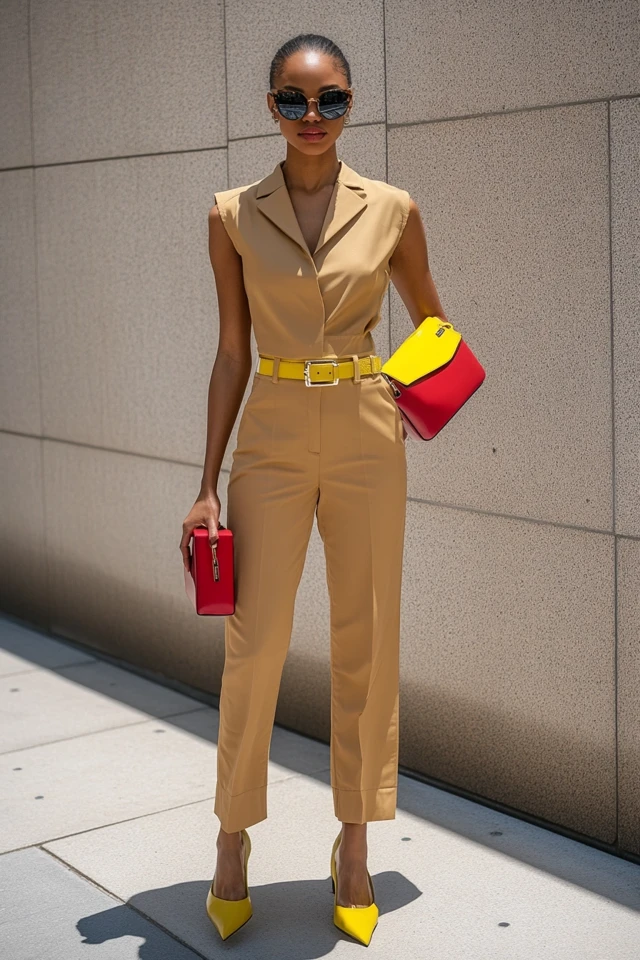
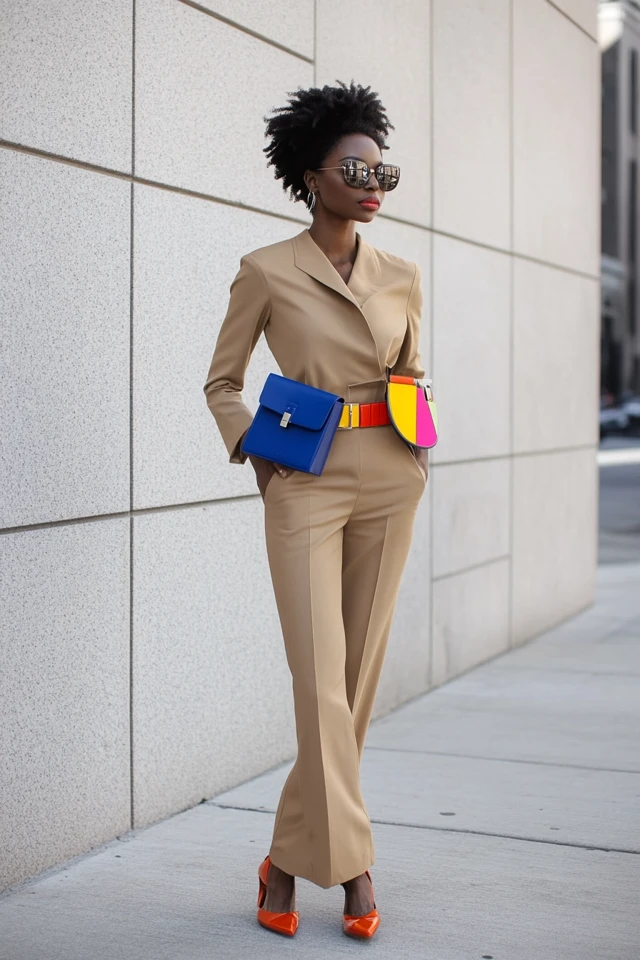
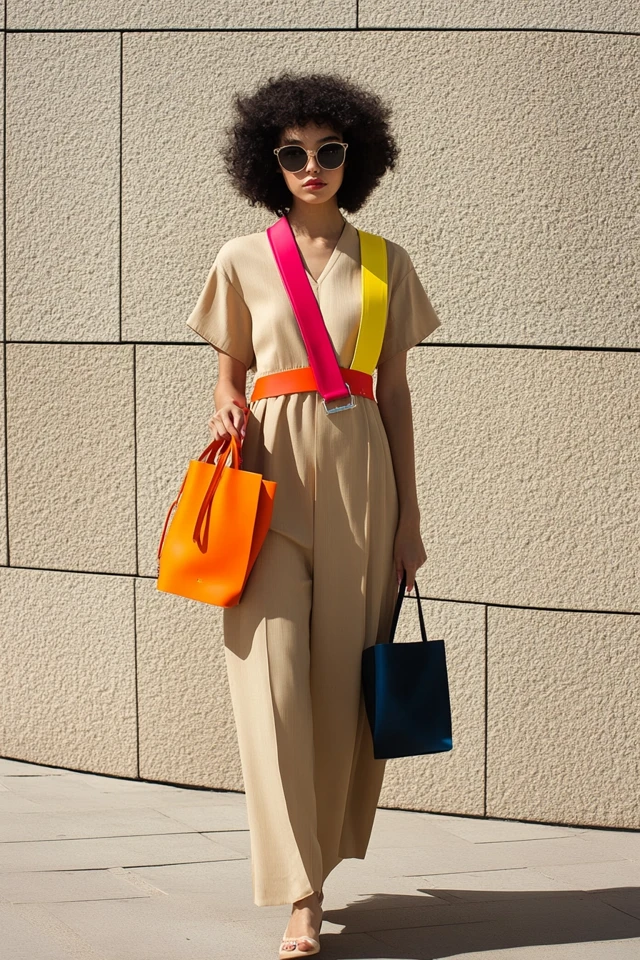
For more combinations, see bold color blocking combinations and styling bold colors with accessories. If you like the idea but want something smaller, neon accessories are an easy pop.
Color blocking outfits for summer, women and men
Summer suits lighter blocks: pastels, sorbet shades and white bases look fresh in heat, and linen or cotton keeps the colors matte and easy to read. The method is the same for women and men. A man can block a navy suit or chinos with a tan belt, a rust-colored tie or bright socks, and socks are a good place to start. For women, a bag, belt or heel is the usual entry point. Texture matters here too: I'd pick a matte knit next to a glossy leather bag, because the surface changes how each color catches light.
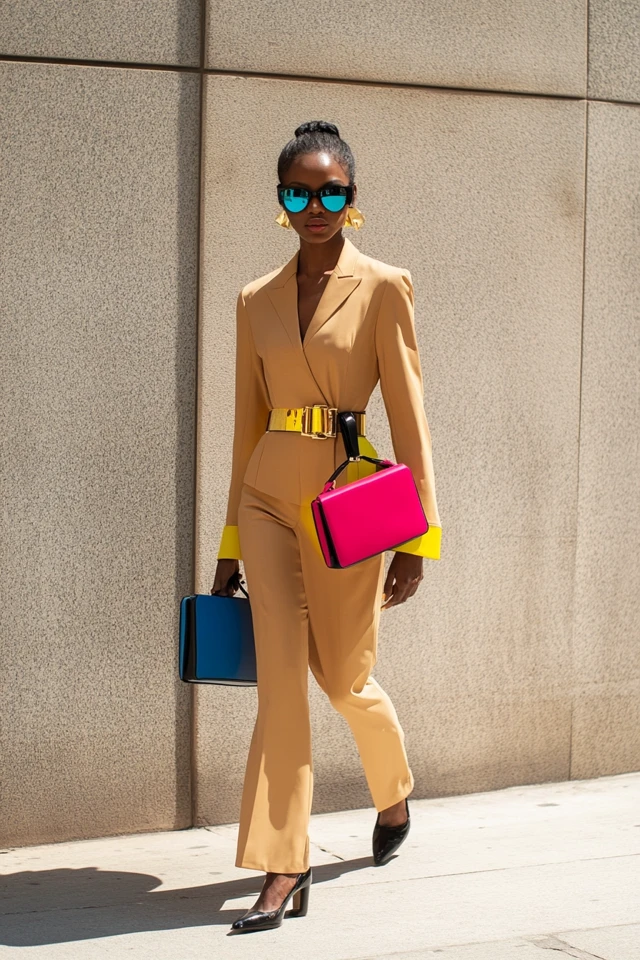
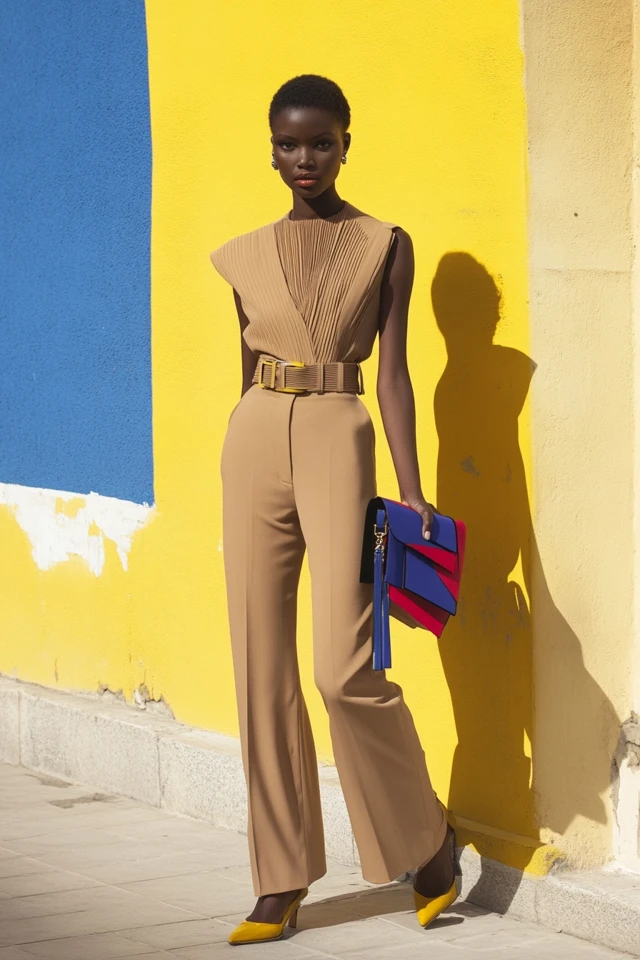
Color blocking do's and don'ts
Do
- Choose one focal point and keep the other accessories quieter.
- Vary scale: a chunky necklace with delicate bracelets, a bold belt with simple shoes.
- Check the combination in daylight before you leave the house.
- Scale to your frame. Smaller pieces, like earrings and a clutch, can carry a petite outfit, while larger belts and bracelets suit a bigger frame.
Don't
- Mix more than three colors at once.
- Pair a neon with a muted tone unless you want the neon to dominate.
- Add a busy print on top of several blocks.
Is color blocking still in style?
It keeps returning because the method is simple and works with whatever palette is current. Classic versions, like a black dress with red shoes, never needed a trend to justify them. For outerwear, try color blocking with statement jackets.
Frequently asked questions
What is color-blocking in an outfit?
It is pairing solid, contrasting colors so each stays distinct, such as a cobalt bag with magenta shoes. Accessories are an easy way to do it.
Is color-blocking outdated?
Not really. Pairing solid colors is a long-standing technique, and it adapts to whatever shades are popular. Choose colors you like and keep the number of blocks small.
What is the 3-3-3 rule for outfits?
It usually refers to building an outfit from a small set of pieces, but definitions vary. For color blocking, a safer rule is to limit yourself to about three colors.
Can I color block with patterns?
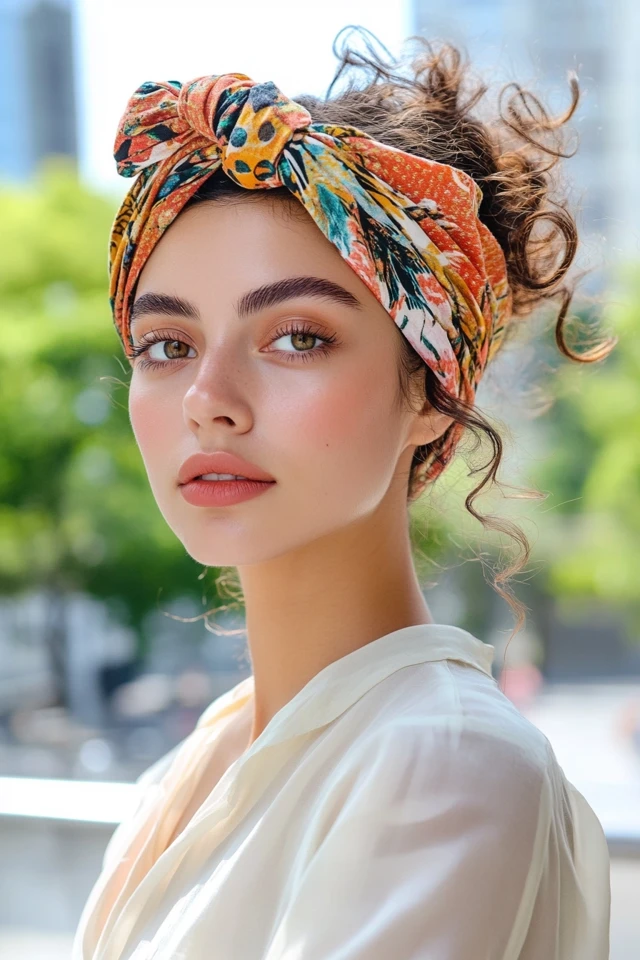
Yes, if the pattern contains the color of your accessory. A scarf with yellow in it works with a yellow bag, for example. Keep the rest of the outfit solid.
Filed under Accessory Trends