
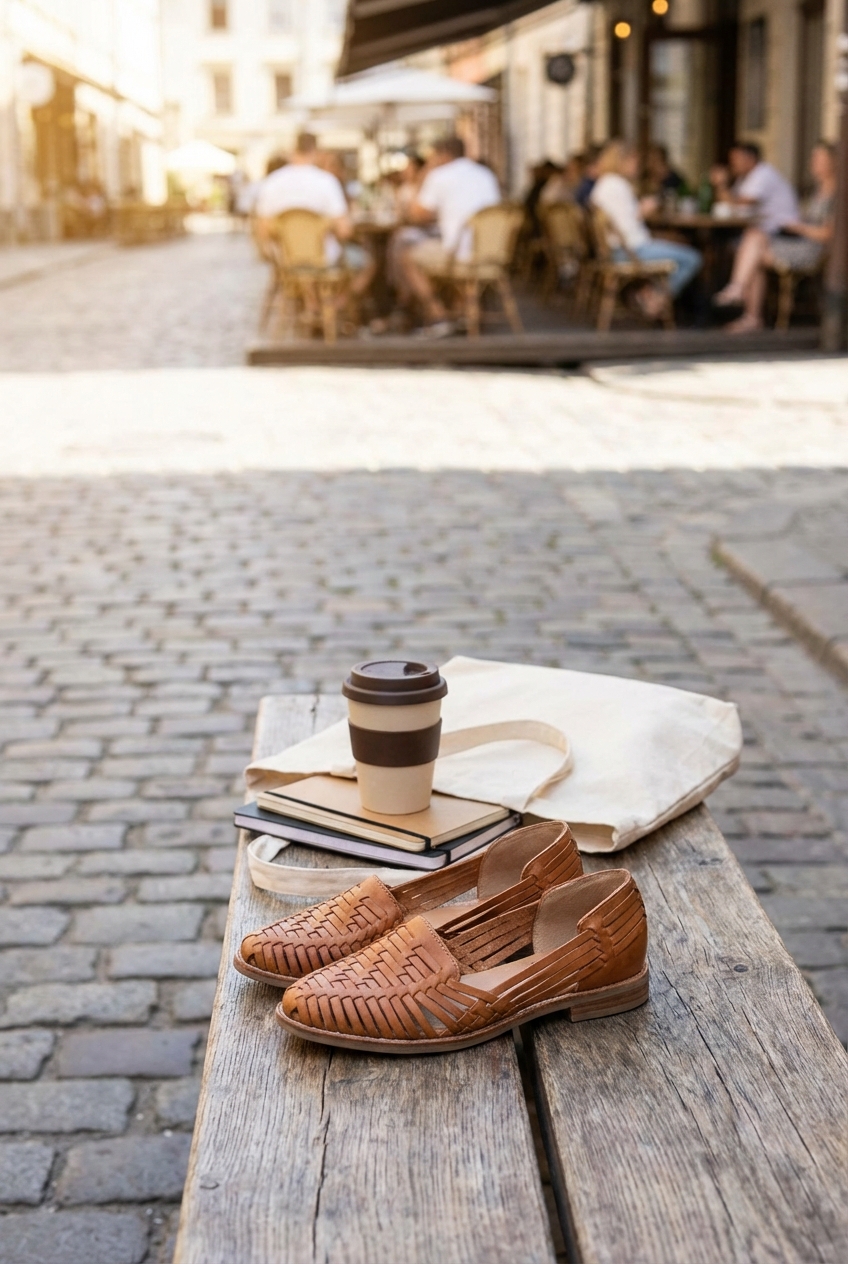
Comfortable Flats For On The Go Style
There is a persistent myth in the fashion industry that height equals sophistication, but anyone who has survived a twelve-hour day during Fashion Week knows the truth. True style is looking effortless, and nothing ruins a look faster than the grimace of someone whose feet are in agony. I learned this lesson the hard way years ago in Paris, hobbling between shows in four-inch stilettos while seasoned editors glided past me in pristine, architectural loafers.
That trip shifted my entire perspective on footwear. I realized that a well-chosen flat is not a compromise; it is a statement of confidence. It suggests that you have places to be and the practicality to get there, but you refuse to sacrifice your aesthetic standards to do so. Whether you are navigating cobblestones, sprinting through an airport terminal, or standing on concrete floors for a gallery opening, the right flat anchors your outfit and supports your lifestyle.
Finding that perfect pair requires looking beyond the label and understanding the mechanics of shoe construction and the nuances of styling proportions. In this guide, I will walk you through exactly how to select, style, and care for flats that serve you from your morning commute to a late dinner. For visual inspiration on how to pull these looks together, be sure to check out the Picture Gallery at the end of the blog post.
The Anatomy of a High-Quality Flat
Before we discuss style, we must address the foundation of comfort. In the world of high-end footwear, comfort is rarely an accident; it is the result of specific engineering choices. When I am sourcing shoes for clients, the first thing I check is the shank structure.
The shank is a supportive strip hidden inside the sole, bridging the heel and the ball of the foot. Many cheap flats lack this entirely, leading to that feeling of “walking directly on the pavement.” A quality flat will have a structured sole that resists twisting in your hands. If you can wring the shoe out like a wet towel, it will offer zero support for a day of walking.
Material selection is equally critical for long-term wearability. I always steer clients toward full-grain leather or soft suede, which mold to the unique shape of the foot over time. Synthetic materials may look sleek on the shelf, but they rarely breathe or stretch, creating a greenhouse effect for your feet that leads to blisters. Look for unlined leather or leather-lined interiors to maximize breathability.
Stylist’s Note: The Sole Factor
Most designer flats come with beautiful, slick leather soles. While elegant, they are treacherous on carpet or wet pavement and wear down quickly.
What usually goes wrong: You wear a new pair of expensive ballet flats on a rainy day, slip in the lobby, and water ruins the untreated leather sole within hours.
How to prevent it: Take new investment shoes to a cobbler immediately. Ask for a thin, rubber “Topy” or protective sole to be added. This adds grip, prevents water damage, and extends the life of the shoe by years without altering the profile.
Defining Your Silhouette: Pointed vs. Round vs. Square
The shape of the toe box is the most defining characteristic of a flat shoe. It dictates the vibe of the outfit and changes the visual proportions of your legs. Understanding which silhouette works for your wardrobe is key to feeling polished rather than frumpy.
Pointed-toe flats are the sharpest and most formal option. They act as a direct substitute for pumps, extending the visual line of the leg and adding a geometric edge to soft tailoring. If you work in a corporate environment or love wide-leg trousers, a pointed toe is essential to peek out from the hemline without getting lost.
Round-toe ballet flats offer a softer, more classic appeal. They channel a Parisian chic aesthetic and pair beautifully with cropped denim or A-line skirts. However, they can make legs look shorter if not styled carefully. Square toes are the modern, architectural choice. They offer more room for the toes, making them incredibly comfortable, and they add a contemporary, artistic feel to simple outfits.
Common Mistakes + Fixes
Mistake: Wearing round-toe ballet flats with floor-length, wide-leg trousers.
Correction: The round toe gets swallowed by the volume of the fabric, making your feet look tiny and the pants look too long. Swap for a pointed-toe flat or an elongated square toe to balance the volume of the pant leg.
Mistake: Wearing extremely pointed flats with tight skinny jeans.
Correction: This can create a “witchy” shoe effect where the foot looks disproportionately long. Switch to a loafer or a modified almond toe to ground the look.
Mastering Hemlines: Trousers and Denim
The interaction between your pant hem and your shoe is the single most important detail in styling flats. When you remove the heel, you lose the vertical lift that usually keeps pants from dragging. This means you must be intentional about tailoring.
For straight-leg or slim trousers, the “no-break” look is most flattering with flats. The hem should hit just at the ankle bone, showing a sliver of skin or a sheer sock. This intentional gap prevents the fabric from bunching over the shoe, which creates a sloppy silhouette.
Wide-leg trousers require a different approach. I prefer a “shivering break” for these, where the hem just barely grazes the top of the foot. You want the movement of the fabric to flow, but you do not want to sweep the floor. If you are wearing loafers with a chunky sole, you can afford a slightly longer hemline than if you are wearing delicate ballet flats.
My “Real Project” Checklist for Hemlines
When I am fitting a client for a wardrobe overhaul, we follow these measurements:
- Cropped Pants: Hem should sit 1 to 1.5 inches above the ankle bone. This highlights the narrowest part of the leg.
- Full-Length Trousers: Hem should sit 0.5 inches off the floor when barefoot. This ensures they work with flats but don’t drag.
- Cuffing Jeans: If the jeans are too long, a single thick cuff (2 inches) looks modern. Avoid tight, rolled donuts of fabric at the ankle.
Elevating the Look: Skirts and Dresses
Styling flats with skirts requires paying attention to the “vamp” of the shoe. The vamp is the front part of the shoe that covers your toes and foot. A low vamp (like a classic ballet flat) shows “toe cleavage” and exposes more skin. A high vamp (like a loafer or oxford) covers the entire top of the foot.
The rule of thumb here is about leg elongation. A low vamp extends the line of the leg, making it the ideal choice for midi skirts or dresses that cut off at the calf. The more skin you show on the foot, the longer your leg will appear.
High-vamp shoes like loafers add visual weight. They look fantastic with mini skirts or shorter hemlines where you have plenty of leg exposed. They ground the outfit and keep short skirts from feeling too precious or girlish. If you are wearing a maxi dress, you can go either way, though a substantial sandal or slide often balances the volume of the dress better than a dainty slipper.
Stylist’s Note: The Nude Shoe Trick
If you are petite or worried about flats making you look shorter, match the shoe color to your skin tone or your hosiery.
Why it works: It removes the visual interruption at the ankle. A beige flat on bare legs, or a black flat with black opaque tights, creates one continuous vertical line. This is a red-carpet trick we use constantly, even with flats.
The Loafer: The Power Flat
If there is one shoe that has transcended trends to become a modern essential, it is the loafer. It bridges the gap between masculine and feminine, offering a polished authority that sneakers cannot match. A structured leather loafer is my top recommendation for office environments.
When shopping for loafers, consider the “penny” style versus the “horsebit” style. The penny loafer is collegiate and preppy, great for adding texture to casual looks. The horsebit or hardware-adorned loafer reads as jewelry for the feet. It dresses up denim instantly and pairs beautifully with gold accessories.
Fit is notoriously tricky with loafers because they are stiff. Expect a break-in period. I advise clients to wear them with thick socks around the house for three to four one-hour sessions before attempting a full day out. Look for soft heel counters (the back part of the shoe) or styles with a collapsible heel to avoid the dreaded blister at the Achilles tendon.
Materials Matter
- Patent Leather: Highly durable and water-resistant, but very stiff. Requires a longer break-in period.
- Suede: Soft and comfortable immediately, but requires high maintenance and weatherproofing sprays.
- Calfskin: The perfect middle ground. It polishes up beautifully and molds to the foot after a few wears.
Navigating Weather and Commutes
The reality of “on the go” style is that weather happens. A delicate satin flat is beautiful for a dinner date, but it is ruinous for a rainy Tuesday commute. You need a utilitarian strategy for your footwear rotation.
For transitional weather, I rely heavily on flats with lug soles. These are rubberized, chunky soles with deep treads. They provide elevation from wet sidewalks and excellent traction. A lug-sole loafer or Chelsea boot is practically a requirement for city living in the fall and winter.
If you must wear a delicate sole, use the “commuter swap.” It is not a fashion faux pas; it is a pro move. Wear a chic, clean sneaker or weather-proof boot during transit and swap into your flats at the office. To make this elegant, carry your shoes in a designated dust bag inside your tote, not a plastic grocery bag.
Care and Maintenance
Suede Erasers: Keep one in your desk drawer. Scuffs on suede happen instantly, but they are easily removed if caught early.
Shoe Trees: Flats lose their shape faster than heels because the leather is often softer. Use cedar shoe trees or even stuffed tissue paper to maintain the toe box shape when you aren’t wearing them.
Investment Pairs vs. Seasonal Trends
When building a shoe wardrobe, it is vital to know where to spend and where to save. I always advocate for spending more on the flats you will wear three times a week. A high-quality black loafer or a nude ballet flat will have a low “cost per wear” even if the upfront price is high.
Cheap flats often fail in the support department. The foam flattens within a month, and the glue separates. High-end flats often use stitched construction (like Blake stitching) which can be repaired and resoled, effectively doubling the lifespan of the shoe.
Save your budget on trend-heavy items. If silver metallic mesh flats are the rage this season, buy a mid-range pair. They are fun and current, but they likely won’t be a staple in two years. Reserve the investment budget for the classics: black leather, camel suede, and oxblood or navy.
Finish & Styling Checklist
To wrap up, here is a quick summary of what I look for when styling comfortable flats for a busy lifestyle. Use this checklist before you head out the door or make a new purchase.
- Check the Shank: Does the shoe have a supportive spine, or does it fold in half? Always choose structure for walking days.
- Mind the Gap: For slim trousers, ensure the hem hits at the ankle bone. For wide legs, aim for a grazing length, not a drag.
- Vamp Volume: Wear low-vamp shoes (ballet) to lengthen legs with skirts. Wear high-vamp shoes (loafers) to ground mini skirts and shorts.
- Proportion Control: Balance wide clothing with a pointed or square toe. Balance skinny clothing with a slightly chunkier loafer.
- Weather Proofing: Have you sprayed your suede? Do you have rubber soles for wet days? Don’t ruin an investment pair on a rainy commute.
- The Break-In: Never wear brand-new leather shoes for a full 8-hour day immediately. Break them in at home first.
FAQs
Can I wear flats to a formal event?
Absolutely. Look for flats in elevated materials like silk, satin, or velvet. Embellishments like crystal buckles or metallic finishes also signal formality. A pointed-toe satin flat is often chicer than a generic pump.
How do I stop flats from smelling if I don’t wear socks?
I recommend “no-show” socks whenever possible; they protect the leather and your feet. If the cut is too low for socks, use washable terry-cloth insoles. They absorb sweat and can be thrown in the laundry, keeping the shoe interior fresh.
Are arch supports necessary for flats?
If you have high arches or flat feet, yes. Most fashion flats have neutral footbeds. I often size up half a size to accommodate a slim, leather-topped orthotic insole. This provides custom comfort without ruining the look of the shoe.
What is the best color for a “do-it-all” flat?
While black is standard, I find a metallic gold or silver flat to be surprisingly versatile. It acts as a neutral that works with black, brown, navy, and white, but adds a deliberate “fashion” touch that plain leather sometimes lacks.
How do I keep slingback flats on my heels?
This is a common issue. Look for slingbacks with an adjustable buckle rather than just elastic. You can also buy silicone grip strips that adhere to the inside of the strap to create friction and prevent slipping.
Conclusion
Embracing flats is not about giving up on glamour; it is about embracing a dynamic, realistic version of style. The modern woman is in motion. She is chasing taxis, leading meetings, and exploring new cities. Her footwear should facilitate that movement, not hinder it.
By investing in quality construction, understanding the visual tricks of hem lengths and toe shapes, and caring for your leather goods, you build a wardrobe that works as hard as you do. There is a profound elegance in being comfortable. It changes your posture, your stride, and your mood.
So, stow the stilettos for the moments that truly require them, and let a beautiful pair of architectural flats carry you through the rest of your life. You will look just as chic, and you will arrive at your destination with a smile on your face.
Picture Gallery


