
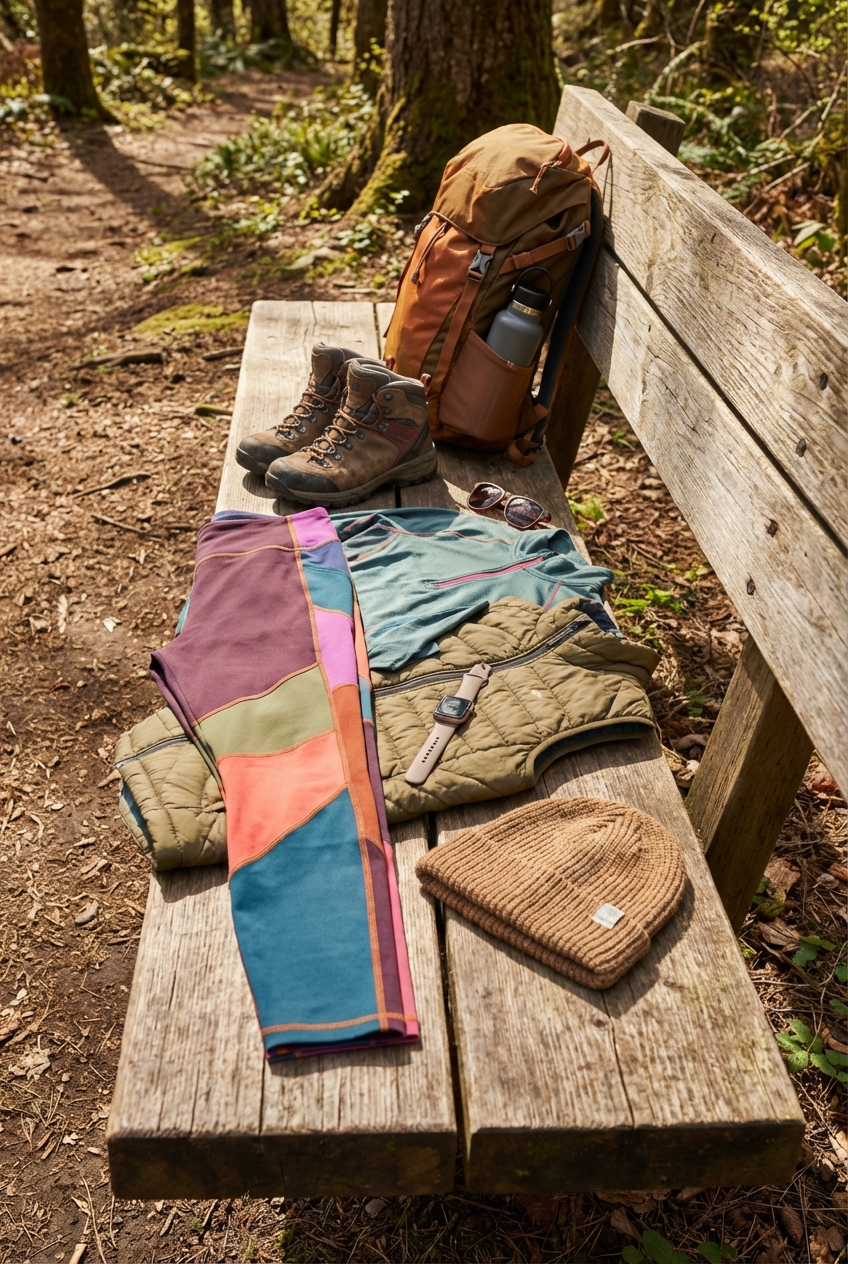
Comfortable Hiking Attire With Activewear Vibes
There was a time when heading into the great outdoors meant sacrificing every ounce of personal style. The options were limited to ill-fitting cargo pants in drab shades of olive or oversized flannels that added bulk without warmth. Thankfully, the intersection of high-performance gear and luxury activewear has completely revolutionized the way we dress for the trail.
Today, we embrace “gorpcore” and the functional beauty of technical fabrics that look just as chic at a post-hike brunch as they do at the summit. Creating a hiking wardrobe is about understanding the balance between activewear comfort and rugged durability. It is entirely possible to feel supported, dry, and stylish while navigating switchbacks and rocky terrains.
In this guide, I will break down how to curate a hiking ensemble that prioritizes technical performance without losing that sleek activewear aesthetic. For visual inspiration on how to combine these pieces, check out our curated Picture Gallery at the end of this blog post.
The Foundation: Technical Fabrics and Base Layers
The first rule of outdoor fashion is that your comfort begins right against your skin. Many people make the mistake of grabbing their everyday cotton tees, but on the trail, cotton is the enemy. It absorbs moisture, stays wet, and can cause rapid cooling or chafing.
As a fashion expert, I prioritize Merino wool or high-quality synthetics for base layers. Merino wool is naturally antimicrobial, meaning it resists odors even after a long ascent, and it regulates body temperature exceptionally well. It keeps you cool when it is hot and warm when it is cold.
If you prefer synthetics, look for proprietary blends designed for high-sweat activities. These should feel cool to the touch and offer significant stretch. The goal is a “second skin” fit that moves with you, never restricting your range of motion as you climb.
Designer’s Note: Fabric Weight Matters
In the fashion world, we talk about “hand-feel” and drape, but in hiking, we talk about GSM (grams per square meter). For a summer hike, look for a lightweight Merino (around 150 GSM). For shoulder seasons like fall or spring, bump that up to a mid-weight (200-250 GSM). Buying the wrong weight is a common error that leads to overheating.
Leggings vs. Hiking Pants: Finding the Silhouette
The debate between leggings and traditional hiking pants is ongoing. For that activewear vibe, leggings are often the preferred choice because they offer a streamlined silhouette. However, not all leggings are created equal.
You cannot wear your delicate yoga align pants on a rugged trail. You need compression leggings made with abrasion-resistant fabrics. Look for reinforced knees or panels that can withstand a brush against granite or thorny underbrush.
If you prefer a pant, look for the modern “jogger” style hiking pant. These offer a tapered leg with a cuff at the ankle, providing the roominess of a pant with the visual profile of activewear. They should be high-waisted to sit comfortably under a backpack hip belt.
Common Mistakes + Fixes
Mistake: Wearing low-rise bottoms.
Fix: Always choose a high-rise fit. When you wear a backpack, the pack specifically rests on your lower back. A high waistband prevents friction between the pack and your skin and ensures your pants stay up during steep climbs.
Mistake: Choosing leggings with no pockets.
Fix: Select bottoms with deep side pockets. You need immediate access to your phone for trail navigation or photos, and digging into a pack every time is inefficient.
Mid-Layers: The Art of Thermal Regulation
The mid-layer is where you can really inject personality and fashion trends into your hiking outfit. This layer is responsible for trapping body heat. Currently, high-pile fleece and retro-inspired pullovers are having a major fashion moment.
A cropped fleece pullover pairs beautifully with high-waisted hiking leggings. It plays with proportions, elongating the legs while keeping your core warm. Look for quarter-zip or half-snap necklines, which allow you to vent heat quickly if the trail gets steep.
Another excellent option for the activewear aesthetic is the insulated vest. A down or synthetic vest keeps your vital organs warm but leaves your arms free for trekking poles or scrambling. It is a less bulky alternative to a full jacket and layers perfectly over a long-sleeve technical top.
What I’d Do in a Real Outfit
If I were styling a client for a mountain day trip in 50-degree weather:
- Base: A long-sleeve, seamless Merino wool top in a cream or stone color.
- Bottom: Forest green compression leggings with abrasion resistance and side pockets.
- Mid-Layer: A camel-colored sherpa fleece vest.
- Why: This color palette mimics nature (earth tones), and the vest allows for arm movement while the wool regulates temperature.
Outerwear: The Shell Game
Your outer layer, or “shell,” is your shield against the elements. In the past, rain jackets were stiff, loud, and shapeless. Modern technical shells are soft, quiet, and tailored.
When shopping for a shell, pay attention to the waterproof rating. For general hiking, you want something breathable. If a jacket is waterproof but doesn’t breathe, you will get wet from the inside out due to sweat. Look for “pit zips” (zippers under the armpits) which are essential for dumping heat without removing the jacket.
From a style perspective, look for cinchable waists. Many technical jackets now feature internal drawcords that allow you to define your waistline, preventing that “wearing a trash bag” look.
Pro-Level Rule of Thumb: Sizing for Layers
Always buy your outer shell one size up from your street size, or ensure the cut is “relaxed.” You must be able to fit a base layer and a puffy fleece underneath without the jacket pulling across the shoulders. Raise your arms above your head; if the jacket lifts above your waist or feels tight in the armpits, it is too small.
Footwear: Beyond the Clunky Boot
The days of needing heavy, leather boots for every hike are over. The biggest trend in hiking footwear right now is the trail runner. These shoes offer the grip and traction of a boot but with the weight and aesthetic of a sneaker.
Trail runners fit the “activewear vibes” theme perfectly. They come in dynamic colorways and look athletic. Unless you are carrying a backpack over 30 pounds or traversing extremely unstable scree, a quality trail runner provides sufficient support.
If you prefer ankle support, look for “speed hiker” boots. These are hybrids—sneaker technology on the bottom with a lightweight, synthetic upper that covers the ankle. They require zero break-in time, unlike traditional leather options.
Designer’s Note: The Sock Equation
Never underestimate the power of a good sock. Aesthetics matter here, too. A quarter-crew hiking sock peeking out of a trail runner is very on-trend. Match the color of your socks to your top layer for a cohesive look (sandwich dressing method). Ensure they are wool or synthetic blends; cotton socks guarantee blisters.
Accessories: Elevating the Look
Accessories are where function meets high fashion. A great pair of sunglasses is non-negotiable. For hiking, polarized lenses are a must to reduce glare from rocks, water, or snow. Aviator or shield styles offer excellent coverage and look incredibly chic.
Headwear is also crucial. The “dad hat” or baseball cap is a classic activewear staple that works well for sun protection. For a more fashion-forward approach, bucket hats with chin straps (gorpcore style) are practical for windy peaks and offer 360-degree shade.
Don’t forget the bag. A hiking daypack should be streamlined. Look for packs with a narrow profile that sit close to the spine. Colors like slate blue, sage, or matte black elevate the look compared to neon primary colors often found in sporting goods stores.
Checklist: The “Gorpcore” Aesthetic
- Color Blocking: Mix muted earth tones with one “pop” color (like neon orange or cobalt blue) on a zipper or shoe lace.
- Texture Mixing: Combine smooth leggings with fuzzy fleece and sleek nylon shells.
- Silhouette: Balance volume. If wearing baggy hiking pants, wear a fitted top. If wearing leggings, a slightly oversized fleece looks best.
Finish & Styling Checklist
Before you head out the door, run through this final styling and functional checklist. This ensures you look intentional and remain safe.
The Fit Check:
- Squat test: Do your leggings stay in place? Is the fabric opaque?
- Arm lift: Does your mid-layer or jacket expose your midriff when you reach up? (You don’t want cold air hitting your skin).
- Layering: Can you move your arms freely with all layers on?
The Style Check:
- Coordination: Do your shoes clash with your jacket? Try to keep to a 3-color maximum palette.
- Hair: Is your hair secured in a way that won’t tangle in the wind or backpack straps? A braided pony is both practical and stylish.
- Cleanliness: Are your shoes relatively clean? Starting a hike with well-maintained gear sets a better tone than wearing muddy boots from last year.
FAQs
Can I wear jeans for a casual hike?
No. As a fashion expert and outdoor enthusiast, I strongly advise against denim. It is heavy, restrictive, and dangerous if it gets wet because it takes hours to dry and saps body heat. Stick to technical fabrics that mimic the look of denim if you must, but never real cotton denim.
How do I wash my technical hiking clothes?
To preserve the longevity of activewear, wash on cold with a gentle cycle. Avoid fabric softeners entirely; they coat the fibers and ruin the moisture-wicking and water-repellent capabilities. Hang dry your leggings and shells.
What if I am between sizes for hiking boots?
Always size up. During a hike, your feet will swell due to blood flow and impact. You need at least a thumb’s width of space between your longest toe and the end of the shoe to prevent black toenails on the descent.
Is expensive gear really worth it?
In this category, yes. Higher price points usually correlate to better fabric technology (higher breathability, better durability) and ethical manufacturing. However, you can mix high and low. Splurge on footwear and your rain shell; save on fleece mid-layers and synthetic tees.
Conclusion
Hiking attire has graduated from purely utilitarian to a legitimate fashion category. You no longer have to choose between feeling like yourself and being prepared for the elements. By selecting high-quality fabrics, paying attention to silhouette and proportion, and embracing the “activewear vibe,” you can conquer any trail with confidence.
Remember that the most stylish thing you can wear is confidence—and that comes from knowing your gear will support you through every mile. Enjoy the fresh air, the movement, and the look.
Picture Gallery


