
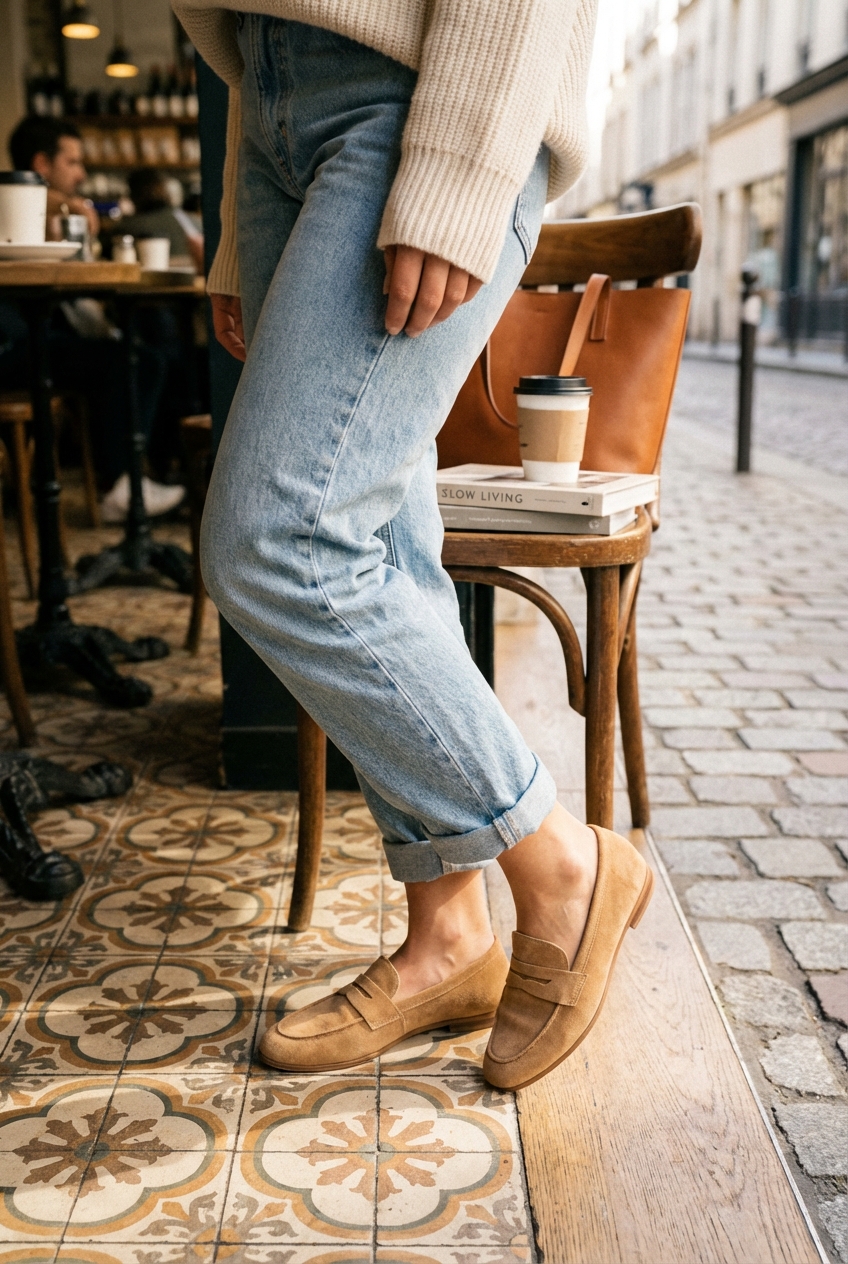
Comfortable Loafers For Everyday Chic
For years, I have watched clients struggle with the eternal footwear dilemma: finding a shoe that commands respect in a boardroom but feels like a slipper by 5 PM. I recently worked with a creative director who was transitioning her wardrobe from high-octane heels to something more grounded. She was terrified that losing the height meant losing the authority. We swapped her stilettos for architectural, high-end loafers, and the shift was immediate. She didn’t look less dressed; she looked more confident because she wasn’t wincing with every step.
Loafers have evolved far beyond their prep-school origins into a cornerstone of the modern chic wardrobe. They offer a specific kind of polish that sneakers simply cannot achieve, yet they provide the stability that heels often lack. Whether you are navigating cobblestone streets in Europe or rushing between meetings in the city, the right loafer anchors an outfit with intentionality. It is about balancing masculine structure with feminine tailoring to create a look that feels timeless rather than trendy.
In this guide, I will walk you through exactly how to select, fit, and style loafers for a high-fashion aesthetic. We will cover leather grades, the physics of the break-in period, and the precise hemline measurements required to make them work. For a dose of visual inspiration on how to style these looks, don’t miss the curated Picture Gallery at the end of this blog post.
The Anatomy of Investment-Grade Footwear
Understanding the construction of a loafer is the first step to ensuring comfort. In my years of styling, the biggest complaints regarding comfort usually stem from poor material choices rather than the shoe shape itself. High-quality loafers are built to mold to your foot over time, whereas cheaper synthetic alternatives will fight against your natural movement.
Look for full-grain calfskin or kidskin leathers. These materials are porous and pliable. When you first slip them on, they should feel snug—almost like a firm handshake. Over the first three to five wears, the heat from your foot will soften the leather, creating a custom fit. If you opt for patent leather, be aware that the high-gloss coating makes the material stiffer. For a client with bunions or wider feet, I almost always recommend a soft suede or buttery Nappa leather over patent or polished box calf.
Pay close attention to the sole construction. A traditional leather sole is elegant and sleek, offering a low profile that looks fantastic with tailored suits. However, leather soles have zero shock absorption. If you walk significantly during your commute, look for a style with a rubber island (a piece of rubber embedded in the leather sole) or a full rubber lug sole. The lug sole is currently very on-trend and adds a utilitarian edge, but practically speaking, it also adds a layer of cushioning that protects your joints from concrete pavement.
Stylist’s Note: The Lining Matters
Always check the interior lining. A fully leather-lined shoe breathes. If the lining is synthetic or fabric, it will trap moisture, leading to friction and blisters. I learned this the hard way during a chaotic Fashion Week in Paris; now, I never buy a flat shoe that isn’t leather-lined.
Decoding the Silhouettes: Penny vs. Horsebit vs. Chunky
Not all loafers serve the same stylistic purpose. Choosing the right silhouette depends entirely on the rest of your wardrobe and the visual weight you want to add to your lower half. Scale is just as important in fashion as it is in interior design. If you are wearing voluminous clothing, a dainty shoe might get lost. If you are wearing sleek tailoring, a giant shoe might look clownish.
The Classic Penny Loafer
This is your minimalist workhorse. It features a strap across the vamp with a slit (originally for a penny). This style is usually quite streamlined with a lower profile. It works best with cigarette trousers, ankle-grazing denim, and midi skirts. It is understated and clean.
The Horsebit Loafer
Characterized by metal hardware across the top, this style leans more towards heritage luxury. The metal bit acts like jewelry for your feet. I often style these with monochromatic outfits where the gold or silver hardware adds a necessary point of interest. They are perfect for elevating a simple jeans-and-tee combination into something lunch-ready.
The Chunky Lug Sole
This is the modern power shoe. The thick, serrated rubber sole adds height and visual heaviness. This is crucial for balancing out oversized blazers, wide-leg trousers, or heavy winter coats. If you have a petite frame, be careful here; ensure the ankle is visible or the pants are tailored perfectly to avoid looking weighed down.
The Art of the Hemline: Troubleshooting Pants
The interaction between the hem of your pants and the top of your loafer creates the “break.” This is where most outfits fail. If the pants are too long, they puddle awkwardly over the shoe. If they are too short, it can distort your proportions. Here are the rules of thumb I use during fittings.
Cropped Trousers and Straight Leg Jeans
For a clean, classic look, the hem should hit roughly one inch above the ankle bone. You want to see a sliver of skin (or sock) between the shoe and the pant. This separation highlights the narrowest part of your leg, which is universally flattering. If the pant touches the shoe while you are standing still, it is likely too long for this specific vibe.
Wide Leg and Puddle Pants
When wearing wide-leg trousers that are meant to drape, the rules change. The hem should skim the top of the loafer’s vamp (the top part of the shoe) without dragging on the ground. A slight “break” or fold in the fabric where it hits the shoe is acceptable here, as it adds to the relaxed, effortless aesthetic. However, ensure the back of the pant hem does not slip under the heel of the shoe, which ruins the fabric instantly.
Common Mistakes + Fixes
- Mistake: Wearing bootcut jeans that are too long with flat loafers.
- Fix: Bootcuts generally require a heel to hang correctly. With loafers, the flare often hits the ground. Take them to a tailor and have them hemmed specifically for your flat shoes, or save the bootcuts for your boots.
- Mistake: Skinny jeans bunching at the ankle.
- Fix: If you are still loving skinny jeans, cuff them cleanly at the ankle bone or opt for a cropped length. Bunching fabric at the ankle competes with the clean lines of a loafer.
Styling Beyond Trousers: Skirts and Dresses
Many women pigeonhole loafers as “pants-only” footwear, but they are incredibly chic with skirts and dresses. The key is balancing the “schoolgirl” connotation with adult sophistication. You want to nod to the preppy aesthetic without looking like you are wearing a costume.
For mini skirts, scale is essential. A chunky loafer works wonders here because it grounds the exposed leg. If you wear a delicate ballet-style loafer with a mini skirt, the look can feel a bit unbalanced or overly retro. The weight of a lug sole adds a modern, architectural element that makes the short hemline feel more fashion-forward and less delicate.
Midi and maxi dresses require a different approach. Because these hemlines cut across the shin or ankle, they can shorten the leg line visually. A sleek, almond-toe loafer in a shade that matches your skin tone (or the tights you are wearing) helps elongate the leg. Avoid loafers with high vamps (where the tongue comes up high on the foot) when wearing midi skirts, as this covers too much skin and stumps the leg.
What I’d Do in a Real Project
If I were styling a client for a gallery opening who wanted to wear a dress with flats, I would choose a slip dress in silk or satin. I would pair it with a sleek, pointed-toe loafer or a horsebit style. The contrast between the fluid, feminine silk and the structured, masculine shoe is the definition of “everyday chic.” It suggests you didn’t try too hard, which is the ultimate goal.
The Sock Equation: To Show or Not to Show?
Visible socks with loafers used to be a fashion faux pas; now, it is a deliberate style move. However, there is a fine line between “grandpa chic” and “just messy.”
The Invisible Look
In spring and summer, showing the ankle is crisp and refreshing. However, never go barefoot in leather loafers. It ruins the insole and causes blisters. Use “no-show” socks that have a silicone grip on the heel. The grip is non-negotiable; without it, the sock will slide under your arch within five minutes of walking.
The Statement Sock
For fall and winter, a visible sock is practical and stylish. White crew socks are the current standard for a retro-sporty look, usually paired with chunky loafers and blue jeans or a mini skirt. For a more professional setting, opt for thin, mercerized cotton socks in a color that coordinates with your trousers (e.g., charcoal socks with grey wool trousers). This creates a continuous line that lengthens the leg.
Texture Play
Don’t be afraid of texture. A sheer sock with a polka dot pattern or a subtle metallic thread can make a plain black loafer feel evening-appropriate. A ribbed wool sock adds coziness to a winter outfit. Just ensure the sock isn’t so thick that it stretches out the leather of your shoe, making them too loose to wear without socks later.
Seasonal Transitions and Versatility
One of the primary reasons I advocate for investing in loafers is their year-round utility. Unlike sandals or heavy boots, they can genuinely span three to four seasons depending on your climate. The key to this versatility lies in color choice and material upkeep.
For a “forever” pair, black is the obvious choice, but a rich cordovan (oxblood) or a deep chocolate brown can be surprisingly more versatile. These warm tones pair beautifully with the navies, greys, and camels found in most work wardrobes, but they also look softer against summer whites and denim.
In the warmer months, pair your loafers with linen trousers and crisp cotton shirtdresses. The leather structure provides a nice counterpoint to the wrinkles and softness of summer fabrics. In the colder months, they transition seamlessly to being worn with opaque tights. A 50-denier or higher black tight with a black loafer creates an unbroken line that is very slimming and chic.
Stylist Tip: If you live in a rainy climate, be wary of wearing your best leather soles in the wet months. Water damages the leather sole quickly. If you plan to wear them year-round, have a cobbler apply a rubber “Topy” or protective half-sole immediately after purchase.
Maintenance: Keeping the Chic Intact
Nothing ruins a look faster than scuffed toes or rundown heels. High-end fashion requires high-end maintenance. Treat your loafers like you treat your skin; they need cleaning and moisturizing.
Invest in a horsehair brush and a high-quality leather conditioner (Saphir is the industry gold standard). Brush your shoes down after every few wears to remove dust that can dry out the leather. Condition them once a month to keep the creases soft rather than cracking. If you have patent leather, a simple wipe with a damp cloth and a drop of Windex can bring back the shine, but be gentle.
Use shoe trees. I cannot emphasize this enough. When you take your loafers off, insert cedar shoe trees immediately. They absorb the moisture from your feet and, more importantly, push the leather back into its original shape. This prevents the “curling” toe effect that makes loafers look old and tired.
Finish & Styling Checklist
Before you head out the door or make a purchase, run through this mental checklist to ensure the look is polished and intentional.
- Check the Break: Do your pants hit at the right spot? Remember: 1 inch above the ankle for cropped, skimming the vamp for wide-leg.
- Sock Check: If going “sockless,” are your no-show socks truly hidden? If wearing visible socks, are they pulled up neatly without slouching (unless intentional)?
- Material Balance: Are you balancing textures? If wearing shiny patent loafers, consider matte fabrics like wool or denim for your clothes to avoid looking too plastic.
- Comfort Test: Did you add a heel grip if there is slippage? A chic woman walks with purpose, not with a hobble.
- Proportion Control: If the shoe is chunky, does the outfit have enough volume to match? If the shoe is slim, is the tailoring sharp enough to complement it?
FAQs
How do I stop my heels from slipping out of loafers?
Heel slippage is common because loafers lack laces to tighten the fit. First, ensure you have the correct size; you might need to go down half a size compared to running shoes. If the length is right but the heel slips, use a suede heel grip cushion. Also, tongue pads (placed under the tongue of the shoe) can push your foot back into the heel cup for a snugger fit.
Can I wear loafers to a formal event?
Yes, but choose the style carefully. A patent leather loafer or one with crystal embellishments or a velvet finish is appropriate for cocktail attire or “creative black tie.” Avoid chunky lug soles for formal events; stick to sleek, thin-soled silhouettes.
Do loafers stretch out?
Yes, quality leather will stretch in width but rarely in length. When buying, they should feel comfortably snug across the widest part of your foot (the ball). If they are loose in the store, they will be falling off in a month.
Are Gucci loafers worth the investment?
From a stylist’s perspective, yes. The Jordaan and 1953 Horsebit styles are classics that have held their value and style relevance for decades. The leather is notoriously soft, meaning the break-in period is minimal compared to stiffer British brands.
Conclusion
Finding the perfect comfortable loafer is about marrying function with aesthetic precision. It is a refusal to compromise on either style or comfort. When you find that pair—the one that hugs your arch, elevates your denim, and carries you through a ten-hour day—you realize that true luxury is effortless. It isn’t about the highest heel; it’s about the smartest choice.
By focusing on quality materials, understanding the importance of silhouette and scale, and mastering the hemline break, you can integrate loafers into your wardrobe in a way that feels modern and sophisticated. Fashion is meant to be lived in, and nothing says “lived-in luxury” quite like a well-loved, well-styled pair of loafers.
Picture Gallery


