Base Layers and Thermal Wear: How to Choose and Wear
- Words by
- Julio Arco
- Published
- Reading
- 5 min
Long johns, thermals and base layers are the snug, thin layer you wear closest to your skin. Their job is to stay dry and hold a little warmth, so pick a fitted, moisture-wicking fabric such as wool or a synthetic blend, and skip cotton.
Below: how the terms differ, which fabric to pick, how to layer, and how to care for them so they keep working.

Are thermals and base layers the same?
Mostly, yes. In everyday shopping, "thermals," "long johns," "thermal underwear" and "base layers" all describe close-fitting tops and bottoms worn under your clothes. If you ask whether thermals and base layers are the same, the honest answer is that base layer is the broader term. It describes the job (the first layer against skin), while thermals and long johns describe the product.
The difference you will actually notice is weight. Some thermals are thick, brushed or fleece-lined and made for sitting still in the cold. Some base layers are thin and built for moving. Check the fabric and weight rather than the label.
How base layers work
A base layer has two jobs. WVU Today explains that a snug-fitting base layer draws moisture away from the skin so it remains dry, while a middle layer insulates by creating air spaces that trap warm air heated by the body.
That is why fit matters. A base layer that gaps or bunches cannot pull moisture off your skin. A good one feels like a slightly stretchy second skin, with no pulling at the shoulders or crotch and no loose fabric folding under trousers.

Which fabric is best?
Avoid cotton
Cotton feels soft, but it holds damp. Be Ready Utah notes that cotton holds moisture next to your body, which promotes heat loss through evaporation and conduction. Texas A&M's Howdy Health gives the same advice and includes undergarments in it.
Merino wool base layers
Wool is the classic choice. WVU's Debanjan Das, associate professor of fashion design and merchandising, says: "Wool is the original performance fabric, valued for its exceptional insulation, even when wet, and its durability under harsh conditions." Merino is the fine, softer wool, which is why merino wool base layers are the usual pick for skin that dislikes scratchy knits.
Through the lens of evidence-based design, I'd also look at texture. A fine, smooth knit sits flatter under a shirt and feels gentler against skin, and that comfort is what makes you keep wearing it.
Synthetics and fleece-lined options
Polyester and other synthetic blends dry fast and usually cost less, which suits workouts, skiing or long walks. Fleece-lined thermals add bulk and warmth for low-activity days and lounging. Wool tends to resist odor better over several wears, while synthetics tend to dry faster after washing.
What temperature should you wear a base layer?
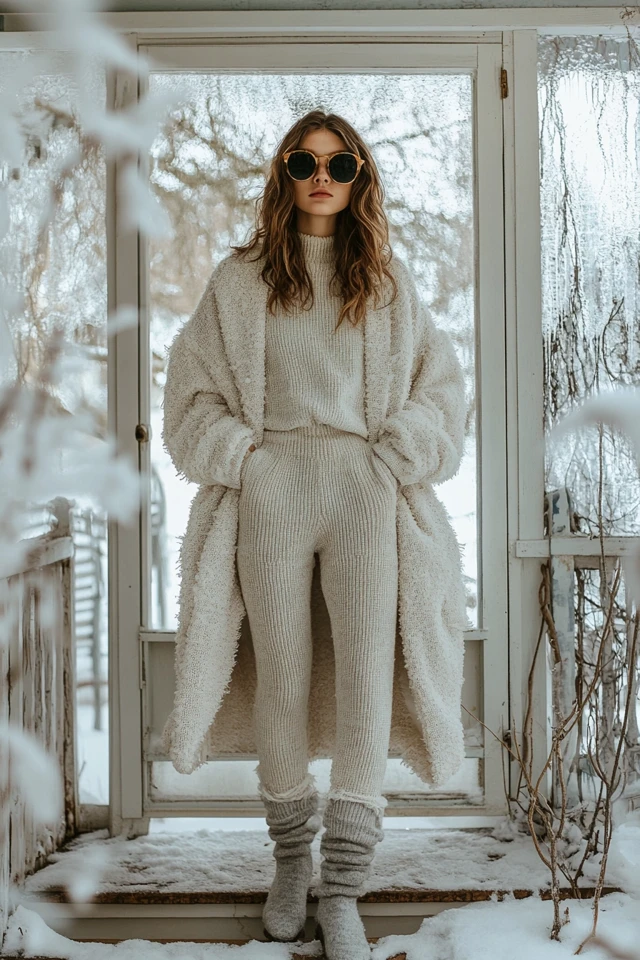
There is no single cutoff, because it depends on wind, activity and how you run. As a rough guide, a lightweight base layer starts to make sense when you feel chilly in your normal clothes, often around cool, near-freezing days. Go to a midweight or heavyweight when you will be outside for hours or standing still.
If you overheat easily, choose the thinner option and add a sweater. You can always remove a layer, but you cannot take off a thick base without undressing.

What is the 3 layer rule for winter?
It is a simple system: a base layer against the skin, a middle layer for insulation, and an outer layer against wind and weather. WVU's Angela Uriyo, assistant professor of fashion design and merchandising, says: "The ability to add and remove garment layers is what helps us regulate our body temperatures and remain comfortable. Using a three-layer clothing system is key."
Her advice is to layer up, keep layers dry and loose enough to trap air, and block the wind. Tight stacking squeezes out the air that insulates you.
- Base: a fitted thermal top and leggings or long johns.
- Middle: a fleece, wool sweater or lightweight down piece.
- Outer: a windproof or waterproof coat, or a wool coat for city days.

Do you wear anything under a base layer?
Usually just underwear, and that should be a non-cotton pair if you will be active or out for hours. Some people like a thin liner sock under a thicker wool sock, but there is no need for another torso layer. Adding one defeats the purpose of a base, which is to sit directly on your skin.
How to wear thermals for everyday winter outfits
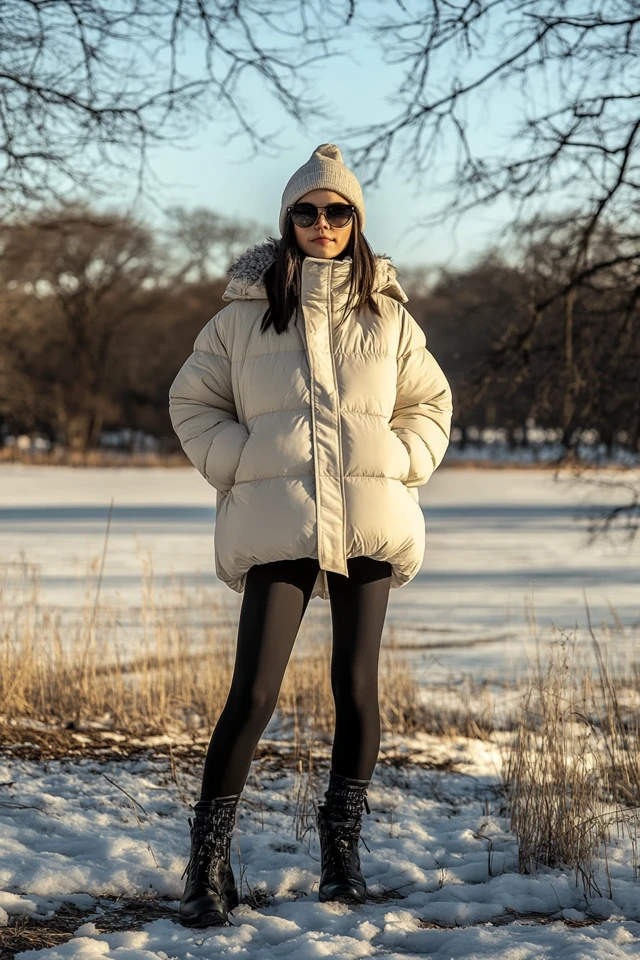
A thin base layer disappears under normal clothes. Wear thermal leggings under jeans or tailored trousers, and a thermal top under a sweater or turtleneck. For more on what goes over them, see the retro winter layering guide and these slim long-sleeve tees for layering basics, which work as a light second layer.
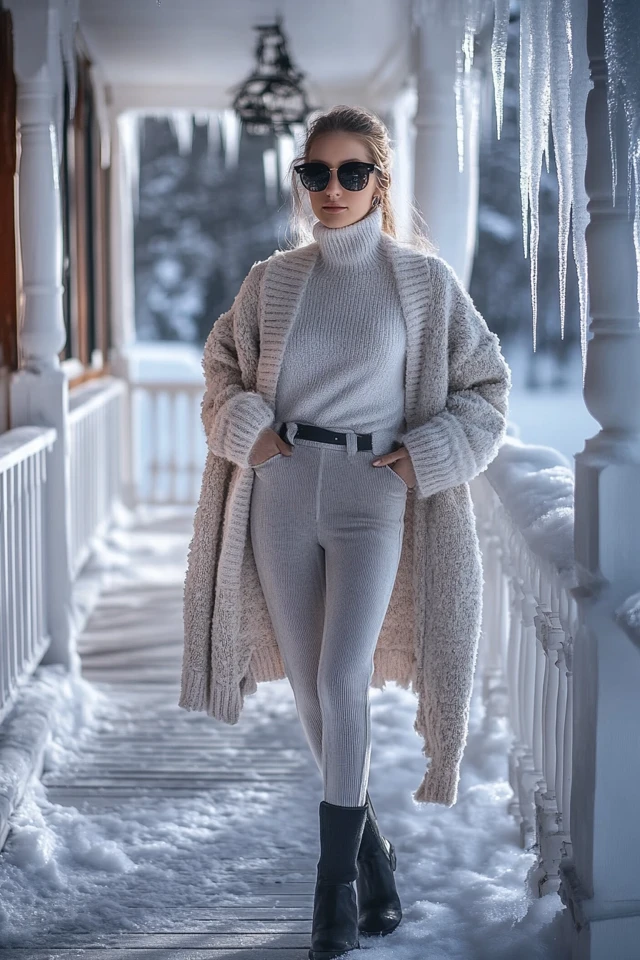
Keep necklines in mind. A crew-neck thermal under a V-neck shows, so match the neckline to what is above it. For outerwear, a long wool coat finishes a city outfit without bulk underneath.

Thermal underwear for men and for everyone else
Most thermal underwear for men and women follows the same logic: fabric, weight and fit matter more than the label. Men's cuts often have a fly and straighter legs, women's cuts a shaped waist and hip, but unisex and lounge styles overlap. Choose by how it fits your body, and size down only if your usual size leaves gaps.
How to choose a pair
- Pick the fabric first: merino for natural comfort, synthetic for sport and budget, fleece-lined for staying put.
- Choose the weight: lightweight for mild winters and indoors, midweight to heavyweight for long time outside.
- Check the fit: snug and stretchy, with flat seams that do not dig in.
- Look at the construction: reinforced seams usually last through more winters.
Caring for your thermals
- Wash on a gentle cycle in cold water, or follow the care label for wool.
- Skip fabric softener, which can coat fibers and reduce wicking.
- Air dry flat, away from high heat that can shrink or damage the knit.
- Fold or roll them for storage.
If you have sensitive skin, check with a dermatologist or doctor about fabrics that suit you.

Frequently asked questions
Are thermals and base layers the same thing?
Largely yes. Base layer describes the job of the garment closest to your skin, while thermals and long johns describe the product. Weight and fabric vary, so check those.
What is the 3 layer rule for winter?
Wear a base layer for moisture control, a middle layer for insulation and an outer layer to block wind and weather. You add or remove layers as conditions change.
Can I wear long johns under jeans?
Yes. A thin, fitted pair slides under jeans or trousers without much bulk. Choose flat seams so nothing shows or digs in.
Can long johns double as pajamas?
Yes, soft wool or knit sets work well for sleeping in a cold room. Pick a lighter weight if you tend to overheat at night.
Filed under Weather Style