Short Cropped Pixie Cuts: Polished Styles That Work
- Words by
- Julio Arco
- Published
- Reading
- 4 min
A polished cropped cut comes down to three things: a clean outline at the neckline and ears, a little length on top you can shape, and a trim every few weeks to hold the line. Get those right and short cropped pixie cuts look intentional on almost any hair type.
Below: how a pixie differs from other short cuts, which version suits your hair, how to style it, and what to wear so the whole look reads as finished.
What makes a cropped pixie look polished?
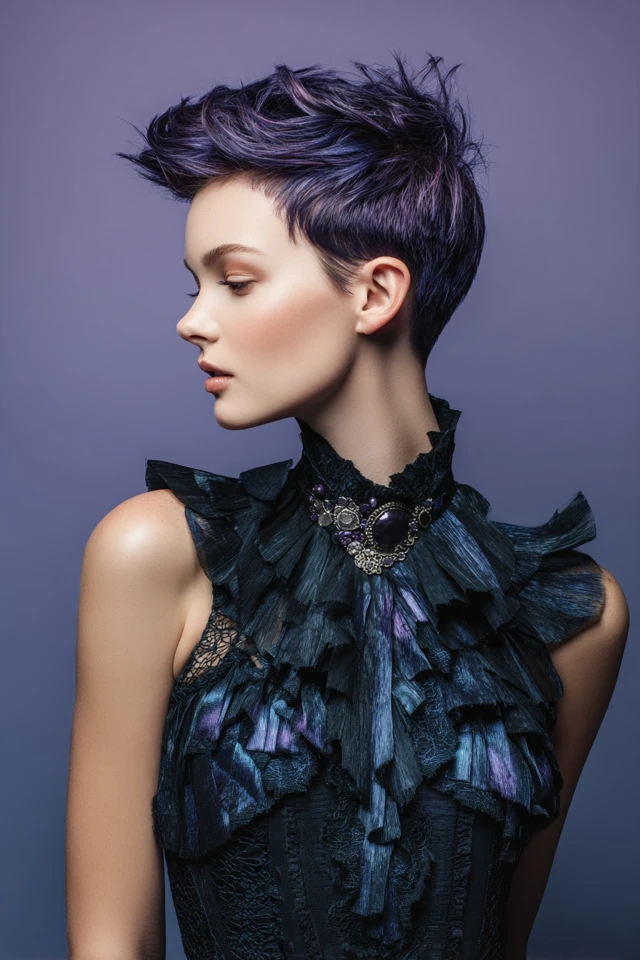
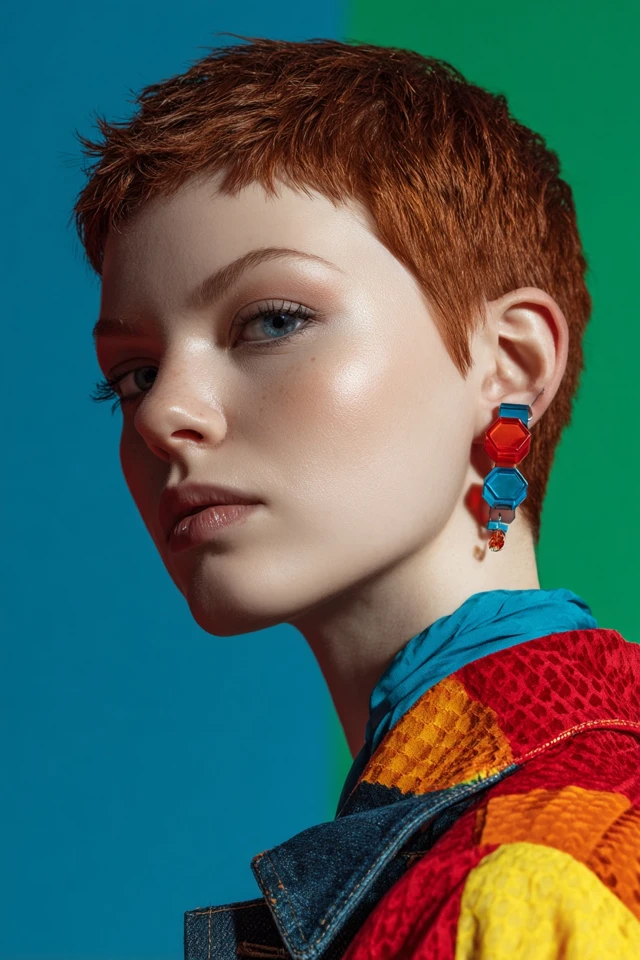
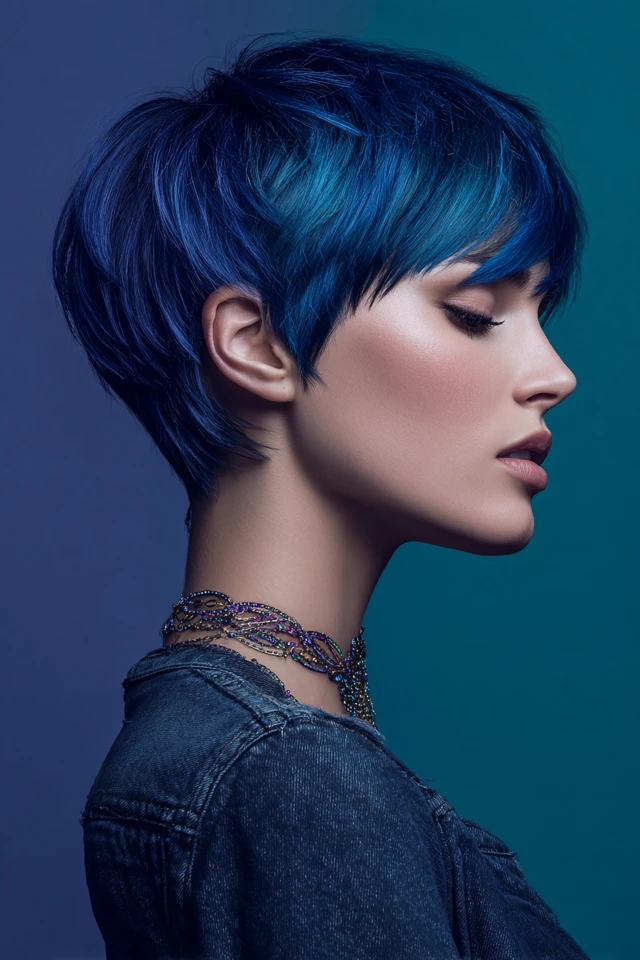
Polish is mostly edges. A tidy nape, defined sideburns and an even line around the ear make a cut look sharp even when the top is soft and tousled. Shine matters too: smooth hair reflects light evenly, so a sleek finish reads as neater than a matte one.
A pixie is usually shorter at the sides and back with more length on top. Other short cuts, like a bob, keep a uniform length around the head. If you want a closer look at neighboring options, see the short neck-hugging cut or the micro short cut.
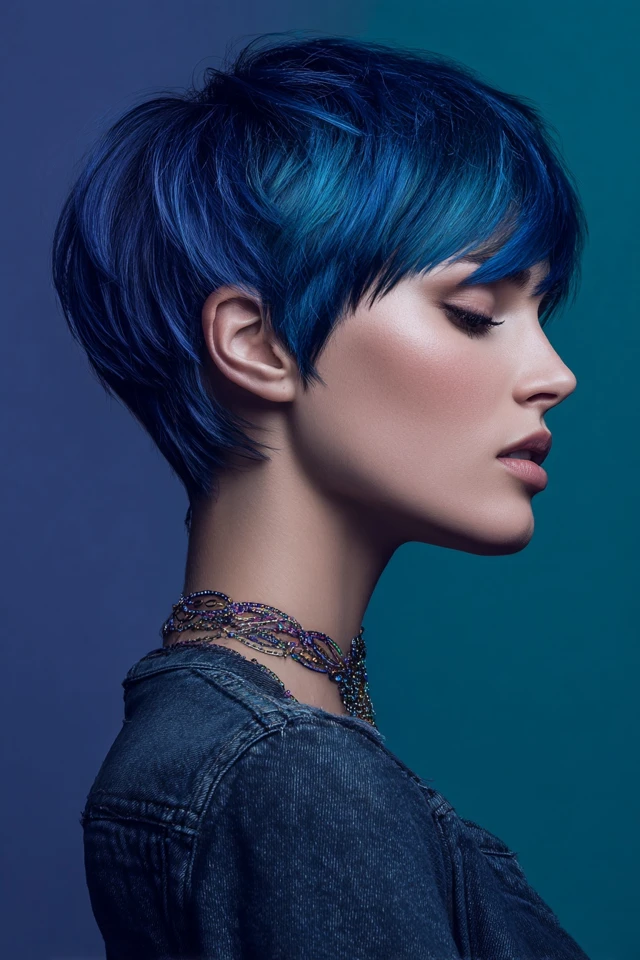
Which pixie suits your hair type?
Fine or thin hair
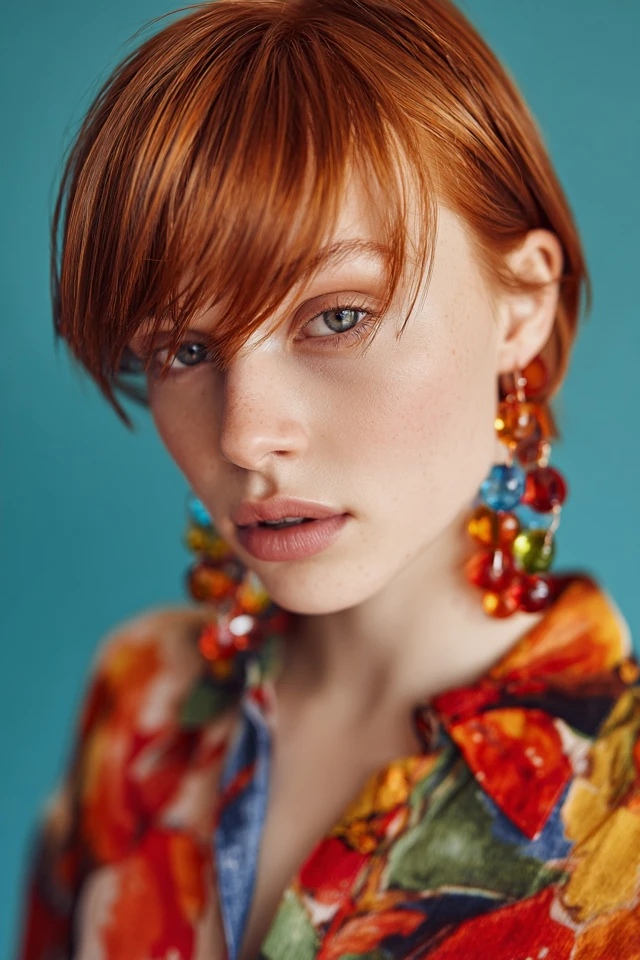
For short cropped pixie cuts for fine hair, keep the top slightly longer than the sides and ask for light texture rather than heavy layering. Too much thinning removes the weight that makes fine hair look full. A blunter, layered fringe can also add the look of density at the front.
Thick or coarse hair
Pixie cuts for thick coarse hair work best with internal layering that removes bulk without leaving the shape wispy. Texture is your friend here. A piecey, layered finish lets the hair move instead of puffing out.
Older women
Short cropped pixie cuts for older women are common because they are easy to manage and keep the face open. Softer, slightly longer tops tend to flatter more than a very tight crop, since a little movement around the forehead and temples looks gentler. Do they age you? A cut alone rarely does. Fit to your hair density and a clean finish matter more than length.
How do you choose by face shape?
Short hair puts the face on display, so proportion matters. Height on top tends to lengthen a rounder face. Side-swept or wispy fringe softens a strong jaw. A longer, textured top balances a narrow chin. These are tendencies, not rules, so try a direction and adjust with your stylist at the next trim.
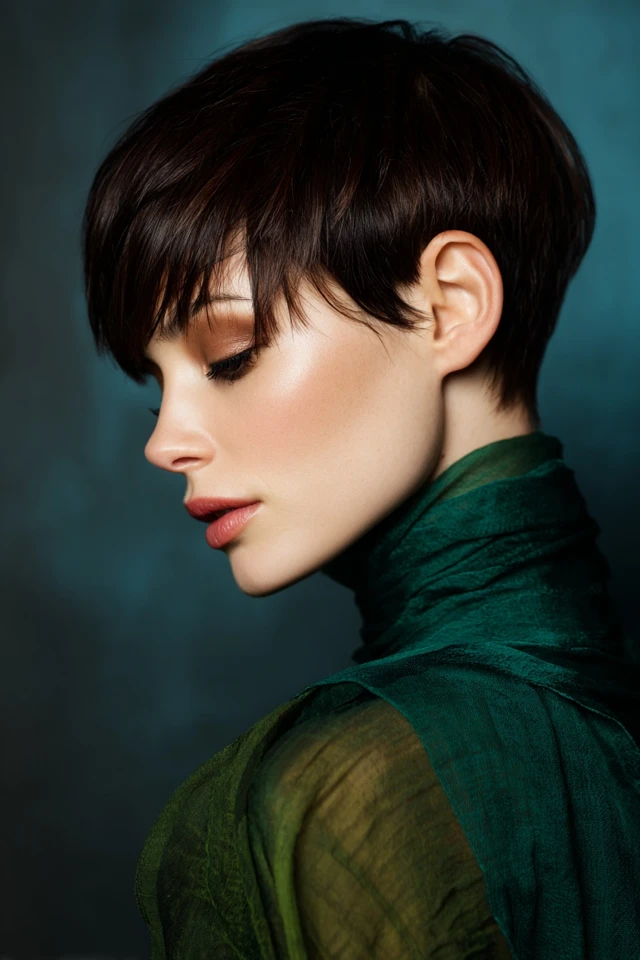
How do you style a pixie cut?
Start with towel-dried hair and a small amount of light product, worked through with fingers. Push the top up and forward for texture, or smooth it flat for a sleek version.
- If you use a flat iron, the American Academy of Dermatology advises dry hair, low or medium heat, and no more often than every other day.
- Detangle wet hair gently. The AAD notes that hair is delicate when it's wet, so a wide-tooth comb is better than a brush.
- For frizz, a leave-in can help. Board-certified dermatologist Zoe D. Draelos, MD, FAAD, says in the AAD's leave-in conditioner tips: "You should see less frizz. Your hair should be easier to brush or comb, so you'll have less breakage."
For a smooth, finished surface, a quick blow-dry helps; see the short blowout upgrade.
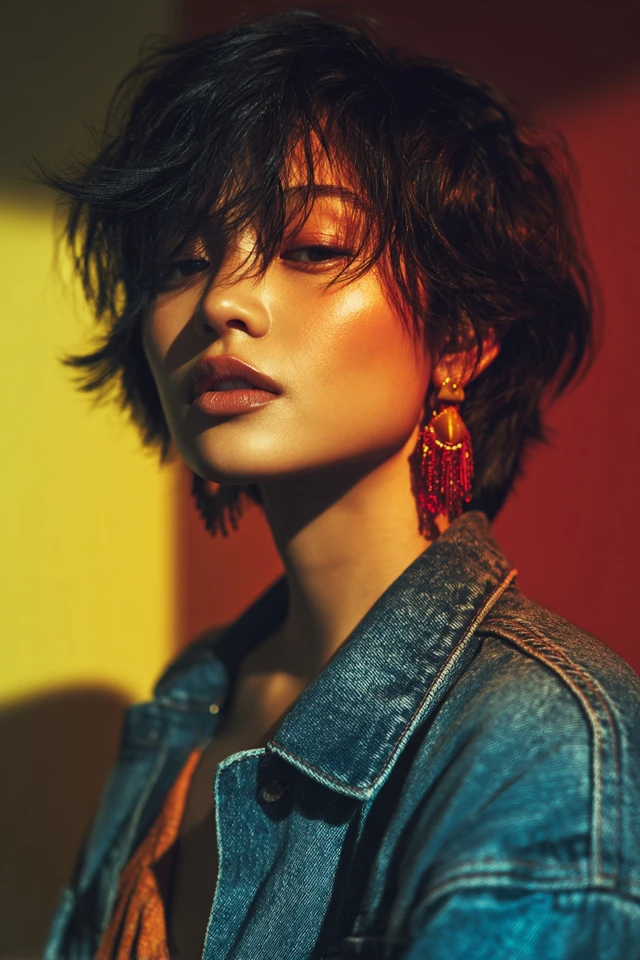
Which cropped pixies are low maintenance?
Low maintenance short cropped pixie cuts are the ones that look fine slightly undone: a textured top, a soft fringe and a shape that follows your natural growth pattern. Expect a trim roughly every four to six weeks to keep the neckline crisp. If you prefer to air-dry, a wash-and-go short cut is built for that. Shampoo frequency depends on your hair; for dry, textured, curly or thick hair the AAD says at least once every 2 to 3 weeks as needed.
What should you wear with a cropped pixie?
With the neck and ears exposed, necklines and earrings become the first things the eye reads. Through the lens of evidence-based design, I'd treat the neckline as the frame for a short cut: a crew neck or boat neck feels calm and balanced, while a V-neck lengthens the line from chin to chest.
Texture changes how color reads, so a matte knit and a silky blouse in the same shade will not look identical beside a sleek cut. Choose the one that matches the mood of your hair: soft knits with a tousled top, crisp cotton or satin with a smooth finish. Small studs or a single bold earring work well. Skip heavy, busy pieces near the face if the cut is already the statement.
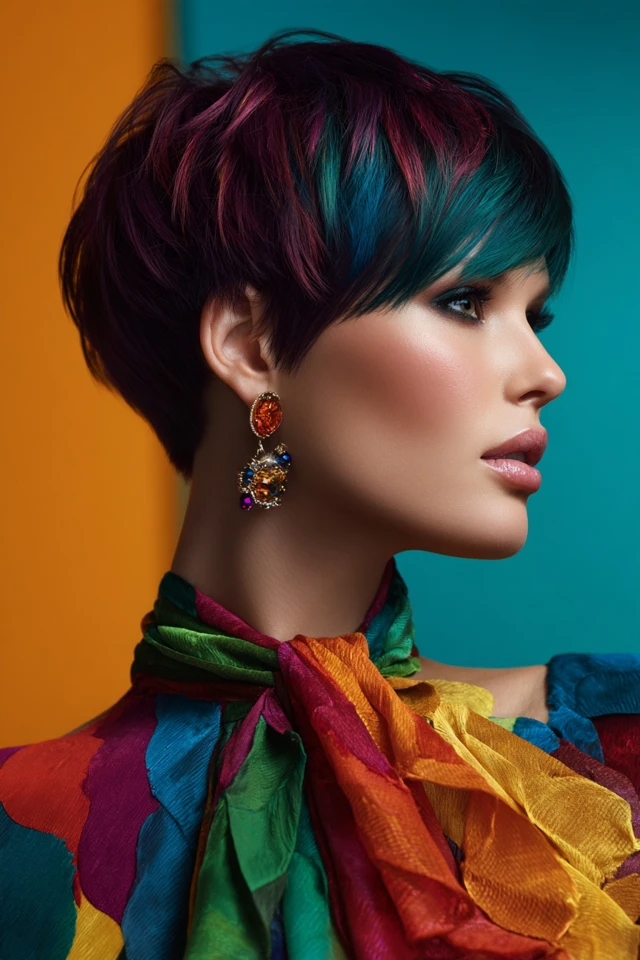
How do you grow a pixie out?
Plan on regular shaping trims so the in-between stage does not turn shapeless. Let the top grow first, then the sides. Clips, headbands and a bit of texture product make the awkward weeks easier. If you want a middle stop, a longer short cut gives you somewhere to land.
Frequently asked questions
Do pixie cuts make you look older or younger?
It depends on the shape more than the length. Soft, textured tops usually read younger and gentler, while a severe, flat crop can look sharper. Try a version that matches your hair density.
What is a choppy pixie cut for over 60?
It is a short cut with uneven, textured layers on top and tidy sides. The movement adds volume to thinner hair and keeps styling quick.
How often should I trim a pixie cut?
Most people book a trim about every four to six weeks to keep the neckline and sides crisp. Slower-growing hair can stretch that a little.
Filed under Haircuts