
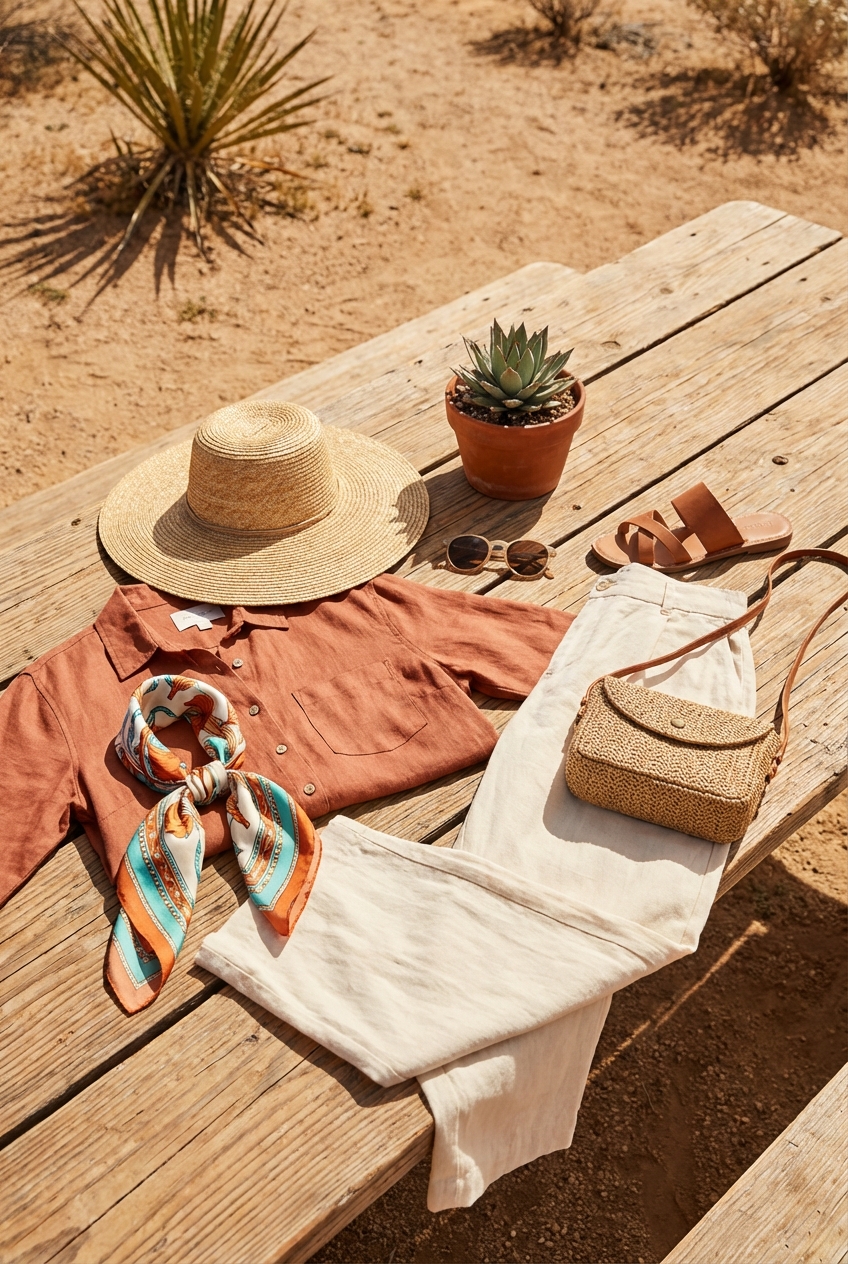
Desert Chic Fashion Tips For Hot And Dry Environments
There is an undeniable allure to the desert aesthetic. From the sun-bleached hues of Joshua Tree to the mid-century glamour of Palm Springs, “Desert Chic” is more than just a trend; it is a lifestyle that demands a specific approach to design. When we talk about dressing a home in a hot and dry climate, we are essentially curating a wardrobe for your living space. The goal is to look effortless and high-fashion while remaining cool, breathable, and functional under the relentless sun.
As a designer, I treat a home in an arid climate differently than a coastal or urban project. The harsh sunlight and lack of humidity require materials that won’t crack, fade, or trap heat. Just as you wouldn’t wear heavy synthetic velvet to an outdoor brunch in July, you shouldn’t dress your sofa in materials that can’t breathe. High-end desert design is about balancing organic luxury with extreme durability.
Whether you are renovating an adobe hacienda or simply bringing that warm, earthen vibe to a city apartment, the principles remain the same. We focus on natural fibers, low-slung silhouettes, and a palette drawn directly from the landscape. To spark your imagination, I have curated a stunning Picture Gallery at the end of this blog post with real-world examples of these concepts in action.
1. The Desert Palette: Selecting Your Foundation
In high fashion, every great look starts with the right color story. In desert interiors, we avoid stark, clinical whites which can be blindingly bright when the midday sun hits them. Instead, we lean into “dirty” neutrals and warm earth tones that absorb and soften the intense light.
Think of the colors found in a canyon at sunset. We are looking for terracotta, sage green, warm beige, camel, and dusky rose. These shades bridge the gap between the indoors and the outdoors, making the living space feel expansive. If you crave contrast, avoid jet black, which absorbs heat; opt for charcoal, iron, or deep espresso instead.
When selecting paint, pay attention to the Light Reflectance Value (LRV). In a sun-drenched room, a color with a high LRV (over 70) will blow out and lose its character. I prefer colors with an LRV between 40 and 60 for desert homes. This range maintains the depth of the hue without turning the room into a dark cave.
Designer’s Note: The “White Paint” Trap
I once had a client in Scottsdale who insisted on a “gallery white” paint for her south-facing living room. Despite my warnings, we proceeded. Within a week, she called to say the room was physically painful to sit in during the afternoon because of the glare. We repainted with a creamy, limestone-tinted off-white, and the room instantly felt ten degrees cooler and infinitely more luxurious.
2. Textiles and Upholstery: The “Breathable” Home
In fashion, the difference between a cheap suit and a designer piece is often the fabric. The same applies to your home. In a dry, hot environment, your furniture is constantly interacting with skin. Synthetic fabrics like polyester, nylon, or heavy microfiber trap body heat and can feel sticky.
Linen is the gold standard. Just as a linen shirt is the ultimate desert fashion staple, linen upholstery is the best choice for this climate. It is naturally antimicrobial, highly breathable, and wicks moisture away. It also wrinkles, which contributes to that relaxed, effortless “wabi-sabi” aesthetic central to Desert Chic.
Cotton and Cotton-Blends. If linen feels too delicate for your lifestyle, a heavy-weight cotton canvas or a cotton-linen blend offers similar breathability with added structure. Look for “basketweave” textures which hide dust—a common issue in dry climates.
Common Mistakes + Fixes
- Mistake: Using dark leather or vinyl on seating areas that receive direct sunlight.
- The Fix: If you love leather, choose a cognac or caramel aniline leather that won’t absorb as much heat as black. Even better, use leather only for accent chairs and keep the main sofa in fabric.
- Mistake: Buying “outdoor” rugs for indoor use because they are durable.
- The Fix: Many outdoor rugs are plastic (polypropylene). They feel hot underfoot. Stick to jute, sisal, or wool for indoor areas to maintain temperature regulation.
3. Rug Sizing and Grounding the Space
In desert design, flooring is usually hard surface—stone, concrete, or tile—to keep the ambient temperature down. This makes area rugs critical for acoustic control and comfort. However, a rug in a desert home isn’t just a mat; it’s the foundation of the room’s outfit.
Material Matters. Wool is surprisingly excellent for hot climates. It is an active fiber that reacts to changes in body temperature, staying cool in summer. Flatweave wool rugs or natural plant fibers like Jute and Sisal fit the aesthetic perfectly. They add organic texture without the visual “heaviness” of a high-pile shag rug.
The Golden Rules of Rug Sizing:
Nothing ruins a high-end look faster than a rug that is too small. It makes the furniture look like it is floating on an island.
- Living Room: The front legs of all seating furniture should rest on the rug. Ideally, the rug should extend 6 to 10 inches past the sides of the sofa.
- Dining Room: You need 24 inches of rug extending from the edge of the table on all sides. This ensures chairs don’t catch on the rug edge when guests slide out.
- Bedroom: Place the rug perpendicular to the bed. It should start about 12 inches forward from the nightstands and extend at least 18 inches past the foot of the bed.
What I’d Do in a Real Project
For a high-traffic desert living room, I almost always layer rugs. I start with a large, inexpensive jute rug (sized 9×12 or 10×14) to cover the bulk of the stone floor. Then, I layer a smaller, vintage Kilim or Oushak rug on top. This adds color and pattern while keeping the vibe earthy and collected.
4. Managing the Sun: Window Treatments
The sun is the most aggressive element in a dry environment. Managing it is not just about aesthetics; it is about protecting your investment. UV rays will bleach wood floors, fade fabrics, and crack leather within months if left unchecked.
The Layered Approach.
Just as you wear sunglasses and a hat, your windows need layers. I recommend a dual system:
- Solar Shades: These are roller shades made of a technical mesh. They cut 95% of UV rays and reduce heat gain, but—and this is key—they allow you to see the view during the day. Mount these inside the window frame for a clean look.
- Drapery: Layer decorative drapes over the shades. In Desert Chic interiors, we want movement. Use unlined or semi-sheer linen curtains in oatmeal or white. They filter the light and add softness to the hard edges of desert architecture.
Hanging Logic:
To maximize the feeling of ceiling height, mount your curtain rod at least 4 to 6 inches above the window frame (or just below the crown molding if you have it). Extend the rod 8 to 12 inches past the window on either side. This allows the curtains to “stack” against the wall, leaving the glass completely exposed when open.
5. Furniture Profiles and Materials
Desert Chic is synonymous with “Desert Modernism.” This style favors low profiles that hug the landscape. We want furniture that feels grounded, not leggy or nervous.
The Low-Slung Sofa.
Look for sofas with a lower back and deep seating. The standard seat height is 18 inches, but in desert lounging zones, we often drop to 16 or 17 inches for a more relaxed, “majlis” style vibe. Modular sectionals work beautifully here.
Material Selection.
Avoid chrome and glass. They feel cold and clinical. Instead, opt for:
- Warm Woods: Walnut, teak, and white oak.
- Stone: Travertine coffee tables are a staple of this look. They are cool to the touch and virtually indestructible.
- Rattan and Cane: These materials allow air and light to pass through, keeping the room feeling airy even if the furniture pieces are large.
Designer’s Note: The “Hot Metal” Danger
Be very careful with metal armrests or metal-framed chairs if they are near windows or in sunrooms. Direct desert sun can heat metal to scalding temperatures surprisingly fast. I always test furniture placement at different times of day to ensure a client won’t burn their arm when sitting down for morning coffee.
6. Bringing the Outside In (Without the Heat)
The boundary between indoors and outdoors should be blurred. However, in a dry climate, bringing nature in requires specific plant choices. High-humidity tropical plants (like Fiddle Leaf Figs) will struggle and crisp up unless you run a humidifier constantly.
sculptural Botanicals.
Stick to varieties that thrive in arid zones. A large Olive tree in a pot is a classic high-end choice. Snake plants, large cacti (ensure they are placed away from walkways to avoid injury), and rubber trees are excellent. They offer that architectural green silhouette without demanding a rainforest climate.
Organic Accessories.
Use accessories to mimic the desert floor. Large earthenware vessels, petrified wood side tables, and raw crystal accents (like quartz or selenite) reinforce the geological beauty of the environment. Scale is important here: one large oversized pot looks more expensive and intentional than five small pots cluttered together.
Finish & Styling Checklist
Before you consider a room complete, run through this “Desert Chic” audit to ensure you have hit the mark on both style and function.
- Check the Palette: Do you have at least three different shades of “sand” or “earth”? Monochromatic layering creates luxury.
- Touch Test: Sit on every piece of furniture. Does anything feel sticky or scratchy? If so, add a natural fiber throw blanket.
- Lighting Temperature: Ensure all light bulbs are 2700K to 3000K (Soft White). Anything cooler (4000K+) will look like a hospital against warm desert tones.
- Glare Check: Sit in the main seating area at 2:00 PM. Do you need sunglasses? If yes, you need solar shades.
- Texture Variety: Do you have a mix of wood, stone, fabric, and woven fiber in the room? If it looks flat, add a woven basket or a stone bowl.
- Rug Anchoring: Are the front legs of the sofa on the rug? If not, pull the rug forward or buy a larger one.
FAQs
Q: Can I use velvet in a desert home?
A: You can, but choose a cotton velvet rather than a polyester one. Cotton velvet breathes better. However, be aware that velvet fades very quickly in direct sunlight. Use it in bedrooms or rooms with less aggressive window exposure.
Q: How do I handle the dust?
A: Desert environments are incredibly dusty. Avoid intricate furniture with lots of carving where dust can settle. Choose slipcovered furniture that can be removed and washed. smooth leather and tight-weave linens are easier to vacuum than high-pile fabrics.
Q: What is the best flooring for a desert home with dogs?
A: Large-format porcelain tile that looks like stone or concrete is unbeatable. It is cool for the dogs to lie on, scratch-proof, and easy to clean. Real stone (like limestone) is beautiful but porous and can stain from muddy paws.
Q: I’m renting. How do I get the look without changing floors?
A: Use oversized area rugs. You can cover 80% of an unsightly carpet or floor with a large seagrass or jute rug. It instantly neutralizes the room and provides that organic base layer.
Conclusion
Designing a home in a hot and dry environment is about respecting the elements while asserting your personal style. It is a balancing act between protection and openness. By choosing materials that breathe, colors that harmonize with the landscape, and layouts that prioritize airflow and comfort, you create a sanctuary that feels as good as it looks.
True Desert Chic isn’t about buying a cactus and calling it a day. It is about creating a tactile, sensory experience—cool stone underfoot, the soft drape of linen, and the filtered glow of the sun. Treat your home with the same discernment you use to build your wardrobe, investing in quality natural fibers and timeless silhouettes.
Picture Gallery


