
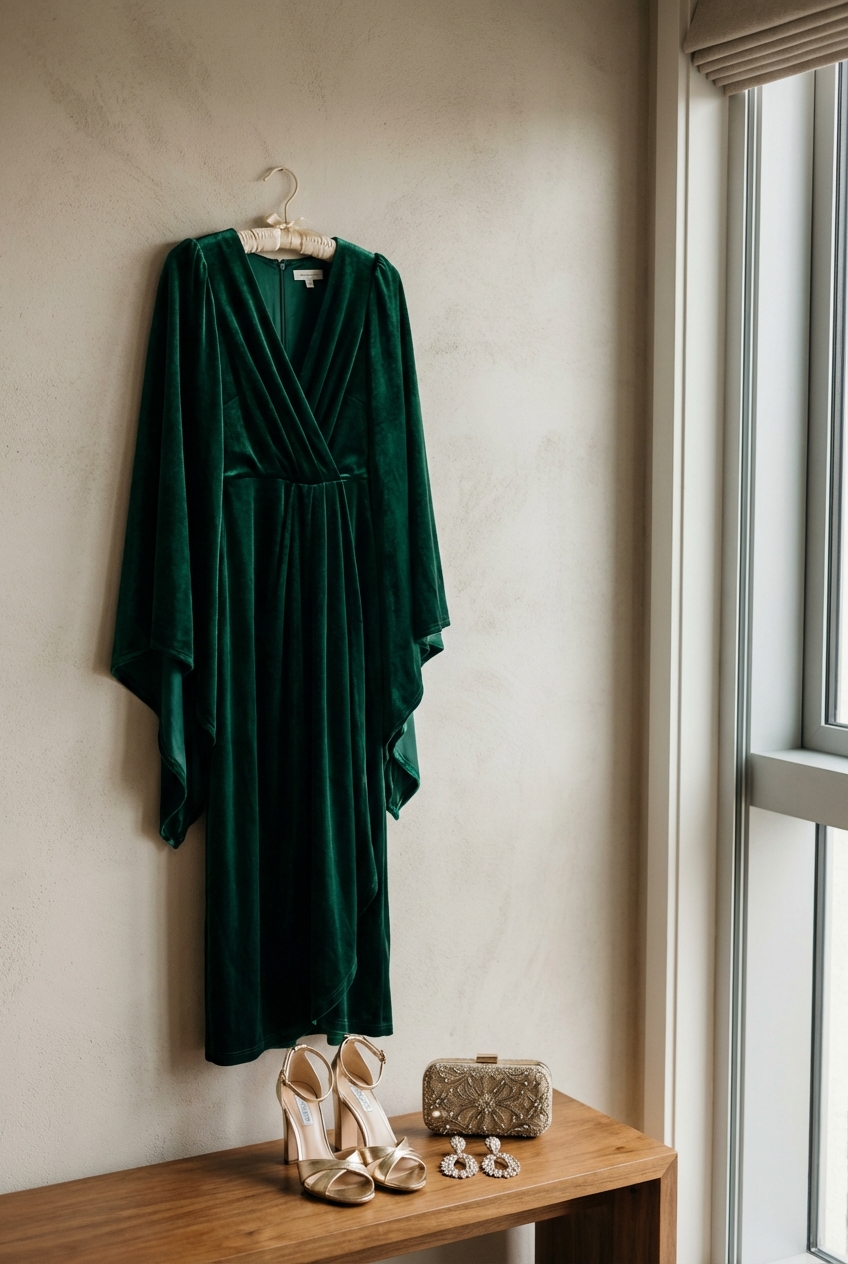
Dramatic Cape Dresses For Red Carpet Glamour
Introduction
There is a distinct shift in energy when a client steps into a cape dress. In the fitting room, posture immediately corrects itself, shoulders drop back, and the chin lifts. It is what I call the “superhero effect,” but translated for high-fashion elegance. A cape dress offers a rare combination of armor and ethereal beauty that few other silhouettes can achieve.
I recall styling a client for a charity gala who was incredibly self-conscious about her arms but didn’t want the matronly look of long, fitted sleeves. We opted for a structured column gown with a floor-length chiffon cape attached at the shoulders. The result was architectural and commanding, yet it offered the coverage she needed to feel confident. That night, she didn’t just walk the carpet; she glided.
However, styling a cape dress requires a very specific set of rules regarding proportions, fabric weight, and accessories. It is easy to let the fabric wear you, rather than the other way around. If you are looking for visual inspiration on how to execute this look, please scroll to the bottom of this page where I have curated a Picture Gallery of my favorite cape styles.
Understanding the Architecture: Cape Silhouettes
Not all capes function the same way. When selecting a gown for a black-tie event or red carpet, you must first determine the architectural purpose of the cape. Is it for drama, for structure, or for coverage? Understanding this dictates how you will move and pose throughout the night.
The “Watteau” back is a classic choice for traditional glamour. This style features fabric attached at the upper back or shoulders that trails down to the floor, often forming a train. It creates a stunning exit but leaves the arms entirely free. This is the most practical choice if you plan on eating, drinking, or dancing, as your range of motion is unrestricted.
Conversely, the “integral capelet” is merged with the bodice and covers the shoulders and upper arms. This provides a statuesque, column-like silhouette. While visually striking, it restricts upward arm movement. If you choose this style, you need to test your mobility during alterations to ensure you can comfortably hold a champagne glass without hiking up the entire dress.
Designer’s Note:
One unexpected issue I often face with heavy, embellished capes is the “backward pull.” If the cape is significantly heavier than the front of the dress, the neckline will slowly choke you throughout the evening. Always ensure the bodice has internal structuring or a waist stay (an inner belt) to anchor the dress against the weight of the cape.
Fabric Physics: Weight and Drape
The success of a cape dress lives and dies by the fabric choice. In interior design, we talk about how curtains break on the floor; in fashion, we talk about how the cape “pools.” The fabric must be fluid enough to move as you walk, but substantial enough not to tangle between your legs.
Silk crepe and heavy matte jersey are my top recommendations for a sleek, modern look. These fabrics have a “liquid” quality. They are heavy enough to hang straight down, smoothing over the body, but they flutter beautifully when caught by a breeze or movement. They photograph exceptionally well because they do not reflect light in unflattering ways.
For high drama and volume, taffeta or structured gazar are the go-to options. These fabrics hold their shape, allowing the cape to flare out creating a triangular silhouette. However, be warned: these fabrics are noisy. They create a distinct “swish” sound, which some clients love for the presence it announces, while others find it distracting during quiet ceremonies.
Common Mistakes + Fixes:
Mistake: Choosing a lightweight chiffon cape over a heavy velvet dress.
Fix: Fabric weights should generally match or complement. A flimsy cape over a heavy winter gown looks like an afterthought. If the dress is velvet, the cape should be velvet or a lined satin to match the visual weight.
The Tailoring Rules: Hemlines and Lengths
Tailoring a cape dress is more complex than a standard gown because you are managing two different hemlines. The relationship between the dress hem and the cape hem is critical for both safety and aesthetics.
My rule of thumb is that the cape should either be exactly flush with the dress hem or extend significantly longer to form a train. A cape that is two inches shorter than the dress looks accidental, as if the fabric ran out. It breaks the vertical line that makes this silhouette so slimming.
If you are wearing a floor-length cape, the hem must be cut while you are wearing your specific event shoes. I recommend having the cape hemmed 1/4 inch to 1/2 inch off the floor. This allows the fabric to float just above the ground. If it touches the floor, you risk stepping on it with your heel, which can disastrously jerk your head back due to the neck attachment.
What I’d do in a real project:
When styling a client, I ask the tailor to add small weighted beads inside the hem of the cape. This is an old couturier trick. It keeps the cape hanging straight down and prevents it from flipping inside out or blowing over the client’s head during outdoor red carpet photos.
Styling the Look: Hair and Jewelry Balance
Because a cape dress adds significant volume to the upper body, your styling choices must focus on streamlining. The goal is to avoid looking like a shapeless mound of fabric. The “Rule of Thirds” in fashion implies balancing the volume; since the volume is at the shoulders and back, the head and neck styling must be clean.
Hair should almost always be worn up or sleeked back. A cape creates a lot of friction around the shoulders. If you wear your hair down in loose waves, it will inevitably get tangled in the attachment points of the cape or become frizzy from rubbing against the fabric. A high bun, a chignon, or a sleek ponytail elongates the neck and separates your head from the garment.
For jewelry, skip the necklace. Cape dresses usually have high necks or significant shoulder detailing. Adding a necklace creates visual clutter. Instead, invest your budget in statement earrings. Large drop earrings or architectural studs draw the eye up to the face and balance the width of the cape.
Designer’s Note:
If you have a short neck or broad shoulders, opt for a cape dress with a deep V-neckline rather than a jewel neck. This breaks up the expanse of fabric across the chest and brings the focus to the center of the body, rather than the width of the shoulders.
Navigating the Venue: Practical Logistics
Wearing a cape requires a certain level of spatial awareness. I always coach my clients on “cape management” before a big event. It sounds silly, but maneuvering a three-foot train of fabric in a crowded cocktail hour is a skill.
When sitting down for dinner, do not sit on the cape. This will pull the neckline backward and restrict your movement. Instead, you must subtly sweep the cape to one side or flip it over the back of the chair if the chair back is low enough. If the cape is sheer or delicate, flipping it over the chair protects it from getting snagged on the chair legs or stepped on by waiters.
Restroom logistics are another reality check. If the cape is detachable, remove it before entering the stall. If it is attached, you will likely need a friend or an attendant to help you gather the fabric. This is not a dress for a solo mission.
Footwear Strategy: Stability is Key
Cape dresses are back-heavy. This changes your center of gravity slightly. Therefore, footwear is not just about height; it is about stability. This is not the moment for a fragile stiletto with a wobbly heel.
I recommend a platform heel or a shoe with a wider base. You need to feel grounded. Because the cape often covers the back of the shoes, you can get away with a chunkier heel without ruining the aesthetic. The extra surface area on the floor helps you balance against the weight of the fabric swinging behind you.
Ensure the shoe has no embellishments on the heel cup or ankle strap. Rhinestones or buckles at the heel are notorious for snagging the inner lining of a long cape. I have seen clients rip the lining of a $5,000 gown because their shoe buckle caught the fabric with every step.
Finish & Styling Checklist
Before you head out the door, run through this specific checklist I use with my private clients. These final touches make the difference between wearing a dress and owning a look.
The “Cape Confidence” Walk-Through:
- The Static Guard Check: Capes generate static electricity, especially in winter. Spray the inside of the cape and the outside of the skirt liberally with anti-static spray to prevent them from clinging together.
- The Arm Test: Raise your arms to shoulder height. If the whole dress lifts up to your thighs, you need to limit your arm movements or wear tights.
- The Sit Test: Sit on a dining chair. Ensure you know exactly where to put the fabric so you don’t feel strangled.
- Steam the Underside: Most people steam the outside of the cape, but the underside is visible when you walk. Ensure the lining is wrinkle-free.
- Tape the Shoulders: Use double-sided fashion tape on the shoulder seams to keep the cape anchor points from slipping backward or forward.
FAQs
Can I wear a coat over a cape dress?
Generally, no. Trying to stuff a cape into a coat sleeves is impossible and creates bulk. If it is cold, the cape is your coat. If you need more warmth, opt for long leather gloves or a fur/faux-fur stole that sits on top of the cape, though this can get bulky. The best strategy is door-to-door car service.
Are cape dresses suitable for petite women?
Absolutely, but scale is everything. Avoid floor-sweeping Watteau trains that swallow your frame. Opt for a cropped capelet that ends at the elbows or waist. This draws the eye up and keeps the legs looking long. A monochromatic look (dress and cape in the same color) prevents the body from being cut in half visually.
How do I carry a handbag with a cape dress?
Shoulder bags are impossible; the straps will slide off or ruin the silhouette. You must use a clutch. I recommend a clutch with a hand-strap or a knuckle-duster clasp so you can hold it securely without needing to grip it tightly against your side, which might interrupt the drape of the cape.
Can a tailor add a cape to a dress I already own?
Yes, this is a fantastic way to update an old gown. A skilled tailor can attach a chiffon or crepe panel to the shoulder straps of a simple slip dress. Ask for “invisible snaps” or hook-and-eye closures so the cape can be detachable, giving you two looks in one.
Conclusion
A dramatic cape dress is more than just a garment; it is a statement of intent. It signals that you are there to take up space and be seen. While the logistics of fabric weight, tailoring, and movement require a bit more planning than a standard cocktail dress, the payoff is immense.
By following these rules of proportion and practicality, you ensure that the drama remains in the aesthetic, not in the execution. Stand tall, let the fabric trail behind you, and enjoy the superhero moment you have created. It is, without a doubt, the most powerful silhouette in a woman’s evening arsenal.
Picture Gallery


