Asymmetrical Draped Dresses for Evening: How to Choose
- Words by
- Julio Arco
- Published
- Reading
- 5 min
Asymmetrical draped dresses are flattering on most figures when the drape lands where you want the eye to go. Pick a fabric that falls softly (jersey, crepe, chiffon or satin), choose a hem or neckline that suits your height, and keep accessories quiet. The cape-style versions below add one more layer of drama for evening.
The asymmetric drape dress works for galas, weddings and dinners because the fabric does the decorating. You don't need much else.
What makes a dress asymmetrical and draped?
Asymmetry means the two sides of the dress don't match. It can show up at the neckline (one shoulder, a diagonal cut), the hem (higher on one side) or the cape or sleeve (one side longer or fuller). Draping means the fabric is gathered or folded across the body instead of cut into a rigid shape, so it moves as you do.
Combine the two and the eye follows a diagonal line across the body. A diagonal is easier on the eye than a straight horizontal, which is why these dresses often look lighter than the amount of fabric suggests.
Which necklines, capes and hems are there?
One-shoulder and diagonal necklines
These draw the eye up and across, and they show off the collarbone and shoulder line. If you have broad shoulders, a softly gathered one-shoulder cut keeps things from looking boxy.
Cape overlays
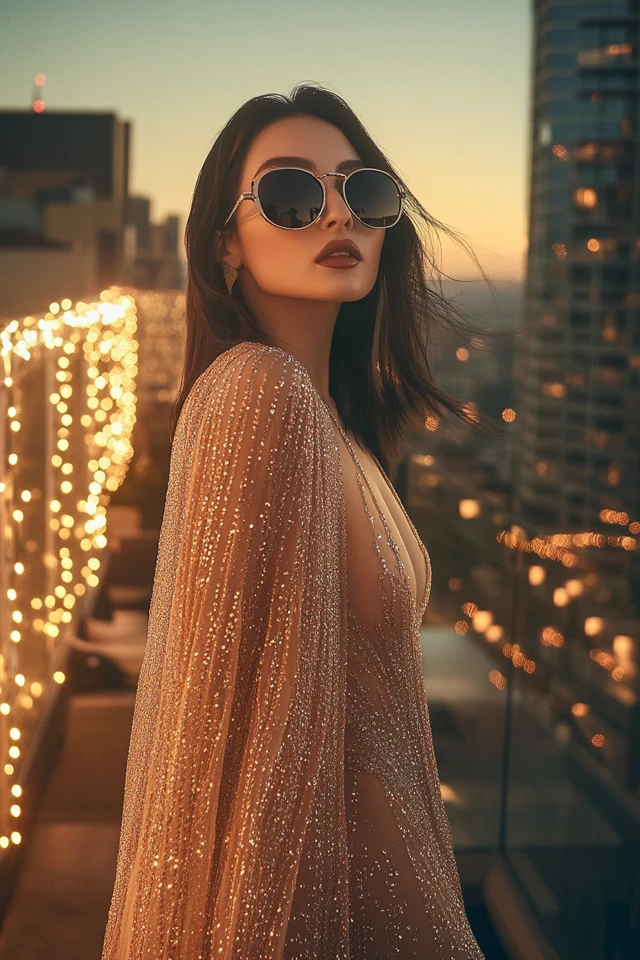
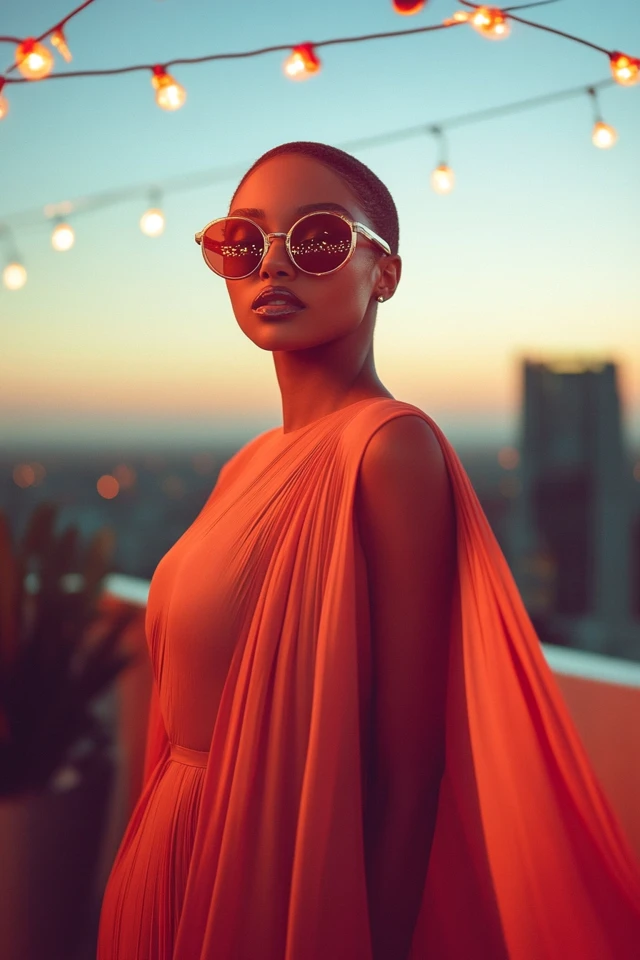
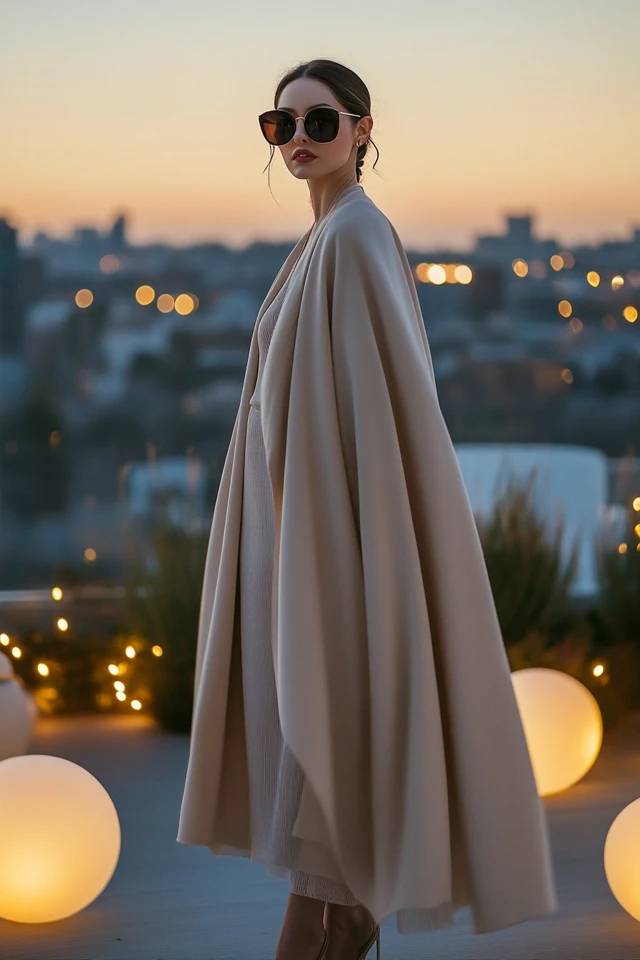
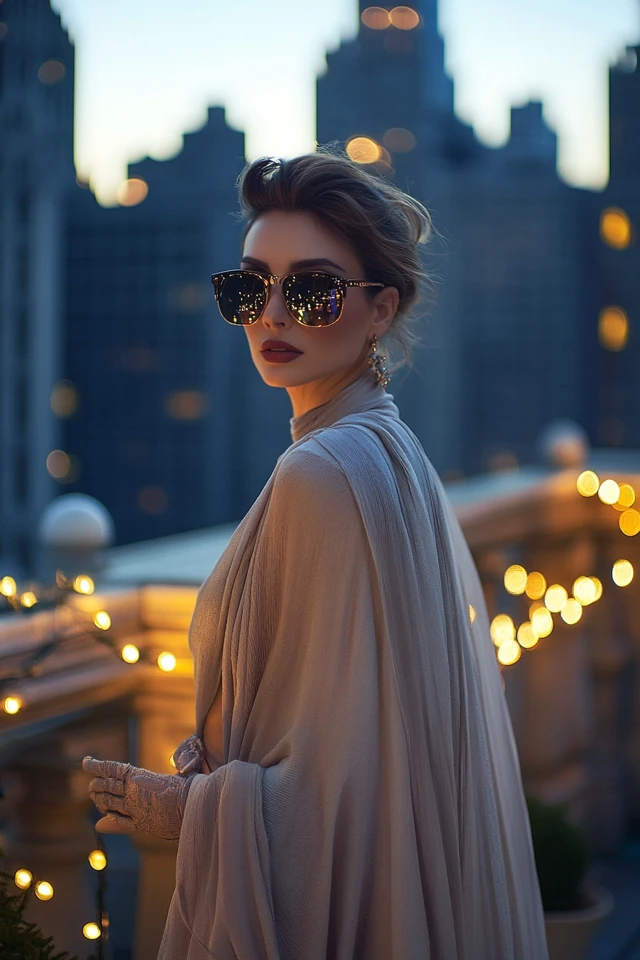
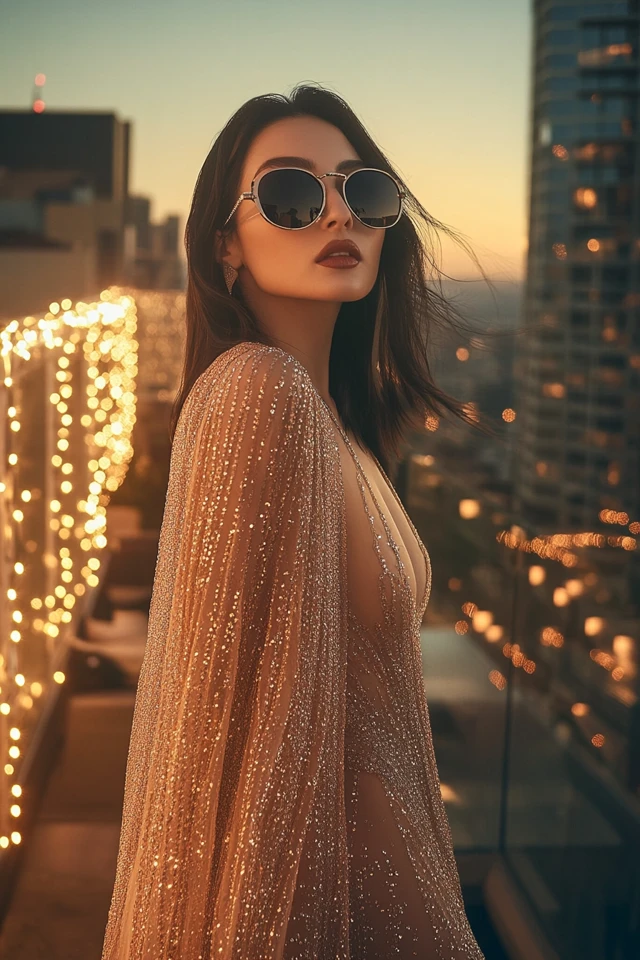
A cape panel falls from the shoulders and covers the upper arms without sleeves. A long one makes a vertical line and adds movement when you walk. A short one reads more playful. Look for versions where the cape attaches at one side only for an asymmetrical effect. For more drama, see these cape dresses with red carpet glamour and these flowy cape dresses for grand entrances.
Uneven and high-low hems
A hem that dips on one side shows a little leg without a slit. If you like the idea, our post on high-low dresses for evening goes further.
Midi, maxi or mini: which length works?
An asymmetrical draped midi dress is the easiest to wear. It hits somewhere between knee and mid-calf, works with heels or flat shoes, and doesn't drag. It suits dinners, weddings and cocktail events.
A maxi asymmetrical draped dress is the choice for black-tie and formal evenings. Check the hem with your shoes on: it should clear the floor by a finger or two at the front so you can walk and climb stairs safely. Floor-length drape also suits tall frames, and petite wearers can choose a high-low maxi to keep the length from swallowing them.
Minis with asymmetrical drape work for parties. Keep the rest of the look simple, since the hem already carries the interest.
Are asymmetrical dresses flattering?
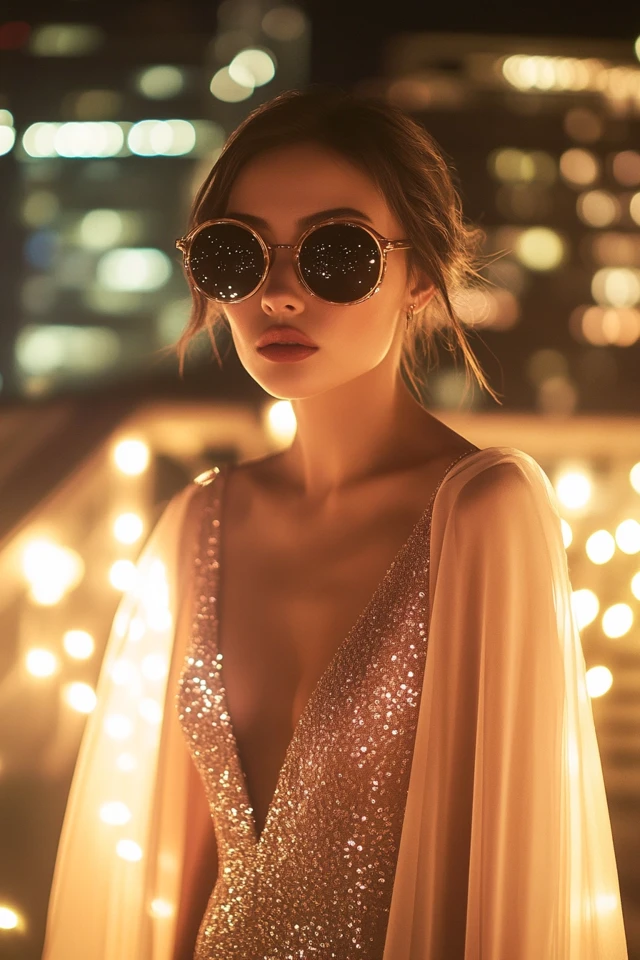
Usually, yes, because the diagonal line breaks up the silhouette and the drape skims instead of clings. Where the gathering sits matters most. Ruching at the side of the waist softens the midsection, while a fitted bodice with a draped skirt defines the waist.
Through the lens of evidence-based design, I'd treat the neckline as the first thing the eye reads. A one-shoulder or diagonal line sends attention to your face and shoulders, so put the detail there if you'd rather not highlight the middle.
Fit notes by figure
- Petite: choose a shorter cape or a single asymmetrical drape, and keep the dress one color so the line isn't broken up.
- Hourglass: pick a fitted bodice or a belted waist and let the cape or skirt carry the drama.
- Pear: a detailed or structured top balances wider hips, and a cape starting at the shoulders pulls the eye upward.
- Plus size: plus size asymmetrical draped dresses look best in fabrics that flow without clinging, such as jersey, crepe or chiffon. Side ruching and a slight flare in the cape add movement.
If a dress pulls across the shoulders or bust, that is a fit issue, not a you issue. Try the next size or a wrap style with adjustable ties.
Which color and fabric should you pick?
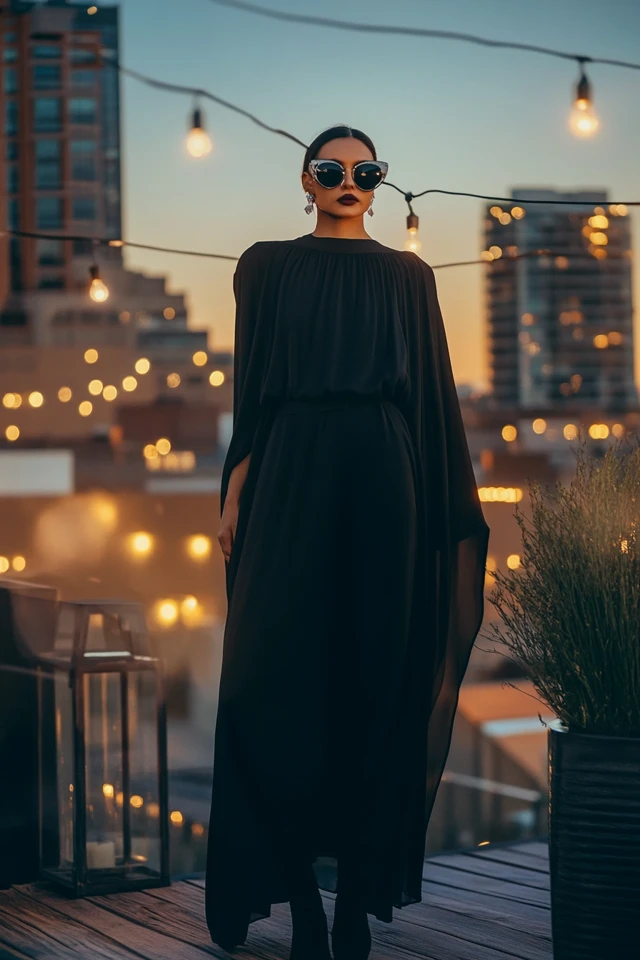
Texture changes how a color reads. A matte crepe in black looks quiet, while the same black in satin catches light along every fold and makes the drape more visible. As an architect trained in evidence-based design, I'd choose the glossier fabric when the draping is the feature and the matte one when you want the cut to speak.
- Black is easy to wear and shows folds clearly in satin.
- Jewel tones such as emerald, sapphire and ruby suit evening light and need little jewelry.
- Soft neutrals like champagne or blush are good for weddings and daytime-to-evening events.
For heavier looks, silk and velvet capes hold structure, while gold capes and dresses work for gala entrances.
How to style asymmetrical draped dresses
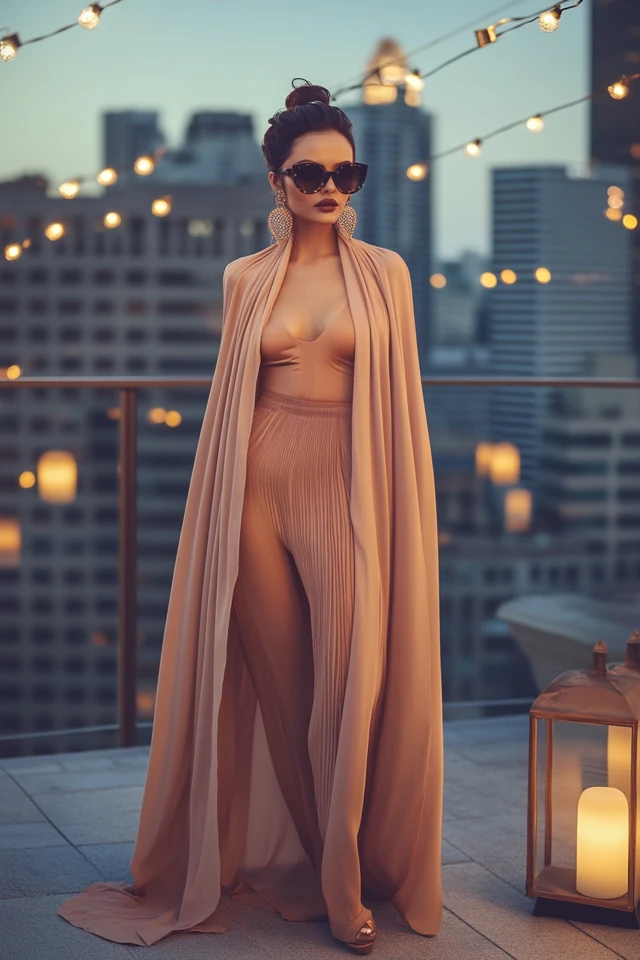
- Keep jewelry small. With a one-shoulder neckline, choose a single earring style and skip the necklace.
- Match the hair to the neckline: an updo suits a high neck or cape, and loose waves suit a V-neck or open shoulder.
- Choose shoes for the hem. Heels or flat sandals both work on a midi, while a maxi needs the shoes you'll actually wear when you check the length.
- Use a small clutch in a metal or the dress color.
- Steam the dress before you wear it so the folds fall as designed, and store it on a padded hanger to protect the cape.
Which dresses suit which occasion?
For a formal gown asymmetrical dress, choose floor length, satin or crepe, and a clean neckline. For weddings, soft colors and a cape or sleeve cover are appropriate for evening ceremonies. For fundraisers, see these satin gown ideas. For dinner dates, try a midi, as in these asymmetrical date-night dresses. If you prefer a softer, flowing line, Grecian-inspired draped dresses are a close relative.
Frequently asked questions
Are asymmetrical dresses flattering?
Usually, yes. The diagonal line of the neckline or hem breaks up the silhouette, and a soft drape skims the body. Choose the detail location based on where you want the eye to go.
What type of dress is most flattering for hiding a tummy?
Dresses with side ruching, a wrap front or a draped bodice in a fabric that flows, like jersey or crepe, are comfortable choices. A defined waist or an empire line can also work.
Are draped dresses in style?
Draped dresses are a long-standing evening shape, so they rarely look dated. Details such as cape overlays and one-shoulder lines change from season to season.
Can I wear an asymmetrical dress with sleeves?
Yes. Look for one long sleeve with a bare shoulder, or a cape that covers the upper arms, for coverage at a wedding or formal dinner.
Filed under Style & Fit