
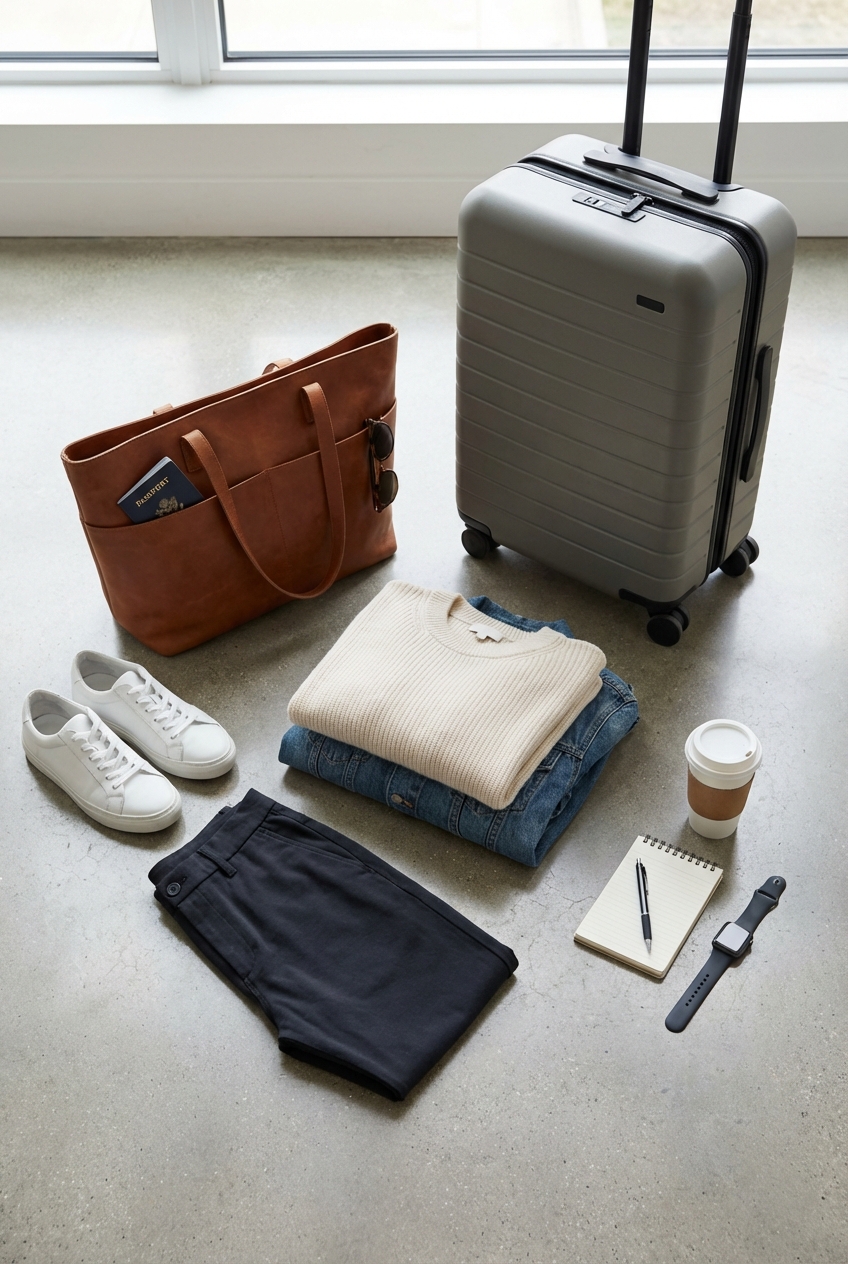
Effortless Airport Outfits For Jetsetter Vibes
Introduction
I still remember the first time I realized that the journey is just as important as the destination, specifically regarding what you wear. I was flying from New York to Milan for Fashion Week, attempting to juggle a garment bag and a cappuccino while wearing stiff, high-waisted vintage denim. By the time I landed, I was uncomfortable, wrinkled, and frankly, looking nothing like the polished professional I needed to be. That flight changed my entire approach to travel style.
Since then, I have refined a specific formula for airport dressing that balances high-end aesthetics with radical comfort. It is not just about looking good for the paparazzi (or your Instagram story); it is about respecting your body during transit while maintaining your personal brand. Make sure to scroll all the way down because I have curated a stunning Picture Gallery at the end of the blog post to inspire your next departure.
Whether you are boarding a private jet or settling in for a long-haul economy flight, the principles remain the same. We need fabrics that breathe, silhouettes that allow movement, and layers that adapt to microclimates. Let’s dive into the specifics of crafting the perfect travel wardrobe.
The Foundation: Balancing Comfort and Structure
The biggest misconception about airport style is that you have to choose between sweatpants and a suit. The sweet spot lies in “elevated ease.” This means choosing pieces that feel like pajamas but read as ready-to-wear. As a stylist, I always tell my clients to start with a monochrome base.
Matching sets are your best friend here. A high-quality knit lounge set in camel, navy, or charcoal gray immediately looks intentional. Unlike mismatched separates, a monochrome column of color elongates the body and creates a cohesive look that requires zero thought at 4 a.m.
However, the fit is crucial. You want a semi-relaxed fit—trousers that skim the thigh but don’t cling, and tops that offer coverage without bulk. If you prefer leggings, opt for a matte finish rather than athletic shine. Matte fabrics look more luxe and pair better with tailored outerwear, helping you avoid looking like you just left the gym.
Stylist’s Note: The Waistband Rule
When selecting pants for travel, the waistband is the single most important technical detail. Avoid buttons, zippers, or rigid denim waistbands at all costs. Air pressure changes at high altitudes cause bloating, making restrictive clothing unbearable after hour three.
Common Mistake: Wearing “stretch” skinny jeans that still have a hard hardware button.
The Fix: Opt for trousers with a flat-front elasticized waist or a drawstring hidden on the inside. Drawstring trousers in wool or silk blends offer the best of both worlds.
Mastering the Third Layer
The third layer is what transforms a basic outfit into a “jetsetter” look. The temperature on planes is notoriously unstable, fluctuating between freezing cold and stuffy heat. Your outerwear is your climate control system.
A classic trench coat or a relaxed wool wrap coat acts as a protective shield. It keeps your outfit clean while navigating security and adds instant architectural shape to soft lounge pieces. Look for coats with deep pockets—they serve as extra hands for holding boarding passes, phones, and passports.
For a sportier vibe, an oversized blazer is a fantastic alternative. It provides structure to leggings or joggers. If you choose a blazer, ensure it is an unlined or soft-structure style so you can move your arms freely to lift luggage into the overhead bin.
What I’d Do in a Real Styling Session
If I were packing a client for a trans-Atlantic flight, here is the layering checklist I would use:
- Base Layer: A cotton or modal tank top (breathable against the skin).
- Mid Layer: A cashmere crewneck sweater (warmth without weight).
- Outer Layer: An oversized denim jacket or soft trench (durability and style).
- Accessory: A massive cashmere scarf (doubles as a blanket).
Footwear Strategy: Practicality Meets Polish
Shoes are often the failure point of an airport outfit. You need to account for three things: walking distance, security lines, and foot swelling. As a general rule, your feet will swell by about half a size during a long flight.
Avoid strappy sandals or stiff boots. While heels might look glamorous in 1960s travel photos, they are impractical for modern sprinting between terminals. Instead, reach for sleek loafers, clean white leather sneakers, or easy-on ankle boots with a low block heel.
If you wear boots, ensure they have a side zipper. Lacing up combat boots in a crowded security line while people sigh behind you is a stress we want to avoid. Slip-on styles are superior for efficiency.
Socks Matter
Never go barefoot in airport security or on the plane. It is unhygienic and cold. I recommend wearing a pair of compression socks during the flight to aid circulation. You can hide them under boots or wide-leg trousers. If you are wearing sneakers, opt for a high-quality wool blend sock that wicks moisture.
Fabric Intelligence: What to Wear and What to Avoid
Not all fabrics are created equal when it comes to travel. The “hand feel” of a garment might be nice in a dressing room, but performance at 30,000 feet is different.
The Holy Grail: Cashmere and Merino Wool.
These natural fibers are temperature-regulating and resist odors. A cashmere hoodie or wrap is worth the investment because it keeps you warm when the cabin is cold but doesn’t make you sweat when you land in a tropical destination.
The Enemy: Linen and Rayon.
While linen is great for a vacation, it is terrible for the journey. It wrinkles the moment you sit down. By the time you deplane, you will look disheveled. Similarly, cheap rayon or polyester does not breathe, which can leave you feeling clammy and uncomfortable.
The Compromise: High-Tech Blends.
Look for fabrics labeled as “travel jersey” or technical knits. These are often synthetic blends designed specifically to resist wrinkling and drape heavily, which looks expensive and flattering.
Accessories and The Bag Equation
Accessories should be minimal but impactful. Security checkpoints require you to remove large metal jewelry, so leave the stack of bangles and statement belts in your checked luggage.
Stick to simple stud earrings or a small pendant necklace that won’t trigger alarms. A classic watch is a nice touch, but ensure it is easy to unclasp if asked to remove it.
Your carry-on bag is part of the outfit. A structured leather tote or a high-end backpack elevates the look. Avoid flimsy canvas bags that look sloppy. The bag should hold its shape when placed on the floor.
The Crossbody Necessity
In addition to your main carry-on, wear a small leather crossbody bag or a belt bag. This keeps your essentials (ID, phone, lip balm) strapped to your body. It prevents that panic of digging through a bottomless tote at the gate.
The Jetsetter Uniforms: 3 Go-To Looks
Sometimes you just need a recipe to follow. Here are three foolproof outfit formulas I use for myself and my clients.
1. The Off-Duty Model
This look relies on high-contrast basics and impeccable fit.
- Top: White cotton boxy tee.
- Bottom: Black high-waisted leggings (matte fabric).
- Outerwear: Oversized leather biker jacket or denim jacket.
- Shoes: Chunky “dad” sneakers.
- Vibe: Cool, youthful, and ready for action.
2. The Executive Traveler
Perfect if you are heading straight to a meeting or want to secure an upgrade.
- Top: Silk or soft cotton button-down shirt (wrinkle-resistant).
- Bottom: Wide-leg knit trousers in camel or beige.
- Outerwear: Long wool coat draped over the shoulders.
- Shoes: Pointed-toe flats or loafers.
- Vibe: Powerful, polished, and sophisticated.
3. The Cozy Minimalist
The ultimate choice for flights over eight hours.
- Top: Oversized cashmere sweater in gray.
- Bottom: Matching knit joggers.
- Outerwear: A massive blanket scarf used as a shawl.
- Shoes: Shearling-lined slides or slip-on boots.
- Vibe: Luxurious comfort, soft textures, and zen energy.
Finish & Styling Checklist
Before you head out the door, run through this quick stylist checklist to ensure your look is fully optimized for travel.
The “Sit Test”
Sit down on a low chair for two minutes. Does the waistband dig in? Do the pants ride up too high? If you have to adjust constantly, change the outfit.
The Layer Check
Can you easily remove your top layer without getting stuck? You need to be able to take your jacket off in a confined economy seat without elbowing your neighbor.
Pocket Audit
Ensure you have at least one secure pocket immediately accessible for your phone and boarding pass.
Hardware Review
Minimize metal. If your boots have heavy buckles, your belt has a large clasp, and you are wearing chunky jewelry, you are going to slow down the security line.
FAQs
Can I wear jeans to the airport?
Technically yes, but I advise against it for flights longer than two hours. If you must wear denim, choose a pair with at least 2% elastane (stretch) and a looser fit, like a boyfriend or wide-leg cut. Avoid raw, rigid denim as it restricts circulation.
How do I look fresh after a long flight?
Hydration is key, but style-wise, bring a fresh pair of sunglasses. Putting on large, dark sunglasses immediately hides tired eyes and dark circles. Also, changing into a fresh top or applying a quick layer of moisturizer before landing helps reset your look.
Are jumpsuits a good idea for travel?
I generally advise against jumpsuits for travel. While they look chic, the logistics of using a tiny airplane lavatory while wearing a one-piece garment are difficult. You essentially have to undress fully, which is inconvenient and unsanitary in a public restroom.
What is the best color to wear to avoid stains?
Navy, charcoal, and black are the safest bets. Coffee turbulence happens. If you love light colors, stick to patterns that can camouflage a small spill, or wear a dark outer layer that can cover accidents.
Conclusion
Achieving that effortless jetsetter vibe is less about buying the most expensive items and more about strategic fabric choice and layering. It is about respecting the reality of travel—the lines, the seats, the temperature changes—while refusing to compromise on your personal style.
When you feel comfortable in your clothes, you navigate the chaos of the airport with more patience and grace. That confidence is the ultimate accessory. So next time you pack, treat your travel outfit with as much care as the outfits you packed for the destination.
Safe travels and stay stylish.
Picture Gallery


