
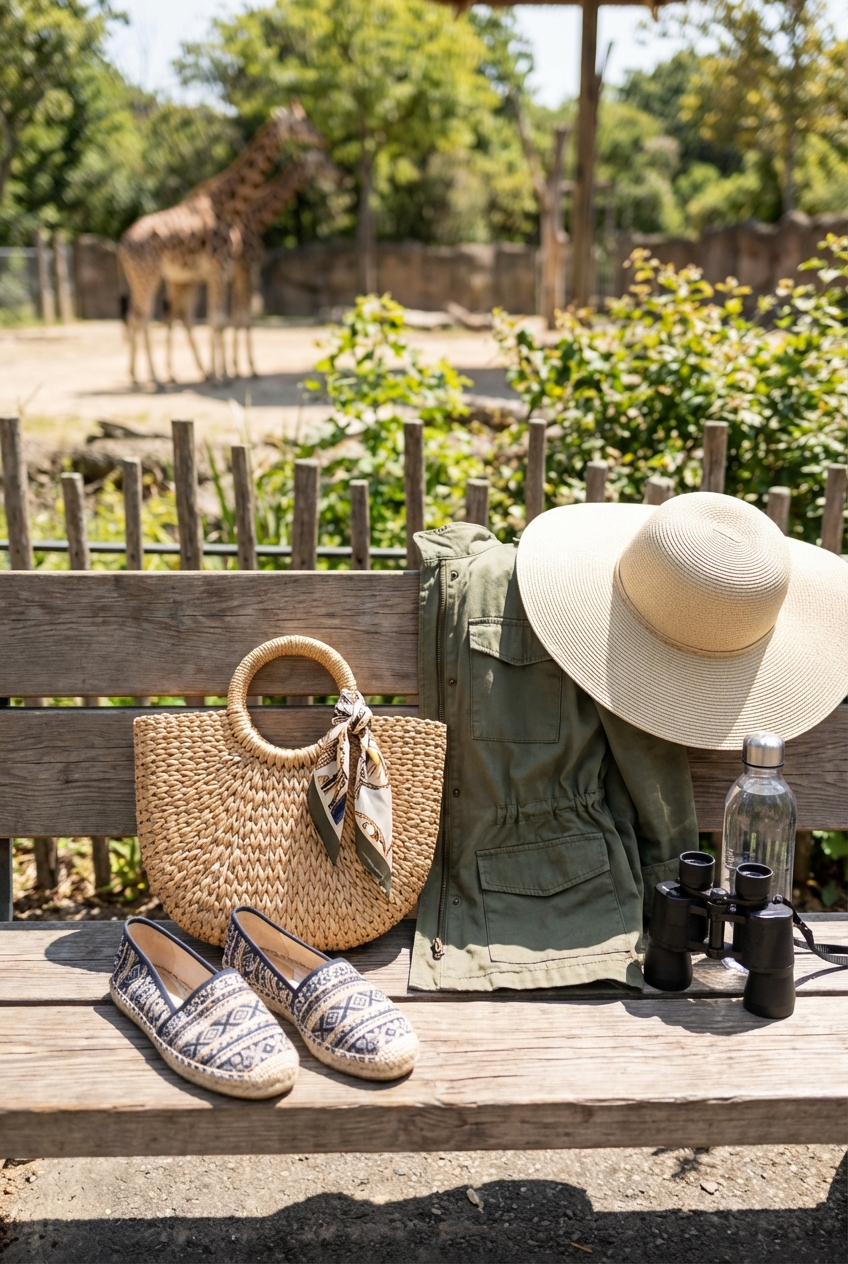
Effortless Day At The Zoo Outfits With Comfortable Flats Stylish Looks For Exploring
Introduction
I vividly remember my first major trip to a sprawling metropolitan zoo. I was younger, eager to impress, and I made the critical error of prioritizing a heeled wedge over practicality. By noon, my feet were blistered, I was overheating in a synthetic blouse, and I spent more time looking for a bench than admiring the exhibit.
That experience taught me that true style is rooted in functionality. When you are clocking upwards of 10,000 steps on gravel paths and concrete walkways, your outfit needs to perform just as well as it looks. You need breathable fabrics, strategic layering for shifting temperatures, and, most importantly, footwear that supports your arches without sacrificing your aesthetic.
This guide is designed to help you curate a look that feels polished yet entirely appropriate for a day of adventure. We will dissect the best fabrics for outdoor walking, how to style flats so they elongate your legs, and the accessories that make your life easier. If you are looking for specific visual inspiration, remember that a curated Picture Gallery is at the end of the blog post.
The Foundation: Selecting the Right Flats
The most critical component of your zoo ensemble is your footwear. As a fashion expert, I often see clients assume that “comfortable” means “gym shoes,” but there is a vast middle ground that is far more chic. You want a shoe that bridges the gap between athletic performance and street style.
Leather Sneakers
A crisp, white leather sneaker is the gold standard for zoo outings. Unlike canvas, leather provides better structure for your foot and is easier to wipe clean if you encounter dust or mud. Look for a low-top silhouette that hits right below the ankle bone; this creates the most flattering line for your leg, especially when worn with cropped trousers or skirts.
Loafers and Slides
If you prefer a more tailored look, a soft leather loafer or a supportive mule is an excellent choice. However, structure matters here. Avoid rigid patent leathers that require a break-in period. Opt for buttery soft calfskin or suede with a cushioned insole.
Designer’s Note: The Sock Equation
The wrong socks can ruin even the best shoes.
- For Loafers: Use “invisible” socks with a silicone grip at the heel to prevent slipping.
- For Sneakers: If you are wearing ankle-length pants, a peek of ankle skin is generally more flattering than a visible athletic sock.
Breathable Fabrics and The Layering System
Zoos are microclimates. You might be sweating in the sun while watching the giraffes, then freezing in the air-conditioned penguin exhibit five minutes later. Your fabric choices must allow for thermoregulation.
Natural Fibers Are Non-Negotiable
Avoid polyester and acrylics. These synthetic fibers trap heat and moisture against the skin, which becomes uncomfortable after an hour of walking. Instead, prioritize cotton, linen, or high-quality rayon blends. Linen is particularly effective because its weave allows for maximum airflow, though you must embrace its natural tendency to wrinkle.
The “Onion” Layering Technique
Start with a lightweight base, such as a cotton tank or a breathable linen tee. Your second layer should be easy to remove and tie around your waist or shoulders. A denim jacket is a classic choice, but a utility shirt (shacket) often offers more practical pockets.
What I’d Do in a Real Project:
If I were styling a client for a day trip, I would choose a monochromatic base layer—like a black tank and black linen trousers. I would then add a textured, oversized chambray shirt as the outer layer. This creates a vertical column of color that is slimming and hides any potential stains from the day.
Bottoms: Analyzing Movement and Durability
The choice between pants, shorts, and skirts comes down to personal comfort and the specific zoo environment. You will be bending down to talk to children, sitting on potentially dirty benches, and climbing gentle inclines.
The Case for Wide-Leg Trousers
A wide-leg pant in a lightweight chino or linen fabric is often superior to denim jeans. Jeans can feel heavy and restrictive after hours of walking. A wide-leg silhouette allows air to circulate around your legs, keeping you cooler. Ensure the hemline is cropped at the ankle so it does not drag on the ground.
The Midi Skirt Solution
A midi skirt offers excellent coverage and freedom of movement. Look for an A-line cut rather than a pencil shape. The volume allows you to take long strides without restriction. Pair this with a tucked-in t-shirt to define your waist.
Common Mistakes + Fixes
- Mistake: Wearing a romper or jumpsuit.
- Fix: While cute, these are impractical for public restrooms. Stick to separates for ease and convenience.
- Mistake: Wearing mini skirts on a windy day.
- Fix: Opt for skorts (shorts that look like skirts) or stick to midi and maxi lengths to avoid wardrobe malfunctions.
Accessories: Function Meets High Fashion
In a high-end wardrobe, accessories are never just decoration; they are tools. For a zoo trip, your hands need to be free for maps, cameras, or holding hands with little ones.
The Crossbody Bag
A medium-sized crossbody bag is essential. The strap should be wide (at least 1.5 inches) to distribute weight evenly across your shoulder. Thin chains or cords will dig into your skin after an hour. Look for a bag with an external pocket for your phone, allowing for quick access when a photo opportunity arises.
Sun Protection as a Style Statement
A hat is mandatory for outdoor excursions. A wide-brimmed straw hat elevates a simple outfit instantly and protects your face from UV rays. If your style is sportier, a clean baseball cap in a neutral tone like beige or navy works well. Avoid neon colors or loud logos if you want to maintain a “quiet luxury” aesthetic.
Sunglasses
Choose oversized frames. They provide better coverage for your eyes and hide signs of fatigue if the day runs long. Tortoiseshell frames are universally flattering and softer than stark black.
The “Mom” Edit: Practicality Without Sacrificing Style
Many women visiting the zoo are there with children, which adds a layer of logistical complexity. You need outfits that can withstand sticky fingers and potential spills without looking frumpy.
Pattern is Your Friend
Solid light colors are risky around kids and outdoor dining. A subtle print—like a floral, stripe, or gingham—is excellent at camouflaging small stains or water splashes. A navy and white striped boatneck tee is timeless, French-inspired, and incredibly forgiving.
Pocket Placement
Verify that your pants or skirt have deep, usable pockets. You will constantly need a place to stash a pacifier, a ticket, or a tissue. Patch pockets on the front of utility pants are particularly trendy right now and highly functional.
Pro-Tip on Jewelry
Keep it minimal. Long necklaces can get caught on stroller handles or grabbed by children. Opt for small gold hoops or a simple stud earring. A classic watch is also a great addition, keeping you on schedule without needing to constantly check your phone.
Seasonal Adjustments: Spring vs. Fall Styling
The core of your outfit remains the same, but the weights and textures should shift depending on the season.
Spring/Summer Palette
Lean into lighter neutrals: ecru, sage green, and soft terracottas. These colors reflect sunlight rather than absorbing it. A white linen button-down shirt worn open over a tank top is the ultimate summer chic look.
Fall/Winter Textures
As the temperature drops, swap the linen for corduroy or a heavier cotton twill. Your layers should become more substantial—think a cashmere cardigan or a quilted vest. For footwear, a flat Chelsea boot is a stylish alternative to sneakers and offers better protection against puddles or mud.
Designer’s Note: Volume Control
When layering for colder weather, apply the “Volume Rule.” If your jacket is puffy or oversized, keep your bottom half streamlined (like a straight-leg pant). If your pants are wide and flowy, keep your top layers fitted. This maintains your shape so you don’t look swallowed by your clothes.
Finish & Styling Checklist
Before you head out the door, run through this final check to ensure your outfit is zoo-proof and photo-ready.
The Comfort Test
- Can you squat down and stand up without adjusting your waistband?
- Do your shoes rub your heel when you walk fast? (If yes, change them now).
- Is your bag light enough to carry for 4 hours?
The Style Check
- Proportion: Have you balanced a loose item with a fitted item?
- Third Piece: Have you added a “third piece” (jacket, hat, belt) to make the outfit look finished?
- Durability: Are you wearing a fabric that will show sweat stains immediately (like grey cotton)? If so, swap for a print or white.
The Emergency Kit
- Toss a few blister bandages in your bag.
- Pack a travel-size stain remover pen.
- Bring a hair tie or claw clip for when the humidity rises.
FAQs
Can I wear a dress to the zoo?
Absolutely. A midi or maxi dress in cotton or jersey is very comfortable. Just ensure the skirt isn’t so long that it drags in the dirt. I recommend wearing “bike shorts” underneath for chafe protection and modesty if it gets windy.
Are sandals appropriate for walking all day?
Only if they are designed for trekking. A flat fashion sandal usually lacks the arch support needed for a full day. If you must wear sandals, choose a style with a contoured cork footbed and secure ankle straps. Avoid flip-flops entirely.
How do I look stylish in rain gear if the weather turns?
Invest in a clear or matte translucent raincoat. It allows your outfit to show through while keeping you dry. Alternatively, a classic beige trench coat is always stylish, provided it is treated to be water-repellent.
What is the best color to wear to the zoo?
Earth tones are fantastic—olive green, tan, rust, and khaki look great against the natural backdrop of the zoo. They also hide dust well. Avoid wearing animal prints; it can feel a bit cliché and costume-like in this specific setting.
Conclusion
Dressing for a day at the zoo does not mean you have to abandon your sense of style at the turnstile. By focusing on high-quality natural fabrics, understanding the engineering of a good walking shoe, and mastering the art of layering, you can create a look that is effortless and chic.
The goal is to feel confident and unencumbered. When you aren’t worrying about sore feet or an adjusting waistband, you are free to be present in the moment. Whether you are navigating the reptile house or trekking to the primate exhibit, these guidelines ensure you will look as good at the end of the day as you did at the start.
Picture Gallery


