
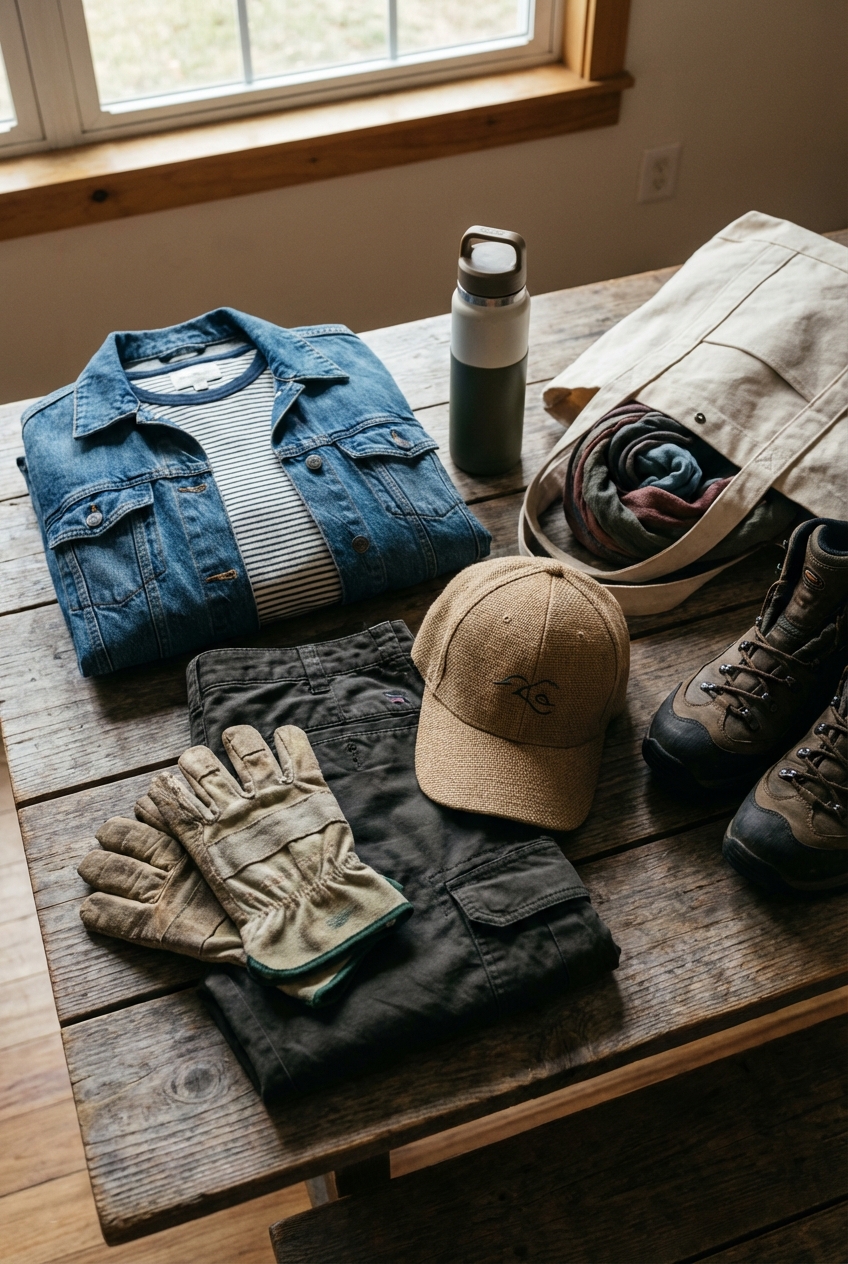
Effortless Volunteer Day Attire With Practical Layers Stay Comfortable And Stylish While Giving Back
Volunteering is one of the most fulfilling ways to spend your time, but it presents a unique sartorial challenge. You need to be ready for physical activity, fluctuating temperatures, and potentially messy environments, all while maintaining a sense of personal style. As a fashion stylist, I often see clients revert to old, oversized gym clothes for these events, missing an opportunity to embrace “utility chic.”
I recall styling a client for a high-profile community garden project. She initially wanted to wear her oldest sweatpants, fearing she would ruin anything nice. We pivoted to high-quality, durable workwear fabrics—think heavy canvas and treated denim—paired with breathable layers. Not only did she feel more confident interacting with other volunteers and organizers, but her clothes actually performed better than flimsy loungewear would have.
The secret lies in intentional layering and selecting fabrics that can take a beating without losing their shape. You want pieces that offer a full range of motion but still look pulled together if you grab lunch afterward. If you are looking for visual inspiration, be sure to check out our curated Picture Gallery at the end of this post.
Building the Foundation: Base Layers That Breathe
The layer closest to your skin dictates your comfort level for the entire day. If this layer retains moisture or chafes, no amount of chic outerwear will save you. For volunteer work, which often involves unpredictable levels of exertion, you must prioritize moisture-wicking natural fibers or high-tech blends.
Avoid 100% heavy cotton T-shirts if you expect to be sweating. Cotton absorbs moisture and stays wet, which can leave you shivering if the temperature drops or if you move into a drafty warehouse. Instead, opt for lightweight merino wool or a modal-cotton blend. Merino wool is naturally antimicrobial, meaning it won’t hold onto odors even after a long shift at a food bank or animal shelter.
Fit is equally important here. A base layer should skim the body without being restrictive. If it is too loose, it will bunch up under your mid-layers, creating uncomfortable friction points. If it is too tight, it restricts circulation and movement. Aim for a “classic fit” silhouette that sits close to the skin but allows for a full arm rotation without untucking.
Designer’s Note: The Neckline Rule
When layering, I always advise clients to pay attention to neckline hierarchy. If your mid-layer is a button-down shirt, wear a crew neck base layer. If your mid-layer is a crew neck sweater, opt for a v-neck base layer so it remains invisible. This keeps the look intentional rather than messy.
The Mid-Layer: Elevated Utility
The mid-layer provides insulation and is often the primary visual element of your outfit when jackets come off. This is where you can introduce texture and pattern. A high-quality flannel shirt or a chambray denim button-down are classic choices that bridge the gap between rugged and refined.
For a more modern approach, consider the “shacket” (shirt-jacket). Look for one in a wool blend or heavy cotton twill. These pieces are substantial enough to act as outerwear on mild days but thin enough to slide under a heavy coat. The key is to ensure the armholes are cut high enough to allow movement; low-cut armholes will drag the entire garment up when you lift your arms.
Cashmere hoodies are another excellent option for lower-impact volunteering, such as registration desks or indoor mentoring. Cashmere regulates body temperature better than synthetic fleece and offers a touch of luxury. However, save the cashmere for clean environments; for outdoor work, stick to washable wools or dense cottons.
Common Mistakes + Fixes
- Mistake: Wearing a bulky cable knit sweater as a mid-layer.
- Fix: Switch to a fine-gauge knit or a thermal henley. Bulky knits restrict arm movement and make it difficult to add a waterproof shell over the top without feeling like a marshmallow.
Outerwear That Works Hard
Your outer layer is your shield against the elements. For volunteer work, durability is the primary metric. You want fabrics that resist snagging, repel water, and are easily spot-cleaned. A waxed canvas jacket is a timeless investment piece. It naturally repels water and dirt, and the scuffs it accumulates over time only add to its character.
Puffer vests are indispensable for transitional weather. They keep your core warm while leaving your arms completely free for lifting boxes, planting trees, or serving food. Look for vests with a matte finish rather than a high-shine nylon, which tends to look more “sporty” and less “styled.”
When selecting a coat length, consider the activity. A hip-length jacket is generally the most versatile. Longer trench coats or parkas can get in the way when bending, squatting, or sitting. Ensure your jacket has deep, secure pockets—zippers or snap closures are essential to keep your phone and keys safe while you move.
What I’d Style for a Client
For a fall outdoor event, I would pair a camel-colored quilted vest over a navy heavyweight flannel shirt. The color combination is classic and photographs well, while the lack of sleeves on the vest ensures maximum mobility for physical tasks.
The Bottom Line: Trousers vs. Denim
While leggings are comfortable, they often lack the structure and protection needed for active volunteering. Thin fabrics can snag on rough surfaces, and they rarely offer functional pockets. Instead, I recommend “utility trousers” or carpenter pants. These usually feature a higher rise and a straight or slightly wide leg, made from durable cotton drill or canvas.
If you prefer denim, leave the rigid, 100% cotton vintage jeans at home. You need denim with 1% to 2% elastane (stretch). This allows you to squat and bend without the fabric cutting into your waist or knees. Dark washes are generally more practical than light washes as they hide dirt and stains effectively.
Pay attention to the inseam length. Volunteer work often involves practical footwear, so your pants should not drag on the ground. A hem that hits right at the ankle bone or slightly below acts as the perfect frame for boots. Avoid wide-leg palazzo styles that can be a tripping hazard in cluttered environments.
Designer’s Note: The Pocket Factor
Never underestimate the need for pockets. When I style clients for charity builds, I ensure their pants have at least four functional pockets. You will constantly need a place to stash gloves, a hair tie, or a schedule. Cargo pants are currently back on trend and offer excellent utility without sacrificing style if you choose a slim-cut silhouette.
Footwear Fundamentals: Support and Safety
Shoes are the non-negotiable anchor of your outfit. For almost any volunteer activity, closed-toe shoes are mandatory for safety. However, this doesn’t mean you must wear clunky hiking boots. A waterproof Chelsea boot is my top recommendation. It offers ankle support, protects against mud and rain, and looks chic with both jeans and trousers.
If the environment is indoors and dry, a high-fashion sneaker with arch support is appropriate. Avoid flat canvas sneakers (like standard Converse) if you will be standing for four hours or more on concrete floors. They lack the necessary shock absorption. Look for “dad sneakers” or retro runners that feature a thicker sole and cushioned footbed.
Leather is generally superior to suede for volunteering. Suede acts like a sponge for dirt and water and is difficult to clean. Leather can be wiped down with a damp cloth at the end of the day. If you must wear suede, ensure it has been treated with a high-quality waterproofing spray at least 24 hours beforehand.
Common Mistakes + Fixes
- Mistake: Wearing brand-new shoes to a volunteer event.
- Fix: Always break in footwear before a long shift. If you want to wear a new pair, wear them around the house with thick socks for a few days prior. Blisters will ruin your experience and limit your ability to help.
Accessories and Hair: Practicality First
Accessories should be minimal and functional. Avoid long necklaces, dangling earrings, or loose scarves that can get caught in machinery, boxes, or brush. A simple pair of gold hoops or studs is enough to feel polished.
For bags, a crossbody bag or a belt bag (fanny pack) worn across the chest is ideal. This keeps your hands completely free and keeps your valuables attached to your body. Tote bags are impractical as they constantly slip off the shoulder during active work.
Hair should be kept off the face. A sleek low bun or a French braid looks sophisticated and stays put. If you are working outdoors, a baseball cap or a beanie is not just a style choice but a practical sun and cold shield. Choose hats in neutral tones like charcoal, olive, or navy to coordinate with your utility-inspired palette.
Finish & Styling Checklist
Before you head out the door, run through this quick stylist check to ensure your look is cohesive and functional.
- The Squat Test: Can you squat all the way down without your jeans cutting into you or your lower back being exposed?
- The Reach Test: Can you reach above your head without your mid-layer riding up and exposing your stomach?
- Fabric Noise: Does your jacket make a loud “swishing” noise when you walk? In quiet environments like libraries or hospitals, this can be distracting.
- Layering Ratios: Is your base layer longer than your mid-layer? Tuck it in. Visible uneven hemlines can look unkempt.
- Socks: Are you wearing the right socks? Wool socks are best for boots to prevent blisters and manage moisture.
FAQs
Can I wear jewelry while volunteering?
Yes, but keep it minimal. Stick to stud earrings and a simple watch. Avoid rings with high settings that can snag on gloves or materials, and skip long necklaces that can swing forward and obstruct your view or get caught in objects.
What should I wear for rain or wet conditions?
Prioritize a waterproof shell with a hood. An umbrella is often impractical if you need your hands for work. Pair this with waterproof boots (Hunter or Blundstone style) and synthetic pants that dry quickly, rather than denim which becomes heavy when wet.
Is it okay to wear white?
Generally, no. Unless you are in a sterile medical environment or a clean office setting, avoid white pants or outerwear. Volunteer work is unpredictable, and white shows every smudge, dirt stain, and coffee spill. Stick to earth tones, navy, and black.
How do I handle changing temperatures?
The “three-layer rule” is your best friend: a wicking base, an insulating middle, and a protective outer shell. This allows you to strip down if you are lifting boxes in a warehouse and bundle up if you step outside to load a truck.
Conclusion
Dressing for volunteer work doesn’t mean abandoning your sense of style. In fact, applying a fashion mindset to utility wear results in an outfit that is both highly functional and visually commanding. By choosing high-quality fabrics, prioritizing fit, and layering with intention, you show respect for the organization you are helping and for yourself.
When you feel comfortable in your clothes—not tugging at a hem, shivering from the cold, or hobbling in the wrong shoes—you can focus entirely on the task at hand. That confidence translates into better service and a more enjoyable experience. So, lace up those supportive boots, layer that cashmere under your canvas, and get out there to make a difference looking your absolute best.
Picture Gallery
(LEAVE EMPTY, DO NOT ADD ANY TEXT HERE WHATSOEVER)


