
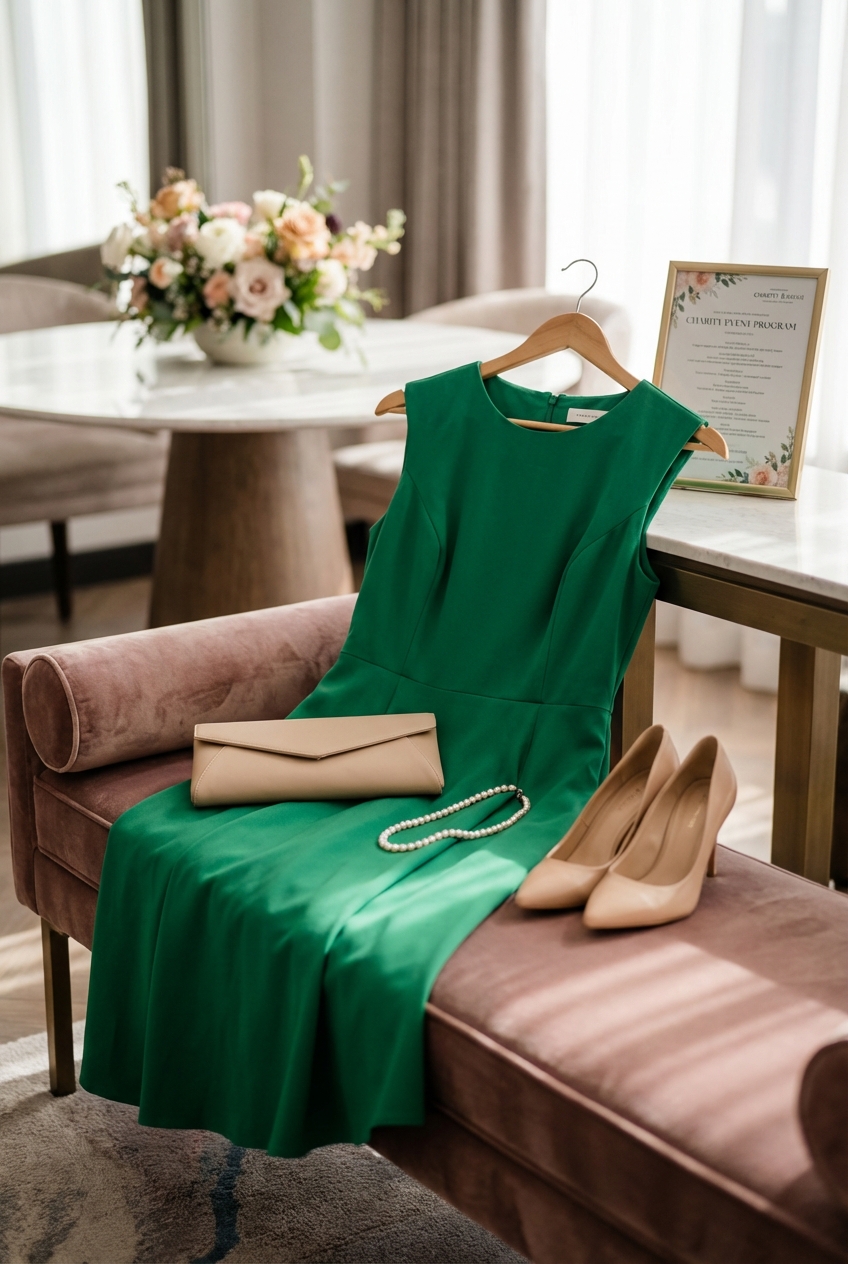
Elegant A Line Dresses For Charity Luncheons
Charity luncheons are a unique fixture in the social calendar. They sit somewhere between the corporate structure of a boardroom meeting and the festive atmosphere of a wedding guest scenario. As a stylist, I have dressed countless women for these midday fundraisers, and the goal is always the same: appear effortless, expensive, and respectful of the cause. You want an outfit that commands respect without screaming for attention, and this is where the A-line silhouette truly shines.
The A-line dress is the architectural wonder of the fashion world. It fits neatly at the bodice and flares gently from the waist, creating a balanced visual that works on nearly every body type. For a luncheon, specifically, it offers a practical benefit many overlook: comfort while seated. Since you will spend the majority of the event sitting at a banquet table, the A-line skirt provides room to breathe and move without the creasing or bunching that happens with a pencil skirt or sheath dress.
Finding the perfect one requires a discerning eye for fabric, fit, and appropriate detailing. We are moving away from the stiff, overly formal looks of the past and embracing softer, more fluid tailoring that feels modern yet conservative enough for high-society events. If you are looking for specific visual inspiration, remember that a curated Picture Gallery is at the end of the blog post.
Decoding the Charity Luncheon Dress Code
The first step in selecting your A-line dress is understanding the specific nuance of the invitation. “Luncheon” is a broad term that can range from a garden party in a tent to a formal sit-down meal in a hotel ballroom. The venue dictates the fabric weight and the formality of the cut.
For country club or garden settings, I steer my clients toward softer structures. Think crisp cotton poplins, eyelet lace, or high-quality linens that hold their shape. The A-line here should feel breezy but substantial. You want a dress that moves when you walk but doesn’t fly up in a gust of wind.
For city hotels or private clubs, the approach must be more tailored. Here, we look for “city fabrics” like wool crepe, silk wool, or bouclé. The structure of the A-line should be sharper, perhaps with architectural pleats or a defined waistband. The vibe is “power player” met with “philanthropist.”
Stylist’s Note:
The most common error I see is misinterpreting “festive” for “cocktail.” A luncheon is a daylight event. Sequins, high-shine satin, and floor-length gowns are almost always inappropriate unless specified. Keep the shine to a minimum—matte fabrics photograph better in daylight and look more sophisticated.
Why the A-Line Silhouette Works Every Time
The A-line is not just a shape; it is a tool for proportion. In my years of styling, I have found it to be the only silhouette that balances the shoulder-to-hip ratio perfectly for seated events. When you are seated at a round table, usually only your top half is visible. An A-line dress often features a well-tailored bodice that highlights the face and shoulders, while the skirt accommodates the reality of sitting for three hours.
From a construction standpoint, a true A-line minimizes the need for excessive shapewear. The flare begins at the natural waist or just below the ribcage. This allows for a relaxed fit through the hips and thighs. This is crucial for luncheons where you might be enjoying a three-course meal; you do not want to feel restricted by a tight waistband.
Furthermore, the A-line carries an inherent modesty that is highly valued in charity circles. It is feminine without being provocative. It suggests a classic elegance reminiscent of the 1950s “New Look” but updated for the modern woman. It says you are there to support the cause, not to be the center of the scandal.
What I’d do in a real consultation:
I always have my client sit down in the dressing room. A dress might look perfect standing in front of the mirror, but if the buttons gap or the skirt rides up significantly when seated, it is a no-go for a luncheon.
Fabric Selection: The Difference Between Day and Evening
Fabric choice is what separates a generic dress from a high-end garment. For a charity luncheon, the fabric must read “daytime luxury.” We want materials that have body and structure so the A-line shape holds up throughout the event.
Silk Faille and Mikado
These are my top choices for formal luncheons. They have a subtle ribbed texture and a stiff drape that creates a beautiful, voluminous A-line skirt without needing layers of tulle underneath. They have a low sheen, which is perfect for daytime lighting.
Wool Crepe
For cooler months or business-focused luncheons, wool crepe is the gold standard. It absorbs light, making colors look incredibly rich and deep. It drapes heavily and resists wrinkling, meaning you will look just as polished leaving the event as you did arriving.
Tweed and Bouclé
Channeling the classic French fashion house aesthetic, a tweed A-line dress is timeless. It adds texture and visual interest without the need for prints. However, ensure the tweed is lightweight and lined with silk so it doesn’t add bulk to the frame.
Common Mistakes + Fixes:
- Mistake: Wearing jersey or thin knits.
- Fix: These fabrics cling and often look too casual or “office wear.” Stick to woven fabrics that have no stretch or very minimal stretch.
- Mistake: Wearing heavy velvet.
- Fix: Velvet is strictly for evening or late afternoon winter weddings. For a winter luncheon, opt for a heavy brocade instead.
The Importance of Fit and Tailoring
An off-the-rack A-line dress rarely fits perfectly. To achieve that “old money” aesthetic, tailoring is non-negotiable. The most critical area is the bodice. Because the skirt flares out, the top must fit impeccably to avoid looking frumpy or overwhelmed by fabric.
The Torso Length
Many women have a shorter torso than standard sizing accounts for. If the waistline of the dress hits your hips rather than your natural waist, the A-line effect is lost, and you will look wider. I always have a tailor lift the shoulders or take in the waist to ensure the flare starts exactly at the smallest part of the torso.
The Hemline
For charity luncheons, the hemline rules are strict. The most flattering and appropriate length is “knee-grazing.” This means the hem hits the middle of the knee or just at the bottom of the knee cap.
Too short: Anything more than 2 inches above the knee can look juvenile or inappropriate when seated.
Too long: A tea-length (mid-calf) can work for tall women, but on petite frames, a wide A-line at mid-calf can be shortening.
Sleeve Lengths
Sleeveless is generally acceptable, but many of my clients prefer a cap sleeve or a 3/4 sleeve for coverage and sophistication. If you choose sleeveless, ensure the armhole is cut high enough to cover the side bra area completely.
Color Palettes and Prints for the Season
While the Little Black Dress is a staple, charity luncheons are an opportunity to embrace color. In fact, wearing black can sometimes feel too somber or corporate for a celebratory fundraising event.
Spring and Summer
Pastels are a safe bet, but I prefer “dusty” versions over Easter egg brights. Think dusty blue, sage green, or pale blush. Floral prints are classic, but scale is everything.
Rule of Thumb: If the print is larger than the size of your hand, it might be too bold for a conservative room. Look for micro-florals or watercolor prints that blend softly.
Fall and Winter
Jewel tones are stunning in A-line cuts. Emerald green, sapphire blue, and deep plum command attention. Monochromatic looks—where your dress, shoes, and coat are in the same color family—read as incredibly high-end.
Prints to Avoid
Avoid aggressive animal prints or neon geometrics. They tend to distract from the conversation. The goal is for people to remember you, not just your dress.
Designer’s Note:
If you love black and insist on wearing it, choose a dress with interesting texture—like black lace over a nude lining or black tweed with gold threads—to soften the look.
Accessorizing Without Overpowering
Because an A-line dress has a strong shape, your accessories should be streamlined. You do not want to compete with the volume of the skirt.
Footwear
The shoe is vital. Because the A-line draws the eye down, your shoes are on display.
The Pump: A classic pointed-toe pump elongates the leg. Avoid heavy platforms or chunky wedges, which can make the look feel clunky.
* The Sandal: In warmer months, a delicate strappy sandal is lovely, but ensure your pedicure is immaculate.
Handbags
Leave the large tote bag in the car or at the coat check. At the table, you want a clutch or a small top-handle bag. It should be small enough to sit behind you on the chair or on your lap under the napkin. A structured bag contrasts beautifully with the flow of an A-line skirt.
Jewelry
Daytime jewelry should be understated. Pearls are a cliché for a reason—they work. However, simple gold architectural pieces or a nice watch are equally chic. Avoid “evening” sparkle like chandelier earrings or diamond collars.
Finish & Styling Checklist
Before you head out the door to the luncheon, run through this final stylist check. These are the details that separate a good outfit from a great one.
- The Sit Test: Sit on a dining chair in front of a mirror. Does the skirt ride up too high? Does the bodice button gap?
- The Lingerie Check: Are your bra straps visible? With A-line dresses, ensure your underwear line is invisible, even though the skirt is loose.
- The Wrinkle Test: Squeeze the fabric in your hand for 10 seconds. If it stays wrinkled, steam it thoroughly and try not to sit in the car during the drive over (lift your hips as you slide in).
- The Hemline Balance: Check that the hem is even all the way around. A-line skirts can sometimes droop where the fabric is on the bias.
- Grooming: Luncheons are held in bright daylight. Makeup should be fresh and blended. Check for lipstick on teeth.
FAQs
Can I wear a cardigan over my A-line dress?
I generally advise against standard cardigans as they can downgrade the formality of the look. Instead, opt for a structured blazer draped over the shoulders (the “editor cape” look) or a cropped tweed jacket that hits exactly at the waistline of the dress.
Is it appropriate to wear a hat to a charity luncheon?
This depends entirely on the venue. For a garden party or a very traditional high-society event, a hat or fascinator can be chic. However, avoid large brims that obscure your face or make it difficult to greet people with a kiss on the cheek. If indoors, a hat is usually unnecessary unless specified.
What do I do if the dress code says “Luncheon Chic”?
“Luncheon Chic” is code for “dressy daywear.” Avoid suits. Wear a dress with color or a beautiful print. An A-line dress in a high-quality silk or lace is the perfect answer to this code. It implies effort and femininity.
Can I wear boots with an A-line dress in the winter?
Be very careful here. Ankle boots can cut off the leg line and make an A-line dress look heavy. A sleek, knee-high boot that disappears under the hem of a longer A-line can work, but for a knee-length dress, a closed-toe pump or a slingback is always the more elegant choice.
Conclusion
Navigating the dress code for a charity luncheon doesn’t have to be a source of stress. The A-line dress remains the most reliable, flattering, and appropriate choice for these occasions. It respects the tradition of the event while allowing you to express your personal style through color, texture, and accessories.
By focusing on quality fabrics like silk faille or wool crepe, ensuring the tailoring is precise at the bodice and hem, and accessorizing with restraint, you will strike the perfect note of philanthropic elegance. You will feel comfortable seated for the presentation and confident mingling during the reception. Ultimately, the right dress allows you to forget about what you are wearing and focus on the cause at hand.
Picture Gallery


