
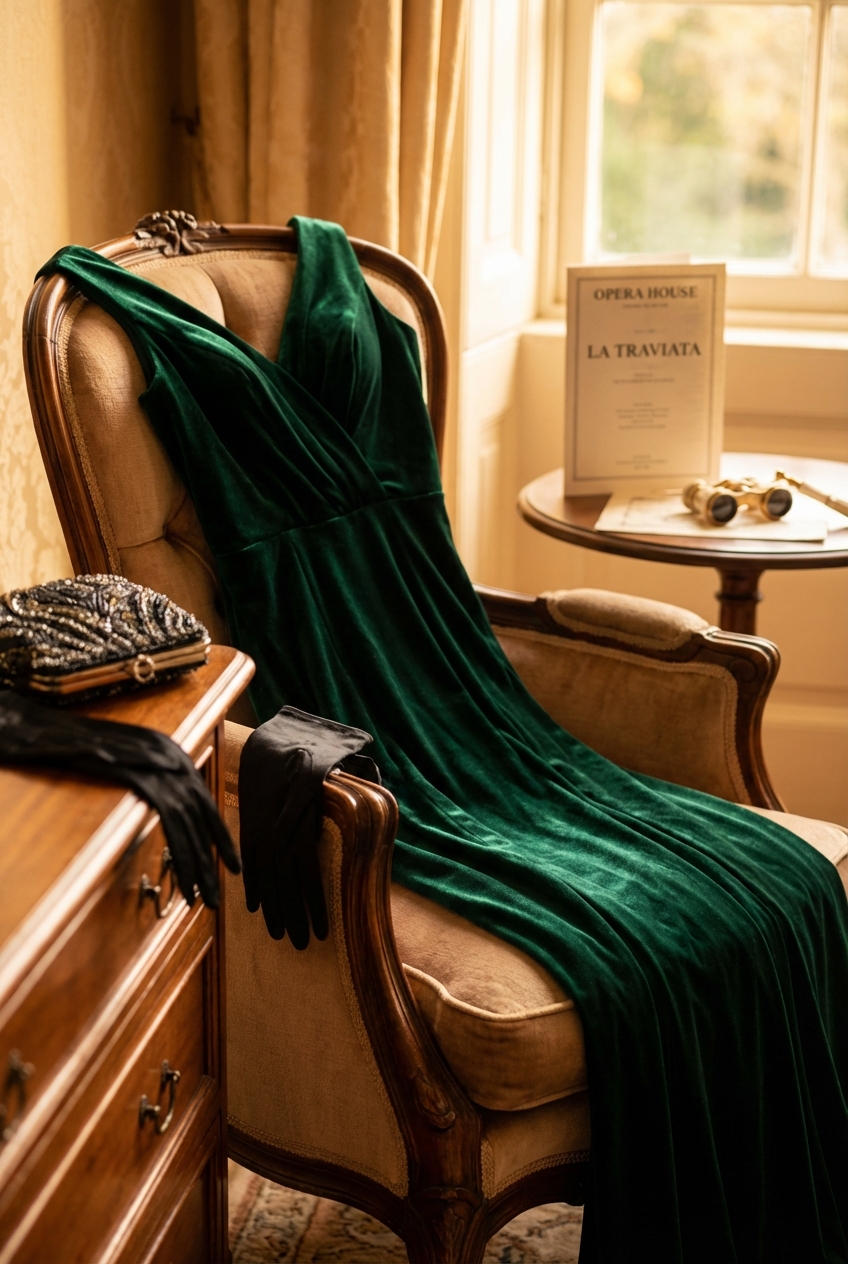
Elegant Evening Dresses For Opera Nights Timeless Sophistication And Drama
There is arguably no occasion left in modern society that demands quite the same level of sartorial drama as a night at the opera. As the lights dim and the orchestra begins the overture, the audience becomes part of the scenery, creating a tableau of culture and elegance that rivals the performance on stage. For fashion lovers, this is our playground—a rare opportunity to embrace textures, silhouettes, and scales that might feel “too much” for a standard dinner party.
I vividly remember my first season styling clients for the Metropolitan Opera opening night. One client insisted on a stunning, rigid structural gown that looked architectural while standing but was physically painful to sit in for three hours. We learned a valuable lesson that night: opera fashion must be a marriage of breathtaking aesthetics and endurance-level comfort.
Whether you are attending a premiere gala or a Tuesday evening performance, the goal is to honor the venue’s grandeur without sacrificing your ability to enjoy the show. If you need visual inspiration to spark your creativity, be sure to check out the curated Picture Gallery at the end of the blog post.
Decoding the Dress Code: Context Is Everything
The first step in selecting your gown is understanding the specific “temperature” of the event. Not all opera nights are created equal, and the unwritten rules can vary significantly between a European opera house and a contemporary American theater.
For opening nights and galas, the expectation is strictly Black Tie or even White Tie. This is where floor-length gowns are not just encouraged; they are expected. You want a dress with significant presence—something that holds its own against red velvet curtains and gold-leaf ceilings.
For standard evening performances, the rules have relaxed slightly, but the expectation of “respectful elegance” remains. A cocktail dress is acceptable, but I always advise clients to lean toward “formal creative.” It is always better to be the best-dressed person in the mezzanine than to feel underdressed in the lobby.
Designer’s Note: The “Rule of Respect”
In my years of styling, I have found that dressing up for the opera is a form of respect for the artists. The performers have dedicated their lives to this craft. When you wear jeans or casual wear, it changes the energy of the room. When in doubt, elevate your look. A simple slip dress becomes opera-ready with the right heels and a dramatic wrap.
Fabric Selection: The Three-Hour Sit Test
The most common mistake I see women make is choosing a fabric based solely on how it looks in a standing mirror. You must remember that you will be seated for acts that can last 45 to 90 minutes.
Fabric behavior is critical. You want materials that offer “crease recovery.” Silk taffeta, while beautiful and structural, can look like a crumpled paper bag by the time you stand up for intermission. Instead, look for heavy silk crepes, brocades, or high-quality velvets. These fabrics have weight and memory, meaning they fall back into place beautifully when you rise.
Noise is another factor that novice stylists often overlook. In a silent theater with amazing acoustics, a dress made of loud, rustling layers can be genuinely distracting to your neighbors. Avoid stiff synthetics that “swish” aggressively with every shift of your body.
Common Mistakes + Fixes
- Mistake: Wearing unlined linen or light cotton blends.
- Fix: These wrinkle instantly. Opt for fabrics with a bit of synthetic blend for stability, or choose textured fabrics like lace or jacquard where wrinkles are disguised by the pattern.
- Mistake: Choosing scratchy sequins for a long performance.
- Fix: If you want sparkle, ensure the dress is fully lined with a high-quality silk or viscose jersey. The underarm area is particularly sensitive to sequin abrasion during a long show.
Silhouettes and Necklines: Dressing from the Waist Up
When you are at a gala dinner, your full silhouette is on display. At the opera, however, you are effectively a bust portrait for 80% of the evening.
Your neckline, shoulders, and bodice are the stars of the show. This is the time to embrace interesting necklines—off-the-shoulder, portrait collars, or intricate beadwork on the bodice. A simple black skirt paired with a dramatic, architectural top often photographs better in a theater box than a plain dress with a complex hemline.
Be mindful of skirt volume if you are not in a private box. Modern theater seats are narrow. A massive ballgown with ten layers of tulle can spill over into your neighbor’s space, which is a breach of etiquette.
What I’d Do in a Real Project
- The Sit Test: Before buying, I make the client sit in a low chair for 5 minutes. If the boning in the bodice digs into the hips or ribs when seated, we discard the dress. You cannot enjoy Puccini if you can’t breathe.
- The Back View: I check the back of the dress meticulously. When you are navigating the rows to get to your seat, or standing at the bar during intermission, your back is what most people see. A low back or jeweled detailing here adds immense sophistication.
The Vital Role of Outerwear
The transition from the curb to the cloakroom is a moment of high drama. Furthermore, opera houses are notoriously difficult to regulate temperature-wise; they can be freezing during the performance to keep the stage lights from overheating the actors.
You cannot rely on a standard trench coat over an evening gown. It breaks the line and ruins the illusion. You need a designated evening coat, cape, or substantial wrap. A velvet opera coat that hits at the same length as your dress is the gold standard of elegance.
For a more modern approach, I love a heavy faux-fur stole or a cashmere cape. These pieces serve a dual purpose: they look regal upon entry, and they can be draped over your lap or shoulders during the performance if the air conditioning is aggressive.
Coat Check Logic
- The line is long: Post-performance coat check lines are tedious. If you can style your outfit with a shawl or cape that you keep with you, you can exit the venue 20 minutes faster than everyone else.
- The crushed fabric: If you check a coat, ensure it isn’t something that will be ruined if buried under fifty other heavy wool coats.
Color Theory Under Theatrical Lighting
Lighting in opera houses tends to be warm, gold, and dim. This is not the harsh fluorescent lighting of an office or the daylight of a garden party. This specific ambiance favors rich, saturated hues.
Jewel tones are the perennial favorites for a reason. Emerald green, deep ruby red, sapphire blue, and amethyst purple look incredibly expensive and lush under warm chandeliers. These colors absorb light and glow, whereas pastels can often look washed out or gray in dim settings.
Black is, of course, timeless. However, to keep black from looking boring, play with texture. A black velvet dress reads as much richer than a flat black cotton. If you choose black, use your jewelry to bring light to your face.
Colors to Avoid
- Neons: They generally clash with the historic, warm interiors of most opera houses.
- High-vis whites: Unless it is a deliberate, sculptural choice (like a white tuxedo dress), bright white can sometimes look too bridal or summery for an evening theater event.
Accessorizing: The Glove and The Clutch
Opera gloves are currently enjoying a massive fashion renaissance. They are the ultimate accessory for this specific venue.
If you choose to wear gloves, there are rules. “Opera length” means they reach past the elbow. Traditionally, you must keep them on while shaking hands in the receiving line but take them off completely when eating or drinking. Do not roll them down to your wrist; remove them and place them on your lap.
Regarding bags: leave the tote at home. You need a clutch small enough to sit on your lap or tuck beside you in the seat, but large enough to hold the essentials.
The Clutch Checklist
- Ticket/Phone: Obvious, but essential.
- Lozenges: Unwrap them before the show starts. A coughing fit during a quiet aria is a nightmare, and crinkling plastic wrappers is a cardinal sin.
- Opera Glasses: If you own a pair, bring them. They are chic and functional.
- Lipstick: For touch-ups during intermission.
Footwear: Navigating the Grand Staircase
Opera houses are famous for their grand staircases. They are also famous for having carpeted steps that can be slippery or difficult to navigate in stilettos.
I always advise clients to check the hemline of their dress specifically with the shoes they plan to wear. The hem should graze the top of the foot but not touch the floor. If your dress drags, you risk stepping on it while climbing stairs, leading to a trip or a ripped seam.
Platform heels are a stylist’s secret weapon here. They give you the height and posture of a stiletto but offer a thicker sole and more stability for standing during intermission drinks and navigating plush carpets.
Comfort vs. Style Ratios
- Standing time: You will stand for 20-30 minutes before the show and 20 minutes during intermission.
- Sitting time: You will sit for 2-3 hours.
- The Verdict: You can get away with a higher heel than at a cocktail party because you are sitting for the majority of the event. However, ensure the toe box isn’t too tight, or your feet will go numb while seated.
Finish & Styling Checklist
Before you call the taxi or head to the valet, run through this final stylist check. These are the small details that separate a good outfit from a great one.
- Sit Check: Sit down in a chair. Does the zipper hold? Can you breathe deeply? (You will want to sigh dramatically at the tragedy on stage).
- Wrinkle Release: Did you steam the back of the skirt? This area gets crushed in the car, so start with it perfectly smooth.
- The Shake Test: Put on your jewelry and shake your head. If your earrings jingle loudly, change them. You don’t want to be a percussion instrument.
- Layering: Do you have a wrap? Even if it’s summer, the A/C will be cold.
- Hemline Safety: Walk up a few steps in your house. Do you step on your dress? If yes, use safety pins or change shoes.
FAQs
Can I wear pants to the opera?
Absolutely. An elegant tuxedo suit or palazzo pants paired with a silk blouse is incredibly chic. The key is the fabric—look for satin, velvet, or high-quality wool crepe. Avoid anything that looks like office wear. Think “Yves Saint Laurent Le Smoking,” not “Monday morning meeting.”
Is it okay to wear a short dress?
Yes, but be careful with the length. A “short” dress for the opera should usually fall at the knee or just below (midi length). Mini skirts generally feel out of place in the grandeur of an opera house. If you wear a shorter hem, compensate with longer sleeves or a higher neckline to balance the skin exposure.
What should I do with my phone?
Turn it off. Not on vibrate—off. The signal can sometimes interfere with the sound systems, and a lit-up screen is incredibly visible in a dark theater. From a fashion perspective, clutching a phone ruins the line of your gown. Keep it inside your evening bag.
Conclusion
Dressing for the opera is an exercise in romance. It is one of the few spaces left in our fast-paced, digital world where slow luxury and deliberate dressing are celebrated. It allows you to step out of your daily uniform and inhabit a character of your own creation.
Whether you choose a sweeping velvet gown that echoes the drama of Tosca or a sleek, architectural tuxedo suit that speaks to modern minimalism, the most important accessory is your confidence. Wear something that makes you stand taller and walk slower. Embrace the ritual of the evening.
When you feel beautiful and comfortable, you are free to lose yourself in the music and the story. And ultimately, that is the true magic of the opera.
Picture Gallery


