
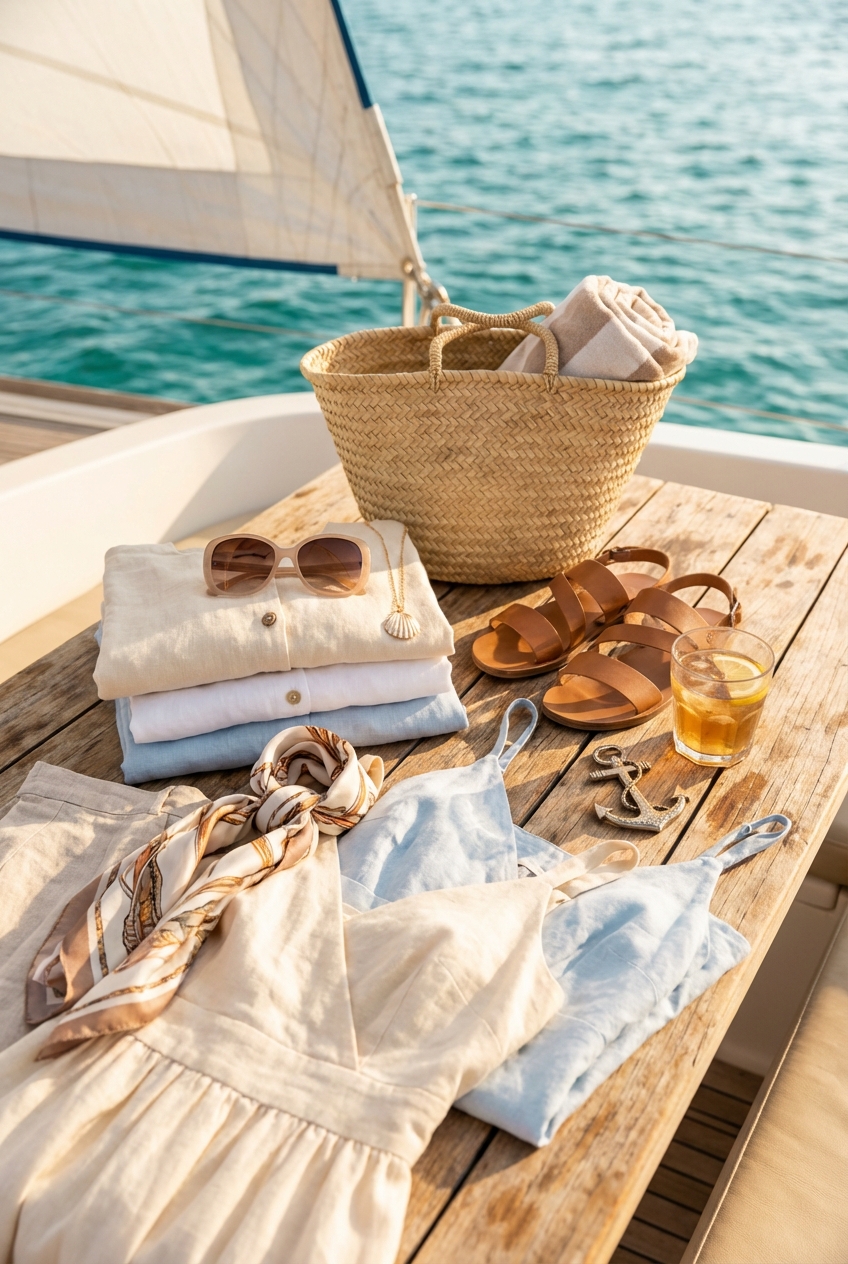
Elegant Linen Dresses For Summer Yacht Parties Chic Breezy And Sophisticated
Introduction
There is a unique psychology to dressing for a yacht party. The environment demands a balance between absolute luxury and rugged practicality that few other social settings require. You are dealing with direct sunlight, salt air, moving decks, and the inevitable ocean breeze that tests the structural integrity of your outfit.
Linen is the undisputed queen of this setting, but choosing the wrong linen dress can lead to a disheveled look rather than an elegant one. When I style clients for the Mediterranean season, we focus on linen pieces that have enough weight to hang beautifully while maintaining that ethereal, breathable quality. It is about looking effortless, even though we have meticulously calculated every hemline and fabric grade.
In this guide, I will walk you through the technical aspects of selecting high-end linen, the silhouettes that withstand the wind, and how to accessorize without looking cluttered. If you are looking for visual inspiration on specific cuts and colors, please note that our curated Picture Gallery is at the end of the blog post.
The Physics of Yacht Fashion: Dealing with Wind and Motion
The most overlooked element of yacht styling is the wind factor. A dress that looks stunning in a boutique fitting room can become a liability on an open deck. When you are ten miles offshore, the breeze is constant and multidirectional.
I always advise clients to avoid lightweight, full-circle skirts unless they are weighted at the hem. A linen dress for a boat needs to have a slightly denser weave or a slimmer silhouette to stay in place. The column dress or a structured A-line is your safest bet for maintaining dignity while sipping champagne on the bow.
You must also consider mobility. Getting on and off a tender or moving between decks requires a range of motion. A pencil cut that is too tight will make stepping over the gunwale awkward. Look for designs with discreet side slits that allow for a 20-inch stride comfortably.
Designer’s Note: The Weight Test
In my years of styling, the most common disaster I see is “flying skirts.” Before packing a dress, hold the hem and give it a gentle shake. If the fabric floats up effortlessly with little resistance, it is too light for the deck. I look for linen with a weight of at least 160 GSM (grams per square meter). This weight drapes heavily against the body and resists sudden gusts.
Selecting the Right Linen Grade for Opacity and Polish
Not all linen is created equal, especially when it comes to high-end resort wear. Cheap linen is often loosely woven, which results in it becoming sheer in bright sunlight. On a yacht, the sun is incredibly harsh and unforgiving, acting like a spotlight that reveals every silhouette beneath the fabric.
For a sophisticated look, you should seek out Belgian or Irish linen. These textiles generally have a tighter weave and a longer staple fiber. This means the fabric is smoother to the touch and less prone to that “fuzzy” surface texture that develops on lower-quality linens after a few hours of wear.
If you are wearing white or cream, which are classic nautical choices, opacity is non-negotiable. You should be able to hold your hand behind a single layer of the fabric in daylight and not see your skin tone. If you can see your hand, you will need a slip, which adds heat—defeating the purpose of wearing linen in the first place.
The Silhouette Guide: Midi vs. Maxi vs. Mini
The length of your dress dictates both your comfort and the formality of your look. For a daytime yacht party, the midi length is the gold standard. It hits mid-calf, keeping the hem away from wet decks while providing enough coverage to be elegant.
Maxi dresses are dramatic and beautiful for sunset dinners, but they pose a safety hazard during the day. Teak decks are often slippery or wet. A floor-grazing hem will soak up saltwater and champagne spills, leading to unsightly staining at the bottom of your expensive garment. If you choose a maxi, ensure it hovers at least 1.5 inches off the floor when you are barefoot.
Mini dresses can work for very casual, younger crowds, but they are high-maintenance in the wind. If you prefer a shorter length, look for a linen romper or a “skort” dress that offers the visual of a mini dress with the security of shorts underneath. This allows you to lounge on the sunpads without constantly adjusting your hem.
Common Mistakes + Fixes
Mistake: Wearing a wrap dress without a fastener.
Fix: Wrap dresses are notorious for blowing open. If you love the silhouette, take the dress to a tailor and have a small, invisible snap hook added to the skirt overlap near the knee. This secures the modesty of the dress without ruining the line.
Mistake: Ignoring the armholes.
Fix: Oversized armholes are breezy but often show undergarments when you lift your arms or lean on a railing. Ensure the armscye (armhole) is fitted properly to the torso.
Color Theory: Navigating Sunlight and Salt
The light on the water is blue-based and incredibly bright. Colors read differently at sea than they do in a city restaurant. While black is chic in New York, it can look severe and absorb too much heat on a boat in July.
Crisp whites, creams, and oatmeals are the traditional palette for a reason. They reflect heat and look expensive. However, they are high-risk for red wine spills. If you are prone to spills, look for “greige” or sand tones, which hide minor mishaps better than stark optical white.
Navy blue is the ultimate nautical neutral. It looks sharp against the teak wood of the deck and the blue of the ocean. It also hides perspiration marks much better than mid-tone blues or greys. Avoid neon colors or overly busy tropical prints, as they tend to look less sophisticated in a luxury setting.
What I’d Do in a Real Styling Scenario
If I were styling a client for a day-to-night yacht event in St. Tropez, here is the exact formula I would use:
- The Base: A navy blue, boat-neck linen midi dress with a side slit.
- The Fabric: Heavyweight Irish linen that resists creasing.
- The Fit: Tailored at the waist but loose at the hips for air circulation.
- The Backup: A silk slip underneath in a matching navy tone to prevent friction and static.
The “Noble Wrinkle” vs. The Messy Look
Linen wrinkles. It is a fact of the fiber. However, there is a difference between “noble wrinkles”—soft, rolling creases that signify high-quality natural fiber—and a crumpled mess. The goal is to embrace the texture without looking like you slept in your clothes.
To achieve this, steam your dress professionally before boarding. Do not rely on a travel steamer once you are on the boat, as power voltage can be tricky and space is limited. Start with a pristine canvas.
As you sit, smooth the fabric underneath you. When you stand, the wrinkles will be concentrated at the lap and hip, which is expected. The key is to avoid hard, sharp creases. Linen blends, such as linen-silk or linen-viscose, offer better wrinkle resistance if you are particularly concerned about staying crisp.
Footwear: The Rules of the Deck
This is the most critical rule of yacht etiquette: strict shoe policies. Most yachts have a “barefoot” or “boat shoes only” rule to protect the soft teak decks. Stilettos are strictly forbidden as they dent the wood.
Your dress must look good when you are barefoot. A dress that requires a 4-inch heel to get the proportions right will look frumpy when you have to take your shoes off at the gangway. When tailoring your linen dress, always fit the hem length while standing flat-footed.
If the host allows shoes on deck, opt for wedges with a soft rubber sole or embellished flat sandals. The soles must be non-marking (usually white or light tan). Never wear shoes with black rubber soles, as they leave scuff marks that are difficult for the crew to remove.
Undergarments and Foundation
What you wear underneath your linen dress is just as important as the dress itself. Linen is breathable, but it also has a bit of friction. A cotton undergarment can cling to the linen, causing the dress to bunch up as you walk.
I recommend wearing laser-cut, seamless panties in a tone that matches your skin exactly—not white. White underwear glows under white linen. A “nude” tone absorbs the light and remains invisible.
For the bra, skip the heavy padding. The humidity will make thick foam cups feel sweaty and heavy. Opt for unlined mesh or lightweight spacers. If your dress is backless or has thin straps, silicone nipple covers are often the most comfortable and practical solution in the heat.
Accessorizing for the Elements
Accessories on a yacht serve a dual purpose: style and protection. A wide-brimmed hat is essential for sun protection, but a standard straw hat will fly off in seconds.
Look for hats that have an internal drawstring or a chic ribbon tie that can be secured under the chin or at the nape of the neck. This allows you to keep your hat on even when the boat picks up speed.
For jewelry, avoid anything that dangles excessively or creates noise. The wind can whip long earrings against your neck, which is painful. Stick to statement studs, cuffs, or short necklaces. Also, ensure your jewelry is real gold or high-quality vermeil. Salt air causes costume jewelry to tarnish and rust very quickly, often turning your skin green by the end of the day.
Layering for the Evening Chill
People often forget how cold it gets on the water once the sun goes down. The temperature drop is significant, and the wind chill factor increases as the boat moves. A linen dress alone will not be enough for a dinner on the aft deck.
Avoid heavy wool coats or structured blazers, which look out of place. The best pairing for a linen dress is a large cashmere or alpaca shawl. These natural fibers trap heat effectively but remain lightweight.
Drape the shawl over your shoulders and secure it with a brooch if you need to keep your hands free for a wine glass. The texture of cashmere contrasts beautifully with the crispness of the linen, adding a layer of luxury to the outfit.
Finish & Styling Checklist
Before you head to the marina, run through this final checklist to ensure your look is sea-worthy and sophisticated.
- Check the Hem: Is it weighted or heavy enough to withstand a 15-knot breeze?
- Opacity Test: Have you checked the dress in direct sunlight to ensure it isn’t sheer?
- Shoe Strategy: Does the dress length work perfectly if you have to go barefoot?
- Secure the Hat: Do you have a hat pin or ribbon to keep your headwear safe?
- Layering Piece: Do you have a cashmere wrap for the sunset temperature drop?
- Jewelry Check: Are you wearing salt-resistant metals?
FAQs
Can I wear black linen on a yacht?
Yes, but use it sparingly. Black absorbs heat, making you hotter in direct sun. It is better suited for evening cocktail parties on the deck rather than a daytime lunch. If you wear black, ensure the linen is very fine and breathable.
What is the best way to pack linen to minimize wrinkles?
Do not fold linen. Use dry cleaning bags. Keep the dress on a hanger, cover it with the plastic bag, and fold the bag in half gently into your suitcase. The plastic reduces friction, which is the main cause of hard creases. Unpack immediately upon arrival.
Are jumpsuits appropriate for yacht parties?
Absolutely. A wide-leg linen jumpsuit is a fantastic alternative to a dress. It solves the wind issue completely. Just ensure the leg length isn’t so long that you trip on it when barefoot.
How do I get sunscreen stains out of linen?
Sunscreen often leaves yellow oil stains. Pre-treat the spot with a dish soap that cuts grease (like Dawn) before washing. Avoid chlorine bleach, as it can react with the sunscreen chemicals and make the stain permanent.
Conclusion
Styling for a yacht party is about respecting the environment while maintaining an air of high fashion. It is a unique intersection where functional constraints—wind, salt, and sun—must be met with elegant solutions.
Linen is the perfect vehicle for this. It speaks to a relaxed, old-money aesthetic that fits perfectly against a backdrop of blue water and teak decks. By choosing the right weight, the correct weave, and preparing for the elements, you ensure that you look just as polished docking at the end of the night as you did boarding in the morning.
Remember that true elegance on a boat looks effortless. It is the ability to stand comfortably in the breeze, move easily across the deck, and enjoy the company without constantly adjusting your outfit.
Picture Gallery


