Breathable Fabrics for Humid Weather: What to Wear
- Words by
- Julio Arco
- Published
- Reading
- 4 min
For most people, linen is the best fabric for hot and humid weather, with lightweight cotton right behind it. Both are loose-weave natural fibers that let air move and dry fairly quickly. Philadelphia's Board of Health describes lightweight cotton and linen as breathable fabrics that absorb sweat and dry quickly.
Quick-dry synthetics make sense for exercise or heavy sweating. Heavy, tightly woven or slick fabrics are the ones to skip. Here is how each group behaves and how to wear it.

Why does fabric matter so much in humid weather?
In humid air, sweat evaporates slowly, so cloth that holds moisture stays against your skin and feels clammy. A fabric that lets air through and releases dampness quickly makes the same temperature feel more bearable. Cut matters as much as fiber, which is why the fabric and the fit work together.
Which fabrics keep you cool in summer?
Linen
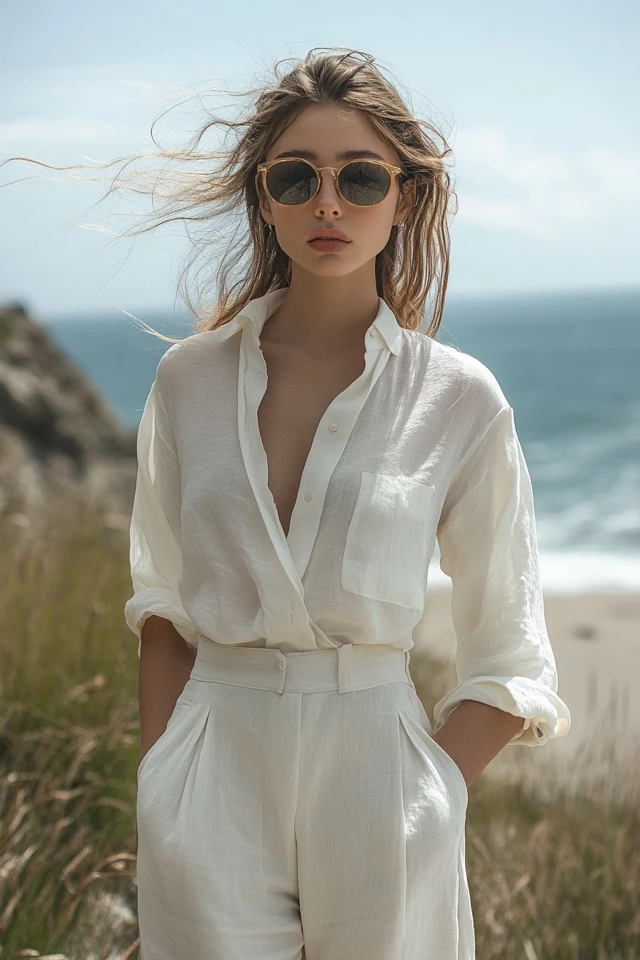
Linen is made from flax, and its fibers form a slightly uneven, open weave. Air passes through it easily, and it feels crisp rather than clingy when you are damp. The trade-off is wrinkling. Steam it, or accept the creases as part of the look.
Through the lens of evidence-based design, I'd pick linen where you want the fabric to stand off the body, because its texture keeps it from lying flat against skin.
Lightweight cotton
Cotton is soft, easy to find and affordable. Look for thin weaves such as voile, lawn, poplin or seersucker, whose puckered texture lifts the cloth off your skin. Avoid thick jersey and heavy denim in the heat.
Quick-dry synthetics
Texas A&M AgriLife Extension's Howdy Health advises choosing quick-drying, sweat-wicking fabrics such as polyester, polypropylene, nylon or nylon blends. These suit workouts, walking tours and long days outdoors. They can hold odor, so wash them after each wear.
Other options
Rayon-type fabrics such as viscose and lyocell drape softly and feel light, though they can cling when wet. Chambray and very fine knits also work if they are thin and loose.
Linen vs cotton for humid weather
Both work, but they dry at different speeds. According to Georgia Tech's News Center, cotton's moisture vapor transmission rate is lower than linen's, meaning it doesn't dry as quickly. In a very sticky climate, linen has the edge.
| Fabric | Feel when hot | Watch out for |
|---|---|---|
| Linen | Crisp, airy, dries fast | Wrinkles, can feel stiff when new |
| Cotton (thin weave) | Soft, familiar | Dries slower, shows sweat |
| Polyester or nylon blends | Light, wicking | Can hold odor |
| Viscose or rayon | Drapey, smooth | Clings when damp |
A linen-cotton blend softens linen's stiffness and wrinkles while keeping most of its airiness. For ideas, see these cotton and linen summer skirts.

What is the best fabric for excessive sweating?
Choose fabrics that move moisture away and dry fast, and pick loose cuts so air circulates. Quick-dry synthetics or linen are the usual choices. Darker or patterned fabrics hide damp patches better than pale gray or light solids, which show them most. If sweating worries you, a doctor or other health professional can help.

What are the worst fabrics for hot, humid weather?
- Thick or tightly woven fabrics, such as heavy denim, fleece and wool-blend suiting.
- Slick, non-breathable synthetics like cheap satin or polyester that is not made to wick.
- Tight jersey knits that cling when damp.
- Heavy cotton in thick weaves, which stays wet for a long time.
One caution: cotton is fine for casual wear in warm weather, but Howdy Health says to avoid cotton because it absorbs moisture and can keep it next to your skin. That advice is for cold-weather exercise, so for a hard summer workout I'd still lean on quick-dry fabrics.

How should clothes fit in the heat?
A loose fit lets air flow between the fabric and your skin, which does as much as the fiber itself. Look for wide-leg trousers, A-line or tiered skirts, boxy shirts and sleeves that skim the arm. Skip anything snug at the underarm, waist or thigh, where heat and moisture collect.
Light colors reflect more sun and read cooler. If you prefer darker shades, choose the thinnest weave you can find.
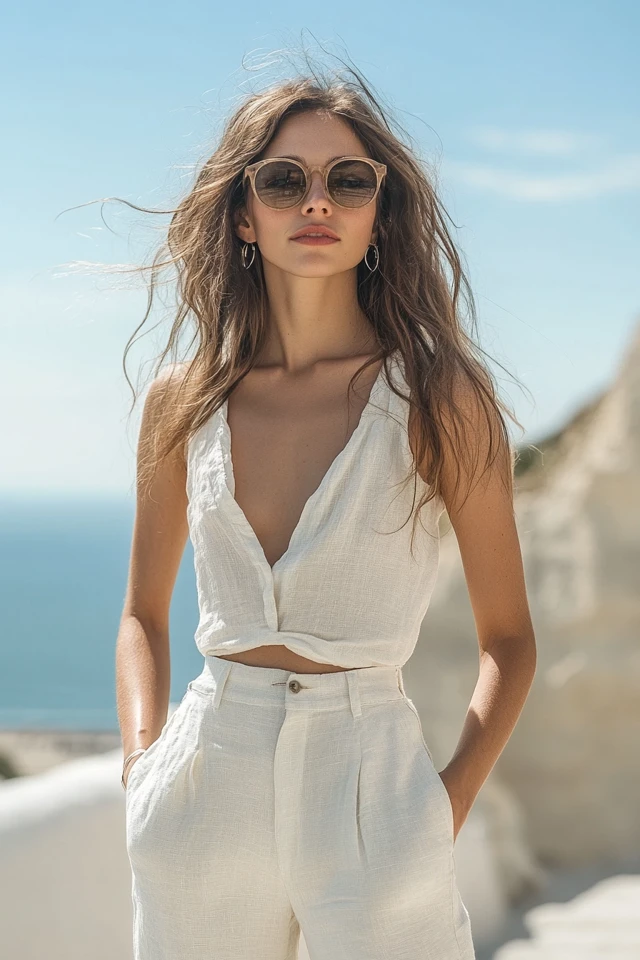
Best clothes to wear in heat and humidity
Tops
A loose linen shirt worn open over a tank gives you sun cover without trapping heat. Tunics work the same way; these breezy linen tunics are a good starting point.

Dresses and skirts
A loose dress with a gathered or tiered skirt lets air move all the way up. Linen suits sit-down events, especially in light linen dresses for summer parties.
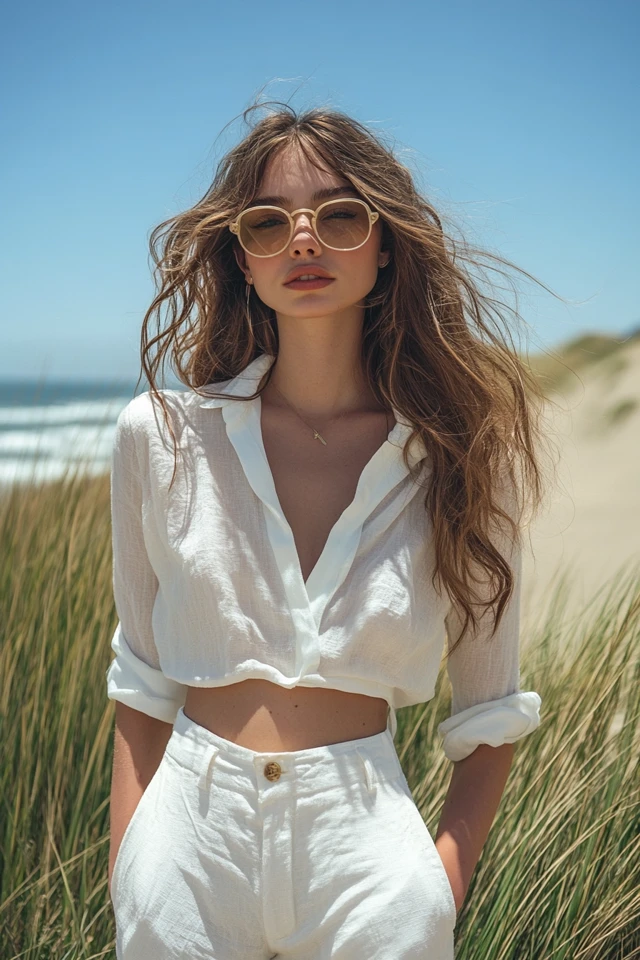
Bottoms
Wide-leg linen trousers and relaxed shorts keep air flowing around the legs. A drawstring or elastic back waist is more comfortable than a stiff, fitted waistband when the air is thick.

Layers and accessories
A straw hat and a light linen overshirt cover your skin without adding much heat. For a more athletic day, see this athleisure fabric guide.
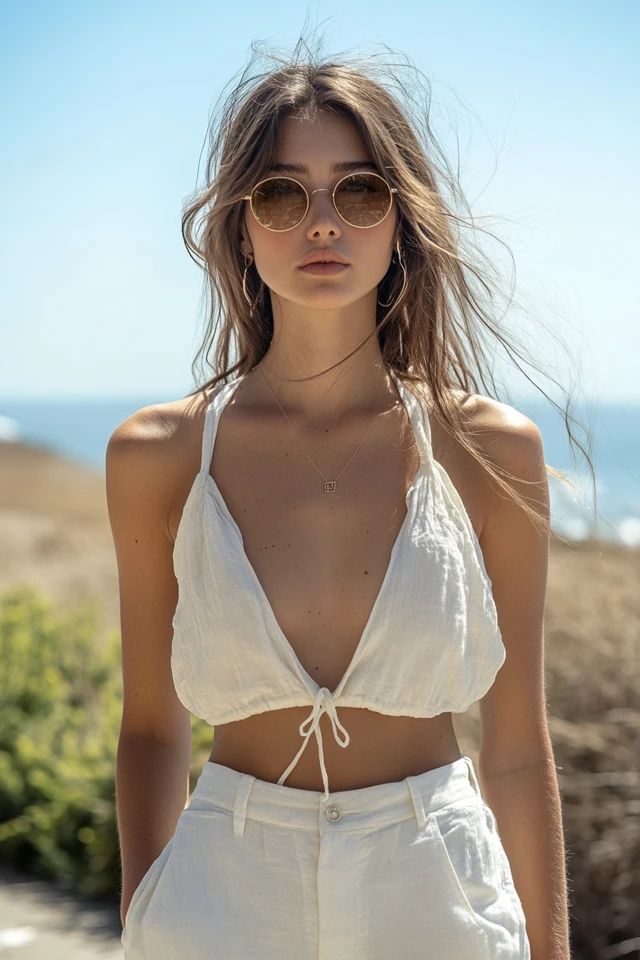
How do you care for linen so it stays soft?
Wash linen in cool water on a gentle cycle and air dry it. It softens with each wash. Steam it while damp if you want fewer wrinkles, and check the garment label for specifics, since blends can behave differently.
Frequently asked questions
What is the best fabric to wear in humid weather?
Linen is usually the best pick, followed by thin cotton weaves like voile or seersucker. Both are breathable and loose, and linen dries faster than cotton.
What fabric is best for staying cool in the summer?
Lightweight, loosely woven natural fibers such as linen and thin cotton work well for everyday wear. For sport or very sweaty days, quick-dry synthetics are a practical alternative.
Is rayon good for humid weather?
Rayon types like viscose feel light and drape well, so they suit dresses and blouses. They can cling when damp, so choose a looser cut.
Do light colors really feel cooler?
Light colors reflect more sunlight than dark ones, so they usually feel cooler in direct sun. In shade or at night, the fabric and fit matter more than the color.
Filed under Seasonal Trends