
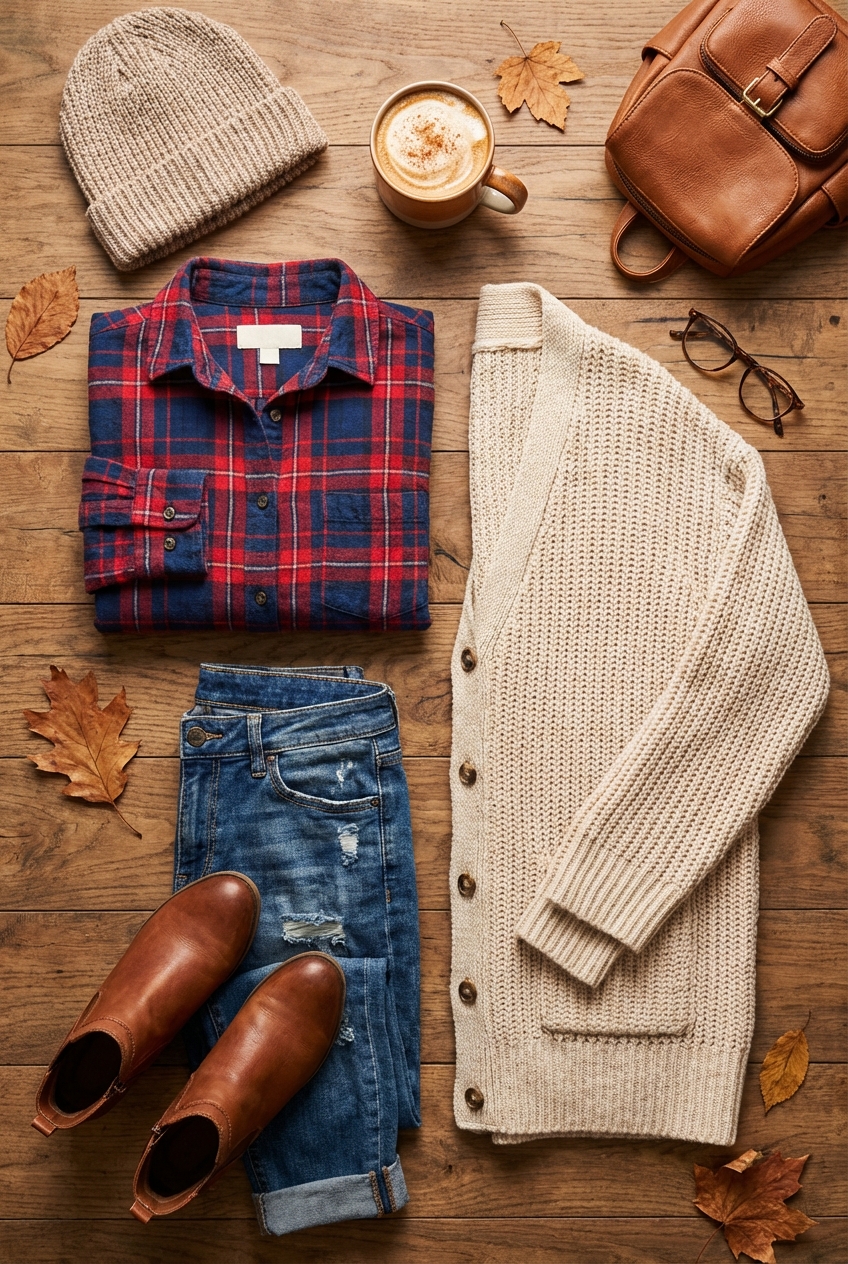
Flannel Shirts For Casual Fall Outfits Cozy Versatile And Effortlessly Stylish
Fall fashion often feels like a return to comfort, but that never means we should sacrifice sophistication. There is a distinct shift in the air when September rolls around, signaling it is time to trade linen for layers. In my years styling clients for the transition season, the flannel shirt remains a non-negotiable wardrobe staple. However, it is frequently misunderstood as purely utilitarian or relegated strictly to “cabin wear.”
I remember a specific client who refused to wear plaid because she felt it looked too messy. We spent an afternoon experimenting with scale, fabric weight, and accessories. By the time we paired a structured, windowpane flannel with sleek leather trousers and pointed-toe boots, her perspective shifted entirely. She realized that flannel isn’t just about warmth; it is about adding texture and pattern to an otherwise monochromatic season.
The key to mastering this look lies in intentionality. You cannot simply throw on an old oversized shirt and expect a chic result without considering proportions and fabric quality. If you are looking for specific outfit formulas to replicate, make sure you browse the picture gallery at the end of this blog post.
Defining Quality: Fabric Weight and Composition
The difference between a flannel shirt that looks expensive and one that looks sloppy usually comes down to the fabric itself. Flannel is technically a finish, not just a pattern, defined by the brushing process that raises the fibers to create that signature soft nap.
When shopping, I always instruct clients to look for “long-staple cotton” or high-quality wool blends. Cheap synthetics will pill after two washes and trap heat in an uncomfortable way. A 100% cotton flannel offers breathability, which is crucial for layering indoors and outdoors.
Pay attention to the weight of the weave. A “shacket” (shirt-jacket) style requires a heavier grams-per-square-meter (GSM) weight to hold its structure. A shirt intended for tucking into high-waisted denim needs to be lightweight enough to avoid creating bulk at the waistline.
Designer’s Note: The Pattern Check
A tell-tale sign of high-end manufacturing is pattern matching. Check the side seams and the pocket alignment. If the horizontal lines of the plaid do not align perfectly across the seam, the garment was mass-produced with less attention to detail. This visual break can make the outfit feel disjointed, even if you can’t put your finger on why.
Mastering the Silhouette: Fit and Proportions
The fit of your flannel dictates the vibe of the entire outfit. We generally see two main silhouettes in fall fashion: the fitted button-down and the oversized boyfriend cut. Mixing these up is where many people go wrong.
If you are wearing a voluminous, oversized flannel, you must balance the scale with a fitted bottom. Think skinny jeans, leggings, or a straight-leg pant that hits at the ankle. If you pair a baggy top with baggy wide-leg trousers, you lose the human form entirely, and the look becomes overwhelming.
Conversely, a fitted flannel shirt creates a lovely juxtaposition when paired with volume on the bottom. I love styling a slim-cut plaid shirt tucked into a flowing midi skirt or wide-leg wool trousers. This highlights the waist and creates an hourglass shape that feels very feminine despite the masculine roots of the fabric.
Common Mistake + Fix
Mistake: Wearing a long flannel shirt unbuttoned over a long tunic tee.
Fix: This creates a “double tunic” effect that shortens the legs. Instead, tuck the base layer (the tee) into your pants to define the waistline. This restores the rule of thirds, making your legs look longer and the flannel look like a deliberate layer rather than an afterthought.
The Art of the Tuck: Styling Mechanics
How you manipulate the fabric at the waistline changes everything. Flannel can be thick, so traditional tucking can sometimes result in a lumpy midsection. You need to master a few specific techniques to handle the bulk.
The “French Tuck” (or half-tuck) is your best friend here. Tuck only the front panel of the shirt, slightly off-center, into your waistband. Let the back and sides drape naturally. This defines the waist while maintaining the cozy, relaxed energy of the shirt.
For a more polished, high-fashion approach, try the cross-tuck. Take the bottom buttonhole side and tuck it into the opposite side of your waistband, then do the same with the button side. This creates a flat wrap effect that looks seamless with high-waisted trousers.
What I’d Do in a Real Project
When styling a photoshoot, I often use double-sided fashion tape between the buttons at the bust. Flannel button-downs are notorious for “gaping” when you move your arms. Securing the placket ensures a smooth line and prevents any wardrobe malfunctions, keeping the look crisp.
Elevated Pairings: texture Mixing with Leather and Suede
To remove the “woodland” connotation from flannel, you must introduce luxe textures. My favorite way to elevate a casual fall outfit is by pairing cotton flannel with leather or faux leather.
The contrast between the soft, fuzzy nap of the flannel and the sleek, shiny surface of leather creates immediate visual interest. Try a black watch plaid (dark green and blue) shirt paired with a black leather pencil skirt. The structure of the skirt sharpens the relaxed nature of the shirt.
Suede is another excellent partner for flannel. A tan suede skirt or jacket brings out the warm tones in red or brown plaids. Because both fabrics have a tactile quality, they feel incredibly rich when worn together.
Stylist’s Rule of Thumb
When mixing heavy textures like flannel and leather, keep your jewelry sleek. Chunky knit scarves or heavy beads can clutter the look. Opt for delicate gold chains or simple metallic hoops to add a bit of shine without competing for attention.
Layering Strategies: The Third Piece Rule
In design and fashion, we often talk about the “Third Piece Rule.” Your pants are piece one, your top is piece two. The third piece is what finishes the outfit—a jacket, a blazer, or in this case, the flannel itself acting as the layer.
Using a flannel shirt as a mid-layer under a structured blazer is a power move. It adds a pop of pattern to a work-appropriate look. Ensure the collar of the flannel is popped slightly or laid flat over the blazer lapel to integrate the layers.
Alternatively, use the flannel as the outer layer over a fitted turtleneck. This is practical for colder days. A thin, merino wool turtleneck in a solid color (cream, black, or navy) under an unbuttoned flannel shirt looks sophisticated and intentional.
Measurements that Matter
When layering a flannel under a jacket or blazer, the sleeve length is critical. The flannel cuff should extend about half an inch beyond the jacket sleeve. This small detail proves the layering was a stylistic choice, not an accident. If the flannel sleeve is too long, fold it back over the jacket cuff for a preppy touch.
Footwear to Anchor the Look
Shoes determine the destination of your outfit. You can take the exact same jeans-and-flannel combination and change the narrative entirely just by swapping footwear.
For a city-chic aesthetic, avoid heavy hiking boots. Instead, opt for a Chelsea boot with a lug sole. This gives you durability and height without looking like you are actually going camping. The clean lines of a Chelsea boot streamline the leg.
If you want to dress up your flannel for a dinner, reach for a pointed-toe mule or a block-heel bootie. The sharpness of a pointed toe contradicts the softness of the flannel, creating that high-low balance that fashion editors love.
Sneaker Styling
If you prefer sneakers, stick to retro, low-profile styles or clean white leather. Athletic running shoes can make a flannel outfit look like gym wear. A vintage-style court sneaker keeps the vibe casual but deliberate.
Color Theory: Choosing the Right Plaid for You
Not all plaids are created equal, and the color palette you choose should complement your skin tone and existing wardrobe. Many people gravitate toward classic red Buffalo check, but that can be harsh on certain complexions.
If you have cooler undertones, look for “cool” plaids featuring blues, grays, and cool-toned greens. Styles like Black Watch tartan are universally flattering and read more formal than brighter patterns.
For warmer skin tones, embrace the earth tones that define fall. Burnt orange, mustard yellow, and chocolate brown mixed into a plaid pattern warm up the complexion.
Designer’s Note: Monochromatic Styling
You don’t always have to wear high-contrast plaid. A tonal grey flannel shirt (mixing light heather grey and charcoal) creates a very sophisticated, quiet luxury vibe. Pair this with grey denim and black boots for a modern, minimalist take on the trend.
Finish & Styling Checklist
Before you walk out the door, run through this mental checklist to ensure your outfit feels styled rather than thrown together. These are the final touches I use on set to make sure a look reads well on camera and in person.
Check the Collar: Is it stiff and upright, or limp? If it’s flattening out, use a hair straightener (on low heat) to crisp up the collar points.
The Cuff Roll: Don’t just shove your sleeves up. Fold the cuff back once, then fold the fabric up to the elbow, leaving the cuff exposed. This is the “J.Crew Roll” and it looks much neater.
Waist Definition: Have you obscured your waist? If you are wearing an oversized shirt, do a front tuck or add a belt to re-establish your shape.
Lint Check: Flannel grabs lint and hair easily. A quick pass with a lint roller is mandatory, especially if you are wearing dark colors.
* Hardware Match: If your flannel has pearlescent buttons, try to avoid clashing heavy silver jewelry. Let the buttons dictate the hardware vibe.
FAQs
How do I wash flannel to keep it soft?
Always wash flannel in cold water on a gentle cycle. Heat is the enemy of cotton fibers and causes shrinking and pilling. Skip the dryer if possible and line dry. If you must use a dryer, remove the shirt while it is still slightly damp to prevent wrinkles from setting in.
Can I wear flannel to the office?
Yes, but the pattern matters. Stick to smaller scale plaids like houndstooth, windowpane, or glen plaid. Large buffalo checks are too casual for most corporate environments. Tuck the shirt into tailored trousers and throw a blazer over it.
Is flannel only for fall?
While it is iconic for autumn, lighter weight cotton flannels are excellent for spring evenings or summer campfires. It is all about the weight of the fabric. Save the heavy wool blends for winter and keep the thin brushed cottons for transition seasons.
What is the difference between plaid and flannel?
This is a very common confusion. “Plaid” is the pattern (the crossing stripes). “Flannel” is the fabric (the brushed cotton or wool). You can have a solid color flannel shirt, and you can have a plaid shirt made of silk. We just usually see them together.
Conclusion
Embracing flannel for fall is about more than just staying warm; it is an opportunity to play with texture, heritage patterns, and layering. By paying attention to the quality of the fabric and mastering the mechanics of the tuck and roll, you elevate a humble staple into a fashion statement.
Remember that style is personal. Use these rules of thumb regarding scale and proportion as a guide, but always prioritize what makes you feel confident and comfortable. Whether you are dressing up a windowpane shirt with leather trousers or keeping it grounded with vintage denim, the goal is effortless sophistication.
Picture Gallery


