Opera Night Dresses: What to Wear and How to Pick
- Words by
- Julio Arco
- Published
- Reading
- 4 min
For most opera houses, the safe answer is an elegant dress that reaches at least the knee, in a fabric with some body: a floor-length gown for opening nights, a refined cocktail dress or a tailored suit for an ordinary performance. Dressier than a typical dinner out, but rarely as formal as a ball.
If you are wondering what to wear to the opera, start with three questions: which house, which performance, and what season. The rest of this guide covers each option, plus sleeves, black dresses, plus-size shopping, shoes and wraps.
How formal is the opera, really?
Traditional dress codes call for black tie on gala and premiere nights. Many modern audiences dress more freely, and you will see everything from gowns to smart trousers. When in doubt, check the venue's website or box office, then dress one notch above what you expect.
Through the lens of evidence-based design, I'd think about how the dress reads from a distance. Opera seating is tiered and lit softly, so shape, color and sheen come across more than small details.
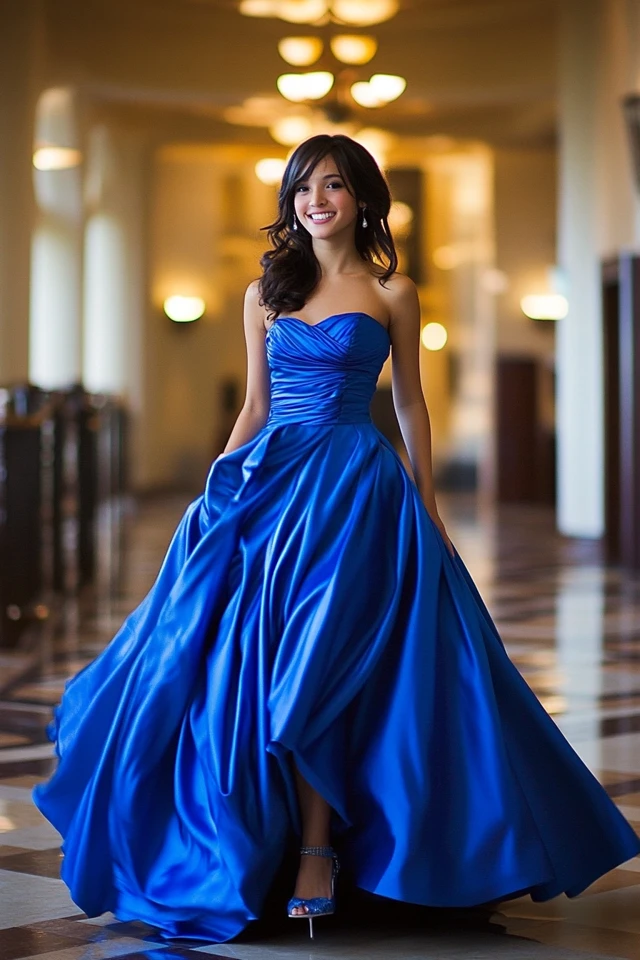
Floor-length evening gowns
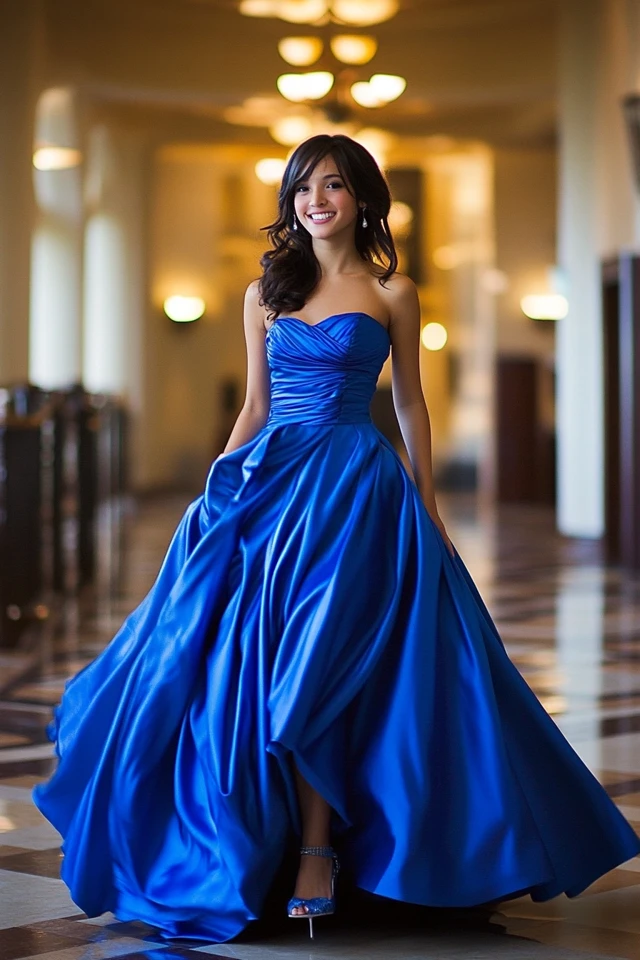
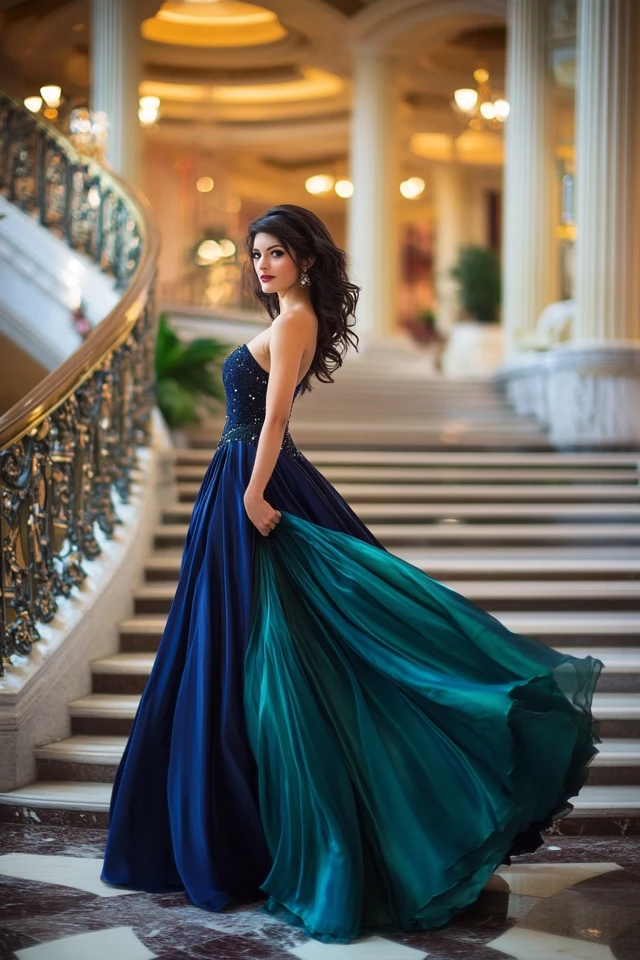
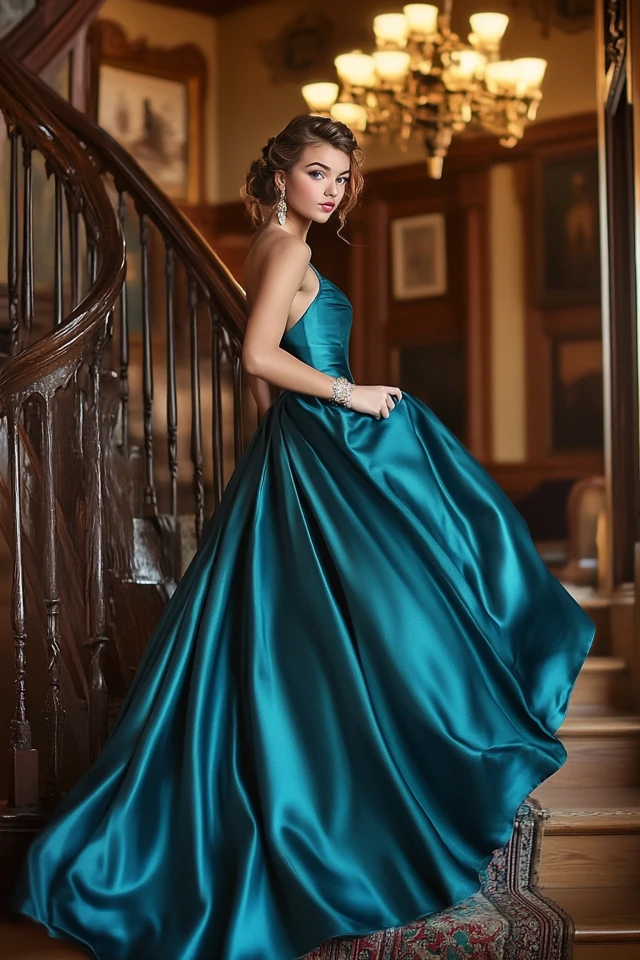
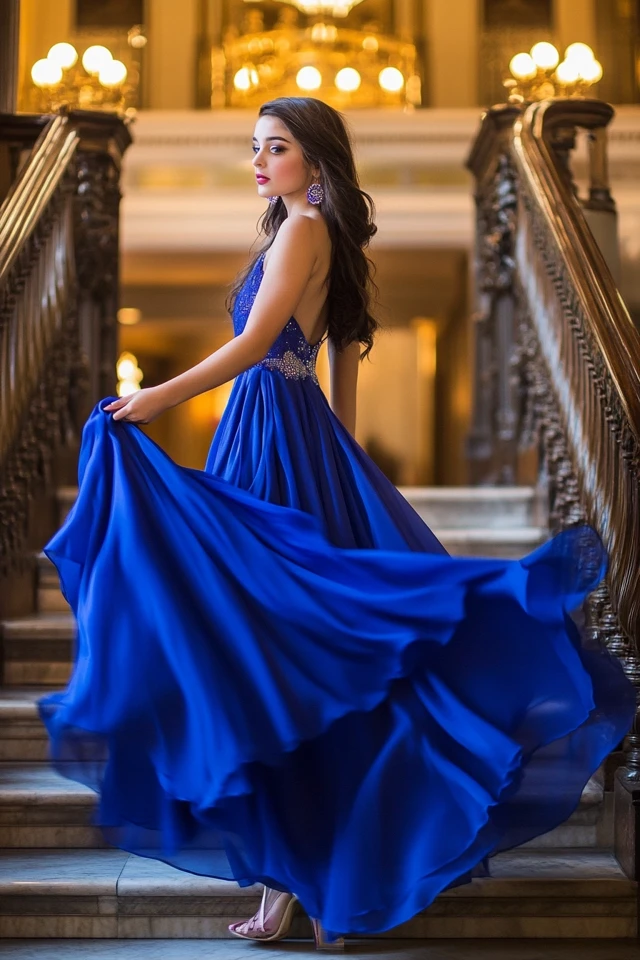
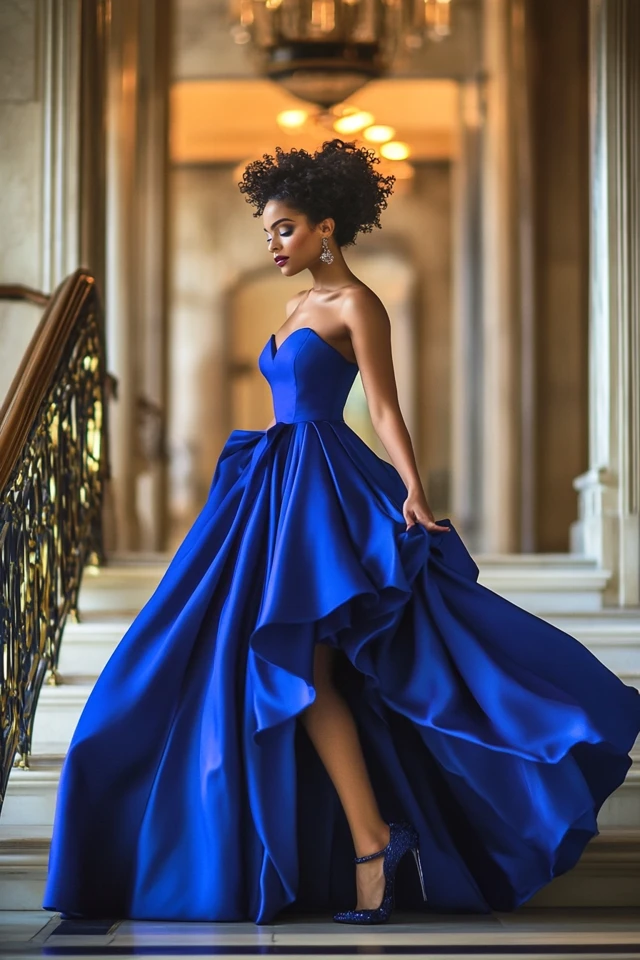
A gown is the clearest choice for galas and opening nights, and it is a good option among evening dresses for the opera in any season. Mermaid, A-line, ball gown, sheath and empire cuts all work. Choose by how you will sit: you will be in a seat for hours, so a skirt with some ease is kinder than a tight column.
Fabrics with weight, such as satin, velvet, crepe and heavy chiffon, hang well and photograph calmly. Historians describe Edwardian evening fashion in similar terms: Kathryn Hennessy, editor of Fashion: The Ultimate Book of Fashion and Style, writes of "Sumptuous fabrics such as silk satin, damask, and chiffon, usually in light, soft colours, were decorated with lace, rhinestones, and spangles, often highlighting a part of the body or the face".
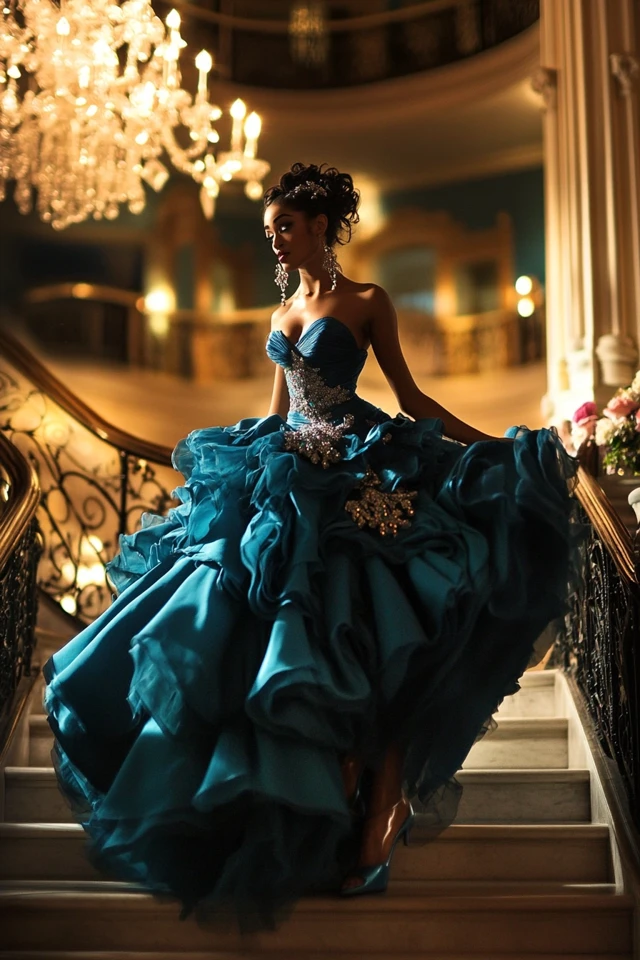
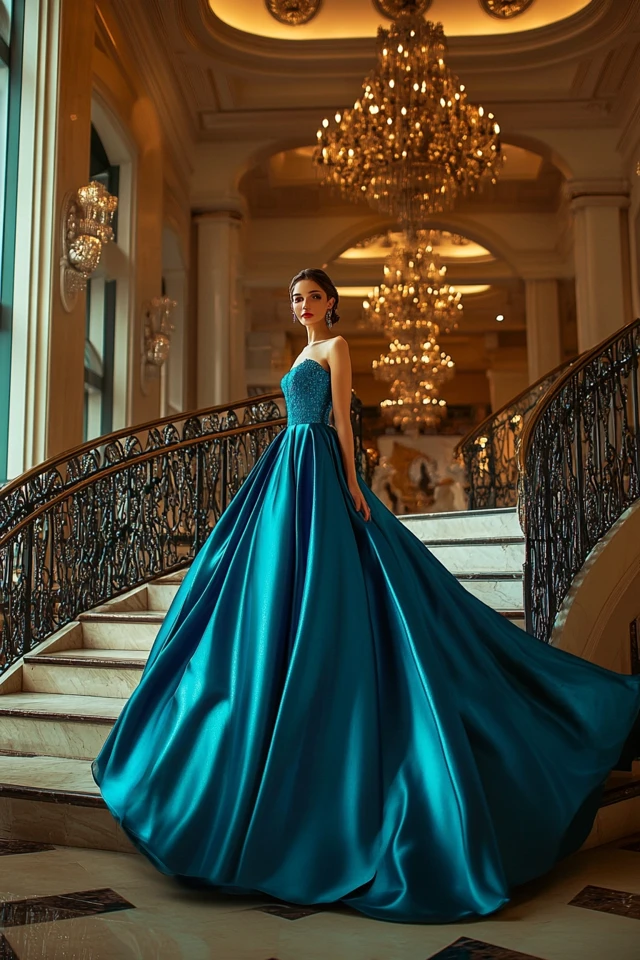
For more gown ideas built for a theater setting, see regal evening gowns for opera nights. If the event is black tie, this black tie floor-length list is also useful.
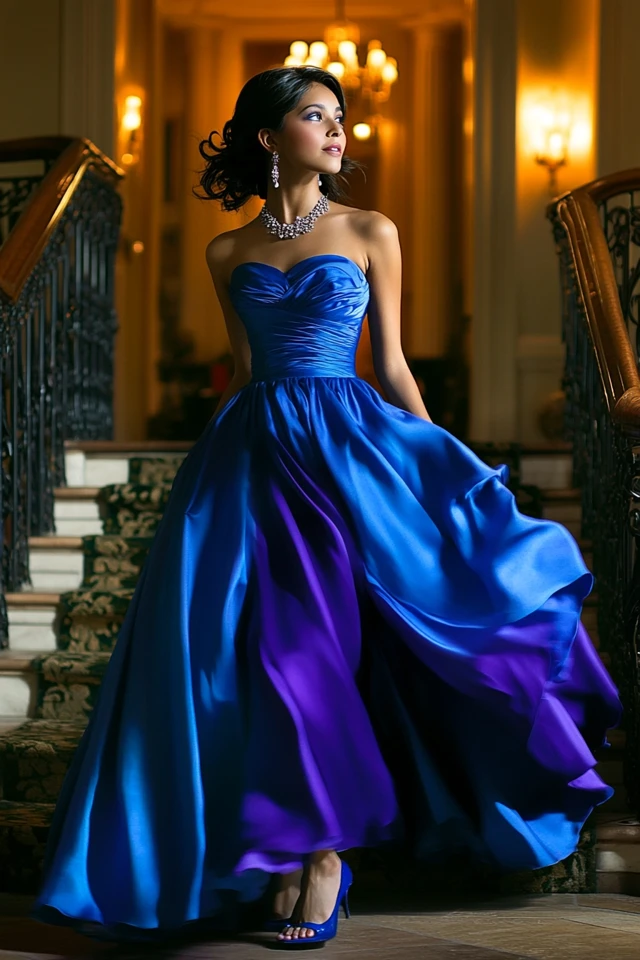
Cocktail dresses that feel dressed up
A midi or knee-length dress is correct for most regular performances. Raise it a level with a structured fabric, a clean neckline and good tailoring. Sequins and jacquard read as evening, while jersey reads as daytime.
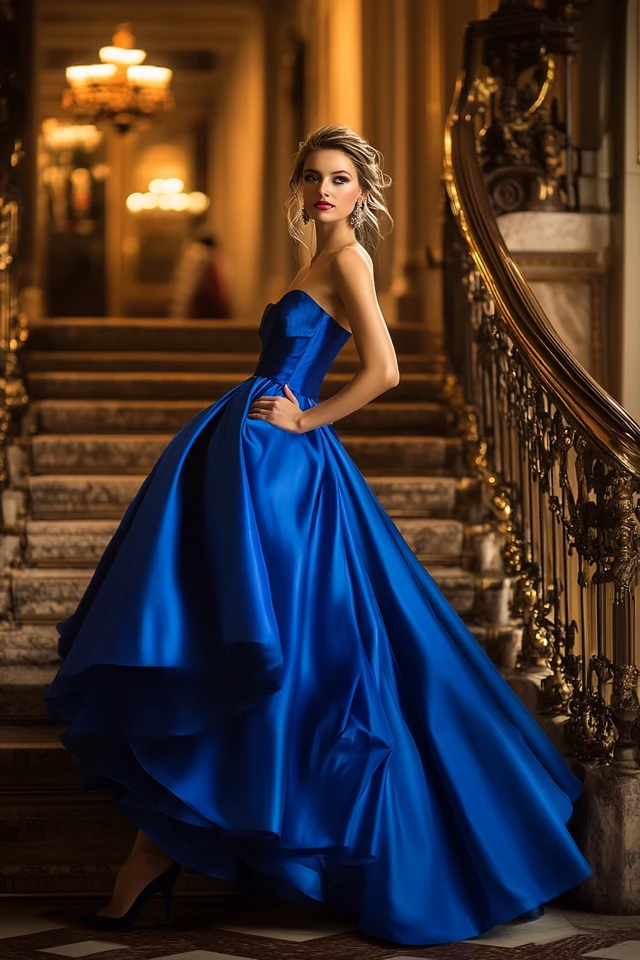
Is an opera dress in black a good idea?
Yes. An opera dress in black is dependable because it looks polished in dim light and works with any jewelry. The Met Museum notes that Chanel's little black dress was seen as a practical, "well-mannered black" for late afternoon and cocktail hours. To keep it from feeling flat, mix textures: velvet with satin, or crepe with a beaded wrap.
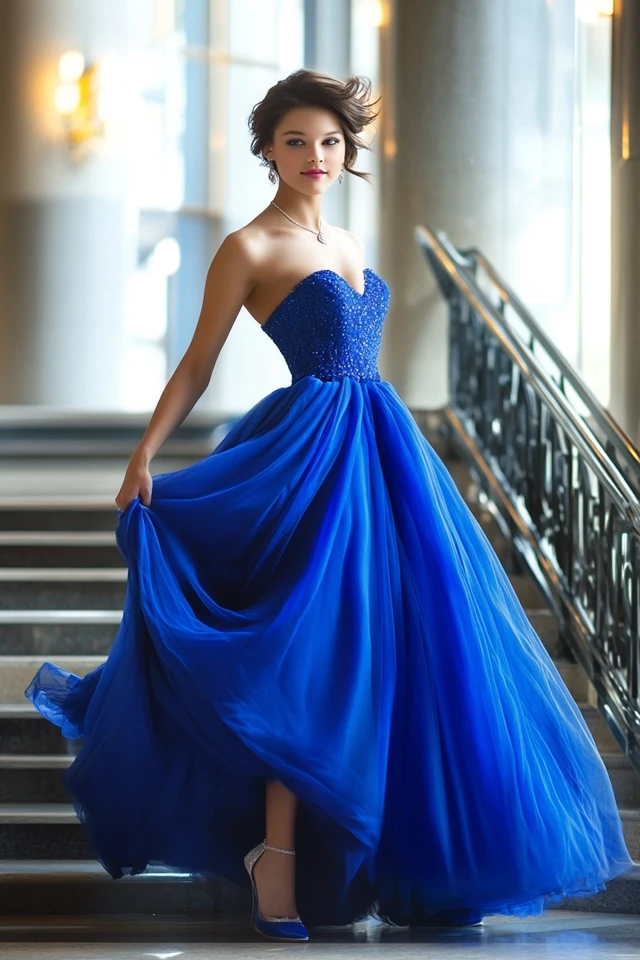
Opera night dresses with sleeves
Sleeves are practical in cold theaters and for anyone who prefers more coverage. Long lace sleeves, sheer sleeves over a satin bodice, and three-quarter sleeves all look formal. A jacket or shawl can do the same job if you want the option to remove it.
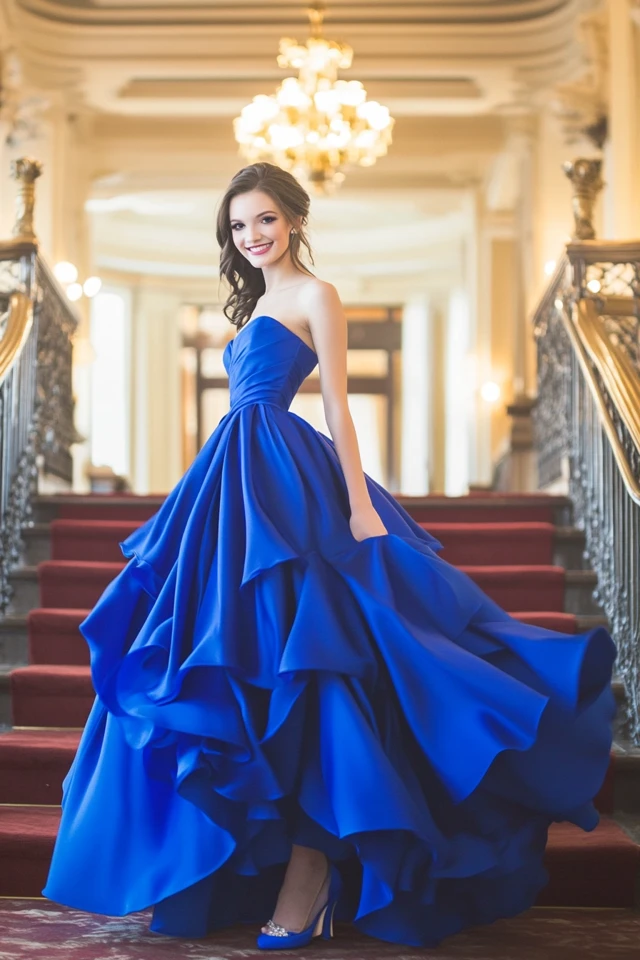
Tailored separates and suits
A silk blouse with a long skirt, or a tailored trouser suit in velvet or crepe, suits the opera well. Keep trousers full length and the fabric dressy. As an architect trained in evidence-based design, I'd treat the neckline as the first thing the eye reads, so put your interest there with a bow, a drape or jewelry.
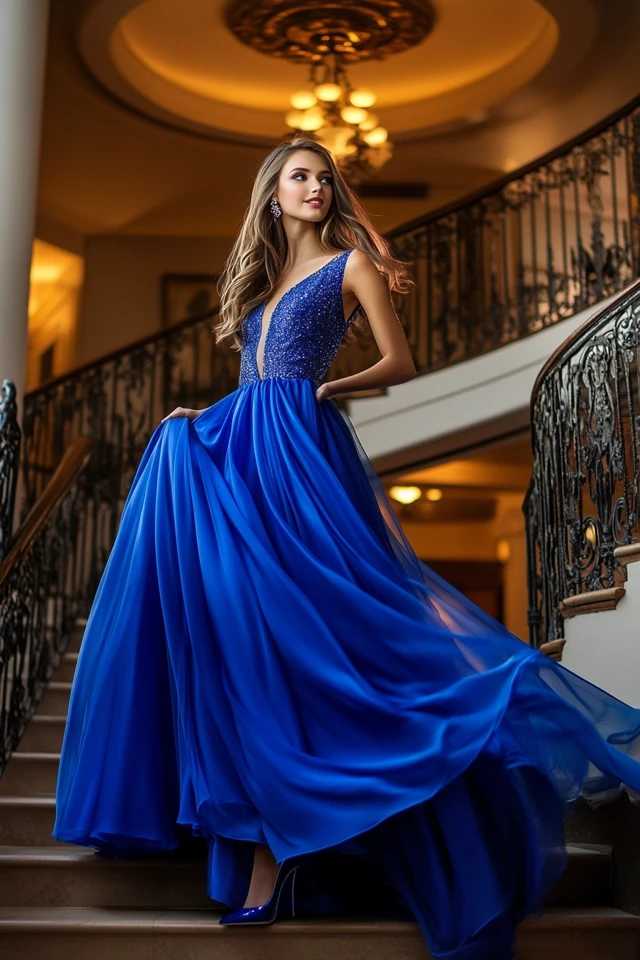
Opera dress plus size: what to look for
Look for dresses with structure in the bodice, stretch or lining that moves with you, and a hem you can sit in comfortably. Wrap and A-line shapes, empire waists and sleeves are all strong choices. A tailor can adjust straps and hems on a standard size, which often matters more than the size label.
Shoes, wraps and bags
Choose shoes you can stand in during the interval. Block heels, low heels and dressy flats are all fine. Cloakrooms are common, so a wrap, pashmina or coat that folds easily is useful, along with a small clutch that fits under the seat.
Jewelry can be light: one statement piece, either earrings or a necklace, is usually enough. Hair worn up shows off a neckline and keeps you from blocking anyone's view.
Venue, city and season
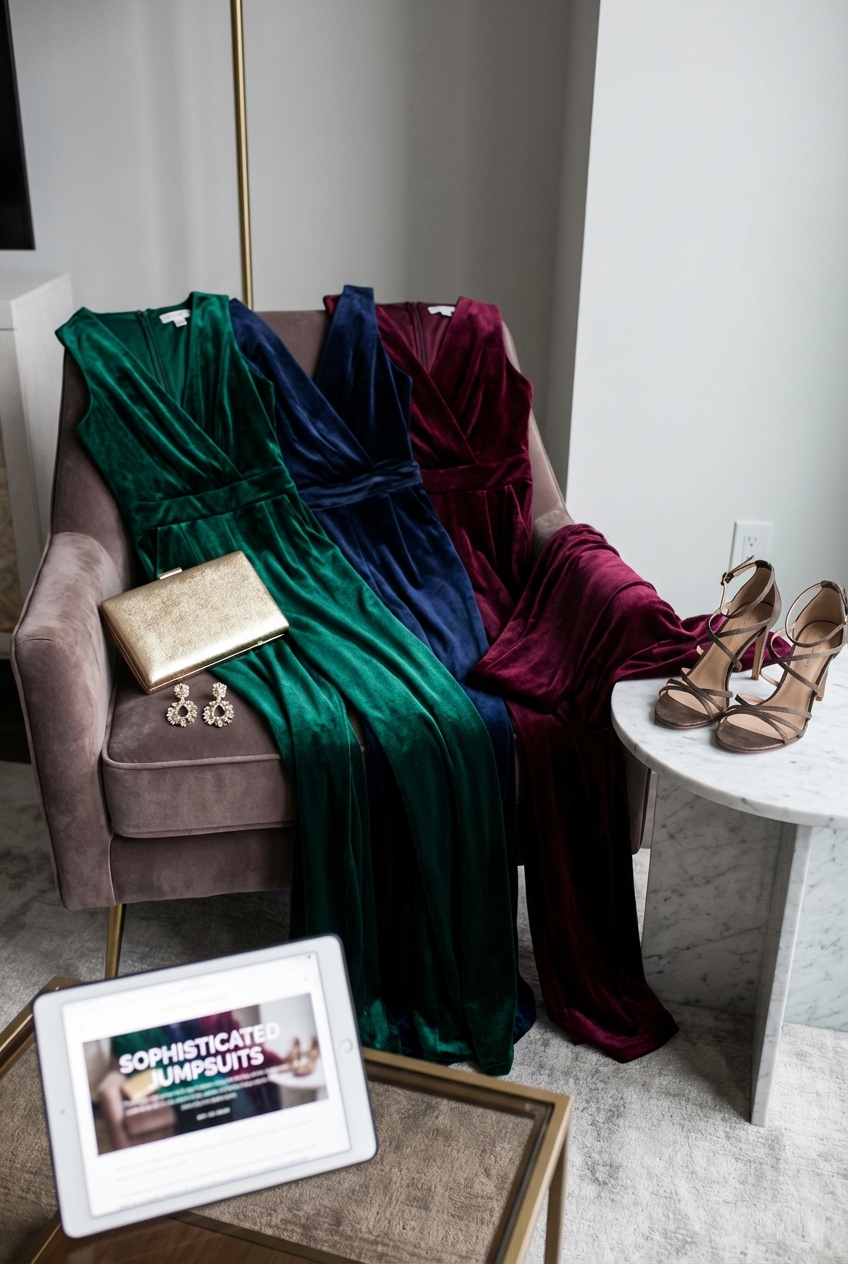
Large houses in big cities tend toward dressier crowds, while smaller regional theaters are more relaxed. In winter, velvet and long sleeves are practical; in summer, lighter chiffon and silk work. Some theaters run cold, so bring a layer in any season.
Frequently asked questions
How to dress for opera night?
Wear an elegant dress, gown or tailored suit in a dressy fabric, and check the venue's dress guidance. Add a wrap for cold theaters and shoes you can stand in.
What do ladies wear to the opera?
Most wear cocktail dresses, midi dresses, gowns for galas, or dressy separates. Black is common, along with jewel tones.
What should a 50 year old woman wear to a concert?
The same rules apply at any age: a polished dress or tailored separates in a fabric with body. Choose a comfortable fit and a neckline or sleeve you feel good in.
Do I have to wear a floor-length gown to the opera?
No, except for black-tie galas or opening nights. A knee-length or midi dress is fine for most performances.
Filed under Occasionwear