
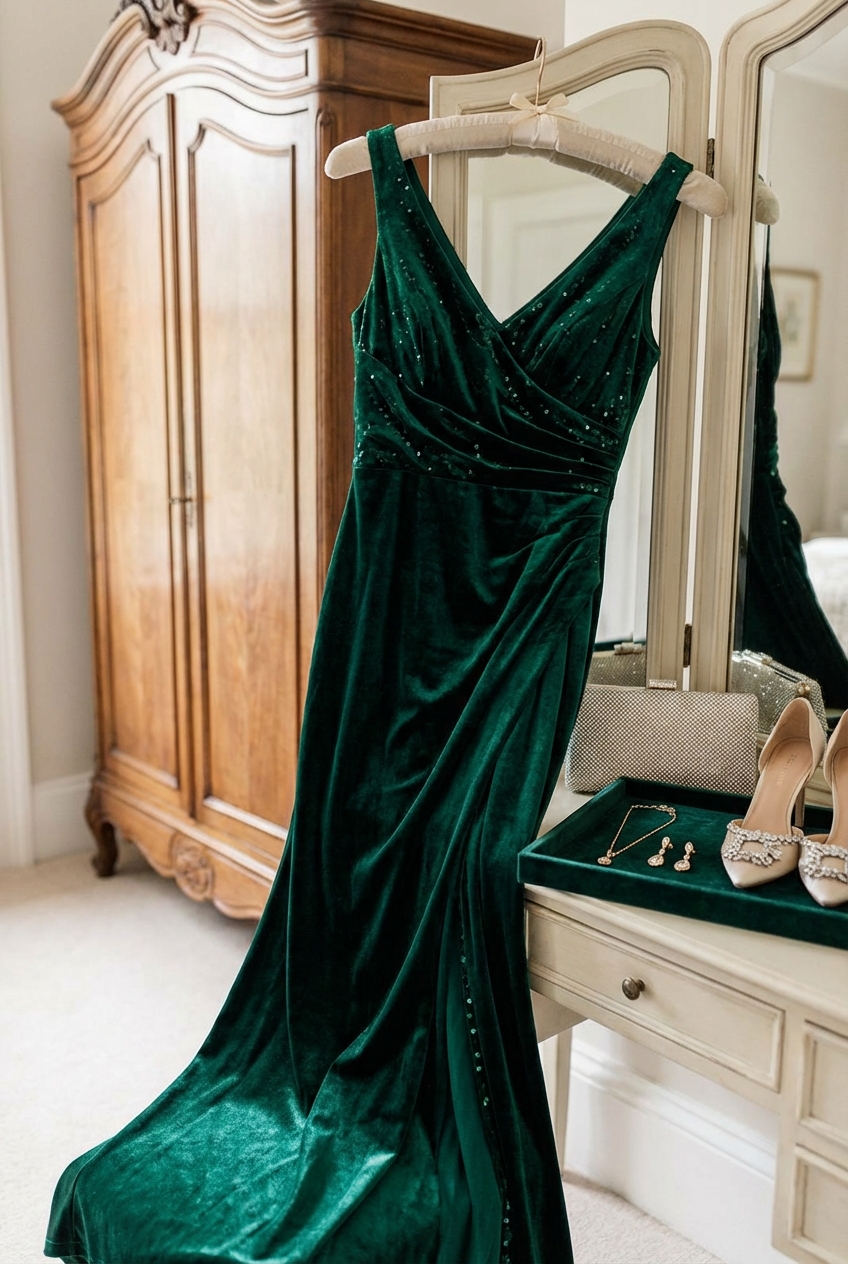
Formal Gowns For Award Ceremonies
The moment an invitation to an awards ceremony lands in your hand, a very specific mix of excitement and panic sets in. Whether it is an industry gala, a charity fundraiser, or a black-tie corporate milestone, the pressure to look effortless yet appropriate is immense. In my years of styling clients for high-stakes evenings, I have learned that a great gown is not just about the label; it is about architecture, fabric physics, and strategic planning.
I once worked with a client who fell in love with a structured, architectural taffeta gown that looked stunning while she was standing in front of a mirror. However, we failed to account for the fact that the awards dinner involved sitting at a cramped round table for three hours. By the time she stood up to accept her award, the dress was crushed at the lap, and the boning had dug into her ribs all night, making her miserable.
That experience taught me that formal wear must be functional performance wear disguised as luxury. You have to navigate red carpets, tight seating, flash photography, and stage stairs. If you are looking for visual inspiration, you can have a look at the comprehensive Picture Gallery at the end of this blog post.
Decoding the Dress Code: Context is Everything
Before you even look at a silhouette, you must relentlessly analyze the context of the event. Not all award ceremonies are created equal, and misinterpreting the specific “dialect” of the dress code is the most common error guests make.
If the invitation says “Black Tie,” this typically implies a floor-length gown, though a very dressy tea-length cocktail dress can occasionally pass if the fabric is exceptionally luxe. However, “White Tie” is a strict tier above; it absolutely requires a floor-length ballgown and often gloves. “Creative Black Tie” is where you have the license to play with prints, textures, and slightly more avant-garde shapes, but the level of formality remains high.
You also need to consider your role at the event. Are you the nominee, the plus-one, or a presenter? If you are a plus-one, your goal is to look elegant but never outshine the person you are accompanying or the honorees. If you are a nominee, you need a dress that reads well from the back and side, as you will be filmed walking up the stairs to the stage.
Designer’s Note: The Venue Check
Always Google the venue and look at photos of the previous year’s event. If the carpet is red, avoid wearing true red, or you will look like a floating head in photos. If the event is in a historic ballroom with gold leafing, a metallic gold dress might blend into the walls too much. Contrast is your friend.
Silhouette Architecture and Body Mechanics
Finding the right shape is less about hiding flaws and more about understanding body architecture. When I style for an awards season, I look at a dress as an engineering project. The gown needs to support itself so you aren’t constantly hoisting it up or tripping over excess fabric.
For shorter statures, column dresses or modified A-lines are crucial for creating a vertical line. A massive ballgown skirt can swallow a petite frame, making you look like you are playing dress-up. Conversely, if you are tall, you can handle volume, but you need to ensure the torso length of the dress hits your natural waist, not your ribs.
The “Mermaid” or “Trumpet” silhouette is a red-carpet favorite because it highlights curves, but it comes with a mobility warning. You must be able to walk up a set of stairs. If the flare starts below the knee, your stride will be restricted. I always force clients to practice walking up a flight of stairs in the fitting room to ensure they don’t need to hike the skirt up to their thighs just to move.
Common Mistakes + Fixes
- Mistake: Choosing a strapless gown that cuts into the underarm fat.
- Fix: This is usually a sizing issue, not a fat issue. Size up to fit the bust and have the waist taken in. A dress that fits properly will stay up through internal structure (boning), not by squeezing your skin.
- Mistake: Ignoring the “Sit Test.”
- Fix: Sit down on a low chair for five minutes in the dressing room. If the dress rides up too high or the corset prevents you from breathing, it is not the right dress for a sit-down dinner.
Fabric Science: Flash Photography and Durability
The fabric you choose dictates how the night will go. You need a material that travels well, resists wrinkling, and reacts favorably to camera flashes. In the world of high-end evening wear, fabric is the primary indicator of quality.
Avoid cheap synthetic satins. under the harsh strobe of a photographer’s flash, inexpensive satin can look greasy or plastic. Instead, opt for silk crepe, velvet, or heavy matte jersey. These fabrics absorb light rather than reflecting it, which generally provides a smoothing, slimming effect in photographs.
Velvet is an exceptional choice for fall and winter ceremonies. It has a visual weight that reads as expensive and regal. It is also inherently wrinkle-resistant. If you are sitting in a car for forty-five minutes on the way to the venue, you can step out looking pristine.
Material Durability Checklist
- Silk Charmeuse: Beautiful and liquid-like, but shows every drop of water (or sweat) and wrinkles if you look at it wrong. High risk.
- Taffeta: Holds structure beautifully and hides bumps, but creates permanent creases if you sit on it for too long.
- Crepe: The MVP of formal wear. It has a matte finish, drapes heavily, has a bit of stretch for comfort, and resists wrinkling.
- Chiffon: lovely and romantic, but very prone to snagging on jewelry or rough chairs.
The Color Story and Lighting
Color choice is not just about what is trendy; it is about lighting conditions. Most award ceremonies take place in ballrooms with mixed lighting—dim ambient light at the tables and harsh, cool-toned spotlights on stage.
Jewel tones are universally successful in these environments. Emerald green, sapphire blue, and deep amethyst pop under stage lights without looking washed out. Pastels can be tricky; a pale pink or mint green can easily read as white under bright television lighting, washing out your complexion.
Black is always safe and chic, but it can be boring if the texture is flat. If you choose a black gown, ensure it has interesting architectural details, beadwork, or mixed textures (like velvet against satin) so it doesn’t look like a black hole in photos.
What I’d Do in a Real Project
If I am styling a client with a cool skin undertone, I lean toward icy blues, silver, or true berry reds. For warm undertones, I look for gold, olive green, or tomato reds. I always hold a swatch of the fabric up to their face and take a photo with the flash on. If the color reflects onto their chin or makes them look sickly, we discard it immediately.
The Tailoring Timeline: The Hidden Hero
No gown looks like it belongs on the red carpet straight off the rack. The difference between a “nice dress” and a “stunning gown” is usually about $200 worth of alterations. You must factor this into your budget and your schedule.
You should aim to buy your dress at least six weeks before the event. This allows time for three fittings: the initial pin, the check-fit, and the final look. Do not try to lose ten pounds after you buy the dress. It is much easier to take a dress in than to let it out.
Hem length is the most critical technical detail. For a floor-length gown, the hem should just “kiss” the floor. Specifically, I instruct tailors to hem the dress so it hovers 1/4 to 1/2 inch off the ground while the client is wearing her specific event shoes. This allows for the shoe to peek out slightly when walking, prevents tripping, and keeps the hem from getting dirty.
Rules of Thumb for Alterations
- The Shoe Rule: Never go to a fitting without the exact shoes you will wear. Heel height changes the posture and the hemline entirely.
- The Undergarment Rule: Wear the actual shapewear and bra you plan to use. A push-up bra changes the bodice fit significantly compared to a standard t-shirt bra.
- The Strap Check: If the dress has straps, have them shortened slightly. Most off-the-rack straps are too long, causing the neckline to droop.
Undergarments and Foundation
The structure underneath the dress is more important than the dress itself. Many red carpet gowns are built with internal corsetry, meaning you might not need a bra at all. However, if the dress lacks structure, you must provide it.
Seamless, laser-cut shapewear is non-negotiable for satin or jersey dresses. Even the smallest lace edge on a pair of panties will show through silk. High-waisted shorts that go from the mid-thigh up to the bra line are the industry standard because they eliminate the “muffin top” line that waist-high briefs can create.
For low-back dresses, do not rely on adhesive bras if you have a bust larger than a B-cup. They rarely hold up under the heat of lights and dancing. Instead, have a professional seamstress sew cups directly into the gown, or look for a low-back bodysuit with structure.
Accessories and The “Clutch Audit”
Accessories should complement, not compete. If your dress is heavily beaded or sequined, skip the necklace and opt for simple diamond or pearl studs. If the dress is a simple solid crepe, this is your moment to wear a statement necklace or chandelier earrings.
The evening bag is a logistical challenge. It needs to be small enough to be formal, but large enough to hold the essentials. Do not bring your everyday tote. A hard-shell minaudière or a sleek envelope clutch is appropriate.
The Clutch Audit: What Fits?
I advise clients to perform a trial run with their bag. It must comfortably close with the following items inside:
- Phone: Essential for networking and photos.
- ID and Credit Card: slip these into the card slot, don’t bring a full wallet.
- Lipstick: For touch-ups after dinner.
- Mints: Crucial for networking.
- Fashion Tape: A small strip for emergency wardrobe malfunctions.
Finish & Styling Checklist
Before you walk out the door, run through this final checklist to ensure the look is polished and secure.
1. The Steam:
Never iron a formal gown; you risk crushing the pile of velvet or melting synthetic fibers. Use a handheld steamer. Steam the dress from the inside out to avoid water spots on delicate fabrics like silk.
2. The Static Guard:
Spray an anti-static spray on the inside of the skirt and on your legs (or tights). Static cling can ruin the drape of a skirt and make it bunch up awkwardly between your legs while walking.
3. The Sole Scuff:
If you bought new shoes, take a pair of scissors or sandpaper and rough up the soles. Ballroom floors and stages can be incredibly slippery. You need traction to walk confidently.
4. The Deodorant Check:
Avoid white solid deodorants that transfer onto fabric. Use a clear gel or a spray, and apply it 20 minutes before getting dressed so it is fully dry.
5. The “Last Look” Audit:
Stand in front of a full-length mirror. Check your teeth for lipstick. Check your back view to ensure no tags are popping out. walking away is just as important as arriving.
FAQs
Can I wear a tuxedo or pantsuit to a formal award ceremony?
Absolutely. A well-tailored tuxedo for women (think Yves Saint Laurent Le Smoking) is incredibly chic and often stands out in a sea of gowns. Ensure the fabric is evening-appropriate—silk, satin lapels, or velvet—rather than office wool. Pair it with a killer heel and statement jewelry to keep the look feminine and formal.
Is it acceptable to wear a short dress?
Generally, no. For formal award ceremonies, short dresses can read as “cocktail” or casual. However, a “high-low” hemline can work if the train is significant, or a tea-length gown if the skirt is voluminous and the fabric is extremely formal (like brocade or heavy lace). When in doubt, go long.
What do I do if I am cold?
Do not ruin a gown with a casual cardigan or trench coat. If you anticipate being cold, invest in a faux fur stole, a velvet opera coat, or a tailored tuxedo cape. These pieces add to the drama of the outfit rather than detracting from it.
How do I handle the train of my dress?
If your dress has a train, most tailors will add a “bustle” (a hidden button or hook) or a finger loop. This allows you to hook the train up so it doesn’t drag on the floor during the cocktail hour or reception. Practice using the bustle before the event.
Conclusion
Attending an award ceremony is a privilege, and your attire is a sign of respect for the occasion and the honorees. By focusing on the architecture of the dress, the quality of the fabric, and the precision of the fit, you can navigate the evening with confidence.
Remember that the most beautiful woman in the room is rarely the one with the most expensive dress; it is the woman who is comfortable, whose dress fits her impeccably, and who isn’t tugging at her neckline all night. When you trust your garment, you can focus on what matters: celebrating the achievements of the evening and enjoying the moment.
Picture Gallery


