
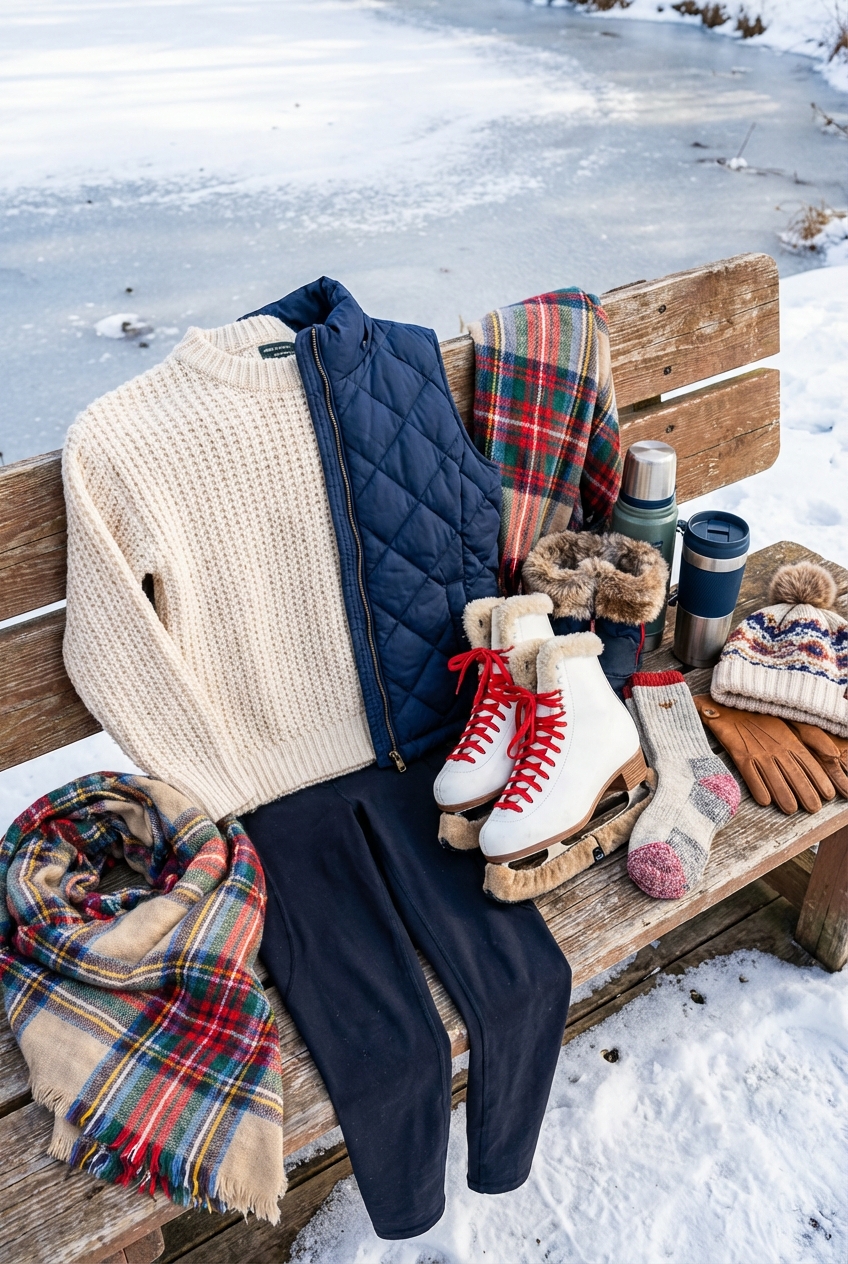
Fun Ice Skating Outfits With Chic Layers Staying Stylish On The Ice
There is a distinct romanticism attached to ice skating that few other winter activities can claim. We often envision ourselves gliding effortlessly across the rink, perhaps at Rockefeller Center or a quaint local pond, looking like a scene out of a vintage holiday film. However, the reality of dressing for the ice presents a unique sartorial challenge: balancing the need for genuine warmth with the desire for a sleek, non-bulky silhouette.
As a fashion stylist, I often see clients arrive at the rink bundled in shapeless layers that restrict movement and dampen the aesthetic experience. The secret to a successful skating ensemble lies in high-performance fabrics disguised as luxury wear. We want to achieve mobility and warmth without looking like we are embarking on an arctic expedition.
In this guide, I will break down the architecture of the perfect skating outfit, from the thermal base layers to the finishing accessories. If you are looking for specific outfit combinations, be sure to check the Picture Gallery at the end of this blog post.
1. The Architecture of the Base Layer
The most critical component of your skating outfit is the layer no one sees. In high-end fashion styling, we refer to this as the “foundation.” If your foundation is flawed, the rest of the outfit will fail to perform.
Avoid cotton at all costs right next to your skin. When you skate, you will inevitably perspire, even in freezing temperatures. Cotton absorbs moisture and holds it against the skin, which then cools down rapidly, leaving you clammy and freezing.
Instead, opt for a high-quality bodysuit made from merino wool or a technical synthetic blend. A bodysuit is preferable to a standard top because it remains tucked in regardless of how much you move or stretch. This ensures your lower back is never exposed to the cold air during a spin or a fall.
The Fabric Hierarchy
- Merino Wool: The gold standard. It regulates temperature, wicks moisture, and resists odors.
- Modal/Cashmere Blend: incredibly soft and warm, offering a luxurious feel against the skin.
- Technical Synthetics: Brands like Uniqlo or Wolford offer “heat-tech” fabrics that generate heat from body moisture.
Stylist’s Note: When fitting clients, I always check the armhole height of the base layer. It should be high and snug. This prevents bunching when you layer a sweater or coat over it, keeping your silhouette streamlined.
2. The Silhouette Strategy: Volume Control
Ice skating requires a specific play on proportions. Because skates add significant visual weight and height to your feet, we need to balance the silhouette upwards. The most common mistake is wearing a heavy, ankle-length coat.
Long coats are a safety hazard on the ice. They restrict your leg movement and pose a tripping risk if you cross your legs while turning. From a styling perspective, they also swallow your figure entirely.
I recommend a “cropped and flared” approach or a “fitted column” look. If you are wearing tighter bottoms, a slightly voluminous cropped puffer jacket creates a dynamic, athletic shape. If you prefer a skirt, a fitted wool coat that ends at the hip allows the skirt to move freely, mimicking the classic figure skater aesthetic.
Common Mistakes + Fixes
- Mistake: Wearing wide-leg trousers or flared jeans.
- Fix: The hem of wide pants will drag on the wet ice and can get caught in the skate blades. Stick to skinny jeans, leggings, or tapered joggers that sit inside the skate boot.
- Mistake: Over-layering the torso while ignoring the legs.
- Fix: Your legs are doing the work and cutting through the wind. Use fleece-lined leggings to ensure your lower half is just as insulated as your core.
3. Mastering the Skater Skirt Aesthetic
Many of my clients want to channel the “Ice Princess” vibe with a skirt, but fear the cold. This is an entirely achievable look if you understand the mechanics of hosiery. The skirt itself serves as a stylistic flourish, while the tights underneath do the heavy lifting.
The classic skating skirt is a circle skirt or a pleated mini. These shapes look beautiful in motion, twirling out as you turn. To make this winter-appropriate, you must utilize fleece-lined tights.
Modern textile technology allows for tights that appear sheer (around 20-40 denier) but are actually lined with nude-colored fleece. They provide the warmth of sweatpants with the elegance of high-fashion hosiery.
Structuring the Skirt Look
- The Tights: Choose a pair with a reinforced toe and heel. Ensure the fleece lining stops at the ankle so your foot fits comfortably in the skate.
- The Skirt Material: Opt for heavier weights like wool, corduroy, or leather. These fabrics hold their shape better against the wind and won’t fly up unexpectedly.
- The Length: The ideal length is mid-thigh. This clears your knees for movement but offers enough coverage to balance the outfit.
What I’d do in a real project: For a client photoshoot on ice, I would pair a cream wool mini skirt with opaque black fleece-lined tights and a fitted black turtleneck. It creates a monochromatic, elongated leg line that makes the wearer look taller.
4. The Luxe Legging and Sweater Formula
If skirts feel too exposed for your comfort level, the legging and sweater combination is a timeless alternative. However, this shouldn’t look like you are heading to the gym. The key is to elevate the textures.
Swap standard athletic spandex for faux leather leggings or coated denim. The sheen of leather (or faux leather) looks incredible under the rink lights and repels water better than knit fabrics. If you fall, you simply wipe the ice off; knit fabrics will soak it up.
Pair this with a chunky, oversized cable-knit sweater. The contrast between the sleek, shiny leggings and the matte, voluminous wool creates a visually interesting outfit.
The “Half-Tuck” Rule
When wearing a bulky sweater with tight leggings, utilize the “French Tuck” or half-tuck. Tuck just the front hem of the sweater into your waistband.
This defines your waist and prevents the outfit from overwhelming your frame. It re-establishes the rule of thirds, making your legs look longer despite the flat-footed nature of skating boots.
5. Outerwear as a Statement Piece
Since you are outdoors, your coat is effectively your entire outfit for observers. This is the piece to invest in. Since we ruled out floor-length coats, we have three strong contenders for the ice.
The Shearling Aviator:
This is my top pick for warmth and style. The leather exterior blocks the biting wind, while the shearling interior acts as a furnace. The cropped, boxy cut balances perfectly with skinny jeans or leggings. It gives a cool, “off-duty model” vibe.
The Belted Wool Wrap:
For a more sophisticated, elegant look, a mid-length wool coat that belts at the waist is stunning. It emphasizes an hourglass figure. Ensure the hem hits above the knee.
The High-Gloss Puffer:
Short, shiny puffer jackets are trendy and practical. They are incredibly lightweight, which is a huge benefit when you are already carrying the weight of skates. Look for metallics or bold primary colors to stand out against the grey and white backdrop of the rink.
6. Accessories: The Functional Flourish
Accessories are where you can inject personality, but they must serve a function. On the ice, dangling scarves and loose jewelry are dangerous. We want pieces that stay close to the body.
The Headwear:
A beanie is classic, but a faux-fur bucket hat or a fuzzy angora beret feels more fashion-forward this season. If you worry about “hat hair,” opt for plush earmuffs. They protect your ears—the most vulnerable part of your body to frostbite—without flattening your blowout.
The Scarf:
Avoid long, trailing scarves that can unravel. Opt for a continuous loop scarf (infinity scarf) or a cashmere neck warmer. If you must wear a traditional scarf, tuck the ends firmly into your coat.
The Gloves:
Hands take a beating when skating, especially if you fall. Thin knit gloves get wet instantly. I recommend leather or suede gloves with a cashmere lining. They provide grip, repel water, and look infinitely more chic than mittens.
7. Socks: The Hidden Variable
I cannot stress this enough: do not wear your thickest wool socks. This is a common misconception. Rental skates and even professional skates are rigid.
If you wear ultra-thick socks, you cramp your foot inside the boot, cutting off circulation. Loss of circulation leads to cold feet much faster than the air temperature does.
The Perfect Skate Sock
- Thickness: Thin to medium weight. Think “trouser sock,” not “hiking sock.”
- Height: The sock must rise higher than the skate boot to prevent the stiff leather from rubbing against your calf.
- Material: Wool blend is essential for moisture management.
Stylist’s Note: I always advise clients to bring a spare pair of socks in their bag. Changing into dry, warm socks immediately after taking off your skates is the best feeling in the world.
Finish & Styling Checklist
Before you head to the rink, run through this quick stylist check to ensure your look is cohesive and functional.
- Base Layer Check: Is your bottom layer tucked in securely? raise your arms to ensure no skin is exposed.
- Mobility Test: Can you do a deep squat? You need to bend your knees to skate properly. If your pants are too tight, you will be stiff and unstable.
- Scarf Safety: Is your scarf secured? If it’s long, wrap it twice and tuck the ends.
- Socks: Are your socks pulled up smooth without wrinkles? Wrinkles inside a skate boot cause painful blisters.
- The Sit Test: If wearing a short coat, does it cover your lower back when you bend forward?
- Gloves: Do you have them? Do not go on the ice without hand protection.
FAQs
Can I wear jeans ice skating?
Technically, yes, but they are not ideal. Denim restricts movement and becomes heavy, stiff, and incredibly cold when wet. If you must wear jeans, choose a pair with significant stretch (at least 2% elastane) and ensure they are a skinny cut so they don’t drag.
What is the best way to carry my phone?
Do not hold it in your hand while skating. If you fall, you will smash it or hurt your fingers. Use a coat with a zippered pocket, or wear a small, flat crossbody bag underneath your coat.
How do I look cute if I have to wear a helmet?
Safety is always chic. If a helmet is required or preferred, embrace the “sporty spice” aesthetic. Wear a sleek, low-profile helmet and pair it with a monochromatic athletic set and a puffer vest. Keep your hair in low pigtail braids for a tidy look under the straps.
Should I size up my skates for thick socks?
No. Skates need to fit snugly to support your ankles. If they are too loose, your ankles will wobble, making skating difficult and painful. Wear thin wool socks and stick to your true size or the size recommended by the rental counter.
Conclusion
Dressing for ice skating is an exercise in layering mastery. It is about respecting the environment—the cold, the wet ice, the physical exertion—while refusing to compromise on style. By building your outfit from the inside out, starting with thermal foundations and ending with a statement coat, you ensure that you feel as good as you look.
Remember that confidence on the ice comes from comfort. If you are warm and can move freely, your skating will naturally look more graceful. Whether you choose the playful silhouette of a skater skirt or the sleek lines of leather leggings, the rink is your runway. Enjoy the crisp air, the music, and the movement.
Picture Gallery


