
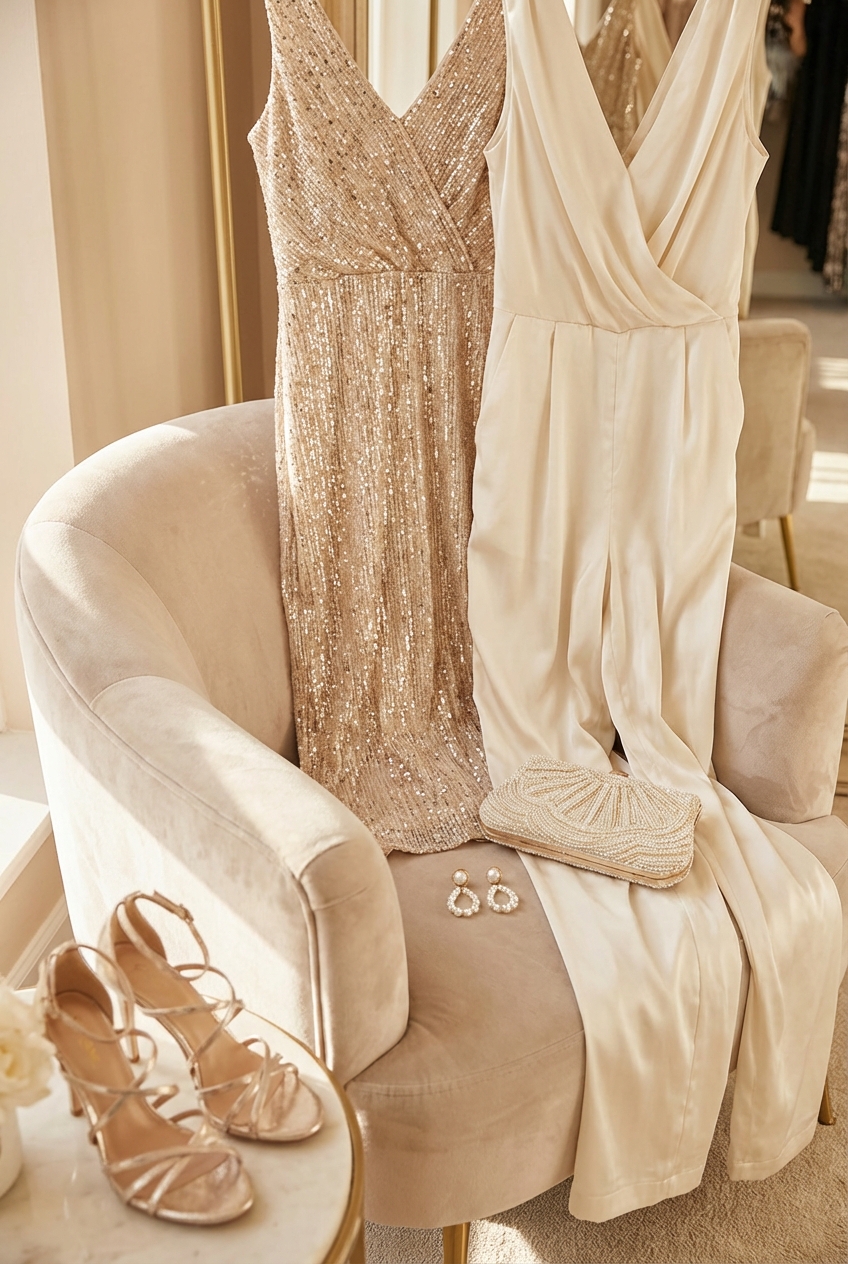
Glam Statement Outfits For Bridal Rehearsal Dinners Dazzle Before The Big Day
The rehearsal dinner is the unsung hero of the wedding weekend. It is the moment when the logistical chaos fades, the intimate circle gathers, and the reality of the celebration finally sets in. For many of my clients, this event actually offers more sartorial freedom than the wedding day itself because you aren’t bound by the strict traditions of a ceremony gown.
As a fashion stylist, I always advise brides to treat the rehearsal dinner as their high-fashion runway moment. This is your opportunity to wear the silhouette, fabric, or color that was just a little too bold for the altar but perfectly captures your personal style. Whether you want to channel old Hollywood glamour or modern architectural chic, the goal is to set the tone for the upcoming festivities.
However, navigating the balance between “statement piece” and “wearable for four hours of dining” requires a strategic eye. If you need visual inspiration immediately, you can find our curated Picture Gallery at the end of the blog post. Let’s break down the mechanics of creating a rehearsal look that dazzles without looking like a costume.
1. Matching the Outfit Architecture to the Venue
The most common mistake I see brides make is ignoring the “scenography” of their venue. In fashion, context is everything. An outfit that looks stunning in a ballroom might look disjointed in a rustic vineyard setting. You want your look to harmonize with the environment while still ensuring you are the focal point of the room.
If your rehearsal dinner is in a dimly lit, upscale steakhouse or a city loft, you need structure and sheen. Think sleek jumpsuits with sharp lapels or column dresses in heavy crepe or satin. The clean lines of the architecture should be mirrored in your garment. In these settings, you want fabrics that catch the ambient city light, like charmeuse or fabrics with subtle metallic threading.
Conversely, for outdoor or garden venues, you need movement. A stiff, structured brocade dress can look heavy and out of place against a backdrop of nature. Instead, opt for chiffon, organza, or soft tulle that catches the breeze. The rule of thumb here is “soft edges.” If the background is organic, your hemline and silhouette should have fluidity.
Designer’s Note:
One specific issue I encounter often is floor treatment. If your venue has historic hardwood floors or cobblestones, do not wear a floor-sweeping hemline. It will pick up dust and debris within 15 minutes. For these venues, I always recommend a “tea length” (hitting mid-calf) or a tailored ankle crop to keep the look pristine.
2. The Mechanics of the Silhouette
Creating a glam statement isn’t just about sparkles; it is about proportion and fit. When we style high-end shoots, we focus heavily on the “rule of thirds.” You never want your outfit to cut you exactly in half visually. A high-waisted wide-leg pant paired with a fitted bustier creates a 2/3 to 1/3 ratio that elongates the legs and looks incredibly chic.
If you are choosing a mini-dress for a “party vibe,” balance is the key to keeping it elegant. If you expose the legs, consider a higher neckline or long sleeves. This creates a sophisticated tension between modesty and allure. A long-sleeve, high-neck mini dress covered in sequins is one of the most powerful silhouettes a bride can wear.
For jumpsuits, the torso measurement is the critical fail point. Many off-the-rack jumpsuits have a standard torso length that can result in an unflattering fit in the crotch or shoulders. When fitting a jumpsuit, sit down in it immediately. If the fabric pulls tight across the shoulders or rides up significantly, you need to size up and have the waist tailored in. Comfort during a three-course meal is non-negotiable.
Common Mistakes & Fixes:
- Mistake: Buying a dress that fits the waist but pulls at the hips.
- Fix: Always buy for your largest measurement. It costs approximately $40–$60 to take in a waist, but it is impossible to let out a seam allowance that doesn’t exist.
- Mistake: Sleeves that restrict movement.
- Fix: Test your “hugging range.” You will be hugging dozens of people. If you can’t raise your arms to shoulder height, the dress will be a nuisance.
3. Fabric Selection and Lighting
Interior lighting dictates how your outfit performs. Rehearsal dinners are often held in evening light, which is warmer and softer than daylight. This is where texture becomes your best friend. Flat fabrics like matte cotton or simple polyester blends can look dull in low light. You need materials that manipulate light.
Sequins, beading, and pearls are natural choices for “glam,” but they add physical weight to the garment. If you choose a fully beaded gown, ensure it has a proper internal structure (like a grosgrain waist stay) to support the weight so it doesn’t drag down on your shoulders. A heavy beaded dress without support will exhaust you before the night ends.
Silk and satin are stunning but unforgiving. They show every drop of water and every crease. If you love the look of silk but fear the wrinkles, look for a “hammered silk” or a silk-wool blend. These retain the luster but have enough structural integrity to resist creasing when you sit for speeches.
What I’d do in a real project:
If I am styling a bride who loves the “liquid look” of satin, I always recommend a bias-cut skirt. The fabric is cut at a 45-degree angle, allowing it to drape over the curves naturally without bunching. It offers that high-glamour sheen while providing significant comfort and stretch without using spandex.
4. Statement Accessories: Scale and Placement
To achieve a truly “glam” look, accessories must be intentional, not an afterthought. The rule of scaling is crucial here. If your dress has a busy pattern, heavy texture, or feathers, your jewelry should be minimal and geometric. Let the dress speak.
However, if you are wearing a sleek, solid-color column dress or jumpsuit, this is where you deploy “architectural jewelry.” A pair of shoulder-grazing chandelier earrings can transform a simple white dress into a red-carpet moment. The rule of spacing suggests that if you wear large statement earrings, you should skip the necklace to avoid visual clutter around the neckline.
Handbags are functional props. For a rehearsal dinner, you need a clutch, not a shoulder bag. The clutch should be small enough to hold in one hand but large enough for a phone, lipstick, and mints. I prefer hard-case clutches in acrylic or metal for these events; they act like jewelry and don’t lose their shape in photos.
Pro-Level Accessory Rules:
- Necklines: For a deep V-neck, mirror the shape with a drop pendant. For a high neck or halter, focus entirely on earrings and bracelets.
- Metals: Don’t be afraid to mix metals, but keep the “finish” consistent. You can mix gold and silver if they both have a high-polish finish.
- Hair Accessories: A pearl-studded headband or a silk bow can replace jewelry entirely for a modern, feminine touch.
5. The Structural Engineering of Footwear
You will be standing for cocktails, walking to tables, and potentially moving to a different location for welcome drinks. Your shoes must be structurally sound. This is not the time for a 120mm stiletto unless you are a seasoned pro. The pitch of the shoe (the angle of the arch) determines your endurance.
I highly recommend a platform heel for rehearsal dinners. A half-inch platform under the toe reduces the “felt height” of the heel. If you wear a 4-inch heel with a 1-inch platform, your foot is only arched at a 3-inch angle, which is significantly more sustainable for a 5-hour event.
Consider the venue floor again. Stilettos are a hazard on grass, decking, or cobblestones. For these surfaces, a block heel is mandatory. Modern block heels come in lucite, crystal-embellished, or metallic leather options that look just as glamorous as a stiletto without the stability risk.
A note on hemline height:
If you are wearing a floor-length dress or trousers, the hem should hover exactly 0.5 inches off the ground when you are wearing your shoes. This prevents tripping and keeps the fabric clean, while still giving the illusion of a floor-grazing length.
6. Hair, Makeup, and Undergarments
The “glam” aesthetic falls apart if the foundation isn’t right. Undergarments are the scaffolding of your outfit. If you are wearing white (which 90% of my clients do), you must wear nude seamless underwear. “Nude” means a tone that matches your skin, not a generic beige. White underwear under white clothing will actually show through because it reflects light differently than your skin.
For shapewear, focus on smoothing rather than compressing. You need to eat and breathe. A high-waisted short is usually the best option as it smooths the hip line and prevents thigh chafing, which can be a lifesaver in warmer months.
Your beauty look should bridge the gap between your daily style and your wedding day drama. If you are wearing a heavily embellished outfit, keep the hair sleek and pulled back to elongate the neck. If your outfit is minimal and structural, a voluminous blowout adds softness and romance.
Finish & Styling Checklist
Before you head out the door for your rehearsal dinner, run through this final stylist check to ensure your look is camera-ready and comfortable.
The “What I’d Do” Checklist:
- The Sit Test: Sit in a dining chair for 2 minutes. Does the waistband dig in? Does the skirt rise dangerously high? Adjust now, not at the table.
- The Flash Test: Take a photo of yourself with flash on in a mirror. Check for any fabric transparency or unfortunate reflections.
- The Hemline Check: Ensure your pants or dress are not dragging. Use hem tape for a quick emergency fix if needed.
- Steam Perfection: Steaming is critical. Even a $5,000 dress looks cheap if it is wrinkled. Steam from the inside of the garment to avoid water spots.
- The Emergency Kit: Pack a tiny kit in your clutch: fashion tape, a safety pin, and a blister plaster.
FAQs
Can I wear a color other than white to my rehearsal dinner?
Absolutely. While white is traditional, many brides use the rehearsal dinner to wear “wedding colors” like pale blue, blush, or even bold metallic gold. Red is also becoming a popular power color for rehearsal dinners. If you do wear color, just ensure it doesn’t clash with the bridal party if they are also attending in specific colors.
How far in advance should I buy my outfit?
Aim for 3 to 4 months before the wedding. This leaves ample time for alterations. Tailoring usually takes 2 to 3 weeks, and you don’t want to be stressing about a hemline the week of your wedding.
Is it okay to change outfits during the rehearsal dinner?
Unless the event is incredibly long or transitions from a formal dinner to a casual welcome party, I advise against it. It removes you from your guests for 20-30 minutes. Choose one outfit that transitions well, perhaps by adding a jacket or changing earrings.
Conclusion
Your rehearsal dinner is the prologue to your wedding story. It sets the aesthetic temperature for the weekend and gives you a chance to shine in a way that feels personal and fashion-forward. Whether you choose a feathered mini-dress, a sleek tuxedo jumpsuit, or a liquid satin gown, the most important accessory is your confidence.
By focusing on the architecture of the fit, the quality of the fabric, and the practicality of your footwear, you can create a look that is as comfortable as it is glamorous. Remember, this night is about anticipation and joy. Dress the part, trust your styling choices, and enjoy the spotlight before the main event begins.
Picture Gallery


