
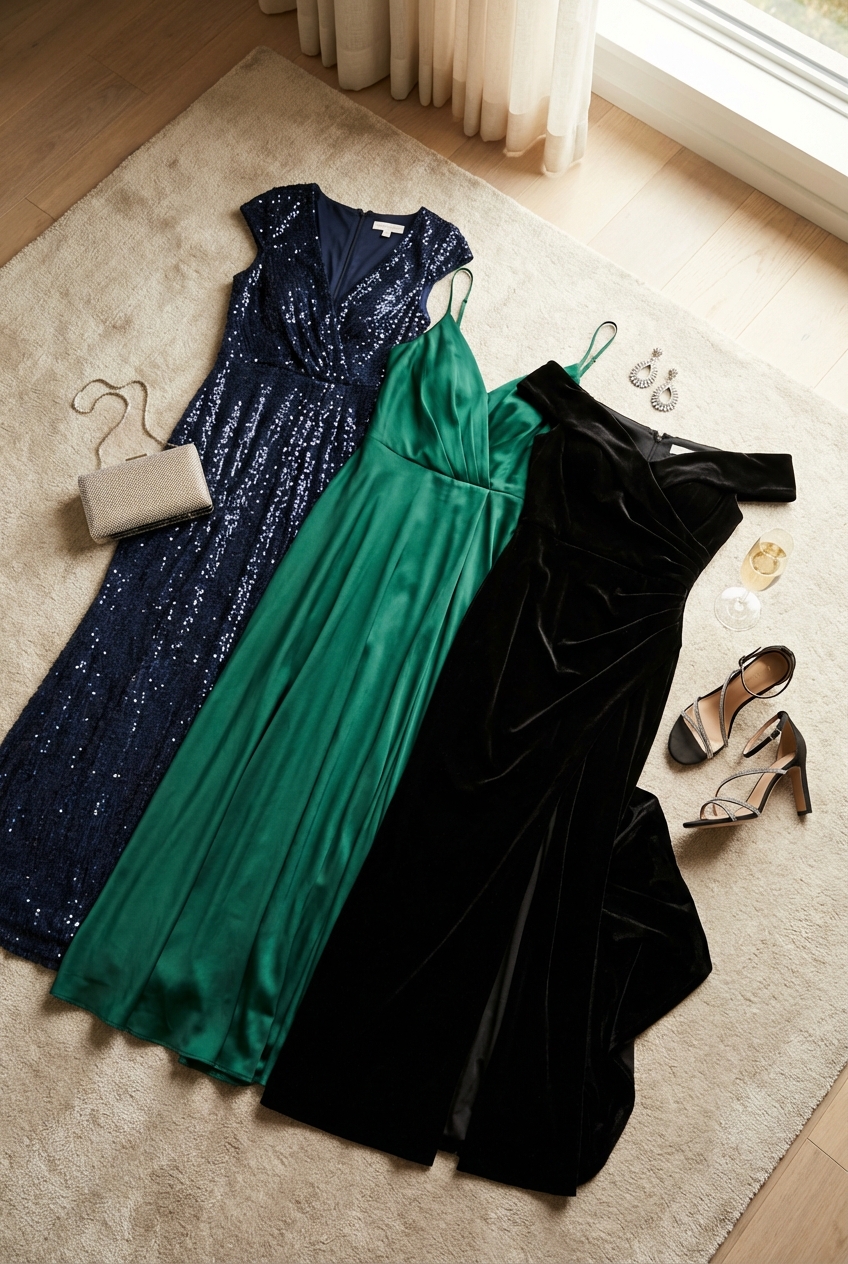
Glamorous Floor Length Dresses For Black Tie Weddings
Introduction
Receiving an invitation with the words “Black Tie” embossed on the card often triggers two immediate reactions. First, there is the thrill of an evening dedicated to high glamour, champagne, and the kind of elegance we rarely see in daily life. Second, there is the inevitable panic about what to wear. Unlike cocktail attire, where you can often get away with a sleek little black dress, black tie weddings demand a specific level of formality and grandeur that requires careful navigation.
I remember styling a client a few years ago who assumed a high-low sundress would suffice because it was expensive. We had to do a complete wardrobe pivot forty-eight hours before the ceremony to ensure she didn’t feel underdressed amidst a sea of tuxedos and floor-sweeping gowns. The goal is never just to fit in; it is to feel confident, comfortable, and respectful of the host’s vision while looking undeniably chic.
In this guide, I am breaking down everything you need to know about selecting the perfect floor-length gown, from fabric weights to the crucial rules of hemming. For visual inspiration on silhouettes and color palettes, make sure to check out the Picture Gallery at the end of the blog post.
Decoding the Black Tie Dress Code
The term “Black Tie” is one of the most misunderstood dress codes in modern fashion. Technically, it sits just below “White Tie” in formality, but for most weddings, it represents the pinnacle of dressing up. As a fashion expert, I define this strictly: your dress should graze the floor.
While some modern interpretations allow for a very fancy tea-length dress, sticking to a floor-length gown is the safest and most stylish bet. It elongates the body and immediately signals that you understand the assignment. However, length is only half the battle. The material is what truly dictates formality.
You want to look for fabrics that absorb or reflect light beautifully. Silk, crepe, velvet, chiffon, and high-quality tulle are excellent choices. Avoid cotton, linen, or casual jersey knits, as these materials rarely translate to formalwear, regardless of the cut. A simple column dress in heavy silk crepe will always look more expensive and appropriate than an intricate design made from a cheap, stiff polyester.
Selecting the Right Silhouette
Finding the right silhouette is about balancing your body’s natural architecture with the constraints of the event. A black tie wedding usually involves standing for cocktails, sitting for a multi-course dinner, and dancing. Your dress needs to accommodate all three.
The A-Line Gown
This is the universal donor of evening wear. It fits through the bodice and flows out gently from the waist. It is incredibly forgiving if you plan on enjoying the wedding cake.
- Expert Tip: Look for an A-line with a slit if the skirt is full. It adds movement and prevents the dress from looking too “bridal party.”
The Mermaid or Trumpet
These styles are fitted through the hip and thigh, flaring out above or below the knee. They create high drama and a stunning hourglass shape.
- Constraint Check: Before you buy, try sitting down. If the fabric doesn’t have at least 3% elastane or spandex, you might find yourself standing all night. Rigid mermaid gowns are notorious for being uncomfortable during dinner.
The Column Dress
Sleek, modern, and minimal. A column dress falls straight down from the shoulders or waist. It is perfect for a sophisticated, “less is more” aesthetic.
- Styling Rule: Because there is less volume, the fit must be impeccable. Any pulling at the hips will be obvious. Invest in seamless undergarments for this style.
Designer’s Note: The Volume Rule
One rule I always use with clients is the rule of opposing volume. If your dress has a voluminous skirt (ballgown style), keep the bodice sleek and fitted. If the dress is a slinky column or slip style, you can afford more volume or detail in the sleeves or neckline. This keeps the look balanced rather than overwhelming.
Fabric and Seasonality
The season of the wedding should heavily influence your fabric choice. A black tie wedding in July requires a different strategy than one in December, primarily for your own comfort.
Spring and Summer
For warmer months, look for chiffon, silk organza, or lightweight crepe. These fabrics breathe. There is nothing less glamorous than overheating in heavy satin during an outdoor ceremony.
- Color Palette: Pastels, soft metallics, and vibrant jewel tones like emerald or fuchsia work beautifully.
- Warning: Be careful with thin silk in high heat. It can show perspiration easily. Patterned or textured fabrics are safer bets for outdoor summer weddings.
Fall and Winter
This is the time for rich, heavy textures. Velvet is my absolute favorite for winter weddings; it photographs beautifully and keeps you warm. Brocade and heavy satin are also excellent choices.
- Color Palette: Deep burgundy, navy, midnight blue, gold, and black are staples.
- Layering: Winter weddings often require a transition from a chilly outdoor entry to a heated ballroom. Ensure your dress works with a sleek faux fur stole or a tailored cape.
The Crucial Art of Hemming
If you take only one thing away from this guide, let it be this: tailoring is what makes a dress look expensive. You can buy a designer gown, but if it bunches at the floor, it looks messy. Conversely, a budget-friendly find that has been perfectly hemmed looks high-end.
The “Skim” Rule
The ideal hemline for a floor-length dress should just skim the top of your toes. It should not drag on the floor (which is a tripping hazard and collects dirt), nor should it swing awkwardly around your ankles.
Stylist’s Note: The Shoe Lesson
I once had a client hem her dress while wearing bare feet, intending to wear 4-inch heels to the event. The result? The dress was four inches too short and looked like it had shrunk in the wash.
- The Fix: Never go to the tailor without the exact shoes you plan to wear. If you haven’t bought them yet, bring a pair with the exact same heel height.
- Measurement: Ask your tailor for a “break” of about 0.5 to 1 inch off the floor. This allows the shoe to peek through slightly when you walk, preventing you from stepping on the hem.
Undergarments: The Foundation of the Look
The structure of a black tie gown is rarely enough on its own. What you wear underneath dictates how the dress sits on your body.
Shapewear vs. Smoothing
You don’t always need high-compression shapewear. Often, a smoothing short is enough to ensure fabrics like jersey or silk don’t cling to skin texture.
- High Slits: If your dress has a thigh-high slit, traditional shapewear won’t work. Look for high-cut bodysuits or specialized thongs that won’t peek out when you walk.
- Backless Styles: Adhesive bras or “boob tape” are industry standards. Practice applying the tape a few days before the event to ensure you don’t have a skin reaction.
Common Mistakes + Fixes
- Mistake: Visible panty lines (VPL) under a crepe dress.
- Fix: Seamless, laser-cut edges are mandatory. Do not rely on lace or sewn hems.
- Mistake: A bra strap showing on a formal gown.
- Fix: If the dress cannot be worn with a strapless bra, have your tailor sew cups directly into the bodice. This costs very little and changes the entire silhouette.
Color Theory for Formal Guests
While black is the namesake of the dress code, it is certainly not your only option. In fact, wearing color can make you stand out in the best way possible.
Can You Wear Black?
Absolutely. It is chic, appropriate, and timeless. To keep it from looking like a funeral outfit, focus on texture—sequins, lace details, or an interesting neckline elevate a black dress to celebration status.
Can You Wear Red?
Old etiquette rules suggested red was too attention-grabbing. Modern fashion experts generally agree that red is fine, provided the silhouette is elegant rather than overtly sexy. Think “Hollywood Glamour,” not “Club Night.”
The “No-Go” Zone
Avoid anything that photographs white. This includes pale silver, barely-there champagne, or blush that looks white under flash photography. Unless the bride has explicitly asked guests to wear white, steer clear.
Accessories and Styling
Accessories are the punctuation marks of your outfit. For black tie, you want pieces that feel deliberate and polished.
The Bag
Leave the tote and the shoulder bag at home. You need a clutch or a small minaudière.
- Practicality: Ensure it fits your phone, lipstick, and mints. I love a hard-shell clutch in a metallic finish—it acts like a piece of jewelry.
The Jewelry
If the dress has a high neck or heavy embellishment, skip the necklace and opt for statement earrings. If the dress is a simple strapless style, this is your moment for a bold collar necklace or a delicate pendant stack.
What I’d Do in a Real Project
If I were styling a client in a navy velvet off-the-shoulder gown, I would pair it with crystal drop earrings, no necklace, and a silver metallic clutch. The bare neckline provides breathing room, while the earrings draw the eye up to the face.
Finish & Styling Checklist
Before you head out the door, run through this final checklist to ensure your look is flawless.
1. Steam, Don’t Iron
Formal fabrics like chiffon and silk scorch easily. Use a handheld steamer. If you are traveling for the wedding, steam the dress as soon as you arrive at the hotel.
2. The Sit Test
Put your dress and shoes on and sit down for 5 minutes. Does the waistband dig in? Does the slit open too high? Adjust accordingly.
3. Anti-Static Spray
There is nothing worse than a skirt clinging to your legs. Spray the inside of the skirt and your tights/legs with static guard.
4. Scuff Check
Check your heels. Scuffed shoes kill the vibe of a black tie look. A quick wipe or polish makes a huge difference.
5. Emergency Kit
Pack a few safety pins and a small strip of fashion tape in your clutch. Straps snap and hems fall—be prepared.
FAQs
Can I wear a dress with a split leg to a black tie wedding?
Yes, but keep it tasteful. The split should generally not go higher than mid-thigh. If you are constantly having to pull the dress together to avoid a wardrobe malfunction, the split is too high.
Is it okay to wear flats with a floor-length gown?
Yes! Comfort is key. However, the dress must be hemmed specifically for flats. If you wear a dress hemmed for heels while wearing flats, you will ruin the bottom of the dress and likely trip over it. Look for embellished flats or sleek pointed-toe styles.
Do I have to cover my shoulders in a church ceremony?
This depends on the specific church or culture of the couple. It is always a respectful gesture to bring a shawl or pashmina for the ceremony if your dress is strapless or backless. You can remove it for the reception.
Can I wear a jumpsuit instead of a dress?
Yes, a tailored, formal jumpsuit can be incredibly chic for black tie. Look for wide-leg silhouettes in luxe fabrics like crepe or silk. It should look like a gown when you are standing still.
Conclusion
Dressing for a black tie wedding does not have to be an exercise in stress. It is an opportunity to step outside your everyday wardrobe and embrace a version of yourself that is polished, glamorous, and ready to celebrate.
By focusing on the right fit, high-quality fabrics, and appropriate accessories, you will not only adhere to the dress code but also feel fantastic doing it. Remember, the best accessory you can wear is confidence—though a perfectly tailored hemline comes in a close second. Enjoy the champagne, dance the night away, and soak in the elegance of the evening.
Picture Gallery


