
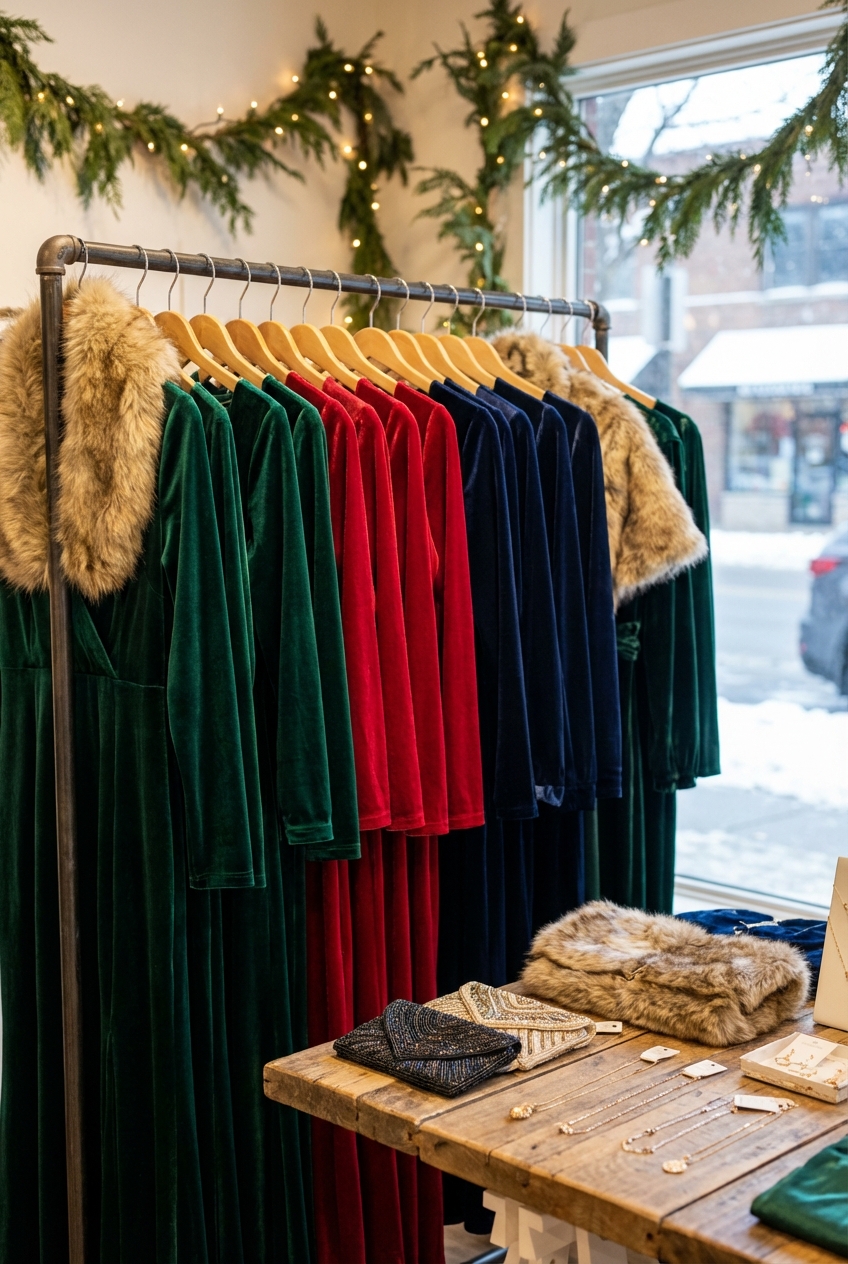
Glamorous Velvet Dresses For Winter Weddings
Introduction
Winter weddings present a unique sartorial challenge that summer nuptials simply do not. You have to balance the need for warmth with the desire for elegance, all while navigating unpredictable heating in venues and the chill of outdoor photo sessions. Early in my career as a stylist, I made the mistake of dressing a client in a thin chiffon gown for a December ceremony in Aspen; she looked beautiful for exactly three minutes before turning blue. Since then, I have championed heavy-weight, luxurious fabrics that work with the season rather than against it.
Velvet is the undisputed queen of winter fabrics. It offers a visual depth and tactile richness that flat fabrics cannot compete with. When you walk into a room wearing high-quality velvet, the fabric captures the ambient light—whether it is candlelight or dim chandelier glow—creating a natural luminescence that flatters every skin tone. Beyond aesthetics, it is practical. The dense pile creates an insulating layer, keeping you comfortable without requiring a bulky coat the entire evening.
Finding the perfect velvet piece requires more than just picking a color you like. You must understand pile direction, fabric composition, and how the weight of the material interacts with your body shape. If you are looking for visual inspiration, check out the complete Picture Gallery at the end of this blog post.
1. The Science of Velvet: Composition Matters
Not all velvet is created equal, and knowing the difference is the secret to looking expensive rather than costumey. In the fashion industry, we categorize velvet by its fiber content, which dictates how the dress drapes and breathes.
Silk Velvet (or Rayon/Silk Blends):
This is the gold standard for formal evening wear. Pure silk velvet is rare and incredibly expensive, so you will often find blends. A typical high-end blend is around 80% rayon and 20% silk. This fabric is fluid, almost liquid-like. It does not hold a stiff shape but rather skims the body. It is the most breathable option, making it ideal if you plan on dancing all night.
Cotton Velvet:
If you want structure, look for cotton velvet. It is thicker, heavier, and has a more matte finish than silk blends. I often recommend this for A-line dresses or tailored suits where you want the garment to hold its shape against the body. It is less formal than silk but significantly more durable.
Synthetic Velvet (Polyester/Stretch):
Do not immediately dismiss synthetic blends. Modern high-quality polyester velvet often includes Spandex or Elastane, providing necessary stretch. For a fitted column gown or a mermaid silhouette, you need that synthetic stretch component to sit comfortably. The key is to check the “GSM” (grams per square meter) if listed, or feel the weight. It should feel heavy and dense, not sheer or flimsy.
Designer’s Note:
A common issue with velvet is “seat shimmer.” This happens when you sit for long periods, and the heat and pressure crush the pile, leaving a shiny mark on your rear. To prevent this, I always advise clients to choose a velvet with a dense, resilient pile and to smooth the skirt down with their hands before sitting.
2. Selecting the Right Silhouette for Heavy Fabric
Velvet has visual weight. This means it adds bulk to the figure simply by texture. Therefore, the silhouette you choose must counteract this heaviness to maintain a balanced look. The goal is to look statuesque, not swamped.
The Deep V-Neck:
Because velvet is so dense, you need to break up the block of fabric with skin exposure. A deep V-neck creates a vertical line that elongates the torso. This is especially important for petite women who might otherwise feel overwhelmed by a full-coverage velvet gown.
The Wrap Dress:
This is the most forgiving cut for velvet. The overlapping layers allow you to adjust the fit at the waist. In my styling projects, I find that a velvet wrap dress handles weight fluctuations beautifully. The diagonal line across the chest and the cinched waist create an hourglass shape that the thick fabric reinforces rather than hides.
Sleeve Length Logic:
Winter weddings are the perfect excuse for long sleeves. However, ensure the sleeves are fitted. A balloon sleeve in velvet can look very theatrical and add unnecessary width to the upper body. A slim, tapered sleeve that hits exactly at the wrist bone is the most elegant choice.
Common Mistakes + Fixes:
- Mistake: Choosing a dress with excessive ruching in the wrong places.
- Fix: Velvet naturally highlights curves because light hits the high points and shadows fall in the folds. Use ruching strategically across the stomach or hips if you want camouflage, but avoid it on areas you want to minimize.
3. Color Theory and Lighting
Lighting at winter weddings is typically artificial and low—think amber uplighting, candles, and fairy lights. Velvet responds to this lighting differently than any other fabric. The “nap” (the direction the fibers stand) absorbs and reflects light, changing the color perception.
Jewel Tones are Non-Negotiable:
Deep, saturated colors are the safest and most striking bet. Emerald green, sapphire blue, deep burgundy, and plum are industry standards for a reason. These colors have enough pigment depth to not look washed out under flash photography.
The Black Velvet Debate:
Black velvet is timeless, but it can sometimes photograph as a black void, losing all detail. If you choose black, look for a dress with interesting structural details—like a slit, an open back, or a unique neckline—to give the eye something to focus on.
Avoid Light Pastels:
I generally advise against pale pink, champagne, or silver velvet for guests. Light-colored velvet tends to show every crease, wrinkle, and crushed spot in the pile. It can look messy within an hour of wear. Furthermore, light velvet can inadvertently look like bridal wear or loungewear if not tailored perfectly.
What I’d Do in a Real Project:
If I am dressing a client for a black-tie evening wedding in December, I almost always reach for Midnight Blue over Black. It reads as a neutral but reflects light with a subtle sheen that makes the skin look more radiant than harsh black does.
4. Fit and Tailoring Constraints
Tailoring velvet is notoriously difficult. If you buy a dress off the rack, you must understand the limitations of altering this fabric. This is crucial for managing your budget and timeline.
Needle Marks are Permanent:
Unlike woven cotton or wool where you can let out a hem and steam away the old stitch line, velvet shows needle holes forever. If you let out a seam, the old holes will be visible. Therefore, you can only take velvet in, never let it out. Always buy the size that fits your widest measurement and tailor down.
Hemming Challenges:
You cannot simply fold up and stitch a velvet hem; it will be too bulky. A professional tailor will use a “faced hem” (using a thinner fabric on the inside) or a blind stitch by hand. Expect to pay a premium for velvet alterations—usually 20-30% more than standard fabrics.
The “Graze” Rule:
For floor-length velvet gowns, the hem should just barely graze the top of your shoe’s toe box. It should sit about 0.5 to 1 inch off the floor. If it drags, velvet acts like a mop. It picks up dust, lint, and moisture from the floor instantly, creating a dirty, matted rim at the bottom of your dress.
5. Undergarments and Foundation
Because velvet is heavy, many women assume it hides everything. This is a misconception. While it hides skin texture, it can cling to the lines of undergarments. The friction between the velvet pile and your underwear can cause “crawling,” where the dress rides up as you walk.
Smoothness Over Compression:
You do not necessarily need heavy shapewear. Instead, prioritize seamless, laser-cut edges. The ridge of a standard bra strap or panty line will show through stretch velvet clearly.
The Slip Solution:
If your velvet dress is unlined (common in mid-range brands), you must wear a full slip. A silk or synthetic slip prevents the velvet from sticking to your tights or legs. This ensures the dress hangs properly and sways when you move, rather than bunching up between your thighs.
Hosiery Considerations:
Winter weddings require tights. With velvet, choose sheer black or ultra-sheer nude hose. Opaque tights can look too heavy when paired with the already heavy velvet fabric. The contrast between the dense dress and the sheer leg creates visual balance.
6. Styling Accessories: Texture Play
The rule of thumb for styling velvet is “contrast.” Since your dress is soft and light-absorbing, your accessories should be hard and light-reflecting.
Shoes:
Never wear velvet shoes with a velvet dress. It is too much of the same texture. instead, opt for:
- Patent Leather: The high shine contrasts beautifully with the matte depth of velvet.
- Metallic Leather: Gold or silver strappy sandals (if indoors) or closed-toe pumps add a festive, glamorous touch.
- Satin: A classic choice that offers a different type of sheen.
Jewelry:
Velvet is opulent, so your jewelry needs to stand up to it. Delicate, thin chains often get lost visually against the plush fabric.
- Earrings: Go for statement crystal or diamond drops. The sparkle is necessary to bring light to the face.
- Necklaces: If you are wearing a V-neck, a simple pendant is fine. If you have a high neck, skip the necklace and focus on earrings and bracelets.
- Metals: Gold tends to warm up jewel tones (emerald, burgundy), while silver looks crisp against midnight blue and black.
Outerwear:
This is where many outfits fail. Do not wear a puffer coat over a formal velvet gown. A faux fur stole or a structured wool cape is the best option. The fur adds a different type of softness, while the wool offers a matte contrast. Ensure the coat is lined with satin so it slides over the velvet without creating friction.
Finish & Styling Checklist
Before you head out the door, run through this final check to ensure your look is polished and practical for the event duration.
- Lint Check: Velvet is a magnet for dust and pet hair. Keep a sticky roller in your clutch or car. Do this right before walking into the venue.
- Static Guard: Spray the inside of your dress and your tights with anti-static spray. Winter air is dry, and static cling can ruin the drape of a skirt.
- Steaming: Never touch an iron to velvet. If you have wrinkles, use a handheld steamer from the inside of the garment, or hang it in a steamy bathroom.
- Shoe Grip: If you are wearing new heels, scuff the bottoms. Winter floors can be slippery, and you want stability.
- Makeup Seal: Velvet reflects warmth, which can sometimes make you feel warm. Use a good setting spray to prevent makeup meltdown if the dance floor heats up.
FAQs
Can I wear velvet to a daytime winter wedding?
Yes, but keep the silhouette simple. A velvet midi dress or a velvet suit is appropriate for daytime. Save the floor-length gowns with trains for evening black-tie events.
Is crushed velvet acceptable for formal weddings?
Generally, no. Crushed velvet has a more casual, “boho” vibe. For a formal wedding, stick to smooth, erect-pile velvet. It photographs better and looks more sophisticated.
How do I get wrinkles out if I travel with the dress?
Hang the dress high up as soon as you arrive. Gravity helps pull wrinkles out of heavy fabric. If you must steam, hover the steamer 2-3 inches away from the fabric. Never press down.
Can I mix velvet with sequins?
Absolutely. This is a very festive combination for New Year’s Eve weddings. A velvet dress with sequin embellishments or a sequin clutch paired with a velvet dress is a high-impact, glamorous look.
Conclusion
Choosing a velvet dress for a winter wedding is a power move. It signals that you understand the season, the formality, and the importance of comfort. By focusing on the right fit, the correct underwear, and contrasting accessories, you elevate a simple fabric into a cohesive, high-fashion look. Remember that confidence is the final accessory; velvet is a bold fabric, so wear it with intention and posture.
Picture Gallery


