
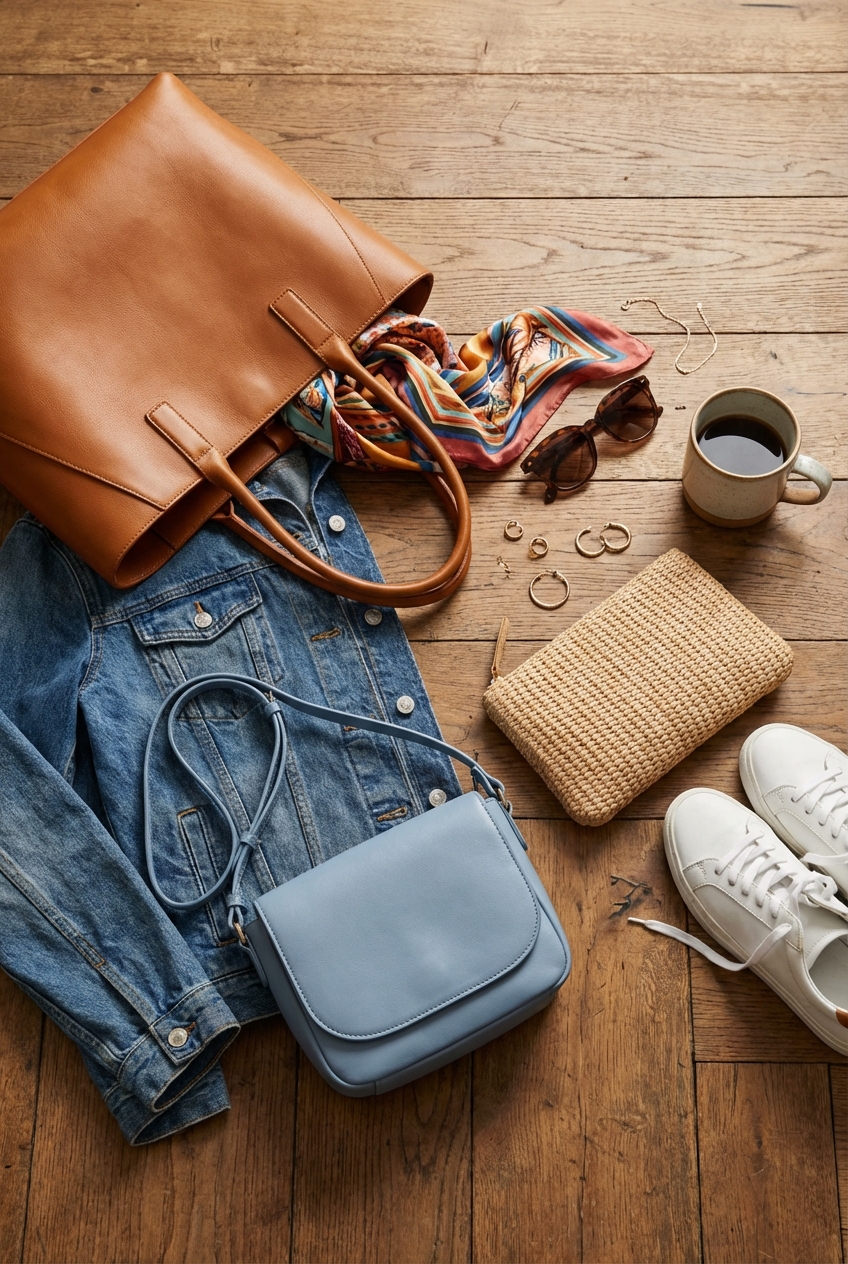
Handbag Highlights Must Have Bag Styles And How To Wear Them
I still remember the first time I realized a handbag was more than just a vessel for my keys and wallet. I was styling a client who was wearing a simple white t-shirt and vintage denim, a look that felt flat and unfinished on its own. We swapped her canvas tote for a structured, top-handle bag in a rich cognac leather, and the entire energy of the outfit shifted from “running errands” to “polished intention.”
Accessories are the architecture of a wardrobe, and your handbag is the cornerstone that holds the aesthetic together. It is about understanding scale, silhouette, and the interplay of textures against your body. Choosing the right bag requires the same detailed eye used to select a sofa for a living room; it must be functional for your lifestyle while elevating the visual landscape.
In this guide, I will break down the essential shapes every curated closet needs and the technical rules for styling them. Check out the Picture Gallery at the end of the blog post for visual inspiration on how to wear these iconic shapes.
1. The Structured Tote: The Daily Architect
The structured tote is the workhorse of the modern wardrobe. Unlike slouchy shoppers that collapse when set down, a structured tote maintains its shape, offering a sense of order and professionalism. This is the bag that says you mean business, whether you are heading to a boardroom or a client site visit.
From a functional perspective, look for rigid materials like Saffiano leather, box calf, or heavy canvas with leather trim. The bottom should always have metal feet to protect the material when placed on the floor. I always advise clients to measure the handle drop—the distance from the top of the handle to the top of the bag—to ensure it slides easily over a winter coat.
Styling Rules of Thumb
- The Proportion Rule: If you are petite (under 5’4″), avoid totes wider than 14 inches, as they will overwhelm your frame. If you are tall, a micro-tote will look like a toy; go for substantial width.
- The Outfit Formula: Pair this architectural shape with softer silhouettes to create balance. A silk blouse and wide-leg trousers work beautifully because the bag adds the necessary rigidity to the flowy fabric.
- Color Theory: For your primary tote, stick to neutrals like black, taupe, navy, or caramel. These anchor your look and provide a calm focal point.
Designer’s Note: The most common issue with totes is weight. A quality leather tote can weigh 2-3 pounds completely empty. If you commute via walking or public transit, prioritize a coated canvas option to save your shoulders, or ensure the strap width is at least one inch to distribute the weight.
Common Mistakes + Fixes
- Mistake: Overstuffing the bag until the zipper warps or the sides bulge.
- Fix: Use a bag organizer insert. It protects the interior lining from pen marks and spills while maintaining the sharp exterior walls of the bag.
2. The Crossbody Camera Bag: Hands-Free Function
The camera bag is defined by its compact, rectangular shape and secure zipper closure. It is the ultimate essential for travel, weekend brunch, or any scenario where you need your hands free. It sits close to the body, creating a streamlined silhouette that doesn’t bulk up your hip area.
When selecting a crossbody, the strap is the most critical component. Adjustable straps are non-negotiable. You need the ability to shorten the strap for a high-chest carry (currently very trendy and secure) or lengthen it to sit at the hip bone for a classic look.
Styling Rules of Thumb
- Placement Logic: The bag should hit you at the narrowest part of your waist or just at the top of the hip. If it hangs below your hip, it drags your visual height downward, making you look shorter.
- Material Mix: This is a safe place to experiment with texture. A quilted velvet or embossed croc camera bag adds depth to a simple jean-and-blazer combination.
- Strap Coordination: Look for removable straps. Swapping a leather strap for a wide, webbing “guitar strap” instantly makes a dressy bag feel sporty and casual.
What I’d Do in a Real Wardrobe: I always ensure a client’s crossbody fits their “holy trinity”: a smartphone, a cardholder, and a set of keys. If you have to struggle to zip it, the bag is functionally useless. Bring these three items with you when shopping to test the capacity.
3. The Classic Flap Bag: The Day-to-Night Transition
The flap bag is perhaps the most recognizable symbol of luxury fashion. Characterized by a fold-over closure and often a chain strap, this style bridges the gap between casual and formal. It is versatile enough to wear with distressed denim for brunch and elegant enough to accompany a cocktail dress in the evening.
The mechanics of the chain strap are vital here. A convertible chain that can be worn long (single strap) or short (doubled up) doubles the wearability of the item. This versatility allows you to tuck the bag under your arm as a shoulder bag for a more formal vibe.
Styling Rules of Thumb
- Formal vs. Casual: A metal chain strap reads more formal (like jewelry), while a leather strap reads more casual. If you wear a lot of silver jewelry, try to coordinate the bag hardware to match, though mixing metals is acceptable if done intentionally.
- The Hold: For evening events, tuck the chain inside and carry it as a clutch. It instantly elevates the formality.
- Texture Play: If you are wearing a heavy print or pattern, opt for a smooth leather flap bag. If your outfit is monochromatic, a quilted or textured bag adds necessary visual interest.
Designer’s Note: Be wary of delicate lambskin if you are hard on your accessories. It scratches if you even look at it wrong. For a daily driver, caviar leather or grained calfskin is far more forgiving against keys and fingernails.
4. The Top-Handle Satchel: Vintage Femininity
The top-handle satchel is synonymous with ladylike elegance. It typically features a structured body, a flat bottom, and a single or double handle attached to the top. This bag requires you to carry it in the crook of your arm or in your hand, which changes your body language to be more poised and deliberate.
This style had a massive resurgence recently because it adds a vintage, cinematic quality to modern clothes. It creates a beautiful juxtaposition when paired with edgier items, like a leather moto jacket or combat boots.
Styling Rules of Thumb
- The Handle Drop: Ensure the handle drop is generous enough to clear your forearm comfortably, but not so large that it looks like a shoulder bag. 4 to 6 inches is usually the sweet spot.
- Accessory on Accessory: This is the best bag style for tying a silk scarf (twilly). Wrapping a patterned silk scarf around the handle not only protects the leather from hand oils but adds a pop of color to a neutral bag.
- Outfit Balance: Since the bag is very structured, avoid wearing it with overly boxy clothes. It looks best against tailored silhouettes or soft, feminine dresses.
Common Mistakes + Fixes
- Mistake: Trying to force a top-handle bag onto the shoulder. It looks awkward and sits too high, often digging into the armpit.
- Fix: Most modern satchels come with a detachable shoulder strap. Keep it rolled up inside the bag. Only attach it when you truly need to be hands-free; otherwise, let the top handle shine.
5. The Statement Clutch: Evening Architecture
The clutch is purely about aesthetics and essentials. Without straps to break up the line of your body, the clutch becomes a focal point held against your silhouette. Whether it is a hard-shell minaudière or a soft, oversized pouch, this bag is for occasions where utility takes a backseat to style.
In recent years, the “soft cloud” clutch has overtaken the rigid box clutch. These soft shapes feel modern and effortless. They are easier to hold under the arm and fit more than just a lipstick.
Styling Rules of Thumb
- The Grip: There are two ways to wear this. The “dainty grip” involves holding it from the bottom corner or top edge. The “football hold” involves tucking an oversized clutch firmly between your upper arm and ribcage. The latter is very chic for daytime looks.
- Scale Matters: For black-tie events, the clutch should be small and jewel-like. For dinner or a gallery opening, an oversized envelope clutch makes a stronger fashion statement.
- Fabric Choices: Satin and velvet are strictly for evening or winter holidays. Metallic leathers or acrylics work year-round and act as a neutral.
What I’d Do in a Real Wardrobe: I advise clients to buy a clutch in a metallic tone (gold, silver, or pewter) rather than a specific color. A metallic clutch will match 99% of your formal wear for the next decade, whereas a red or blue one will limit your options.
6. The Slouchy Hobo: Bohemian Sophistication
After years of rigid micro-bags, the slouchy hobo is back. This crescent-shaped bag is characterized by its soft, flexible materials that slump when set down. It hangs from the shoulder and molds to the body, making it incredibly comfortable to wear.
The key to wearing a hobo bag without looking sloppy is in the material quality. Because the shape is unstructured, the leather must be impeccable—think buttery suede or high-grade pebbled leather. If the material looks cheap, the whole bag looks like a gym sack.
Styling Rules of Thumb
- The Volume Check: Hobo bags can be voluminous. If you are wearing an oversized coat or a puffer jacket, a hobo bag adds too much bulk. Pair this style with streamlined clothing like a trench coat, a fitted turtleneck, or a column dress.
- Shoulder Stability: Look for a strap that is wide and flat. Rounded straps on hobo bags tend to roll off the shoulder constantly, which is a major annoyance.
- Vibe Check: This style leans towards the 70s. Lean into that aesthetic with flared denim, block heels, or shearling textures.
Finish & Styling Checklist
Before you head out the door, run through this quick mental checklist to ensure your handbag elevates your look rather than detracting from it.
- Hardware Harmony: Does the metal on your bag clash aggressively with your belt buckle or jewelry? While mixing metals is fine, they should look intentional, not accidental.
- Condition Check: Are the corners scuffed? Is the handle looking tired? A bag with worn corners drags down even the most expensive outfit. Use leather conditioner monthly.
- The Shake Test: If you can hear loose change or items rattling around, clean it out. A curated bag should be silent and organized.
- Strap Length: Adjust the strap before you leave. If you switched from a blazer to a t-shirt, you might need to tighten the strap an inch to get the placement right.
- Weather Appropriateness: Never take untreated suede out on a rainy day. Have a coated canvas or patent leather backup for inclement weather.
FAQs
How should I store my handbags to keep their shape?
Never hang your bags by their handles on a doorknob or hook; this stretches the leather and causes cracking. Store them sitting upright on a shelf. Stuff them with acid-free tissue paper or bubble wrap to maintain the structure, and keep them in their dust bags to prevent color transfer and dust accumulation.
Can I wear a black bag with brown shoes?
absolutely. The old rule of perfectly matching leathers is outdated. However, to make it look cohesive, try to have one other black element in your outfit (like a belt, sunglasses, or the buttons on your coat) to tie the bag into the narrative.
What is the most versatile bag color if I can only buy one?
While black is the default, a deep taupe or “greige” (gray-beige) is often more versatile. It works with black winter coats but doesn’t look too harsh against white summer linen. It is a true four-season shade.
How do I clean the inside of my bag?
Turn the lining inside out if possible and use a lint roller to remove crumbs and dust. for fabric linings, a slightly damp cloth with mild soap can spot clean stains. Always let it dry completely (air dry, no heat) before putting your items back in to prevent mold.
Conclusion
Building a handbag collection is not about acquiring the “It Bag” of the season; it is about gathering a toolkit of shapes that serve your lifestyle. When you have the right mix—a tote for work, a crossbody for weekends, and a clutch for evenings—getting dressed becomes significantly easier.
Remember that the way you carry the bag is just as important as the bag itself. Pay attention to strap lengths, handle drops, and how the material contrasts with your clothing. By following these rules of scale and styling, you ensure that your handbag is always a deliberate, harmonious part of your personal style.
Picture Gallery


