Capsule Wardrobe Color Palette: Add Pops to Neutrals
- Words by
- Julio Arco
- Published
- Reading
- 4 min
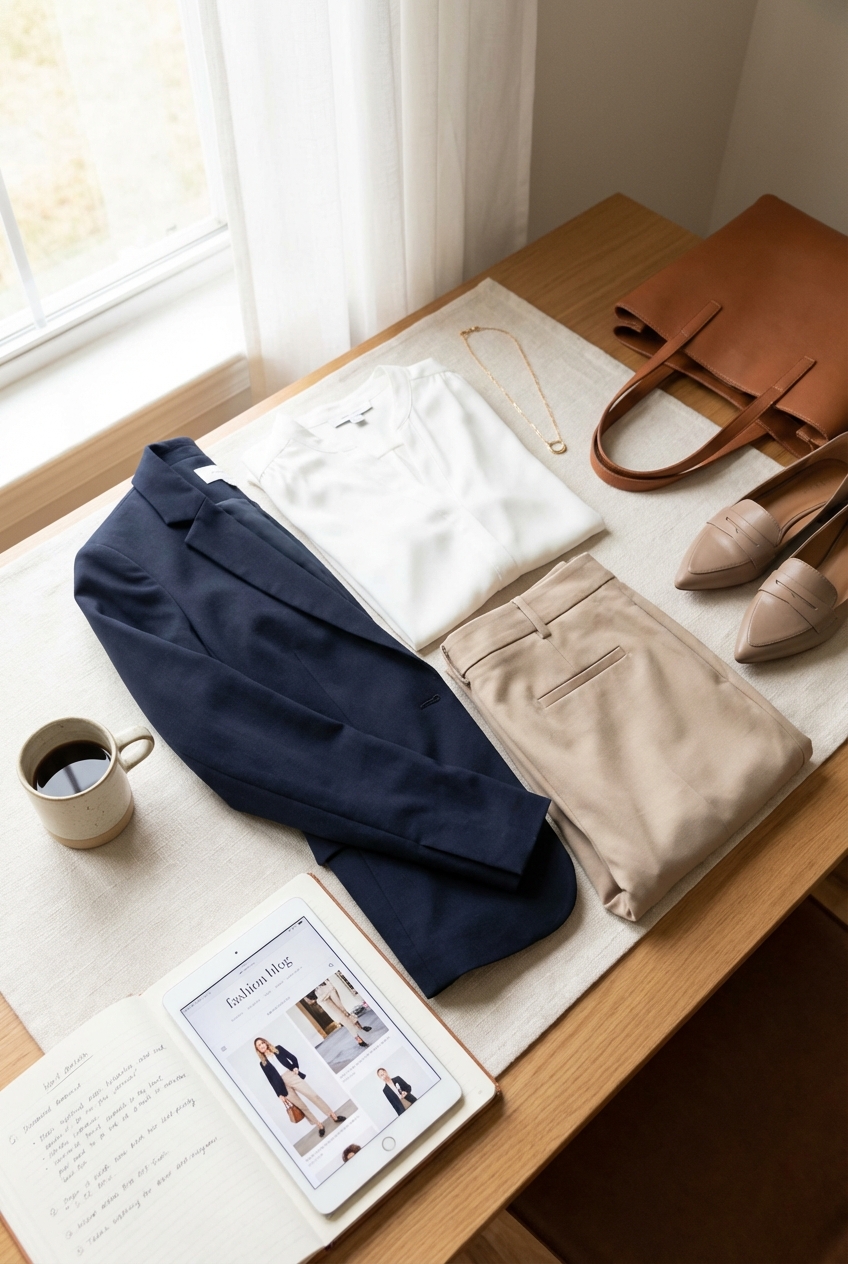
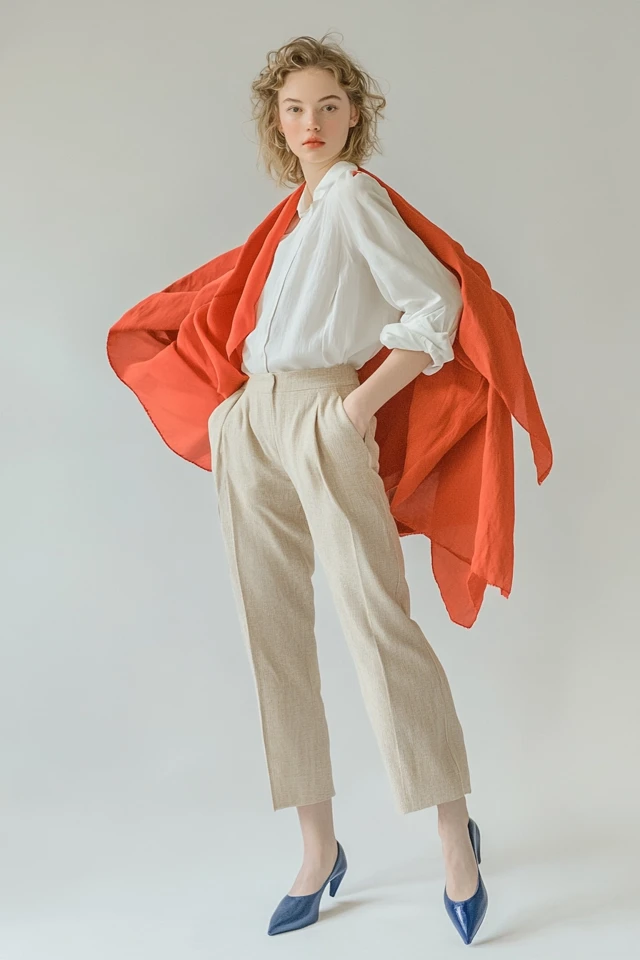
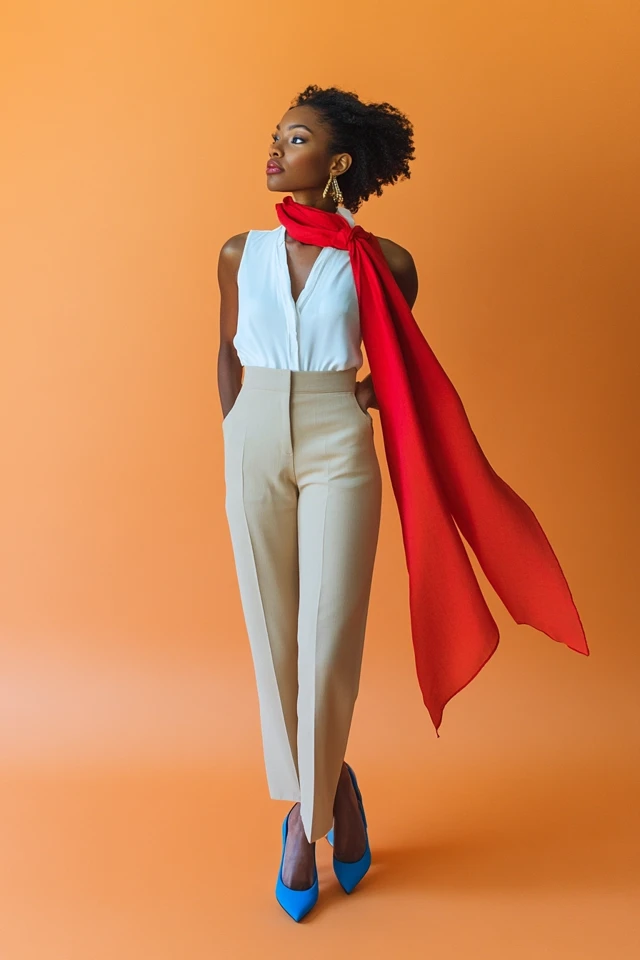
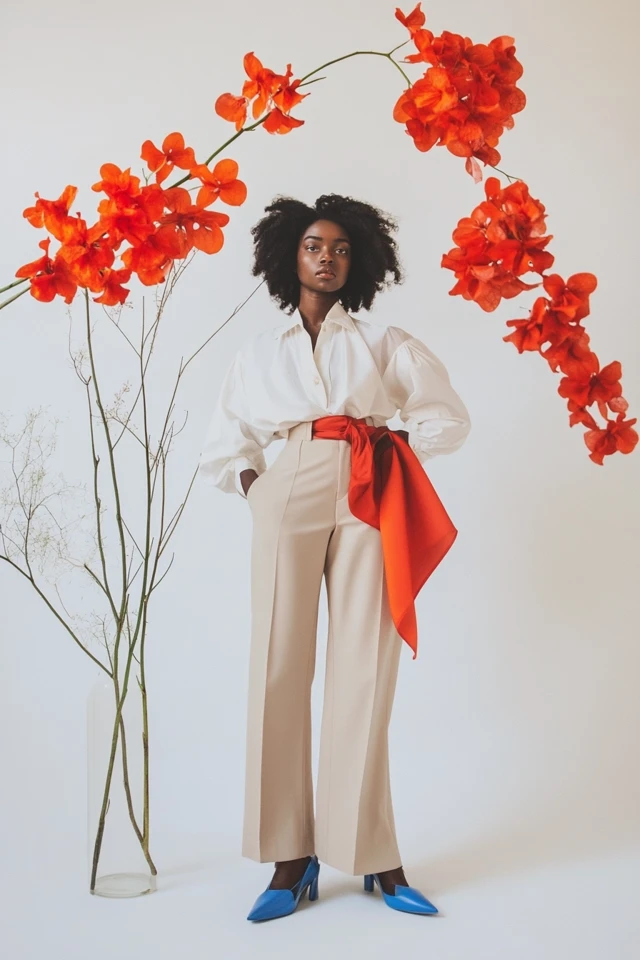
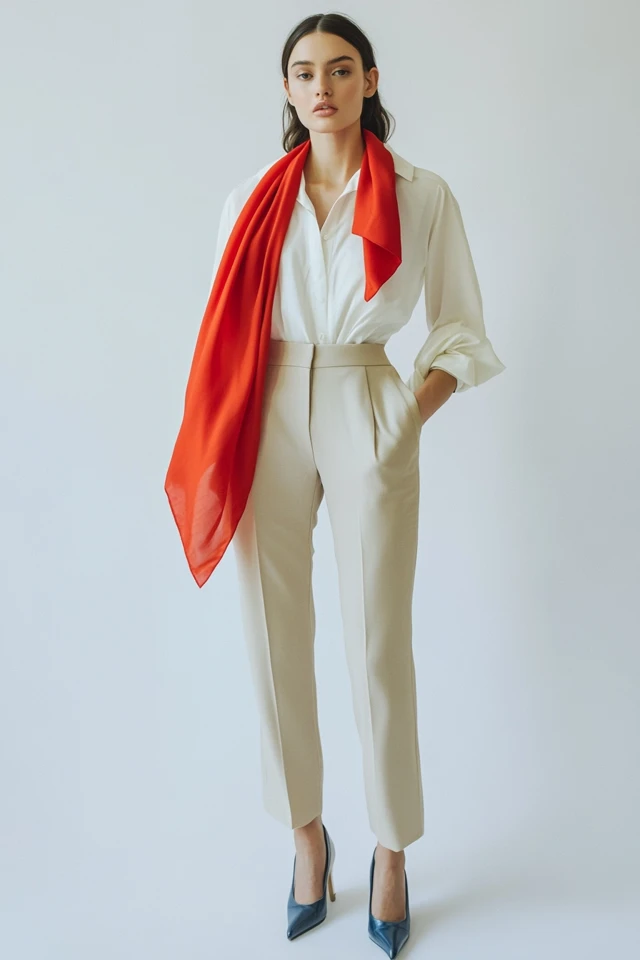
The simplest capsule wardrobe color palette is two or three neutrals (black, white, beige, gray or navy) plus one to three accent colors that you repeat across a few pieces. Keep neutrals for most of what you wear and let color show up in one item per outfit.
Below: how to choose the accents, where to put them, and how to check that everything still mixes.
How to choose a capsule wardrobe color palette
Start with the neutrals you already wear most. Look at your closet and notice which base shades you reach for without thinking. Those are your foundation, and your accents should be chosen to sit comfortably beside them.
Then pick one to three accents. Fewer is easier: each accent should work with every neutral you own, so a small set gives you far more outfit combinations than a scattered one. An example palette: black, white, beige and blush pink.
What colors to include in a capsule wardrobe
Think in layers. Neutrals carry the trousers, coats and basics. One or two softer colors (olive, lavender, dusty blue) can carry knitwear and tops. A single bolder shade, like red or cobalt, is for the accessories or one standout piece.
Match accents to your neutrals and your coloring
Undertone matters here. Earthy shades such as rust or olive sit naturally with beige and cream. Brighter, cleaner colors like red or cobalt look sharper beside black or navy. Mixing the two families can work, but it takes more care.
For a clothing color palette for skin tones, test by holding a garment near your face in daylight. If your skin looks tired or the color seems to float apart from you, try a deeper or softer version of the same hue. Through the lens of evidence-based design, I'd judge a color by how it reads next to your face, since that is where the eye lands first. Neckline pieces, scarves and earrings make this easy to test cheaply.
Where to add pops of color
Accessories
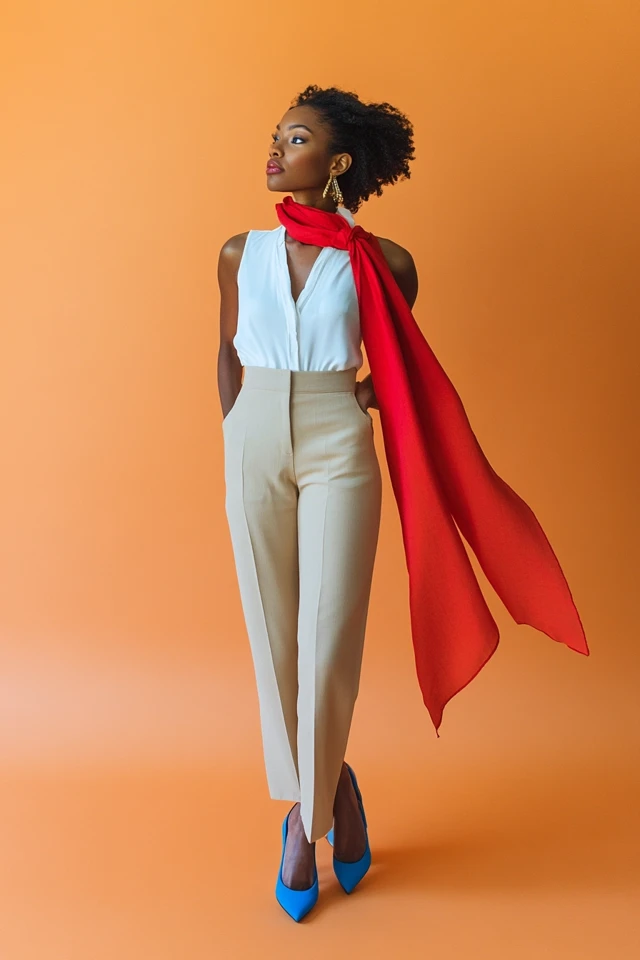
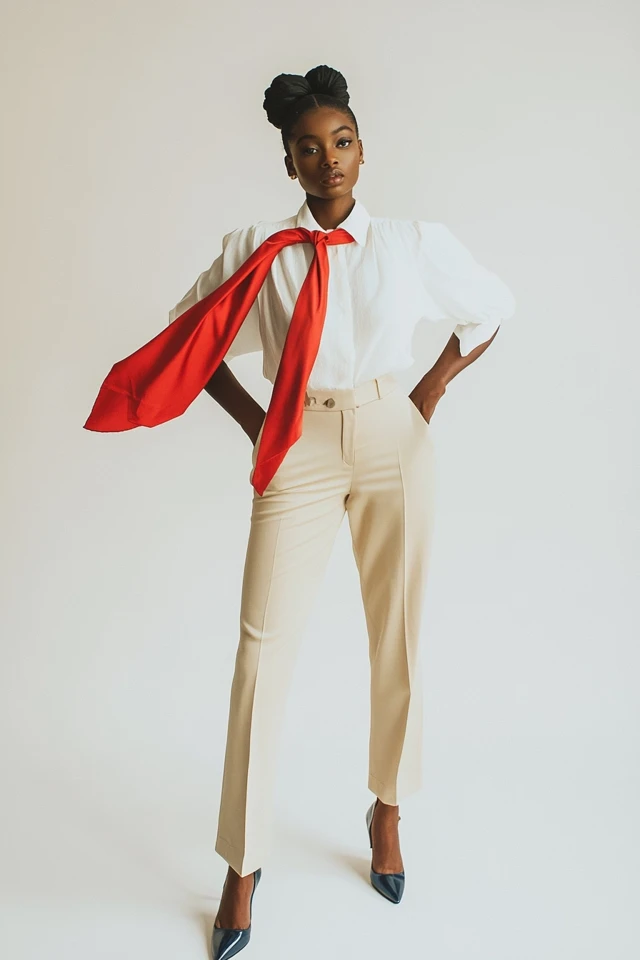
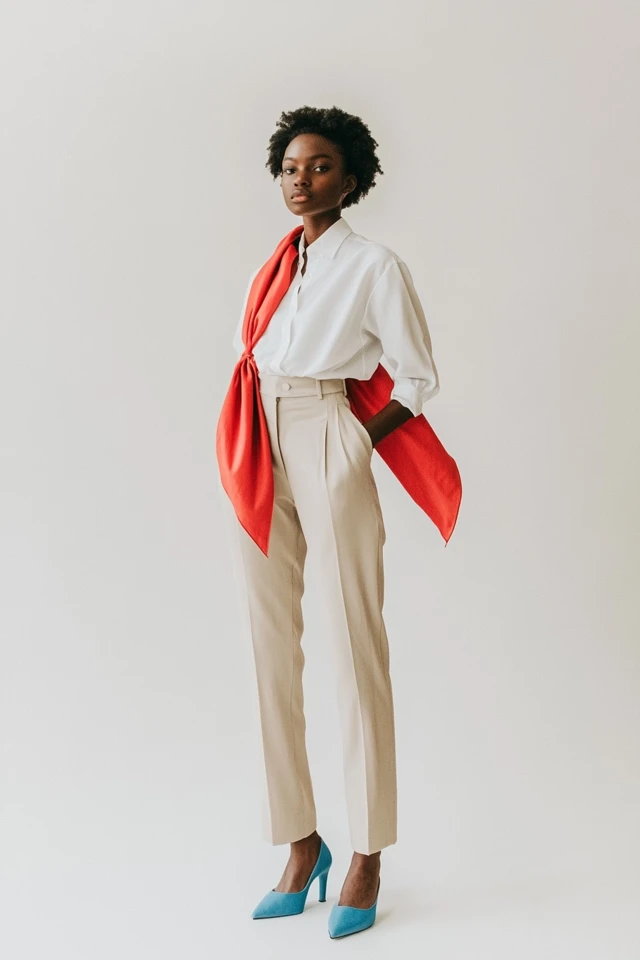
This is the lowest-commitment route. A coral scarf over a beige trench, a mustard bag with a black-and-white outfit, emerald earrings with a white blouse and jeans, or red flats with a navy dress all keep the clothes neutral and the color small.
Outerwear and tops
A red blazer over a white tee and black trousers is a clear focal point. A pastel pink coat over an all-gray outfit feels softer. For tops, teal, lavender or burgundy blouses go well with white trousers or dark jeans, and a mustard sweater warms up dark denim.
Bottoms and dresses
Burgundy or forest green trousers with a beige sweater read polished and office-friendly. A bright pleated skirt with a navy knit is more playful. For dresses, blush or sky blue is easy for everyday, and one bolder dress in red or magenta can cover special occasions.
Prints
A striped shirt with a hint of red or blue, a floral scarf or a small geometric print brings color in gently. Choose prints where the background is one of your neutrals so they still mix.

Which accent colors last
Red, emerald green and soft pastels such as lavender or baby blue are long-running choices: red for blazers, shoes or lipstick, emerald for tops or jewelry, pastels for spring and summer. Cobalt, burnt orange and fuchsia are popular right now. Burnt orange suits fall, and fuchsia is best kept to accessories or shoes so it is easy to retire.
If you want seasonal options, see how to add seasonal highlights to a capsule wardrobe, or for cold months, winter color pops.
Check that your palette is mixable
Use the one-pop rule: one colorful item per outfit, everything else neutral. A bright red scarf with a gray sweater, black jeans and neutral boots shows how it works.
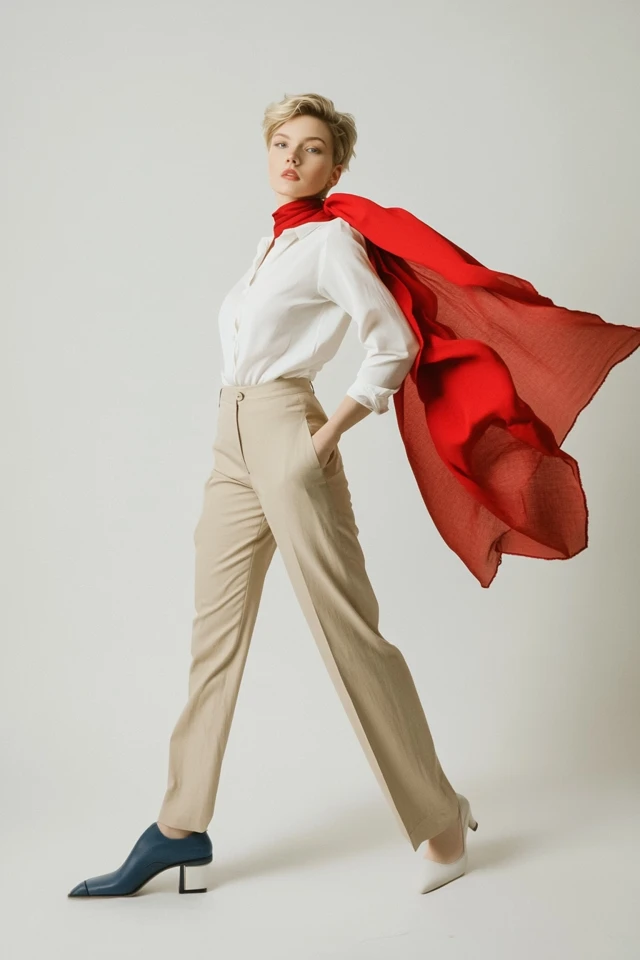
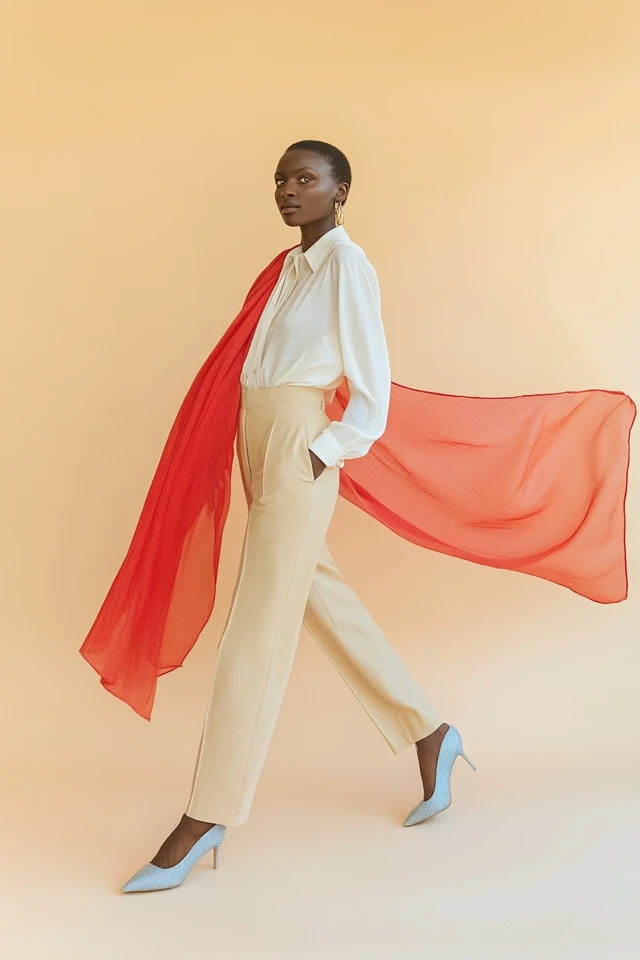
Before buying, picture the new piece with at least three things you own. If it only works with one, it is probably an outfit, not a capsule piece. A navy-and-white palette or a neutral color scheme gives you plenty of partners.
When deciding what to keep as you edit, the MSU Extension's Jasmine Harris-Speight suggests this test in its guide to reducing textile waste: "When deciding what to keep, ask yourself: Does this item hold a sentimental place in my heart? Will I miss this item if I get rid of it?"
Practical ways to start
- Begin with scarves, bags or jewelry if color is new to you.
- Add color through outerwear or a sweater that you can take off.
- Try one color head-to-toe if you like a bolder, still cohesive look.
- Use a lip or nail color as a low-commitment accent.
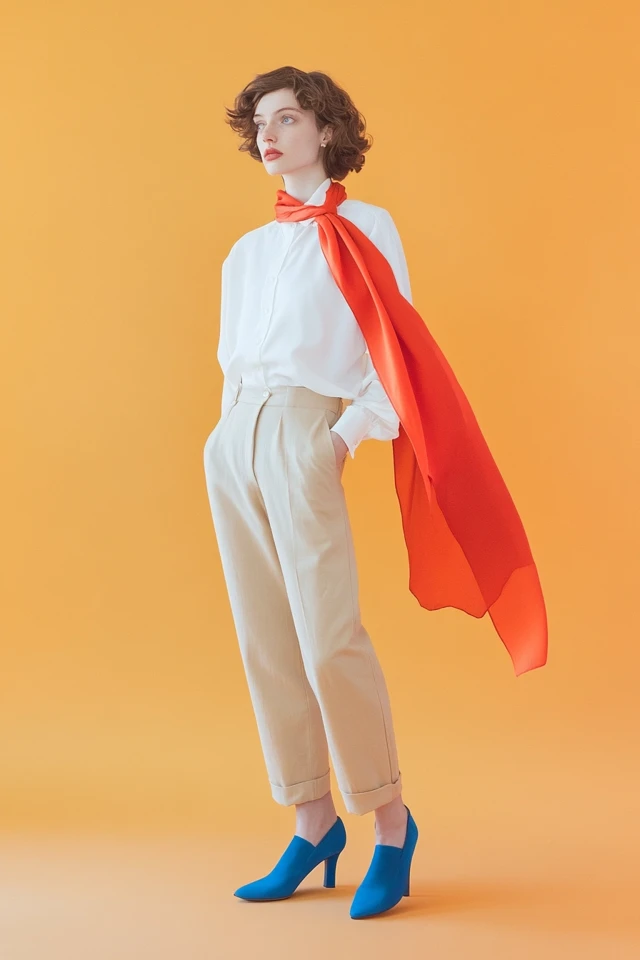
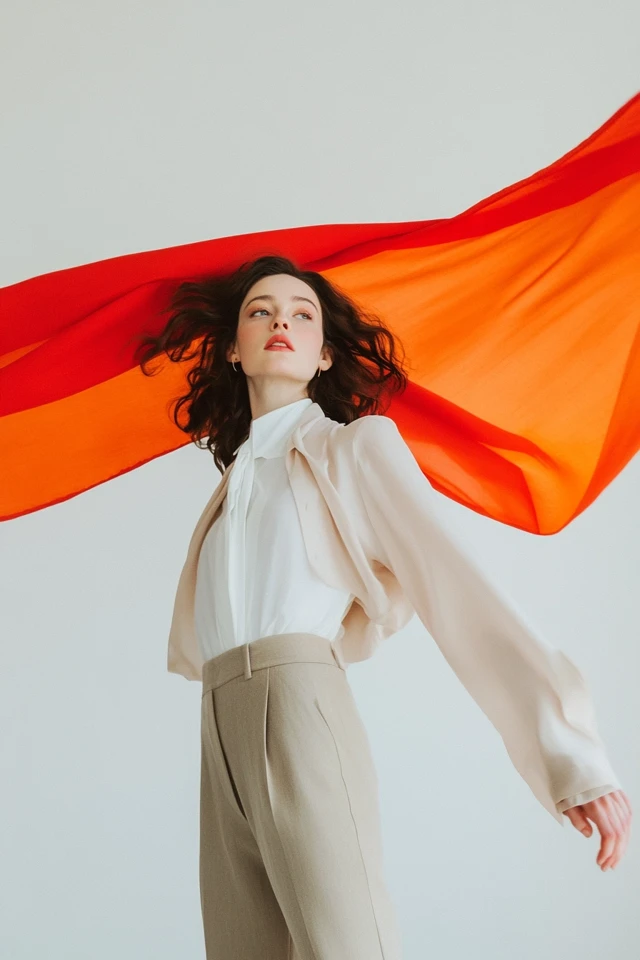
Texture also changes how an accent reads: a matte knit and a glossy satin in the same hue look different. See how to add texture to a capsule wardrobe for more.
Frequently asked questions
How to choose a color palette for a capsule wardrobe?
Pick two or three neutrals you already wear, then add one to three accent colors that work with all of them. Test each accent against your face in daylight and against at least three pieces you own.
What colors should I include in my capsule wardrobe?
Mostly neutrals such as black, white, beige, gray or navy, plus a softer color or two and one bolder accent. Choose accents you will repeat across several pieces.
Can I wear multiple pops of color in one outfit?
Yes, as long as the rest of the outfit stays neutral. A red bag with cobalt earrings over a beige dress is an example, though one pop is the easiest to balance.
What are the best colors for a beginner adding pops of color?
Soft or muted shades such as blush pink, olive green or lavender are easy to pair with neutrals and less noticeable than brights.
Filed under Capsule Wardrobe