
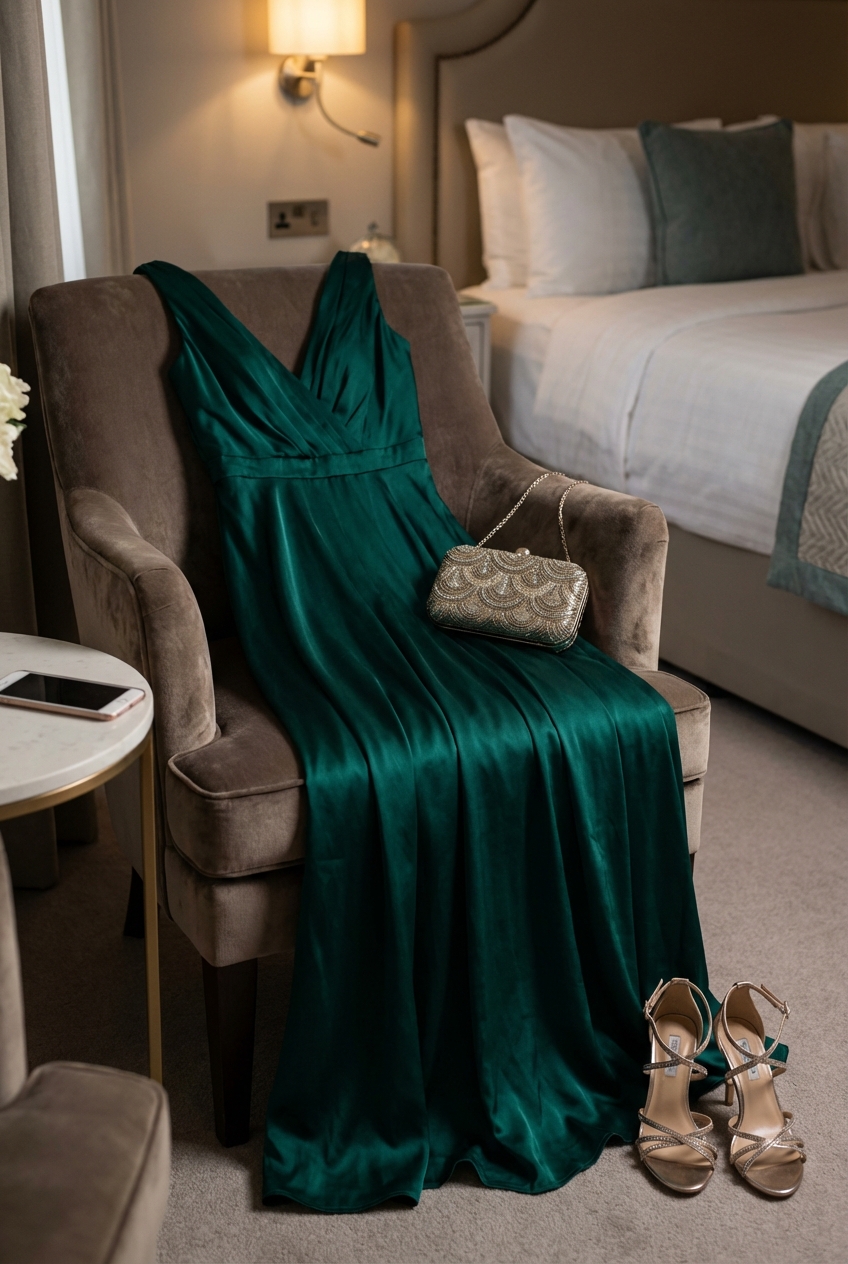
How To Style Purses With Evening Gowns
I recall a panic-stricken phone call from a client just two hours before a charity gala in Manhattan. She had the perfect emerald silk gown and flawless diamond earrings, but she was about to walk out the door carrying her daily leather tote because she simply hadn’t thought about the bag until that final moment. It is a scenario I see constantly: the dress is the star, and the purse is an afterthought that unfortunately has the power to downgrade the entire look.
Styling an evening gown requires a completely different mindset than daytime dressing. In daywear, your bag is a functional vessel for your life; in evening wear, your bag is strictly jewelry that happens to hold a lipstick. The transition from utility to ornamentation is where most people get stuck, often choosing pieces that are too heavy, too large, or made of materials that clash with delicate formal fabrics.
We are going to break down exactly how to pair purses with floor-length gowns to ensure your accessories elevate your elegance rather than weigh it down. If you are looking for visual inspiration to help you visualize these pairings, don’t forget to check out the Picture Gallery at the end of this post.
1. Mastering Scale and Proportion
The most critical rule in evening wear is that as the hour gets later, the bag gets smaller. A large bag disrupts the long, vertical line of a gown. When you are wearing a floor-length dress, your goal is to create an unbroken silhouette, and a bulky bag adds unnecessary visual width to your waist or hips.
I generally recommend that an evening bag should never be larger than two of your hands placed side-by-side. If you can fit a pair of flats in it, it is too big for a gown. The scale of the bag needs to respect the volume of the dress; a massive ballgown can overwhelm a tiny micro-bag, making it look like a speck, while a sleek column dress needs a streamlined clutch to maintain the linear effect.
You also need to consider your own frame. If you are petite, an oversized envelope clutch can look like a portfolio case, overwhelming your figure. Conversely, if you are tall and wearing a voluminous dress, a micro-mini bag might get lost entirely.
Designer’s Note: The “iPhone Test”
In my styling sessions, I use the “iPhone Test.” Your evening bag should fit your phone, a credit card, an ID, a lipstick, and a key. If it fits more than that—like a sunglass case or a full wallet—it is likely too large for a formal event. Force yourself to edit down your contents to keep the accessory petite.
2. Selecting the Right Silhouette
The shape of your bag should contrast or complement the structure of your gown. If you are wearing a very fluid, romantic chiffon dress with soft draping, a hard-shell minaudière (a small, decorative case) adds necessary structure and polish. The rigidity of the box clutch acts as an anchor to the softness of the fabric.
On the other hand, if you are wearing a highly structured architectural gown with stiff boning or heavy satin, you might opt for a softer pouch-style clutch or a velvet bag with a bit of give. This prevents the overall look from feeling too rigid or “boxed in.”
Common Mistakes + Fixes:
- Mistake: Wearing a slouchy, unstructured bag with a formal gown.
- Fix: Unless it is a deliberate “pouch” design (like a high-end woven leather clutch), avoid bags that collapse when set on a table. Formal bags should hold their shape even when empty.
- Mistake: Using a bag with a thick shoulder strap.
- Fix: If you must have a strap, it should be a delicate metal chain or a thin silk cord. Thick leather straps read as “sportswear” and will downgrade a gown instantly.
3. Coordinating Fabrication and Texture
The material of your purse communicates the formality of the event. Everyday leather—especially pebbled or distressed leather—is rarely appropriate for black-tie events. It absorbs light rather than reflecting it, which can make the accessory look dull against the sheen of evening fabrics like silk, taffeta, or velvet.
For evening gowns, look for materials that catch the light or offer rich tactile interest. Satin, silk, velvet, Lucite, metallics, and crystal embellishments are your best friends. These materials interact with the ambient lighting of a ballroom or dim restaurant, adding to the festive atmosphere.
Be careful with the interplay between your bag’s texture and your dress’s fabric. If you are wearing a delicate lace or tulle gown, avoid bags with pronged crystals or rough glitter finishes. I have seen catastrophic wardrobe malfunctions where a rhinestone bag snagged the hip of a silk dress, causing pulls and tears throughout the night.
What I’d do in a real project:
If the dress is heavily beaded or sequined, I choose a smooth bag (like velvet or plain satin) to give the eye a place to rest. If the dress is a solid crepe or matte silk, I reach for a fully beaded or metallic bag to act as the jewelry of the outfit.
4. The Hardware and Jewelry Connection
Hardware on an evening bag acts as jewelry. The clasp, the frame, and the chain strap should ideally coordinate with your actual jewelry, though they do not need to be a perfect match. Mixing metals is acceptable in modern fashion, but the style of the metal should align.
If you are wearing vintage Art Deco platinum jewelry, a bag with sleek, geometric silver hardware or chrome finishes will look cohesive. If you are wearing hammered gold statement earrings, look for a bag with warmer, brushed gold accents. The goal is to create a “family” of metals, even if they aren’t identical twins.
Pay close attention to the clasp mechanism. In a quiet theater or during a wedding ceremony, you do not want a bag that snaps shut with a loud “clack.” Magnetic closures or smooth clasps are often more discreet and practical for formal events.
5. Color Theory: Matching vs. Contrasting
There are two main schools of thought when choosing a bag color: tonal blending or high-contrast popping. Neither is wrong, but they achieve different effects. Tonal blending—choosing a bag in the exact same shade as your dress—elongates the figure and looks incredibly regal. This is a safe, sophisticated bet for mother-of-the-bride or highly formal state dinners.
Contrasting styling is more fashion-forward. This involves choosing a bag on the opposite side of the color wheel or using a metallic neutral. For a navy dress, a chartreuse or emerald green bag can look stunning. For a red dress, a hot pink clutch can feel modern and fresh.
The Neutral Trap:
Be wary of “nude” or beige bags. In evening wear, a matte beige bag often looks like you brought your office bag. If you want a neutral, opt for metallics. Gold serves as the neutral for warm tones (reds, oranges, creams), and silver serves as the neutral for cool tones (blues, purples, greys). A metallic bag is the most versatile investment piece you can own.
6. Practicality: The Strap Dilemma
The question I get asked most often is: “Do I have to hold it all night?” The answer depends on the nature of the event. If you are attending a “standing” event, like a cocktail reception where you will be holding a wine glass and shaking hands, a clutch is a logistical nightmare.
For standing events, choose a bag with a dainty, detachable chain strap. This allows you to drape the bag over your shoulder or hang it on your forearm while you mingle. However, ensure the chain is high quality; cheap chains can discolor your skin or snag delicate fabrics.
If it is a “seated” event, like a gala dinner or a theater performance, a handheld clutch is perfectly fine. You will likely place the bag on your lap or behind the small of your back on the chair (never put an evening bag on the floor). The absence of a strap generally looks more formal and elegant.
Safety Check for Straps:
Before leaving the house, run the chain strap over a piece of delicate fabric or pantyhose. If it catches or feels rough, do not wear it with a silk or chiffon gown. The friction of the chain on your shoulder will pill the fabric within an hour.
Finish & Styling Checklist
Before you head out the door, run through this mental checklist to ensure your bag is helping, not hurting, your look. This is the exact process I use with clients before they step onto a red carpet or into a wedding venue.
The Evening Bag Audit:
- The Shake Test: Put your essentials in the bag and give it a little shake. Does it rattle loudly? If so, wrap your keys in a tissue or streamline your contents. Noiselessness is elegant.
- The Snag Test: Rub the bag gently against your forearm. If it scratches your skin, it will destroy your dress.
- The Weight Check: Is the bag dragging your shoulder down? Heavy hardware can create poor posture. Evening bags should feel almost weightless.
- The Color Balance: Does the bag relate to at least one other element in your look (shoes, earrings, or the dress itself)?
- The “Table” Appeal: If you set this bag on a white tablecloth, does it look clean and polished? Check the bottom corners for scuffs.
FAQs
Does my purse have to match my shoes?
No, this is an outdated rule. In fact, matching them perfectly (dyed-to-match satin) can look a bit old-fashioned. They should coordinate in “weight” and formality, but they do not need to be the same color. A black dress with black shoes and a gold bag is a classic, chic combination.
Can I wear a wristlet with a gown?
Proceed with caution. Wristlets often lean towards “casual night out” or “prom” aesthetics. If you choose a wristlet, ensure the strap is a metal bangle or a high-end material, not a simple leather loop. The bag itself should be structured, not floppy.
Where do I put my bag during dinner?
Social etiquette dictates that an evening bag never touches the floor. If the bag is small (like a minaudière), it can sit on the table to the right of your place setting, provided it doesn’t interfere with service. If it is slightly larger, place it on your lap under your napkin, or wedged behind you against the chair back.
Is a vintage bag safe to use?
Vintage beaded bags are beautiful, but check the structural integrity. Old silk linings can rot and tear, dumping your contents on the floor. Also, vintage metal frames can sometimes oxidize and transfer grey marks onto light-colored gowns. Inspect thoroughly before use.
Conclusion
Styling a purse with an evening gown is about respecting the hierarchy of your outfit. The gown is the protagonist; the purse is the supporting character that adds depth and sparkle. By focusing on scale, material contrast, and hardware coordination, you can ensure your bag serves its purpose without distracting from your overall silhouette.
Remember that confidence comes from comfort. If you are constantly fumbling with a clutch that is too big or worrying about a strap sliding off your shoulder, it will show in your posture. Choose a piece that functions seamlessly with your evening, allowing you to focus on the celebration rather than your accessories.
Picture Gallery


