
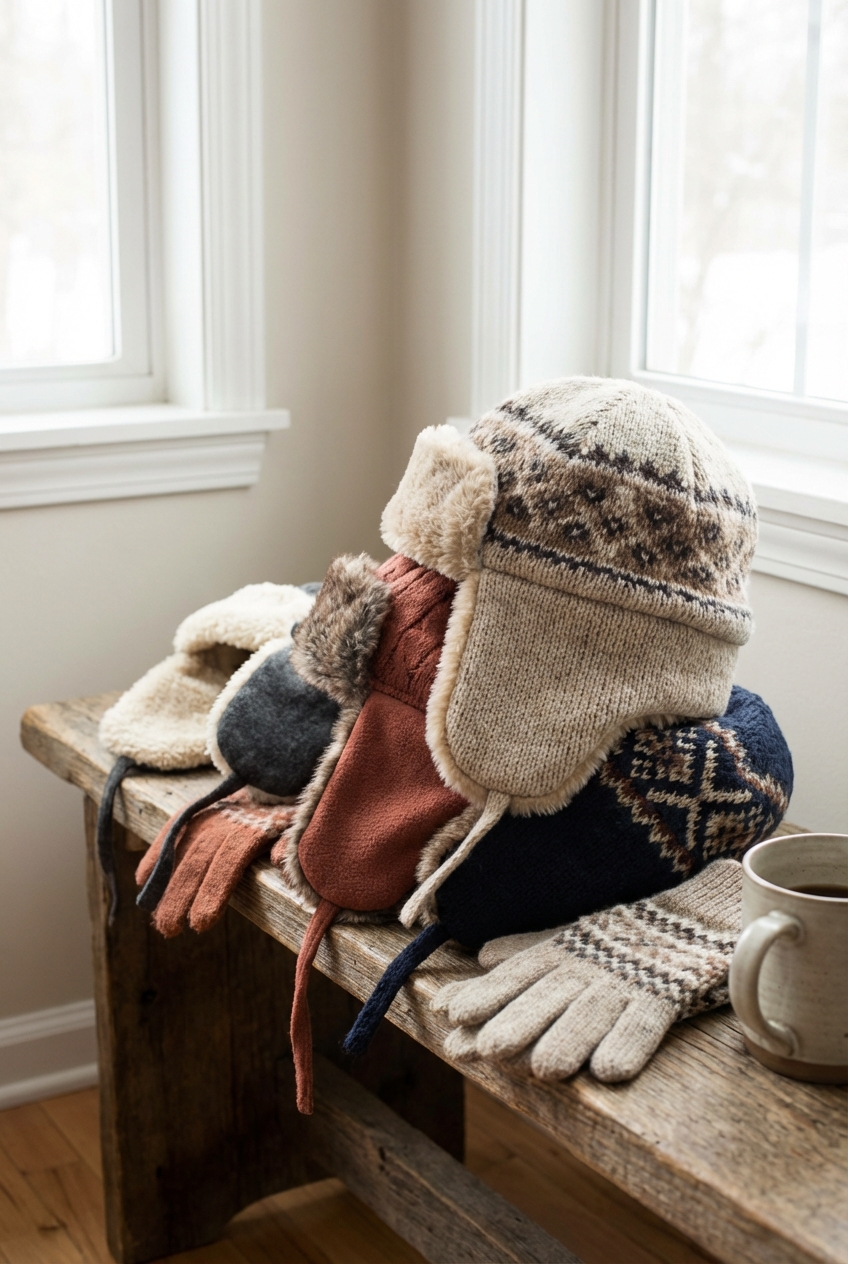
Insulated Hats With Ear Flaps For Icy Winter Weather
There comes a moment every winter when style usually surrenders to survival. When the wind chill drops well below freezing and the air bites at your skin, the standard beanie or wool fedora simply stops working. For years, I resisted the insulated hat with ear flaps—often called the trapper, aviator, or ushanka—because I feared looking like I was heading on an arctic expedition rather than a client meeting.
However, high-end fashion has finally reclaimed this silhouette, merging serious technical warmth with luxurious materials. We are seeing a departure from bulky, utilitarian gear toward architectural shapes lined in shearling, cashmere, and high-pile faux furs. It is entirely possible to protect your ears and jawline from the elements while maintaining a sophisticated, intentional look.
In this guide, I will break down how to select the right insulated hat based on face shape, material performance, and styling potential. If you are looking for visual inspiration, don’t miss the Picture Gallery at the end of this blog post.
1. Decoding the Materials: Warmth Without the Bulk
The primary failure point of most winter headwear is poor material selection. In my years of styling editorial shoots in freezing locations, I have learned that volume does not always equal warmth. You need materials that trap heat while allowing moisture to escape so you don’t overheat the moment you step onto the subway or into a shop.
The Outer Shell
For the exterior, you are generally choosing between weather-proofing and aesthetic texture.
- Nylon and Technical Blends: These are best for wet, snowy climates (like New York slush). Look for a matte finish rather than high-shine to keep it looking expensive.
- Shearling (Sheepskin): This is the gold standard for luxury warmth. The leather side blocks wind effectively, while the wool side provides natural temperature regulation.
- Wool or Tweed: A classic choice that pairs beautifully with tailored coats. However, wind can cut through loose weaves, so ensure it has a wind-blocking interlining.
The Insulation and Lining
This is where the real work happens. Avoid cheap acrylic linings; they don’t breathe and will ruin your hair with static and sweat.
- Real Fur or High-Pile Faux Fur: These trap the most air, creating a thermal barrier. The longer the pile, the warmer the hat.
- Quilted Down: Incredible warmth-to-weight ratio, but can look “sporty.” Ensure the baffles (the stitched pockets holding the down) are small to avoid the “marshmallow” look.
- Cashmere or Merino Felt: If you dislike the feeling of fur against your face, look for ear flaps lined in dense wool felt.
Fashion Expert’s Note: Always check the tag for “loft.” Insulation works by trapping air pockets. If a hat feels heavy and flat, it won’t be as warm as one that feels light and puffy. Weight does not equal warmth; loft does.
2. The Silhouette Guide: Aviator vs. Trapper vs. Ushanka
While these terms are often used interchangeably, the slight differences in cut affect how the hat frames your face. Understanding the architecture of the hat helps you balance your total look.
The Aviator
This style typically features a leather or shearling shell with a shorter visor or brim at the front. The ear flaps are usually slimmer and streamlined.
- Best for: Oval and Heart face shapes.
- Styling vibe: Sleek, vintage-inspired, and city-appropriate. It pairs best with leather jackets or shearling coats.
The Trapper
This is the more utilitarian cousin, often made of technical fabrics with a small bill and longer ear flaps. It usually has a curvier shape that hugs the skull.
- Best for: Square and Round face shapes (the curves soften the jawline).
- Styling vibe: Sporty luxury. This looks excellent with puffers and parkas.
The Ushanka
Derived from Russian military wear, this is the most voluminous option. It features a full fur (or faux fur) body with a prominent front flap that folds up against the forehead.
- Best for: Long or Rectangular face shapes. The horizontal volume balances a longer face.
- Styling vibe: Dramatic statement. This requires a structured wool coat to balance the visual weight.
Common Mistake & Fix: Many women buy a hat that is too voluminous for their frame, making them look like a bobblehead.
The Fix: If you have a petite frame or narrow shoulders, avoid the full-fur Ushanka. Opt for a sleek leather Aviator style that follows the head shape more closely.
3. Fit and Sizing Protocol
A hat with ear flaps relies on precise sizing more than a stretchy beanie does. If it is too tight, it will induce a headache and flatten your hair. If it is too loose, the wind will whistle right past your ears, rendering the insulation useless.
How to Measure
Do not guess your size. Take a soft measuring tape and wrap it around your head, placing it about one finger-width above your eyebrows and ears.
- The Two-Finger Rule: You should be able to fit two fingers comfortably between the tape and your head. This allowance accounts for hair volume and prevents the “hat band” indentation on your forehead.
- The Ear Flap Test: When the hat is on, the center of the ear flap should align directly with your ear canal. If the flap sits too far back, your cheeks are exposed; too far forward, and your peripheral vision is blocked.
Adjustability
In a high-quality hat, look for an adjustable chin strap or a rear toggle. This allows you to tighten the fit during high winds and loosen it when you are just walking to a cab.
What I’d Do in a Real Styling Session: I always advise clients to try the hat on with their hair styled the way they usually wear it. If you have thick curly hair or wear braids, you may need to size up by 1-2 cm to accommodate the volume without crushing the style.
4. Coordinating Colors and Patterns
Because these hats are substantial accessories, color choice is critical. A large fur hat in a loud color can easily veer into costume territory.
The Monochromatic Approach
For the most chic, expensive look, match your hat closely to your outerwear.
- All Black: A black nylon trapper with a black wool coat is the definition of “New York Uniform.” It is safe, sleek, and hides makeup transfer.
- Camel and Cream: A tan shearling hat with a beige coat is incredibly luxurious. It brightens the face in the dreary winter light.
The Textural Contrast
If you want the hat to pop, do it with texture rather than neon colors.
- Pair a matte wool coat with a glossy faux-fur hat.
- Pair a shiny puffer jacket with a matte felt or suede hat.
- Avoid mixing too many animal patterns. If the hat is leopard print, keep the coat solid.
Fashion Expert’s Note: Be wary of white or cream linings if you wear full-coverage foundation. The friction of the ear flaps will inevitably pick up makeup. A lining in charcoal, mocha, or black will extend the wearability between cleanings.
5. Balancing Proportions: The Outfit Formula
The biggest challenge with ear-flap hats is that they add significant bulk to the top of your silhouette. If you wear skinny jeans and a tight jacket, you risk looking top-heavy. You must balance the scale.
Rule of Thumb: Volume Requires Volume
If you are wearing a large Ushanka or fluffy Trapper hat, you need weight on the bottom half of your outfit to ground the look.
- Footwear: Wear chunky boots—think lug soles, moon boots, or structured riding boots. A delicate heel will look mismatched.
- Outerwear: Choose coats with structure or volume. A belted trench, a heavy pea coat, or an oversized puffer work well. Avoid cropped, tight jackets.
- Scarves: This is tricky. A bulky hat plus a bulky scarf equals no neck. Skip the infinity scarf. Opt for a flat woven cashmere scarf tucked inside your coat collar. Let the hat be the star.
The “City Commute” Formula
1. Leather Aviator hat (black).
2. Long wool dad-coat (charcoal).
3. Straight-leg denim.
4. Lug-sole Chelsea boots.
Result: Polished enough for the office, warm enough for the wait at the bus stop.
6. Care and Maintenance for Longevity
A quality insulated hat is an investment piece. Unlike a $20 beanie you toss in the washer, these hats require specific care to maintain their shape and thermal properties.
Drying Out
Never put these hats in the dryer and never place them directly on a radiator. High heat will crack leather, melt faux fur fibers, and shrink wool.
- Shake off excess snow immediately.
- Stuff the crown with white acid-free tissue paper to help it hold its shape.
- Let it air dry on a flat surface away from direct sunlight.
Reviving the Pile
Faux fur and shearling can get matted after a snowstorm.
- Once the hat is dry, use a wire dog slicker brush (yes, really) to gently fluff up the faux fur. This restores the “loft” and makes it look brand new.
- For shearling, use a suede brush to lift the nap of the leather exterior.
Storage
In the off-season, do not crush this hat at the bottom of a bin. Store it upside down in a hat box or stuffed with tissue on a shelf. This prevents the ear flaps from becoming permanently creased or misshapen.
Finish & Styling Checklist
Before you head out into the blizzard, run through this quick mental checklist to ensure your look is cohesive and functional.
- Check the Chin Strap: Decide your look before you leave. Tied up (more casual/approachable) or clipped down (maximum warmth/drama). Avoid letting straps dangle loosely unless they are very long and decorative.
- The Scarf Check: Ensure your scarf is tucked in. If it competes with the ear flaps, remove it and zip your coat higher.
- Hair Prep: If you have long hair, low pigtail plaits or a low bun are the best styles to wear under these hats. High ponytails will ruin the fit.
- Makeup Lock: Apply a setting spray. The friction of the flaps against your cheeks will wear away blush and bronzer otherwise.
- Proportion Review: Look in a full-length mirror. Do your boots balance the visual weight of the hat?
FAQs
Q: Can I wear glasses with an ear-flap hat?
A: Yes, but it requires adjustment. Thick plastic frames can get pressed into your temples by the flaps, causing pain. Opt for wire frames or flatter arms. Alternatively, do not tie the flaps tightly under the chin; leave them loose to reduce pressure on the side of the head.
Q: How do I deal with static hair when I take the hat off?
A: Static is caused by friction and dryness. Lightly mist the inside of the hat with a fabric refresher or static guard (test a small patch first). Keep a small travel-size hair oil or dryer sheet in your bag to smooth down flyaways once you are indoors.
Q: Is it acceptable to wear these hats with formal wear?
A: It is a bold move, but yes. A sleek black shearling aviator hat can look incredibly chic with a formal winter coat and heels, provided the coat is long and tailored. It signals that you prioritize function but refuse to sacrifice luxury.
Q: What is the warmest insulation option for sub-zero temps?
A: For pure warmth, nothing beats natural shearling or high-quality down fill. Synthetic fillers are good for wet weather, but natural fibers generally regulate extreme temperatures better.
Conclusion
Embracing the insulated hat with ear flaps is a sign of sartorial maturity. It shows that you understand how to navigate your environment without compromising your aesthetic. Whether you choose a sleek leather aviator for city streets or a plush trapper for weekend escapes, the key is treating it as a central component of your outfit, not an afterthought.
Focus on the silhouette, balance the proportions with substantial footwear, and invest in materials that actually perform. When you are the only one on the street not shivering, you will appreciate the investment. Winter fashion is not just about how good you look standing still; it is about how comfortably you can move through the world, regardless of the forecast.
Picture Gallery


