
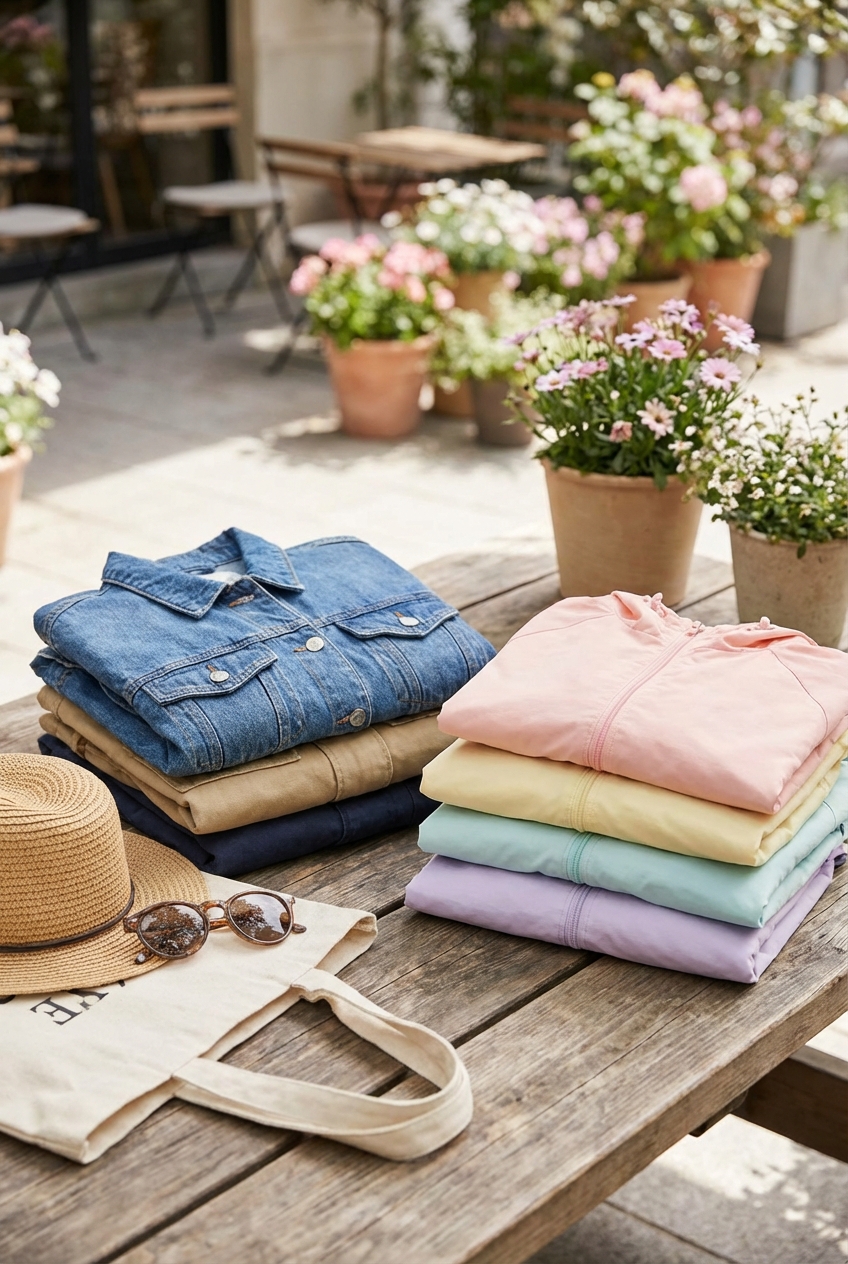
Lightweight Jackets For Mild Spring Afternoons
Spring weather is notoriously fickle. One moment you are basking in the sun, and the next, a brisk wind forces you to seek shelter. Navigating this transitional period requires a wardrobe arsenal that prioritizes versatility without sacrificing style.
I often tell my clients that dressing for sixty-degree weather is an art form. You cannot rely on the heavy wool coats that carried you through winter, yet a simple blouse leaves you shivering in the shade. The solution lies in the perfect lightweight jacket—a piece that acts as both a shield against the elements and the anchor of your entire outfit.
Finding that balance between function and fashion is the key to mastering transitional dressing. If you are looking for visual inspiration, be sure to check out the curated Picture Gallery at the end of the blog post for specific styling examples.
1. The Classic Trench: Reimagined for Modern Silhouettes
The trench coat is the quintessential spring staple, but many women wear it incorrectly. A high-end trench should not just hang off your frame; it should sculpt it. When selecting a trench for mild afternoons, pay close attention to the fabric weight.
Heavy gabardine is excellent for rain, but for a mild afternoon, look for cotton-blend twill or even Tencel blends. These fabrics offer movement and drape that stiffer materials lack. A fluid trench allows you to layer over chunky knits or silk camisoles with equal ease.
The Rule of Length
The hemline of your trench dictates the formality of your look. For the most versatility, aim for a length that hits the mid-calf. This length elongates the body and works perfectly with both midi skirts and cropped trousers.
If you are petite (under 5’4″), a knee-length trench prevents the fabric from swallowing your frame. Avoid lengths that cut directly across the widest part of your hips, as this can disrupt your vertical line.
Designer’s Note: The Belt Tuck
A common mistake I see is buckling the belt formally through the loop. For an effortless, high-fashion look, never use the buckle. Instead, tie the belt in a double knot at the back when wearing the coat open. This cinches the waist of the coat, creating an hourglass silhouette even from behind. When closed, tie it in a messy half-bow at the front.
2. The Structured Blazer: The Third Piece Rule
A well-tailored blazer is the ultimate “third piece”—the item that transforms a top and pants into a complete outfit. For spring, steer clear of heavy wools and tweeds. Instead, opt for linen blends, tropical wool, or hopsack fabrics.
These materials breathe, allowing air to circulate while still providing structure. The shoulder fit is non-negotiable. The seam should sit precisely where your natural shoulder ends. If it extends past this point, the jacket looks ill-fitting rather than intentionally oversized.
Common Mistakes + Fixes
- Mistake: Wearing a blazer that is too tight in the arms.
- Fix: When trying on a blazer, hug yourself. If the fabric pulls tight across the upper back, size up and have the tailor take in the waist. Comfort leads to confidence.
- Mistake: Ignoring sleeve length.
- Fix: Sleeves should hit right at your wrist bone. If they cover your thumb, you look like you are wearing a child’s costume. A tailor can hem this for a minimal cost.
Color and Texture
Spring is the time to embrace lighter neutrals. A camel or cream blazer instantly brightens the face. If you prefer darker tones, navy is a softer alternative to black that pairs beautifully with denim. Look for buttons in horn or gold metal to elevate the perceived value of the garment.
3. The Elevated Utility Jacket: Function Meets Form
The field jacket, or utility jacket, has graduated from military surplus to runway staple. This piece adds a gritty, grounded element to feminine spring dresses. The key to keeping this look “fashion” rather than “hiking” is the fit and hardware.
Look for jackets with an internal drawstring at the waist. This feature is crucial for defining your shape amidst the boxy pockets and heavy canvas. Without waist definition, a utility jacket can look sloppy.
Material Matters
Choose a coated cotton or a waxed canvas. These materials repel light spring showers without making you overheat. They also develop a beautiful patina over time, looking better the more you wear them.
Avoid flimsy, single-layer cotton that wrinkles the moment you sit down. You want a fabric with enough heft to hold its collar up when you pop it against the wind.
What I’d Do in a Real Project
When styling a client, I love contrasting a utility jacket with luxury fabrics. I would pair an olive drab field jacket with a cream silk slip dress and ankle boots. The tension between the rugged jacket and the delicate silk creates a sophisticated, balanced look.
4. The Tweed Lady Jacket: Texture and Polish
The collarless tweed jacket, often referred to as the “lady jacket,” is having a major resurgence. It offers the polish of a blazer but with the comfort of a cardigan. This is an excellent option for office environments or brunch dates where a trench feels too cumbersome.
Fit is paramount here. These jackets are designed to sit closer to the body. They should be cropped, hitting just at the high hip. This length pairs exceptionally well with high-waisted wide-leg trousers or straight-leg denim.
Button Placement
Pay attention to the buttons. On a high-quality piece, the buttons should have weight and intricate detail. If you find a jacket with a great cut but cheap plastic buttons, swap them out. Buying a set of vintage gold or pearl buttons and replacing them is a secret trick stylists use to make a $100 jacket look like a $1,000 designer piece.
Styling for Spring
To avoid looking too matronly, style this jacket with modern elements. Wear it over a simple white t-shirt and distressed jeans. The juxtaposition of the refined tweed with casual basics keeps the look youthful and current.
5. The Leather Moto: The Edgy Neutral
A leather jacket is a year-round staple, but in spring, it serves a specific purpose. It is the perfect layer for evening transitions. As the sun sets and the temperature drops ten degrees, leather blocks the wind better than any other natural fiber.
For spring, move away from heavy, insulated biker jackets. Look for “unlined” or cotton-lined leather options. Lambskin is softer and lighter than cowhide, making it more pliable for milder weather.
Color Palette Shifts
While black is classic, spring is an opportunity to experiment with greys, tans, or even sage greens. A tan leather jacket softens the harshness that black can sometimes bring to pastel spring palettes.
Pro-Level Styling Rule
Manage your proportions. If your moto jacket is cropped and fitted, ensure your bottom half has volume. A midi skirt or wide-leg pant balances the visual weight. If you wear skinny jeans with a tight leather jacket, the silhouette can look dated.
6. The Oversized Denim Jacket: A relaxed Necessity
Forget the cropped, tight denim jackets of the early 2000s. The modern spring denim jacket is oversized, longer, and relaxed. It draws inspiration from vintage menswear “trucker” styles.
This silhouette allows for layering without bunching. You should be able to wear a light sweater underneath without feeling restricted in the shoulders. The length should hit below the hip, offering coverage that feels cozy on breezy days.
Wash and Wear
For spring, a medium-to-light wash feels freshest. Avoid deep indigo, which reads more autumnal. Distressing should be minimal; let the shape speak for itself.
Styling the “Canadian Tuxedo”
Denim on denim is a chic look if done correctly. The rule of thumb is to vary the washes. If your jacket is a light vintage blue, pair it with white jeans or a very dark charcoal denim. If the washes are too similar, break up the look with a high-quality belt and a crisp white shirt.
7. The Quilted Liner: Sporty Chic
Originally designed as a liner for military coats, the quilted jacket has become a standalone favorite. It is incredibly lightweight, usually made of nylon or polyester, making it easy to pack or carry if the afternoon warms up.
This style leans casual, but it can be elevated. Look for diamond quilting patterns, which tend to be more flattering than horizontal channels. A bound edge in a contrasting color (piping) adds a thoughtful design detail that signals quality.
Volume Control
Because these jackets have inherent bulk, keep the rest of your outfit streamlined. Leggings, slim trousers, or a fitted knit dress underneath prevent you from looking like a marshmallow.
This is the ideal jacket for active spring afternoons—walking the dog, visiting a farmers market, or running errands. It is practical, durable, and easily cleaned.
Finish & Styling Checklist
Before you head out the door, run through this mental checklist to ensure your lightweight jacket is working for you, not against you. This is the exact process I use with clients during a fitting.
1. The Hug Test
Cross your arms in front of your chest. If the fabric pulls tightly across your back or restricts your movement, the jacket is too small. You need room for air circulation in mild weather.
2. The Sleeve Check
Extend your arms forward. The sleeves should not ride up past your wrist bone. If they do, they are too short. Conversely, they should not cover your knuckles.
3. Proportion Balance
Look in a full-length mirror. Does the jacket cut you in half?
- Short jackets (waist length) look best with high-waisted bottoms or dresses.
- Mid-length jackets (hip length) pair well with slim trousers.
- Long coats (knee/calf) need a defined waist or a monochrome outfit underneath to maintain a vertical line.
4. Hardware Inspection
Check zippers and buttons. Are they lying flat? Does the zipper wave or buckle? Wavy zippers are a sign of poor construction or shrinkage.
5. The Sit Test
Sit down on a chair. Does the jacket bunch up uncomfortably around the chin or waist? A good spring jacket should be comfortable enough to drive in or sit at an outdoor café without needing removal.
FAQs
How do I clean a trench coat without ruining the water-resistant coating?
Most high-end trench coats are dry clean only, specifically to protect the fabric finish. However, spot cleaning is essential. Use a soft, damp cloth for minor mud splashes. If you must wash a cotton trench at home, use a delicate cycle with cold water and never use fabric softener, as it degrades water-repellency. Always air dry on a sturdy hanger to maintain the shoulder shape.
Can I wear a suede jacket if rain is in the forecast?
I generally advise against it. Suede is porous and water can cause permanent staining or stiffening. If you love the look of suede but live in a rainy climate, look for high-quality synthetic suede (often called vegan suede) or treat your real suede with a professional-grade waterproofing spray at the start of the season. Even with treatment, carry an umbrella.
What is the best jacket length for petite women?
Petite women should generally aim for cropped styles or lengths that hit just above the knee. A coat that ends at the calf can overwhelm a smaller frame. Additionally, ensure the sleeves are tailored. Pushing up sleeves is a styling hack, but having them hemmed to the correct length instantly makes you look taller and more put-together.
How do I stop my blazer from looking like a work uniform?
The secret is in the styling pairing. Avoid wearing the matching suit trousers. Instead, pair a structured blazer with fluid, relaxed bottoms like a silk midi skirt or wide-leg linen pants. pushing the sleeves up to the elbows also relaxes the look, giving it a “street style” vibe rather than a “boardroom” feel.
Is it okay to mix metals (zippers vs. jewelry)?
Absolutely. The old rule of matching your handbag hardware to your jacket zippers and your earrings is outdated. Mixed metals feel modern and curated. However, try to keep the finish consistent (e.g., all polished or all brushed) to maintain a cohesive thread throughout the look.
Conclusion
Selecting the right lightweight jacket for spring is about more than just checking a weather app. It is about understanding the architecture of your outfit and how a top layer interacts with your silhouette. Whether you gravitate towards the sharpness of a blazer, the ruggedness of a utility jacket, or the timeless drape of a trench, the goal is always intentionality.
Invest in pieces with quality natural fibers that breathe. Prioritize fit over trends. And remember that in the transitional months, your jacket is the first thing people see—make sure it tells the story you want it to tell. By following the rules of proportion and fabric weight outlined here, you will navigate the mild spring afternoons with the confidence of a fashion insider.
Picture Gallery


