Pleated Dresses: Styles, Lengths and Colors to Browse
- Words by
- Julio Arco
- Published
- Reading
- 4 min
Pleated dresses suit you best when the pleat style matches the occasion: fine pleats for movement and daytime, wider knife pleats for a cleaner evening line, and a solid color when you want the texture to do the talking. Start with length and sleeve, then choose color.
Pleats add vertical lines, so they tend to read as long and streamlined. They also move, which is why a pleated dress looks different standing still and walking. The same clean-line thinking shows up in column dresses, which is where this look overlaps with minimalism.
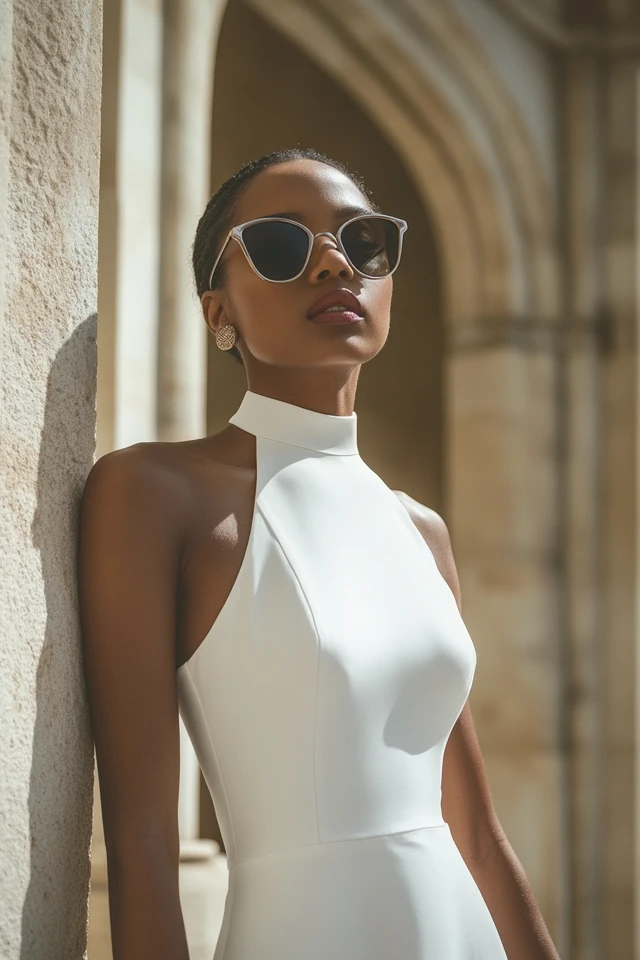
What types of pleated dresses are there?
Most pleated dresses fall into a few groups, and the pleat itself changes the mood.
- Accordion pleats are narrow and even, with a lot of movement and a slightly crisp sound and swing.
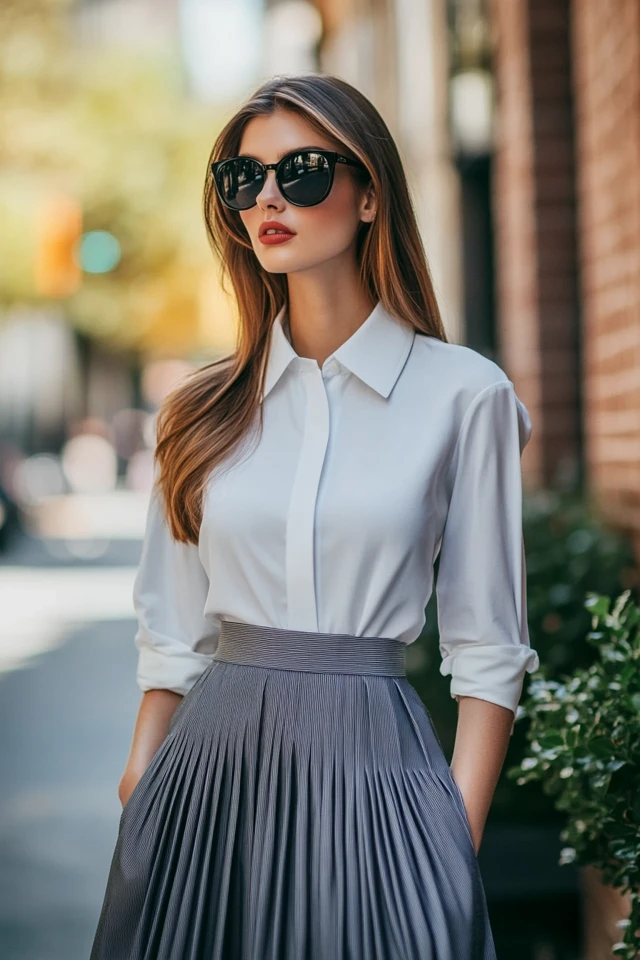
- Knife pleats are wider and fold in one direction, giving a tidier, more tailored fall.
- Sunray pleats fan out from the waist and flare toward the hem.
- Pleated panels or bodices keep the rest of the dress smooth, so the texture sits in one place.
Through the lens of evidence-based design, I'd think of pleats as texture first. Folded fabric catches light in stripes of light and shadow, so even a plain color looks more dimensional.
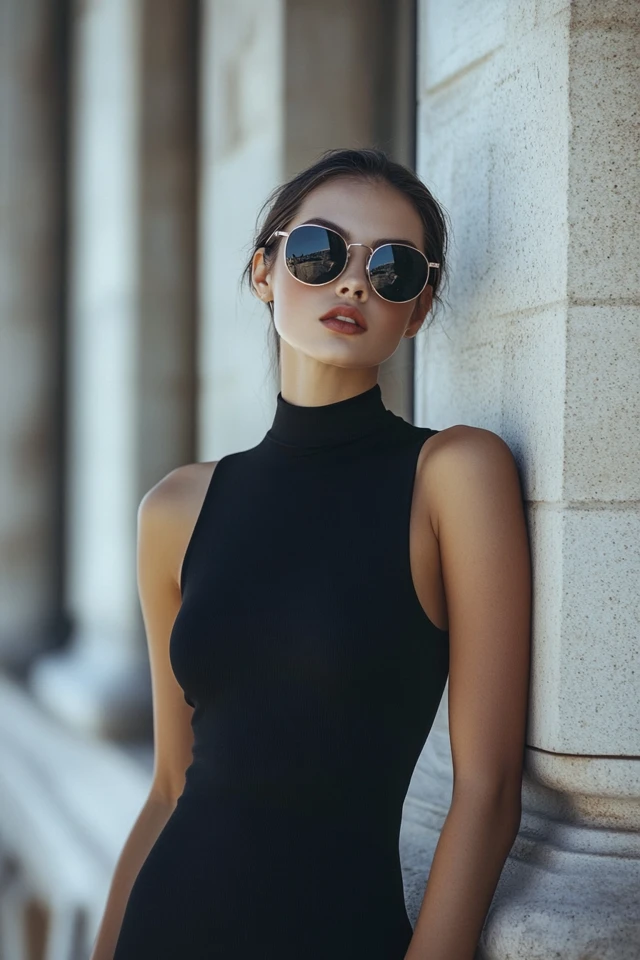
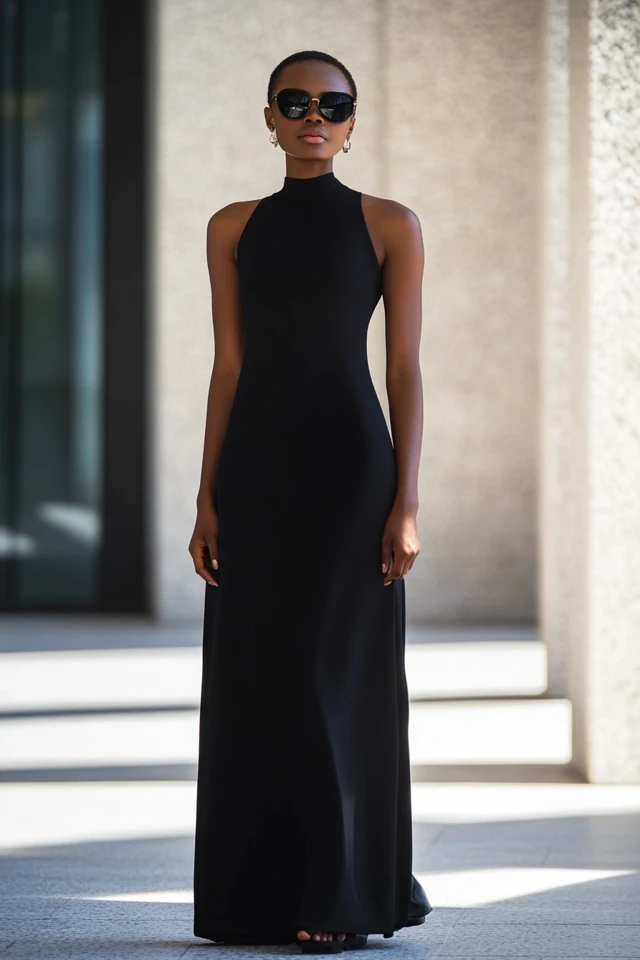
How do you choose the right length?
Pleated midi dress
A pleated midi dress is the easiest all-rounder. Hems that land mid-calf show off the movement of the pleats and work with flats, boots or heels. If you are petite, aim for a hem just below the knee so the skirt does not swallow your height.
Maxi and gown lengths
Floor-length pleats feel formal and move beautifully, but check the hem with the shoes you plan to wear. Taller frames can wear a full sweep; a side slit helps when you want ease of stride.
High-low hems
A high low pleated dress shows the leg in front and adds drama behind. It suits dressy events and dancing. Keep the rest of the outfit quiet, since the hem already makes a statement.
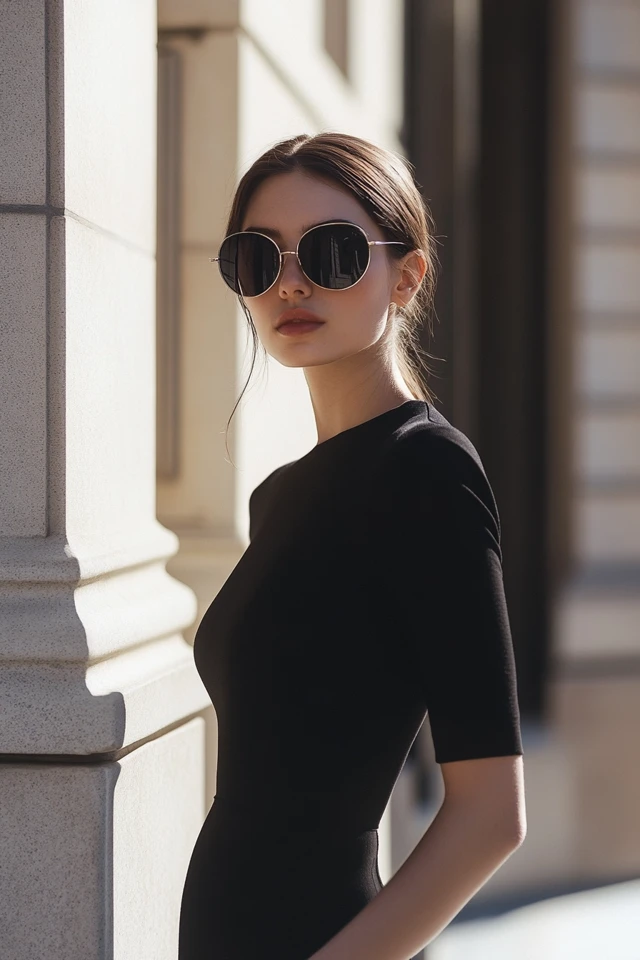
Which sleeves and necklines work with pleats?
A long sleeve pleated dress covers more and suits cooler months or formal dinners. Pleated sleeves add volume, so smooth sleeves on a pleated skirt keep proportions balanced.
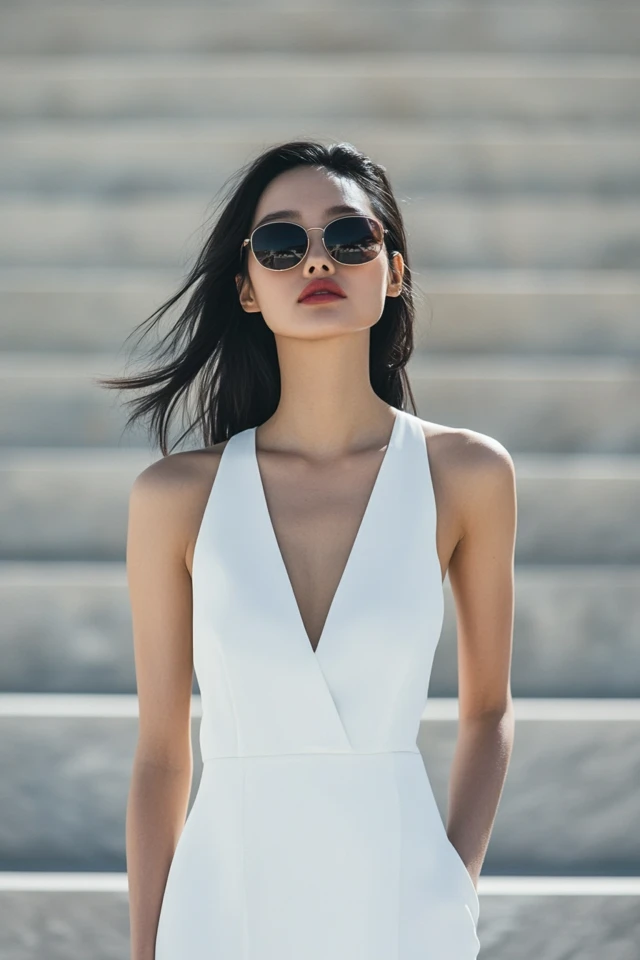
A one shoulder pleated dress draws the eye diagonally across the body, which can balance a full skirt. Backless cuts look best when the front stays simple. For either, check that straps and bodice stay put when you raise your arms.
What about plus size pleated dresses?
A plus size pleated dress can be very flattering when the pleats start below the widest part of the hip, or when the bodice is smooth and the skirt carries the pleats. Fine pleats in a fluid fabric drape over the body, while stiff, heavy pleats add bulk. If a pleat flares or pulls at the hip, it is a cut issue, not a you issue. Try the next size or a different pleat width.
What colors look best in pleated dresses?
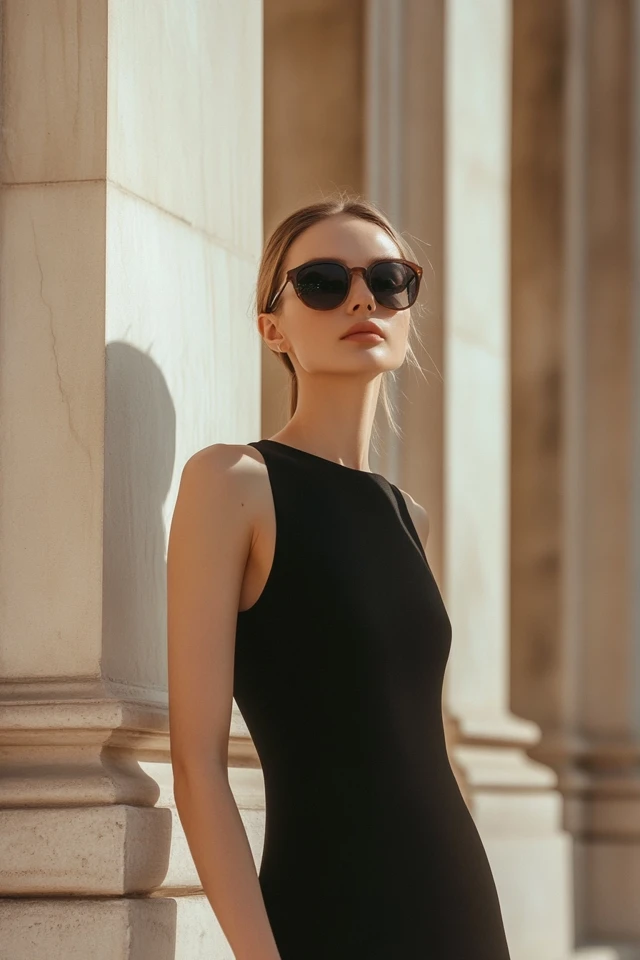
A black pleated dress is the safest evening choice, because dark fabric hides the lines of the folds slightly while keeping the shape sharp. Neutrals such as beige, cream and taupe show the shadows between folds clearly and feel soft for daytime. Deep jewel tones like emerald or navy look richer in satin-type fabrics, while pastels look lighter in chiffon.
As an architect trained in evidence-based design, I'd say texture changes how a color reads: the same navy looks deeper in a matte crepe and brighter in a shiny satin.
How do you style pleated dresses for different occasions?
- Work: a midi with long sleeves, a structured blazer and low block heels.
- Daytime or weekend: a lightweight pleat with flat sandals or clean sneakers.
- Evening: black or jewel tone, simple earrings, a small clutch.
- Wedding guest: a maxi or high-low in a soft color, with a wrap for cooler venues.
Keep jewelry modest, since pleats already add visual interest. For a cleaner silhouette, see straight maxi dresses for minimalist styling, or for formal events, elegant evening dresses and minimalist dresses for small weddings.
How do you care for a pleated dress?
Follow the care label first, since pleat type and fabric vary. Many pleated dresses keep their folds best when hung to dry or laid flat, and storing them hung or loosely folded helps prevent creases from flattening. A tailor can adjust the length without disturbing the pleats, which is worth doing if the hem sits at an awkward spot.
Frequently asked questions
Are pleated dresses flattering on all body types?
Often yes, if you match pleat width and fabric to your build. Fluid fabrics with a smooth bodice are usually the easiest, while stiff, wide pleats at the hip add volume.
Can you wear a pleated dress to a wedding?
Yes. A maxi or midi in a soft color or deep jewel tone works well. Check the venue dress code and avoid white.
What shoes go with a pleated midi dress?
Flat sandals, ankle boots or block heels all work. Pointed styles lengthen the leg, which helps if the hem sits mid-calf.
Do pleated dresses wrinkle easily?
It depends on the fabric and how the pleats were set. Check the care label, and hang the dress after wearing.
Filed under Style & Fit