
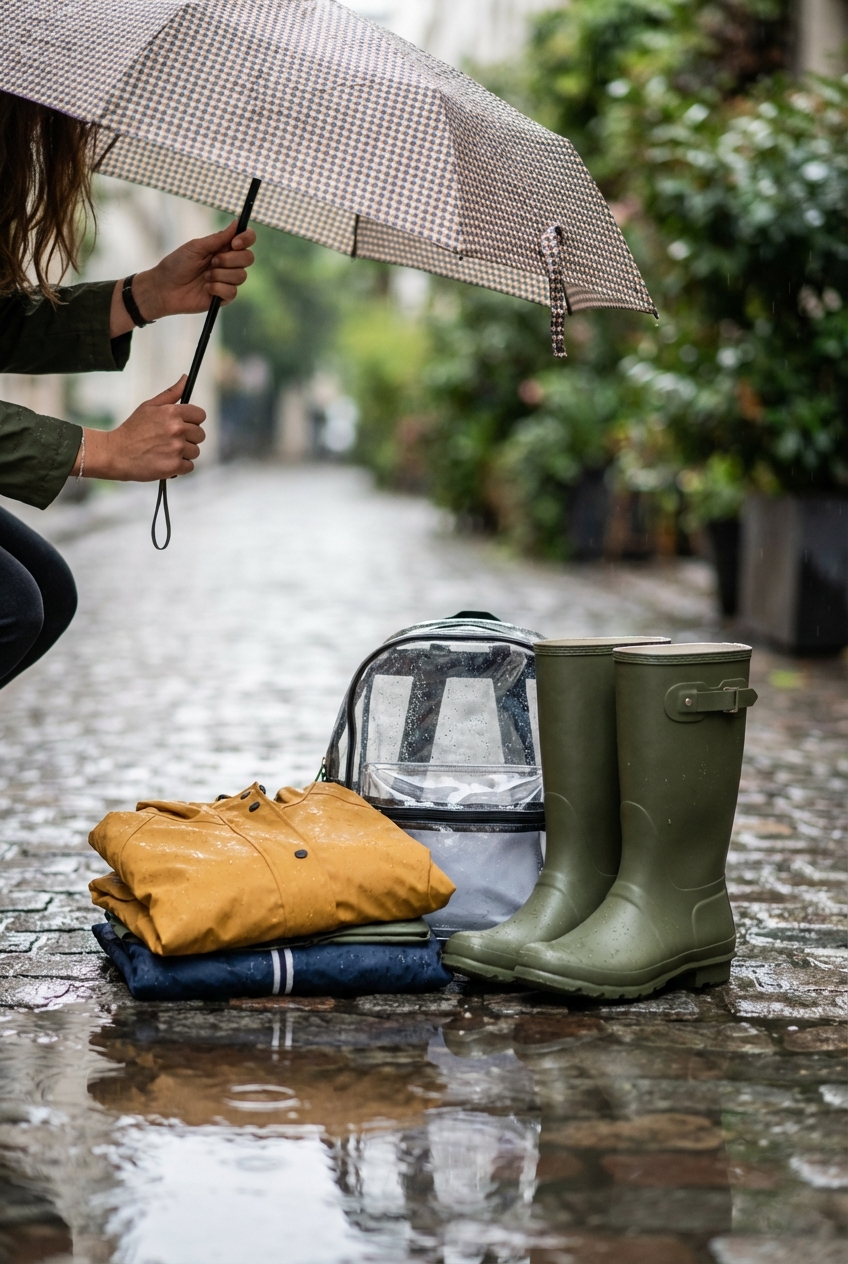
Monsoon Season Styling Water Resistant Fashion Tips
There is nothing quite like the panic of stepping out in a carefully curated outfit only to have the skies open up and ruin your suede pumps. I remember styling a client for a high-stakes outdoor luncheon last year when an unexpected torrential downpour hit. We had to pivot her entire look in fifteen minutes, swapping silk for treated nylon and stilettos for sleek, patent booties. It taught me that style does not have to be sacrificed for functionality, but it does require strategic planning.
Navigating monsoon season requires a shift in mindset from purely aesthetic to tactical. You need fabrics that breathe in humidity but repel water during a deluge, and silhouettes that keep you polished even when splashing through puddles. This guide bridges the gap between high fashion and heavy rainfall, ensuring you look intentional rather than unprepared.
I am going to walk you through exactly how to build a rain-proof wardrobe that feels luxurious and smart. We will cover fabric science, investment pieces, and the specific styling tricks I use on set when the weather turns against us. For visual inspiration on how to pull these looks together, make sure you check out the Picture Gallery at the end of the blog post.
Understanding Textiles: Waterproof vs. Water-Resistant
The biggest mistake I see clients make is confusing water-resistant fabrics with waterproof ones. In a high-end wardrobe, knowing the difference is the key to comfort. Water-resistant items are woven tightly or treated to repel water for a short time, making them fine for a light drizzle. Waterproof items are impermeable, often using membranes or coatings that completely block moisture.
For monsoon styling, you want a mix of both. Your outer shell needs to be waterproof to handle heavy downpours. Look for technical fabrics like Gore-Tex or high-quality treated polyester blends that have a hydrostatic head rating (a measure of waterproofness). However, avoid fully rubberized coats for long commutes if it is humid, as you will trap sweat inside.
Fabric breathability is just as critical as water resistance. In humid monsoon weather, a non-breathable plastic raincoat turns into a sauna within minutes. Natural fibers like light wool or treated cotton gabardine (the classic trench fabric) offer a good balance. They repel water naturally due to the weave but allow air to circulate.
Stylist’s Note:
In my professional experience, silk is the enemy of rain. Even a single drop can leave a permanent water stain on dyed silk blouses or skirts. During this season, I advise clients to switch to high-quality viscose, synthetics, or treated cottons that can handle moisture without spotting.
Common Mistakes + Fixes:
- Mistake: Wearing heavy denim jeans on a rainy day.
Fix: Denim absorbs water like a sponge and takes hours to dry, leaving you cold and damp. Swap jeans for quick-drying trousers made from technical blends or a cropped wool pant. - Mistake: Assuming all leather is off-limits.
Fix: Patent leather is naturally water-resistant. You can also treat smooth leather with a high-quality water-repellent spray, but keep the suede safely stored away.
The Foundation: Selecting the Right Footwear
Your shoes are the first line of defense. In my styling projects, I categorize rain footwear into two buckets: “commuter shoes” and “destination shoes.” If you are walking extensively, a dedicated rain boot is non-negotiable. However, the days of clunky, purely functional wellies are over. Fashion houses have released sleek, Chelsea-style rain boots that look just like leather ankle boots.
When selecting a boot, pay attention to the shaft height. Ankle boots are versatile and look great with cropped trousers, but they expose your socks to splashes. A mid-calf or knee-high boot offers better protection for heavy rain but can be harder to style for the office. I recommend a matte finish over a glossy one if you want the boots to double as office wear; matte rubber mimics the look of leather much better.
Platform soles are your best friend during this season. A chunky loafer or a boot with a lug sole adds an extra inch or two of elevation, keeping the uppers of your shoes out of shallow puddles. This allows you to wear leather shoes (if treated) without risking water damage along the welt.
What I’d do in a real project:
- Rule of thumb: If the forecast calls for rain over 50% of the day, I style the outfit from the shoes up.
- The Pivot: I always carry a pair of lightweight flats in my bag. Even the best rain boots can get hot indoors. Changing shoes upon arrival instantly makes you feel more polished and comfortable.
- Material check: Avoid cork soles or espadrilles entirely. The glue used in these shoes often dissolves or weakens when submerged in water.
The Third Piece: Outerwear That Actually Works
The trench coat is the hero of the monsoon wardrobe, but the fit must be precise. When fitting a client for a trench, I look for a length that hits at least two inches below the knee. This ensures that when you sit down on a damp bench or walk through wind-blown rain, your skirt or trousers underneath remain dry. A cropped jacket is useless in a sideways rain.
Look for outerwear with functional details like storm flaps and wrist adjusters. A storm flap on the back helps water run off the shoulders without soaking into the seam. Adjustable cuffs are vital for sealing out the wind and preventing water from running down your arm when you hold an umbrella.
Color choice plays a psychological and practical role here. While beige is classic, it shows wet spots and mud splatter easily. For the rainy season, I often steer clients toward navy, olive, or charcoal trenches. These darker shades hide water marks and look chic against the grey skies. If you love color, a vibrant red or yellow coat can be a powerful mood booster, but ensure the fabric is wipeable.
Stylist’s Note:
Pay attention to the hardware. Cheap zippers rust quickly in humid, wet conditions. Inspect the zippers and snaps on your raincoat to ensure they are coated or made of non-corrosive brass or stainless steel. It is a small detail that defines the longevity of the garment.
Strategic Silhouettes: Hemlines and Fits
Styling for rain is largely about managing lengths. The “floor-sweeping” trend is impossible to maintain in monsoon weather. Trousers that touch the ground will wick water up the leg, ruining the fabric and looking sloppy. I recommend hemming trousers to a “flood” length—just above the ankle bone—or choosing culottes.
Skirts and dresses are often more practical than pants because skin dries faster than fabric. A midi skirt worn with tall boots is a classic, bulletproof combination. However, watch the volume. A full circle skirt can become unmanageable in high winds. A pencil skirt or a straight-cut slip dress (in a durable fabric) stays close to the body and is less likely to blow around.
If you must wear wide-leg trousers, use the “sock tuck” trick for your commute. Tuck the hems of your pants into your socks or boots while walking outside, then untuck them once you are indoors. It saves the hems from getting soaked and muddy. It isn’t glamorous while you are walking, but it preserves the look for your arrival.
Common Mistakes + Fixes:
- Mistake: Wearing maxi dresses without lifting them.
Fix: If you love maxi lengths, belt the dress at the waist to temporarily shorten the hem while walking outside, or use a hair tie to knot the hem at the side for a grunge-chic look that keeps it off the ground. - Mistake: Tight layers in humidity.
Fix: Rain often brings humidity. Avoid skin-tight synthetics. Choose silhouettes that float away from the body to allow airflow, topping them with a belted coat to add shape when needed.
Accessories: Protecting Your Valuables
Your choice of handbag can make or break a rainy day outfit. Leather bags, especially those with an open top (like a tote), are vulnerable. Water can pool inside, damaging your electronics and wallet. I always recommend a bag with a full zipper closure and a flap for extra security.
Material-wise, coated canvas or treated nylon bags are superior choices. Many luxury brands offer stylish nylon options that look intentional, not cheap. If you must carry a leather bag, keep a dust bag or a specially designed “raincoat for your bag” tucked inside. It sounds excessive, but it has saved many Birkins and Kellys from water spots.
Umbrellas are accessories, too. A flimsy drugstore umbrella ruins a high-end look. Invest in a sturdy, wind-resistant umbrella with a wooden or leather handle. A birdcage style (clear plastic that domes over your head) provides excellent visibility and protects your hair and shoulders better than a standard flat umbrella.
What I’d do in a real project:
- Jewelry selection: I avoid wooden jewelry or fabric-wrapped statement pieces in the rain. I stick to solid gold or silver, which won’t be damaged by humidity or splashes.
- Scarves: I swap heavy wool scarves for silk-blend or modal squares. They dry faster if they get wet and don’t smell like damp sheep dog, which can happen with wet wool.
Post-Rain Care: Maintenance and Storage
The way you handle your clothes after coming indoors determines how long they last. Never throw a wet raincoat directly into a closet. It creates a micro-climate for mold and mildew. Shake it off vigorously outside, then hang it in an open area with good airflow.
For shoes, stuff them with newspaper or cedar shoe trees immediately upon taking them off. This absorbs internal moisture and helps them retain their shape as they dry. Never place leather shoes near a radiator or heater to “speed up” the process; the heat will crack the leather.
If you get mud on your clothes, do not rub it while it is wet. This pushes the dirt deeper into the fiber. Let the mud dry completely, then brush it off with a stiff garment brush before treating any remaining stain. This counter-intuitive tip is a savior for trench coats and trousers.
Stylist’s Note:
Humidity control is vital for your wardrobe. During monsoon season, I recommend placing dehumidifier packs (like damp rid) inside your closet. This prevents your stored leather bags and shoes from developing bloom (that white, powdery mold) due to the ambient moisture in the air.
Finish & Styling Checklist
Before you head out the door, run through this quick stylist checklist to ensure you are fully weather-proofed.
- Hem Check: Are your pants at least 1 inch off the ground? If not, cuff them or swap shoes.
- Fabric Test: Are you wearing silk or uncoated leather? Swap for treated cotton, wool, or patent leather.
- Outerwear Seal: Is your coat fully waterproof or just water-resistant? If it is a heavy downpour, grab the trench with the highest rating.
- The Shoe Gap: Is there exposed skin between your pants and shoes? If so, do you have waterproof socks or tights?
- Hair Defense: Have you applied an anti-humidity serum? Rain causes frizz instantly.
- Emergency Kit: Do you have a small microfiber towel in your bag to wipe off water spots upon arrival?
FAQs
Can I wear suede if I spray it with protector?
Technically, yes, but I advise against it for heavy rain. Sprays wear off, and it only takes one deep puddle to ruin the nap of the suede permanently. Save suede for dry, crisp days and stick to patent or treated leather for the monsoon.
How do I stop my hair from frizzing in the humidity?
It starts with hydration. Dry hair seeks moisture from the air. Use a leave-in conditioner and seal it with an anti-humidity oil or serum. Styling your hair in a sleek bun or braid also minimizes the surface area exposed to the damp air.
Are trench coats warm enough for cold rain?
Standard cotton trenches are not insulating. For cold rain, you need to layer. Wear a thin cashmere sweater or a thermal tank top underneath. Alternatively, look for trenches with removable wool liners, which are excellent for transitional weather.
What is the best alternative to a rain boot for the office?
Waterproof leather Chelsea boots are the gold standard. Brands like Aquatalia or Blondo make shoes that look like high-end fashion boots but have sealed seams and treated leather. They are appropriate for client meetings and keep your feet dry.
How do I clean a muddy trench coat?
Let the mud dry completely. Brush it off with a garment brush. If a stain remains, spot clean with a mild detergent and water. Avoid frequent dry cleaning for water-repellent coats, as the chemicals can strip the waterproofing finish over time.
Conclusion
Mastering monsoon style is about preparation and smart fabric choices. It is entirely possible to look elegant while everyone else looks damp and disheveled. By investing in the right “third pieces” like a quality trench and proper footwear, you turn a rainy commute into a fashion opportunity.
Remember that functionality is the foundation of luxury. If you are cold and wet, you cannot be stylish. Use these tips to build a wardrobe that serves you, protecting you from the elements while maintaining your personal aesthetic. Rain is inevitable, but a bad outfit is not.
Picture Gallery


